Beyond the Ship: Elevating Your Luxury Cruise with Pre- and Post-Cruise Experiences

Luxury Hotels Rome Italy Private Guided Tours TOP

Beyond the Ship: Elevating Your Luxury Cruise with Pre- and Post-Cruise Experiences

A luxury cruise becomes a richer holiday when you add carefully planned experiences before and after sailing.

The journey does not have to begin when you step aboard or end when you disembark. A thoughtfully planned land extension gives you time to settle into a destination, recover from travel, and explore at a more relaxed pace.

A pre-cruise stay might include a private city tour, dinner at a celebrated local restaurant, or several nights in an elegant hotel. Arriving early allows the cruise to begin without the pressure of flight delays, jet lag, or a rushed transfer to the port.

Post-cruise extensions offer an equally rewarding opportunity to linger. Instead of heading straight home, you might explore historic landmarks, travel through the countryside, visit a wine region, or spend several restorative days at a beautiful resort. These additions reveal places that may lie beyond the ship’s itinerary and give your travel memories time to unfold.

Private transfers, exclusive excursions, boutique accommodations, and locally inspired dining can make the entire experience more comfortable and personal. With the right balance of time on land and at sea, a luxury cruise becomes a complete journey rather than a stand-alone sailing.

A bespoke extension gives you greater control over hotels, transportation, activities, and the pace of each day.

For travelers who value privacy and personalization, a custom itinerary can include a dedicated guide, private vehicle, preferred dining reservations, exclusive access, or a carefully selected combination of cities and countryside stays. It can also accommodate special celebrations, multigenerational travel, mobility needs, or a preference for slower mornings and flexible afternoons.

When comparing the two approaches, consider the level of support you want as well as the itinerary itself:

  • Choose a cruise-line package when convenience, coordination, and a straightforward connection to the ship are most important.
  • Choose bespoke planning when you want greater control over hotels, activities, transportation, and daily timing.
  • Combine both options when you prefer the security of a cruise-line transfer but want to add private touring or independent time.
  • Review the details carefully to understand what is included, from luggage handling and meals to airport transfers and guided activities.
  • Check the cancellation terms before confirming hotels, tours, flights, and other nonrefundable arrangements.
  • Ask about travel protection when flights, transfers, or prepaid arrangements could be affected by delays or unexpected changes.

The right choice should make the journey easier, not more complicated. A well-designed extension considers every transition while leaving enough room for spontaneous discoveries. A qualified travel advisor can coordinate the separate elements and provide a single point of contact if plans change.

Building in Buffer Days for Delays, Jet Lag, and Flight Disruptions

Buffer days protect your cruise investment by allowing time for delays, jet lag, and unexpected travel problems.

Arriving on the day of embarkation may seem efficient, but a delayed flight, missed connection, or baggage issue can quickly create unnecessary stress. A pre-cruise stay of at least one night is a sensible starting point, while long-haul travel or complex international connections may justify two or more nights.

Extra time is particularly valuable when the embarkation port is difficult to reach, several flights are required, or seasonal weather may affect air travel. It also gives you an opportunity to adjust to a new time zone before settling into the ship’s schedule.

Post-cruise buffer days can be just as useful. Disembarkation may take longer than expected, and an early flight can feel exhausting after a full voyage. Staying an additional night near the port or airport creates a more relaxed departure and provides room to absorb an unexpected delay.

  • Plan additional time before embarkation when crossing multiple time zones.
  • Add a second pre-cruise night when flights are limited or weather disruptions are possible.
  • Avoid scheduling a tight same-day connection between the ship and a long-haul flight.
  • Keep essential medications, travel documents, valuables, and a change of clothes in your carry-on luggage.
  • Choose flexible or refundable arrangements when your plans are vulnerable to disruption.
  • Confirm how your cruise line handles late arrivals and missed embarkation before departure.

Creating a Calm Transition Between Land and Sea

Seamless transitions depend on clear logistics, comfortable pacing, and reliable local support.

Arrange private transfers when appropriate, confirm luggage procedures in advance, and make sure each hotel understands your arrival and departure requirements. Share flight details, ship information, accessibility needs, and the number of bags traveling with you.

It can also help to alternate active days with quieter ones. After a long flight, choose a relaxed meal and an early evening rather than a packed sightseeing schedule. Before boarding, leave enough time for breakfast, collecting your belongings, and reaching the port without rushing. After disembarkation, consider a leisurely morning or a short transfer to a nearby hotel before beginning more demanding activities.

Planning for Comfort and Continuity

Accommodations that match the service level of the ship help the entire holiday feel connected.

Look for attentive staff, comfortable rooms, convenient locations, wellness facilities, and dining options that suit your preferences. A calm atmosphere can preserve the sense of indulgence throughout the land portion of the trip.

Small details often make the extension feel especially polished. Prearranged restaurant reservations, preferred room categories, airport meet-and-greet services, luggage assistance, and private guides remove friction from the itinerary. These touches allow you to focus on the destination rather than the logistics.

The most successful luxury cruise extensions feel like a natural continuation of the voyage. They give you time to arrive with ease, explore with curiosity, and depart without rushing. With the right balance of structure, flexibility, and breathing room, the experience begins well before embarkation and continues long after the ship returns to port.

Luxury Hotels Rome Italy Private Guided Tours

Planning a High-End Pre-Cruise Experience

A high-end pre-cruise experience combines a convenient hotel, local discovery, attentive service, and enough time to relax before embarkation.

A luxury cruise begins well before you reach the port. By adding a thoughtfully planned stay on land, you can ease into the journey, explore the departure city, and arrive at the ship feeling refreshed rather than rushed. The ideal pre-cruise experience balances meaningful activities with plenty of flexibility.

Selecting the Best Luxury Hotel Near Your Embarkation Port

The best pre-cruise hotel makes the transition from land to sea simple and comfortable.

Proximity to the cruise terminal is valuable, but location should not be the only consideration. Look for spacious rooms or suites, excellent dining, luggage assistance, wellness facilities, and a concierge team experienced in supporting cruise guests.

A hotel near the airport may be convenient after a late arrival, while a waterfront or city-center property can provide a more memorable introduction to the destination. Before booking, confirm the approximate travel time to the terminal, whether the hotel can arrange port transportation, and how luggage will be handled on embarkation day.

Reserve at least one night before sailing, especially when international flights, connecting flights, or busy travel periods are involved. An extra night creates a comfortable buffer for delays and gives you time to settle in without watching the clock.

Arranging Private Airport Transfers, Luggage Handling, and Concierge Support

Prearranged private transportation helps turn arrival day into a calm and comfortable start.

Provide your flight details, hotel information, preferred vehicle type, and the number of bags traveling with you. A meet-and-greet service can be especially helpful after a long flight or when arriving in an unfamiliar city.

Ask the hotel or travel advisor to coordinate luggage assistance from the airport to your room and, later, from the hotel to the cruise terminal. Confirm whether the service includes porter gratuities, oversized bags, and any required luggage tags. These details help prevent confusion on a busy embarkation morning.

Your concierge can also assist with restaurant reservations, early check-in requests, currency needs, special celebrations, medical appointments, and last-minute shopping. Share important preferences in advance, including dietary requirements, mobility considerations, preferred timing, and any experiences you would like to avoid.

Creating a Two- to Four-Night Pre-Cruise Itinerary

A two- to four-night stay provides enough time to explore without turning the pre-cruise experience into a tightly scheduled tour.

Begin with a simple outline that balances exploration, rest, and unplanned time.

  • Night one: Arrive, settle into the hotel, enjoy a relaxed dinner, and recover from travel.
  • Day two: Explore signature neighborhoods, landmarks, or cultural attractions with a private guide.
  • Day three: Add a food, art, nature, or shopping experience, followed by a leisurely afternoon.
  • Final day: Schedule a light breakfast, wellness treatment, or short outing before transferring to the ship.

Allow generous time between activities and avoid strenuous excursions immediately before embarkation. A flexible itinerary leaves room for weather changes, unexpected discoveries, and the simple pleasure of enjoying the hotel.

Using Private Guides for Local Culture, Cuisine, and Landmark Access

A private guide provides a more personal and flexible way to understand a destination.

Look for a guide who is licensed where required, speaks your preferred language, and specializes in the subjects that matter most to you, whether that means architecture, history, design, local cuisine, photography, or contemporary culture.

Private touring also makes it easier to adjust the pace. You might begin with a walk through a historic district, pause for coffee at a neighborhood café, and continue to a museum or landmark when the timing feels right. A culinary guide can arrange a market visit, chef-led tasting, private cooking lesson, or carefully selected restaurant reservation.

When planning landmark visits, ask about timed entry, early access, skip-the-line arrangements, dress requirements, and accessibility. These details can transform a popular attraction from a crowded obligation into a comfortable and memorable experience.

Scheduling Wellness, Spa, and Recovery Experiences Before Embarkation

Wellness time can help you recover from travel and begin the cruise feeling refreshed.

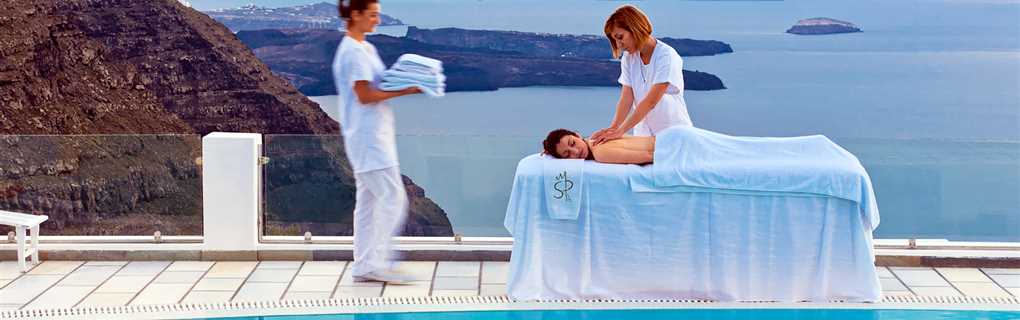
Consider booking a massage, facial, hydrotherapy session, private yoga class, or restorative fitness session during the first or final days of your hotel stay. Select treatments that leave you feeling comfortable rather than scheduling anything overly intense just before departure.

For the best availability, reserve popular treatments before arrival and let the spa know about any preferences, allergies, injuries, or health considerations. A private consultation can help determine whether a gentle massage, body treatment, stretching session, or relaxation ritual is the right choice after a long journey.

Build recovery time into the schedule after each treatment. Instead of rushing to the next reservation, enjoy a quiet meal, spend time by the pool, or return to your suite for an unhurried afternoon. This slower rhythm is one of the great advantages of extending a luxury holiday beyond the ship.

On the final morning, keep plans simple. A nourishing breakfast, light movement, and a relaxed transfer allow you to board feeling composed and energized. By the time you step aboard, the cruise will feel like a natural continuation of an already memorable journey.

Luxury Hotels Rome Italy Private Guided Tours

Crafting Meaningful Post-Cruise Extensions

A post-cruise extension gives you time to explore beyond the port without rushing straight home.

Disembarkation does not have to signal the end of an extraordinary journey. A thoughtfully designed extension lets you settle into the destination, explore beyond the shoreline, and connect more personally with the places you traveled so far to see.

The best extension feels like a natural second chapter. It may reveal the history of an inland capital, lead you through remote landscapes, or offer several quiet days at a beautiful resort. Extra time after the sailing also creates flexibility, which can make the overall journey more comfortable and rewarding.

Choosing a Post-Cruise Destination Worth Extending the Journey

Choose a post-cruise destination that adds something genuinely different to the sailing.

Begin by considering what your cruise itinerary does not include. If the voyage focuses on coastal scenery and island life, a post-cruise stay might introduce you to a historic city, mountain region, or celebrated wine country. If the sailing is rich in cultural visits, a peaceful seaside retreat may provide a welcome change of pace.

Choose a destination with enough depth for several days rather than a place that can be experienced in a hurried afternoon. Look for a strong sense of place, excellent accommodations, convenient onward connections, and experiences that are difficult to arrange independently. A private walking tour, locally owned restaurant, or countryside excursion can transform a simple hotel stay into a meaningful continuation of the voyage.

  • Match the destination to your interests, whether they include history, design, food, nature, or relaxation.
  • Allow at least two or three nights when travel between the port and the next destination is involved.
  • Select accommodations that make arrival and departure easy, with attentive service and a central or scenic setting.
  • Consider the season, local events, weather, and opening schedules before confirming plans.

Adding UNESCO Sites, Remote Landscapes, and Multi-Day Overland Tours

UNESCO sites and remote landscapes can add cultural depth and visual contrast to a post-cruise itinerary.

A UNESCO World Heritage site must have outstanding universal value and meet at least one of ten selection criteria, which cover cultural achievements, historic places, natural beauty, geological features, ecological processes, and biodiversity. These destinations can be compelling additions to a luxury itinerary when their significance aligns with your interests.

For a deeper experience, consider a multi-day overland journey rather than a single excursion. A private vehicle with an experienced guide can connect villages, monuments, national parks, or scenic regions while keeping the pace comfortable. This approach allows time for photographs, local specialists, and distinctive accommodations along the way.

Remote landscapes can be especially rewarding after a cruise, when the contrast between life at sea and life in the wilderness feels dramatic. Consider desert valleys, highland lakes, forested mountain passes, or wide-open steppe. Build in generous travel times and choose guides who understand both the environment and local communities. In remote regions, luxury is often defined less by excess than by thoughtful logistics, privacy, comfort, and access.

Planning Culinary, Wine, Art, and Heritage Experiences After Disembarkation

Food, art, and heritage experiences offer intimate ways to continue a journey after disembarkation.

A private market visit followed by a cooking lesson can reveal everyday traditions that a brief port call may not allow time to uncover. In wine regions, arrange visits with small producers, cellar tastings, or vineyard lunches rather than relying only on large commercial estates.

Art lovers may enjoy private museum introductions, gallery appointments, artist studio visits, or architecture-focused walks. Heritage experiences can include ancestral villages, historic homes, traditional craft workshops, and performances connected to the region’s living culture.

When planning these activities, favor depth over quantity. One carefully arranged experience with a knowledgeable local host can be more memorable than a packed schedule of standard tours.

  • Reserve popular restaurants, wineries, museums, and private guides well in advance.
  • Ask for experiences that support local businesses and help preserve regional traditions.
  • Balance structured activities with free time for spontaneous discoveries.
  • Share dietary requirements, mobility needs, and preferred activity levels before arrival.

Ask your travel advisor or hotel concierge to shape each experience around your interests, mobility preferences, and desired level of privacy. A slower itinerary leaves room for conversation, unexpected discoveries, and the simple pleasure of lingering over a meal.

Combining Luxury Rail, Private Aviation, and Yacht Transfers

Luxury rail, private aviation, and yacht transfers can turn transportation into part of the post-cruise experience.

Luxury rail journeys transform the transfer itself into an experience, with elegant cabins, panoramic views, refined dining, and access to landscapes that may be missed by air. A scenic rail route can connect major cities, mountain resorts, wine regions, or historic towns without the strain of frequent hotel changes.

Private aviation is useful when time is limited or when rewarding destinations are far from major commercial airports. It can reduce complicated connections and make remote regions more accessible. Depending on the itinerary, a private aircraft may connect the cruise port with an inland lodge, island retreat, or exclusive countryside property.

Yacht transfers offer another graceful way to continue a coastal journey. A private yacht can carry you between islands, secluded beaches, waterfront villages, and resort destinations while maintaining the sense of privacy and discovery that defined the cruise. These transfers can be arranged as a direct journey or as a leisurely day on the water with swimming, snorkeling, and lunch prepared onboard.

  • Use luxury rail when the route itself offers scenic, cultural, or culinary appeal.
  • Consider private aviation for remote destinations, tight schedules, or multiple-region itineraries.
  • Choose yacht transfers when coastal access, privacy, and time on the water are central to the experience.
  • Build in contingency time for weather, local operating conditions, and transport changes.

The smoothest itineraries coordinate every handoff in advance. A dedicated driver, luggage service, or local host can make the transition between ship, aircraft, rail station, yacht, and hotel feel effortless. Confirm luggage allowances, transfer times, accessibility needs, and arrival procedures before departure so the journey remains relaxed from start to finish.

Designing a Relaxed Final Stay Before the Journey Home

A final stay should make the journey home easier rather than feel like another demanding leg of the trip.

Choose a setting where you can rest, enjoy excellent service, and reach the airport or onward connection without a stressful transfer. A refined city hotel may be ideal for a final evening near museums and restaurants, while a secluded resort can provide several restorative days before departure.

Keep the last few days intentionally light. Schedule a leisurely breakfast, a spa treatment, a gentle walk, or a final meal that reflects the destination. Avoid long excursions, complicated transfers, or early departures immediately before an international flight whenever possible.

  • Select a hotel with comfortable rooms, dependable transportation, and convenient airport access.
  • Leave time to repack, rest, and enjoy the property without a crowded schedule.
  • Arrange airport transfers and luggage assistance before the final day.
  • Keep one flexible day available in case weather or travel delays affect earlier plans.

A meaningful final stay also gives you time to reflect on the journey. Revisit a favorite restaurant, purchase thoughtfully chosen keepsakes, or enjoy one last view of the landscape that made the trip special. These quiet moments often become some of the most cherished memories of the entire voyage.

Creating a Seamless Post-Cruise Experience

The best post-cruise extensions feel personal, purposeful, and easy to navigate.

The itinerary should reflect the reason you chose the cruise while introducing experiences that would not have been possible from the ship alone. Whether the extension leads to a historic capital, remote natural wonder, celebrated vineyard, or tranquil coastal retreat, each element should contribute to a clear sense of discovery.

Work with travel professionals who can coordinate accommodations, guides, transportation, dining, and special access as one connected itinerary. Share your preferred pace, interests, and expectations early, including whether you want active exploration, cultural immersion, wellness, or complete relaxation.

With thoughtful planning, the days after disembarkation become more than extra time on the calendar. They become an elegant continuation of the voyage—one that allows you to travel deeper, linger longer, and return home with a fuller appreciation of every destination along the way.

Sharing your travel preferences early helps every guide, driver, and hotel provide more thoughtful service.

Share a concise travel profile with your planner, guide, and driver. Include interests, preferred pace, dietary requirements, mobility needs, important celebrations, photography preferences, and experiences you would rather avoid. The more clearly your priorities are understood, the easier it becomes to shape a day that feels natural and unforced.

Small gestures can make a meaningful difference. A favorite beverage waiting in the vehicle, a thoughtfully selected restaurant, a quiet room for an afternoon rest, or a guide who understands your family’s interests can make the experience feel genuinely considered.

Leave room for flexibility as well. Weather, local events, traffic, and personal energy levels may change the ideal plan. A well-prepared luxury itinerary should include thoughtful alternatives without making the day feel rigid or overly scheduled.

Planning Comfortable and Well-Paced Days

Comfortable itineraries limit the number of major activities and leave room for rest, meals, and unexpected discoveries.

Even the most appealing schedule can become tiring when too much is packed into a single day. Aim for a realistic number of primary activities and allow time for scenic drives, rest stops, and unplanned moments.

Consider the rhythm of your cruise. If you have spent several consecutive days exploring ports, a slower land experience may be more enjoyable than another early start. Conversely, if a destination offers a rare opportunity, a longer day may be worthwhile. The right balance depends on what feels restorative and rewarding for you.

Confirm walking distances, terrain, temperature, and access arrangements before committing to an excursion. Comfortable footwear, shaded transportation, seating opportunities, and convenient restroom stops can help everyone enjoy the day more fully.

Coordinating Excursions with the Cruise Itinerary

Shore excursions should always allow a generous margin before the ship’s all-aboard time.

Plan with the vessel’s schedule in mind, especially when traveling outside the immediate port area or visiting places where traffic can be unpredictable. Private transportation and experienced local operators can reduce logistical stress, but no itinerary is immune to delays.

Ask how the provider monitors ship departure times, what happens if a tour runs late, and whether the company has an established procedure for returning guests to the vessel. When arranging pre- and post-cruise stays, coordinate hotel check-in, luggage handling, airport transfers, and embarkation or disembarkation times well in advance.

A single point of contact, such as a dedicated travel advisor, can make it easier to manage changes and keep every part of the journey connected.

Choosing Experiences That Stay with You

The most memorable luxury experiences often come from meaningful connections rather than elaborate arrangements.

A private conversation with a local artist, a beautiful meal overlooking the countryside, a quiet walk through an old neighborhood, or a guide’s story about a place can remain with you long after the cruise ends.

When selecting excursions, focus on the feeling you hope to take home. You may want to feel inspired, rested, connected, curious, or pleasantly surprised. Let that intention guide the balance between famous sights, personal interests, cultural encounters, and unstructured time.

By personalizing shore excursions and land experiences, you create a journey that extends naturally beyond the ship. Each destination becomes more than a scheduled stop; it becomes an opportunity to travel with comfort, curiosity, and a deeper sense of connection.

Luxury Hotels Rome Italy Private Guided Tours

Let the Journey Extend Beyond the Ship

A luxury cruise becomes more meaningful when the journey begins before embarkation and continues after the final port of call.

Arriving early allows you to settle into the rhythm of a new place, enjoy exceptional dining, explore historic neighborhoods, or simply relax before stepping aboard. A post-cruise stay offers the same opportunity in reverse: instead of rushing home, you can linger over the memories of the voyage while discovering more of the region’s culture, cuisine, and character.

Whether you choose a private city tour, countryside retreat, wellness experience, or expertly guided cultural excursion, the most rewarding extensions reflect your interests and travel style. They transform brief port visits into deeper connections and give every part of the journey room to unfold at an unhurried pace.

Ultimately, the finest luxury cruise experience is shaped not only by the suite, service, or itinerary, but also by the care given to every transition and discovery along the way. By looking beyond the ship, you can create a seamless holiday that feels more personal, more immersive, and truly unforgettable.

Beyond the Ordinary: Is a Luxury Expedition Cruise Right for You?

Silversea vs Seabourn expedition and why TOP

Beyond the Ordinary: Is a Luxury Expedition Cruise Right for You?

Imagine waking to a new horizon each morning—perhaps a wall of blue ice, a remote island, or a coastline alive with wildlife. A luxury expedition cruise brings you closer to some of the world’s most extraordinary places while surrounding you with thoughtful service, elegant accommodations, and the comforts of a refined retreat.

Unlike a traditional cruise focused primarily on onboard entertainment and popular ports, an expedition voyage is shaped by curiosity and discovery. Days may include Zodiac excursions, guided hikes, kayaking, wildlife watching, cultural encounters, and engaging conversations with naturalists, historians, and other experts. The itinerary often leaves room for unexpected moments, allowing the destination itself to lead the way.

These journeys are especially appealing to travelers who want adventure without giving up comfort. Smaller ships can reach secluded locations that larger vessels cannot, while attentive crews create a relaxed and personal atmosphere. After a day of exploration, you can return to a beautifully appointed suite, enjoy an exceptional meal, and watch the landscape unfold from a quiet observation lounge.

Of course, a luxury expedition cruise is still an active style of travel. Shore landings may involve uneven ground, changing weather, early mornings, or time spent outdoors. The greatest rewards come to those who are eager to step beyond the familiar, embrace a little spontaneity, and experience the world with an open mind.

Whether you dream of Antarctica’s icy wilderness, the rich biodiversity of the Galápagos, the Arctic’s remote beauty, or another far-flung destination, the right expedition cruise can turn travel into something deeply memorable. The question is not simply where you want to go, but how you want to experience it.

Silversea vs Seabourn expedition and why

What Makes a Luxury Expedition Cruise Different?

A luxury expedition cruise combines the spirit of adventure with the comfort, service, and thoughtful details of an upscale hotel. Instead of simply sailing from one popular port to another, these voyages are designed to bring you closer to remote landscapes, remarkable wildlife, and fascinating cultures—often in places that larger ships cannot reach.

The ship becomes more than transportation. It serves as a comfortable base camp, allowing you to return from an active day of exploration to an inviting suite, exceptional dining, and warm hospitality. The experience is immersive without requiring you to give up the pleasures that make a vacation feel special.

Luxury Amenities on Purpose-Built Expedition Ships

Purpose-built expedition ships are designed to handle challenging environments while keeping guests comfortable. Many feature strengthened hulls, specialized equipment, and convenient launching areas for expedition boats and kayaks. These practical features make it easier to explore remote coastlines, icy waters, quiet rivers, and secluded islands.

Inside, the atmosphere is often refined and relaxed. Depending on the ship, you may find spacious ocean-view suites, private verandas, inviting lounges, fine dining, wellness facilities, heated pools, and beautifully designed observation areas. Large windows and open decks also make it easy to enjoy scenery and wildlife even when you are not on an excursion.

The greatest luxury, however, may be the way the ship supports your daily experience. Gear can be provided, excursions are carefully organized, and the crew helps make each transition—from breakfast to a shore landing and back again—feel smooth and effortless.

Small-Ship Travel, Personalized Service, and Uncrowded Decks

Luxury expedition ships typically carry far fewer guests than traditional cruise vessels. That smaller scale creates a quieter, more personal atmosphere, with less time spent waiting in lines and more flexibility during excursions. You may find it easier to ask questions, get to know the crew, and enjoy peaceful moments on deck without feeling surrounded by crowds.

Personalized service is another defining feature. Crew members often learn your preferences, whether you enjoy an early coffee before a morning landing, a favorite table at dinner, or extra help getting ready for a kayaking outing. The result feels less like a large resort and more like a thoughtfully run private retreat at sea.

Small ships can also reach harbors, channels, and shorelines that are inaccessible to larger vessels. While weather and local regulations always influence the itinerary, the ship’s size and expedition design can open the door to more intimate encounters with a destination.

Expert-Led Exploration with Scientists, Historians, and Naturalists

Exploration is at the heart of the experience, and expert guides help bring each destination to life. Expedition teams may include marine biologists, geologists, glaciologists, historians, archaeologists, naturalists, photographers, and cultural specialists. Their knowledge adds depth to everything you see, from a seabird colony and a passing whale to an ancient settlement or a changing glacier.

Experts often lead talks, answer questions, and accompany guests ashore. A naturalist might explain animal behavior, while a historian provides context for a remote community or historic site. These conversations can transform a beautiful view into a much richer understanding of the place.

The atmosphere is usually welcoming rather than academic. You do not need specialized knowledge or prior expedition experience. Curiosity is enough, and the best guides encourage guests to observe closely, ask questions, and discover the destination at their own pace.

Zodiac Excursions, Kayaking, Shore Landings, and Wildlife Encounters

Zodiac excursions are one of the most memorable parts of an expedition cruise. These sturdy inflatable boats carry small groups close to shore, through sheltered coves, and around areas where wildlife may be found. They can provide a sea-level view of cliffs, glaciers, seabirds, seals, penguins, and other animals while allowing the ship to remain farther offshore.

Kayaking offers a quieter and more intimate way to experience the surroundings. Paddling across calm water lets you notice details that might be missed from a larger vessel, such as reflections along an iceberg, a hidden shoreline, or the sounds of a coastal habitat. Guided outings are generally planned with safety, conditions, and guest ability in mind.

Shore landings may include nature walks, hikes, cultural visits, photography outings, or time spent exploring a remote village or historic site. Some days are active

Shore landings may include nature walks, hikes, cultural visits, photography outings, or time spent exploring a remote village or historic site. Some days are active and adventurous, while others are slower and more contemplative. The flexibility of expedition travel allows you to choose the pace that feels right for you.

Wildlife encounters are approached with care and respect. Experienced guides help guests maintain appropriate distances, follow local rules, and observe animals without disturbing their natural behavior. Sightings are never guaranteed, which is part of the excitement, but the possibility of seeing wildlife in its own environment makes each outing feel meaningful.

Weather and sea conditions can influence the daily schedule, so expedition cruising rewards travelers who appreciate spontaneity. A planned landing may change, yet an unexpected opportunity—such as a nearby pod of whales, a newly discovered scenic cove, or a particularly calm stretch of water for kayaking—can become one of the most memorable moments of the journey.

What truly sets a luxury expedition cruise apart is the balance between comfort and discovery. You can spend the morning walking through a wild landscape, the afternoon listening to an expert talk, and the evening enjoying a beautifully prepared meal while watching the scenery drift by. It is an invitation to explore more deeply without sacrificing the ease and warmth of a luxury vacation.

Choose these destinations if you prefer warm climates, abundant biodiversity, and a more active style of travel. They are especially appealing to travelers who enjoy nature photography, snorkeling, birdwatching, natural history, and immersive encounters with local communities.

Patagonia, Alaska, Indonesia, and Other Remote Regions

Some of the world’s most rewarding expedition experiences are found in destinations that do not fit neatly into one category. Patagonia, Alaska, Indonesia, and other remote regions offer a rich mix of wild landscapes, distinctive cultures, and opportunities for exploration that feel personal rather than predictable.

Patagonia is shaped by sharp mountain peaks, glacial lakes, fjords, windswept islands, and vast stretches of wilderness. Expeditions may explore the southern Chilean and Argentine coasts, visit remote national parks, or sail among glaciers and channels. Hiking is often a major part of the experience, with routes ranging from gentle walks to more demanding trails.

Alaska combines dramatic scenery with exceptional wildlife viewing. Guests may cruise past tidewater glaciers, explore quiet coves by kayak, and look for humpback whales, orcas, sea otters, bears, and bald eagles. Shore excursions can also include visits to small coastal communities and opportunities to learn about Alaska Native traditions and regional history.

Indonesia offers a vibrant blend of tropical islands, coral reefs, volcanic landscapes, and cultural heritage. Expedition cruises may visit Komodo National Park, Raja Ampat, the Spice Islands, or less-traveled stretches of the archipelago. Snorkeling, diving, village visits, birdwatching, and walks through traditional communities can all be part of the journey.

Other remote regions may include the Kimberley in Australia, the South Pacific, the coast of West Africa, or the Russian Far East. These destinations often appeal to experienced travelers who want something less familiar and are willing to embrace longer travel times, limited infrastructure, and changing itineraries.

How to Match Destinations with Wildlife, Landscapes, and Cultural Interests

Choosing the right destination begins with identifying the experiences you most want to remember. A luxury expedition is not simply a cruise to a scenic location; it is an opportunity to shape each day around your interests and preferred level of activity.

  • For penguins and polar wildlife: Consider Antarctica, South Georgia, the Falkland Islands, or the Arctic. Research the likely species, season, and shore access offered by each itinerary.
  • For polar bears and Arctic scenery: Look toward Svalbard, Greenland, and selected Northwest Passage routes. Wildlife sightings are never guaranteed, but experienced expedition teams know how to search responsibly.
  • For warm-water snorkeling and marine life: The Galápagos, Indonesia, Central America, and parts of the South Pacific offer excellent opportunities to explore reefs and coastal ecosystems.
  • For dramatic mountains and glaciers: Antarctica, Patagonia, Alaska, Greenland, and New Zealand provide extraordinary scenery from both the ship and shore.
  • For hiking and active exploration: Patagonia, Alaska, Antarctica, the Arctic, and selected Indonesian itineraries may offer guided walks, kayaking, snowshoeing, or other outdoor activities.
  • For cultural encounters: Greenland, Alaska, Indonesia, Central America, and Amazonia can provide meaningful opportunities to learn from local communities and Indigenous cultures.
  • For history and exploration: The Northwest Passage, South Georgia, the Falkland Islands, Patagonia, and remote Pacific destinations often connect spectacular scenery with stories of discovery, migration, trade, or survival.

Seasonality should also influence the decision. Polar destinations are generally visited during their respective summer periods, while tropical regions may be shaped by rainfall, sea conditions, and local wildlife cycles. Travel goals can vary by month, so it is worth comparing several departure dates rather than choosing solely by destination.

Activity level is another important consideration. Some voyages emphasize scenic cruising and comfortable shore visits, while others include frequent landings, longer hikes, paddling excursions, snorkeling, or extended time in small boats. A luxury expedition does not require an extreme approach, but the most rewarding itinerary will match your energy, mobility, and appetite for adventure.

Finally, consider the size and character of the ship. A smaller vessel may reach narrow waterways and remote landing sites, while a larger expedition ship may offer a broader range of restaurants, wellness facilities, and onboard entertainment. Whichever destination you choose, the ideal voyage balances comfort with curiosity, giving you the freedom to explore far beyond the ordinary while still enjoying the thoughtful service and relaxing surroundings that define luxury travel.

Charter flights: Some Antarctic itineraries offer flights across the Drake Passage. These can save time and reduce the possibility of rough seas, but they may add a substantial supplement to the cruise fare.

  • Pre- and post-cruise hotels: An overnight stay before embarkation is often wise, particularly when international flights are involved. Additional nights may be needed if the itinerary includes a land program or if weather disrupts travel.
  • Airport and port transfers: Private transfers, group transportation, and transfers between hotels and ships may be included, partially included, or charged separately.
  • Travel insurance: Comprehensive coverage is especially important for expedition travel. Policies may need to include emergency medical care, evacuation, trip interruption, weather-related delays, and cancellation protection.
  • Premium shore activities: Helicopter flights, submarine excursions, scuba diving, extended kayaking, camping, photography workshops, and specialized wildlife experiences may carry additional fees.
  • Equipment and clothing: Although some operators provide parkas and boots, travelers may still need waterproof layers, insulated clothing, gloves, binoculars, and suitable footwear.
  • Personal spending: Spa treatments, boutique purchases, upgraded beverages, laundry, private dining, and optional communications packages can increase the final bill.

Set aside a contingency fund for unexpected expenses. Remote travel can be affected by weather, flight changes, medical needs, or itinerary adjustments, and having extra room in the budget makes those situations easier to manage.

How to Compare Value Beyond the Headline Price

The lowest advertised fare is not always the best value. A more expensive cruise may include international transfers, gratuities, premium drinks, expedition gear, Wi-Fi, and a wider range of activities, while a lower fare may add these costs later.

Begin by comparing the total trip cost rather than the cruise-only price. Add flights, hotels, transfers, insurance, excursions, gratuities, and equipment to create a realistic estimate for each option.

  • Examine the itinerary: Check how many days are spent exploring, how many landings are planned, and whether the route includes destinations that matter most to you.
  • Review the ship: Consider cabin size, public spaces, dining options, wellness facilities, expedition equipment, and the ratio of guests to crew.
  • Compare expedition staff: A knowledgeable team of naturalists, historians, photographers, and local experts can greatly enrich the experience.
  • Check activity access: Find out whether kayaking, hiking, snorkeling, camping, or other activities are included or require advance reservations and extra payment.
  • Understand the fare rules: Look for deposit requirements, cancellation deadlines, refund policies, and rebooking provisions.
  • Consider group size: Smaller ships may offer a more personal atmosphere and faster access to shore, but they often come with higher fares.
  • Assess flexibility: Expedition itineraries can change because of weather, wildlife, ice, or local conditions. A strong operator should explain how such changes are handled.

Value also includes the quality of the experience. A cruise with fewer guests, more time ashore, strong guides, and thoughtful conservation practices may be a better fit than a cheaper sailing with limited activity time.

A Practical Budget Checklist for Expedition Cruise Planning

Before placing a deposit, use a complete budget checklist to avoid surprises and make sure the trip feels comfortable financially.

  • Base cruise fare
  • Cabin or suite upgrade
  • International airfare
  • Regional flights or charter flights
  • Pre- and post-cruise hotel nights
  • Airport, hotel, and port transfers
  • Travel insurance with medical evacuation coverage
  • Visas, permits, and required documentation
  • Gratuities if they are not included
  • Premium beverages or dining
  • Optional excursions and specialized activities
  • Cold-weather clothing and personal gear
  • Wi-Fi, laundry, spa services, and other onboard purchases
  • Emergency and weather-delay reserve

It can also help to create three estimates: a minimum budget, a comfortable expected

Do I enjoy learning from naturalists, historians, scientists, or local guides?

  • Am I comfortable with cold, rain, wind, rough water, or other challenging conditions?
  • Can I safely manage stairs, uneven terrain, boat transfers, and short walks?
  • Would I be satisfied if weather prevented a planned landing or changed the route?
  • Do I prefer a smaller, more intimate ship to a large resort-style vessel?
  • How important are spa services, entertainment, shopping, nightlife, and formal dining?
  • Do I want a highly active itinerary, a relaxed pace, or a flexible combination of both?
  • What level of included service, dining, beverages, excursions, and equipment matters to me?
  • Does the itinerary offer suitable alternatives if I cannot participate in every activity?
  • Have I allowed enough time before and after the voyage for travel delays or schedule changes?

If most of your answers point toward curiosity, flexibility, comfort, and a desire to explore beyond familiar routes, a luxury expedition cruise could be an excellent choice. If you prefer predictable schedules, extensive onboard entertainment, or complete control over each day, another style of travel may feel more natural.

The best expedition experience is one that matches your interests and comfort level. Look closely at the ship, destination, season, excursion descriptions, accessibility information, and included amenities rather than choosing solely by itinerary name or price. When the details align with the way you enjoy traveling, an expedition cruise can feel less like a conventional holiday and more like a beautifully supported journey into the unknown.

Silversea vs Seabourn expedition and why

Is a Luxury Expedition Cruise Right for You?

A luxury expedition cruise offers a rare combination of comfort, curiosity, and adventure. Instead of choosing between an elegant holiday and an authentic journey, you can enjoy both—waking up in beautifully appointed surroundings before heading ashore to discover remote landscapes, fascinating cultures, and remarkable wildlife.

This style of travel is especially rewarding if you value meaningful experiences over busy entertainment schedules. Small ships, expert-led excursions, and flexible itineraries create a more personal way to explore places that larger vessels cannot reach. Days may bring Zodiac rides, guided walks, wildlife encounters, or simply the thrill of seeing a destination few travelers ever experience.

It is also worth remembering that expedition cruising is an adventure, even when the setting is refined. Weather can change plans, landings may be active, and schedules are often shaped by nature rather than the clock. For travelers who appreciate spontaneity and discovery, these unexpected moments often become the most memorable parts of the voyage.

If you are drawn to extraordinary destinations but still want thoughtful service, excellent dining, and a comfortable place to relax at the end of the day, a luxury expedition cruise may be an ideal fit. Choose an itinerary that matches your interests, consider the level of activity involved, and look for a ship whose atmosphere feels right for you.

Ultimately, the best expedition cruise is not simply about where you go—it is about how deeply you experience the journey. When luxury gives you the freedom to explore farther and the comfort to savor every moment, the result can be a truly unforgettable way to see the world.

Explora vs Ritz: Which One and Why?

Explora ritz TOP

Explora vs. Ritz-Carlton Yacht Collection: Which One Is Right for You?

When clients ask me whether they should choose Explora Journeys or The Ritz-Carlton Yacht Collection, I explain that both deliver an elevated experience at sea, but they create very different impressions. Explora feels like a spacious, contemporary oceanfront hotel with a distinctly European character, while Ritz-Carlton feels more like an intimate private yacht shaped by the brand’s signature service style.

At Vincent Vacations, I help travelers look beyond the star rating and focus on the details that will define their time onboard: the atmosphere, suite design, dining preferences, itinerary, onboard space, and the overall pace of the journey. Explora is especially appealing to guests who want generous public areas, oceanfront suites, multiple dining venues, and a polished yet relaxed “home at sea.” Ritz-Carlton is often the natural choice for travelers who prefer a smaller yacht setting, private terraces, casually elegant surroundings, and a more intimate guest experience.

Why the Choice Depends on Your Travel Style

Explora Journeys offers a modern approach to luxury cruising, blending spacious accommodations, varied culinary experiences, wellness amenities, and destinations that range from the Mediterranean to the Caribbean, Northern Europe, Iceland, and Greenland. The experience is designed for travelers who value freedom, serenity, and the feeling of staying in a stylish hotel that happens to move between remarkable ports.

The Ritz-Carlton Yacht Collection takes a more yacht-inspired approach. Its vessels feature all-suite accommodations with private ocean-view terraces, intimate scale, highly personalized service, and a marina platform for watersports and coastal activities. For many of my clients, the appeal is the combination of relaxed yacht living and the familiar elegance associated with the Ritz-Carlton name.

At-a-glance comparison
If you prioritize You may prefer Why
More of a luxury resort atmosphere Explora Journeys Spacious design, varied dining, and a contemporary European feel
A smaller, yacht-like setting Ritz-Carlton Intimate ships, private terraces, and a casually elegant atmosphere
Relaxed days with plenty of personal space Explora Journeys A strong emphasis on serenity, spacious suites, and unhurried exploration
Highly personalized service and yachting details Ritz-Carlton All-suite accommodations, marina access, and an intimate onboard experience

“The best choice is not necessarily the one with the most luxurious features. It is the one whose atmosphere feels most like your ideal vacation.”

How Vincent Vacations Helps You Decide

My role as a Vincent Vacations travel advisor is to match the ship with the traveler, not simply compare inclusions on a brochure. I ask whether you picture yourself enjoying a spacious resort-style setting or a more intimate yacht; whether dining variety or personalized service matters most; and whether your ideal vacation includes active watersports, wellness time, cultural excursions, or slow afternoons overlooking the sea.

When available through our preferred relationships and exclusive Signature Travel Network benefits, I can also help enhance the experience with perks such as early check-in, exclusive onboard credit

, and private car transfers. These thoughtful extras can make the journey feel smoother from the moment you leave home through your arrival at the ship and beyond. I also help clients compare the practical details, including suite categories, departure ports, transportation needs, and the best way to use their time in each destination.

There is no universal winner in the Explora versus Ritz-Carlton comparison. Explora may be the better fit for travelers who want a serene, spacious, design-forward ship with a resort-style flow. Ritz-Carlton may be the better fit for those who want an intimate yacht experience with personalized service and a more private, residential atmosphere.

As we explore the differences, I will focus on the elements that matter most in real-world planning: the onboard mood, suite experience, dining, activities, itineraries, service style, and value. My goal is to make the decision feel simple and personal so you can choose the journey that best matches the way you want to travel.

My starting recommendation

If you enjoy stylish spaces, expansive public areas, and the feeling of a luxury resort at sea, begin with Explora. If you are drawn to boutique hotels, private-yacht ambiance, and highly personalized service, begin with Ritz-Carlton. From there, the itinerary and suite category may make the final choice clear.

Explora and Ritz-Carlton offer different versions of luxury at sea, making personal travel style the most useful starting point.

Ritz-Carlton generally delivers the more exclusive feeling in terms of guest count and yacht scale. The smaller setting can make the voyage feel highly private, particularly for couples, multigenerational families, and travelers who prefer a quieter social environment. It is also a compelling option for clients who want luxury with a strong sense of recognition and personalization.

Explora, however, creates exclusivity through space. Its ships offer generous ocean-front suites, private terraces, multiple dining venues, and abundant public areas, allowing guests to enjoy a relaxed experience without feeling crowded. For many of my clients, that sense of breathing room is just as valuable as a small passenger count.

Explora ritz

How I Match Each Brand to the Right Traveler

Choose Explora if you want a spacious, contemporary resort at sea

I usually point travelers toward Explora when they want the ship to provide plenty of options throughout the voyage. It is especially well suited to guests who enjoy modern interiors, flexible dining, wellness facilities, attractive pools, and a variety of lounges where they can move between quiet relaxation and light socializing.

  • You prefer a modern, residential design.
  • You want more dining and lounge choices onboard.
  • You enjoy having spacious public areas and private outdoor space.
  • You want a luxury experience that feels relaxed rather than formal.
  • You plan to spend meaningful time enjoying the ship between port visits.

Choose Ritz-Carlton if you want a smaller private-yacht atmosphere

I recommend Ritz-Carlton when privacy, intimacy, and familiar hospitality are at the top of the list. The yachts are a natural fit for travelers who appreciate a smaller guest community and want the experience to feel closer to an exclusive yacht charter than a traditional cruise.

  • You already enjoy the Ritz-Carlton hotel experience.
  • You prefer a smaller yacht with fewer guests.
  • You value personalized service and a more intimate atmosphere.
  • You enjoy casually elegant spaces rather than a large resort layout.
  • You are drawn to yachting-style itineraries and marina access.

Explora ritz

My Final Recommendation: Explora or Ritz-Carlton?

For most clients seeking space, variety, modern design, and a resort-style luxury experience, I would recommend Explora. Its ocean-front suites, private terraces, generous public areas, and broad selection of dining and leisure spaces make it easy to settle into a comfortable rhythm.

For travelers seeking intimacy, privacy, and a polished private-yacht atmosphere, I would recommend The Ritz-Carlton Yacht Collection. Its smaller yachts and recognizable service style create a more personal experience that feels especially appealing for milestone trips, romantic escapes, and travelers who prefer a quieter onboard setting.

There is no universal winner between Explora and Ritz-Carlton. The better choice is the brand that matches your definition of luxury. When I plan these journeys through Vincent Vacations, I look at your preferred pace, suite style, itinerary, dining habits, hotel preferences, and expectations for service before making a recommendation.

A simple decision guide

My quick recommendation by travel style
Your travel style My recommendation
“I want a spacious ship with plenty to do.” Explora

more room to spread out, entertain, and enjoy longer stays. These accommodations are well suited to travelers who appreciate the feeling of a private apartment, with a defined separation between relaxing, sleeping, and dining.

For clients who prefer a more personalized experience, Ritz-Carlton’s suite design pairs naturally with its yacht-style service. The surroundings feel intimate, polished, and residential, making the accommodations a comfortable retreat after a full day of exploring ports.

Best option for travelers who prioritize larger suites and ocean views

If the primary goal is a generous suite with a strong sense of openness, I usually begin by comparing the top suite categories on both lines rather than comparing entry-level accommodations. Explora offers a consistently spacious suite experience across its fleet, while Ritz-Carlton can be especially appealing for travelers seeking an apartment-like layout or a larger entertaining area.

Explora is often my first recommendation for clients who want a contemporary suite with an expansive terrace and a calm, uncluttered design. The private outdoor space feels integrated into the room, so the ocean remains part of the experience even when the suite itself is the main destination.

Ritz-Carlton is often the better fit for travelers who value residential details, separate living areas, and a yacht atmosphere. Its upper-level suites can be particularly attractive for milestone celebrations, extended voyages, or guests who expect to spend significant time relaxing onboard.

Which accommodation style may suit your travel priorities
Your priority My likely recommendation Why
Quiet contemporary design Explora Journeys Its suites have a streamlined, modern atmosphere with an emphasis on calm and natural light.
Residential-style living Ritz-Carlton yacht Larger categories can provide a more defined living space and a private-yacht sensibility.
Private terrace enjoyment Either, based on category Both offer ocean-facing outdoor space, but terrace size and layout vary by suite.
Celebration or extended stay Ritz-Carlton yacht or a top Explora category A higher suite category can provide additional separation, storage, and entertaining space.

How to choose the right suite category for couples, families, and groups

For couples, I typically recommend starting with a well-positioned entry-level or mid-tier suite rather than automatically choosing the largest option. A beautiful terrace, convenient deck location, ample storage, and a comfortable bathroom can matter more than extra interior space when most days are spent exploring ports or enjoying the yacht’s public areas.

Couples celebrating an anniversary, honeymoon, or milestone may prefer to upgrade for a larger terrace or a separate living area. The extra space creates a more memorable setting for breakfast in the suite, an evening drink, or a quiet afternoon at sea.

Families should examine the sleeping configuration carefully. I help parents confirm whether the suite offers a sofa bed, connecting options, a second bathroom, or enough separation for adults and children to maintain their own routines. A larger suite can be worthwhile for families, but the right layout is more important than simply selecting a higher category.

For multigenerational families and groups of friends, connecting suites or nearby accommodations can provide the best balance of privacy and togetherness. I review the deck plan with each group before booking so we can consider accessibility, elevator locations, dining preferences, and how easily everyone can gather.

At Vincent Vacations, I also coordinate the details that make the accommodation experience feel seamless. Depending on the itinerary and booking, our exclusive Signature Travel Network perks may include early check-in, exclusive onboard credit, and private car transfers. These benefits can be especially valuable when a group

These added amenities can make a meaningful difference, especially when they simplify arrival day, provide extra flexibility onboard, or create a smoother connection between the airport, hotel, and yacht. I review the applicable benefits for your specific sailing and explain exactly how they fit into the reservation.

My final recommendation: Choose Explora when your priority is destination variety, contemporary residential luxury, and a longer, more globally expansive journey. Choose Ritz-Carlton when your priority is intimate yachting, marina days, classic hospitality, and a deeply relaxed pace. Neither is universally better; the right choice is the one that matches how you want to spend your mornings, afternoons, and evenings.

A Simple Final Decision

  • Pick Explora for modern ocean-resort design, broad itinerary variety, wellness, flexible dining, and extended voyages.
  • Pick Ritz-Carlton for a private-yacht atmosphere, marina days, beach access, intimate service, and a more traditional luxury-hotel feel.
  • Ask Vincent Vacations to compare both when you are deciding between similar dates, destinations, or suite categories.

At Vincent Vacations, I look beyond the brochure description and match the ship, suite, itinerary, and included benefits to your personal travel style. A short conversation about your ideal pace, preferred destinations, dining expectations, and privacy level is often enough to clarify which experience will feel truly special.

In short: Explora is the better fit for travelers seeking a stylish, globally minded ocean journey, while Ritz-Carlton is the better fit for travelers seeking the intimacy and ease of a luxury yacht. With the right itinerary and Signature Travel Network amenities, either can become an exceptional vacation.

Explora ritz

Explora vs. Ritz-Carlton: Which One Should You Choose?

After helping clients compare luxury ocean journeys, I find that the choice between Explora Journeys and The Ritz-Carlton Yacht Collection comes down less to quality and more to personality. Both deliver an elegant, all-inclusive-style experience with refined accommodations, premium dining, beverages, Wi-Fi, personalized service, and included gratuities. Explora includes multiple culinary experiences, unlimited beverages, wellness access, and in-suite amenities, while Ritz-Carlton emphasizes its signature hospitality, private-suite atmosphere, and highly attentive service.

My Recommendation

I typically recommend Explora Journeys to travelers who want a contemporary, spacious, and socially relaxed ocean experience with a strong emphasis on wellness, culinary variety, flexible dining, and destination-inspired travel. Its atmosphere feels polished without being overly formal, making it especially appealing to couples, multigenerational families, and experienced travelers who appreciate choice.

I recommend The Ritz-Carlton Yacht Collection to clients who are drawn to the familiar warmth of the Ritz-Carlton brand and want a more intimate yacht setting with highly personalized service. If attentive suite service, elegant surroundings, and the comfort of a recognizable luxury-hotel name are your priorities, Ritz-Carlton may feel like the more natural fit.

My quick guide to choosing between the two
Choose Explora if you value… Choose Ritz-Carlton if you value…
Contemporary design and a relaxed atmosphere Classic Ritz-Carlton service and a yacht-like setting
Several included dining venues and flexible meal times Intimate private-suite living and personalized attention
Wellness, fitness, and a broad selection of onboard spaces Seamless hospitality modeled on the Ritz-Carlton hotel experience
A modern luxury cruise experience with room to personalize A smaller-scale, highly curated luxury voyage

The right choice is the one that best matches how you want to feel on board: energized and unrestricted with Explora, or exceptionally cared for in a more intimate Ritz-Carlton environment.

How I can improve the value of either option

As a Vincent Vacations travel advisor, I can compare the full voyage experience rather than simply the advertised fare. When available through our exclusive Signature Travel Network benefits, eligible travelers may receive valuable extras such as early check-in, exclusive onboard credit, and private car transfers. These details can make the arrival, embarkation, and onboard experience feel noticeably smoother.

Ultimately, Explora is my choice for travelers seeking modern flexibility, wellness, and culinary variety, while Ritz-Carlton is my choice for those who want intimate yacht-style luxury backed by a beloved hospitality name. Either can be an exceptional vacation, but thoughtful planning is what turns an expensive sailing into the right sailing.

Still deciding? I would be delighted to match your travel style, preferred destinations, and expectations with the better fit—and secure every eligible Vincent Vacations and Signature Travel Network benefit along the way.

The Difference Between Booking a Trip and Having a Travel Experience Planned for You

Understanding the value behind a professionally planned vacation TOP

The Difference Between Booking a Trip and Having a Travel Experience Planned for You

Booking a trip and having a complete travel experience planned for you may sound similar, but they create two very different journeys. When I book a trip, I am usually securing the essentials: transportation, accommodation, and perhaps a few activities. When I plan a travel experience, I look at the entire journey and consider how each detail will fit together to create a smoother, more meaningful vacation.

My role as a travel agent goes beyond finding available flights or reserving a hotel room. I take time to understand how my clients like to travel, what they want to see, how much free time they prefer, and which experiences will make the trip feel personal. I then use that insight to build an itinerary that reflects their interests, pace, comfort level, and budget.

“A reservation gives you a place to go. A thoughtfully planned experience gives you a reason to remember the journey.”

Booking the Essentials Versus Planning the Details

A simple booking may answer the basic questions: Where will you stay? How will you get there? What dates are available? Those details are important, but they are only the foundation of a successful trip.

When I plan a complete travel experience, I also think about airport transfers, neighborhood location, dining reservations, sightseeing times, private guides, travel distances, and the natural flow of each day. I consider whether an itinerary is too rushed, whether an excursion complements the destination, and whether there is enough flexibility for relaxation and unexpected discoveries.

How a planned travel experience can add value
Booking a Trip Having the Experience Planned
Secures the main reservations Connects every part of the journey into a cohesive plan
Often focuses on price and availability Balances value, comfort, timing, and personal preferences
Leaves many details for the traveler to arrange Coordinates transportation, activities, dining, and special requests
May rely on general online information Uses personalized recommendations and destination knowledge

My Approach to Personalized Travel Planning

I begin by listening. I want to know whether my clients prefer slow mornings or full days, independent exploration or guided experiences, boutique hotels or full-service resorts. I also ask about important occasions, dietary needs, mobility considerations, previous travel experiences, and the moments they hope to enjoy most.

From there, I create a trip that feels intentional rather than generic. For one traveler, that may mean arranging a private food tour with a local guide. For another, it may mean selecting a quiet hotel near the attractions they want to visit and allowing plenty of time to relax. I believe the best itinerary is not the one with the most activities; it is the one that feels right for the people taking the trip.

Creating a Smoother, More Enjoyable Journey

Thoughtful planning helps reduce the small stresses that can affect a vacation. I can coordinate connections between hotels, airports, ports, and excursions so my clients are not left trying to solve every logistical detail while traveling. I also build realistic schedules that allow time for meals, rest, and the occasional change of plans.

Another advantage is having someone familiar with the itinerary. If a reservation needs to be adjusted or an unexpected issue arises, I already understand the trip and the preferences behind it. That personal knowledge allows me to offer practical support and help keep the experience moving in a positive direction.

What

of the most important parts of my planning process is reviewing how each part of the trip connects. A hotel, tour, and flight may each look appealing on their own, but the overall experience depends on how well they work together.

I check whether arrival times allow enough time for transfers, whether activities are located near one another, and whether the pace leaves travelers enough energy to enjoy the destination. I also consider how a change in one reservation could affect the rest of the itinerary.

Building Comfort Into the Travel Experience

Comfort is not limited to choosing a nice hotel. It can also mean avoiding unnecessary transfers, selecting convenient departure times, planning breaks between activities, and making sure travelers understand what each day involves.

When I plan for comfort, I consider the full travel day. A traveler may appreciate a relaxing arrival evening after a long flight, a centrally located hotel after a busy sightseeing day, or a private transfer when navigating a new destination with luggage.

  • Allowing recovery time after long flights
  • Choosing practical locations for accommodations
  • Avoiding overly tight connections
  • Including meal and rest breaks
  • Matching activities to the traveler’s energy level
  • Providing clear instructions for transportation and meeting points

Making Special Occasions Feel Personal

When a trip celebrates a birthday, anniversary, honeymoon, graduation, retirement, or another milestone, I look for opportunities to make the experience feel distinct from an ordinary vacation.

That may involve arranging a special dinner, recommending a scenic setting, selecting a memorable excursion, or identifying accommodations with features that suit the celebration. I also pay attention to timing so that meaningful moments do not feel rushed.

The most successful celebration trips are not necessarily the busiest. Often, one carefully chosen experience creates a stronger memory than several activities added simply to fill the schedule.

Keeping Travel Plans Flexible

Flexibility is an important part of responsible travel planning. I include options whenever possible so travelers can make decisions based on weather, energy, personal interest, or unexpected opportunities.

For example, an itinerary may include an indoor cultural activity as an alternative to an outdoor excursion. I may also identify restaurants near the hotel, nearby attractions for open afternoons, or transportation choices that make it easier to adjust plans.

How I build flexibility into an itinerary

I leave selected periods open, separate essential reservations from optional ideas, avoid unnecessary back-to-back commitments, and provide alternatives for activities that depend on weather or availability.

My Advice for Getting the Most From Professional Travel Planning

The more openly travelers share their preferences, the more personalized I can make the experience. I encourage clients to mention what they love, what they would rather avoid, and what has or has not worked well on previous trips.

It is helpful to discuss preferred walking levels, desired hotel atmosphere, dining habits, budget priorities, ideal daily pace, transportation comfort, and the experiences that matter most. These details help me make recommendations that are useful rather than generic.

I also encourage travelers to review the proposed itinerary and ask questions. A successful planning process is collaborative. My role is to offer knowledge, organization, and guidance while ensuring that the final trip reflects the travelers’ own vision.

From a List of Bookings to a Connected Journey

A booking confirms that a service has been reserved. A travel experience is created when those services work together to support the traveler’s goals.

That connection is where I bring my personal travel knowledge into the planning process. I look at the spaces between flights, hotels, activities, meals, and free time so the itinerary feels cohesive instead of fragmented.

My goal is to help each traveler feel prepared without feeling restricted. With the right balance of organization, personalization, and flexibility, a trip can become more than a collection of reservations—it can become a journey that feels thoughtfully designed from beginning to end.

Understanding the value behind a professionally planned vacation

How I Personalize Every Travel Experience

To me, the difference between simply booking a trip and having a travel experience planned for you is the level of thought behind every detail. Booking may secure a flight, hotel, or excursion, but personalized planning connects those pieces into a journey that reflects who you are, how you like to travel, and what you want to remember.

I do more than search for availability and compare prices. I take the time to understand my clients, anticipate their needs, and create an itinerary that feels purposeful without becoming restrictive. My goal is for each traveler to feel confident before departure and fully present once the journey begins.

“The best itinerary is not the one with the most activities. It is the one that gives each traveler the right experiences at the right pace.”

Learning My Clients’ Travel Styles, Priorities, and Preferences

My planning process begins with a conversation. I ask what my clients are hoping to feel during their trip, whether that means complete relaxation, cultural discovery, outdoor adventure, culinary experiences, personal connection, or a combination of several interests.

I also learn how they prefer to spend their time. Some travelers enjoy early mornings, full sightseeing days, and carefully timed reservations. Others want slow starts, long lunches, and room to follow their curiosity. Understanding that difference helps me create a trip that feels comfortable rather than overwhelming.

  • Preferred pace: Relaxed, balanced, active, or highly structured
  • Travel priorities: Food, history, nature, wellness, shopping, beaches, nightlife, or local culture
  • Practical needs: Mobility considerations, dietary preferences, room requirements, and transportation comfort
  • Budget expectations: Where my clients prefer to save and where they believe an upgrade is worthwhile
  • Personal preferences: Favorite room styles, seating preferences, loyalty programs, and preferred airlines or hotel brands

Matching Destinations and Accommodations to Individual Needs

I never recommend a destination simply because it is popular. I look at how well it matches the traveler’s expectations, energy level, interests, budget, and timing. A destination that is perfect for one client may be completely wrong for another, even when both are looking for a beach vacation or a European getaway.

The same approach applies to accommodations. I consider location, atmosphere, room layout, accessibility, amenities, dining options, transportation, and the type of experience the property creates. A quiet boutique hotel may be ideal for a couple seeking privacy, while a resort with children’s programming and convenient dining may be a better fit for a family.

How I Match Travel Details to Personal Preferences
Traveler Preference Planning Consideration
Quiet and restorative I prioritize peaceful locations, wellness amenities, scenic surroundings, and unhurried schedules.
Active and adventurous I look for convenient access to excursions, nature, guided activities, and reliable transportation.
Food-focused I include highly regarded restaurants, food tours, markets, cooking classes, and time to enjoy meals properly.
Culture and history I consider museums, historic sites, local guides, neighborhood walks, and authentic cultural experiences.
Family-oriented I focus on practical room configurations, manageable travel times, age-appropriate activities, and downtime.</

Understanding the value behind a professionally planned vacation

My Approach to Creating a Seamless Itinerary

When I plan a trip, I do more than reserve individual travel components. I create a thoughtful journey in which each part supports the next, from the first flight to the final transfer home. My goal is to make the experience feel easy, comfortable, and personal while giving travelers the freedom to enjoy each destination at their own pace.

Booking a trip usually means selecting flights, hotels, and activities separately. Having a travel experience planned for you means having those details coordinated into one complete plan that reflects your interests, comfort level, schedule, and travel style.

“The best itineraries create structure without taking away the sense of discovery.”

Coordinating Flights, Hotels, Transfers, Tours, and Activities

I begin by looking at the entire journey rather than focusing on one reservation at a time. I review flight arrival and departure times, hotel locations, transfer arrangements, tour schedules, dining preferences, and activity durations to ensure that the pieces fit together naturally.

For example, I avoid scheduling an early-morning excursion immediately after a late-night arrival whenever possible. I also consider airport distances, transportation time, luggage needs, check-in windows, and the amount of energy required for each activity. These details can make the difference between a stressful travel day and a smooth one.

How I Connect the Details of a Trip
Travel Element What I Consider How It Helps
Flights Arrival times, connections, aircraft schedules, and travel fatigue Creates a practical foundation for the itinerary
Hotels Location, room style, amenities, neighborhood, and access to transportation Places travelers where they can enjoy the destination more easily
Transfers Airport procedures, luggage, driving time, and arrival support Reduces uncertainty between major parts of the journey
Tours and Activities Timing, distance, physical activity, reservations, and personal interests Balances memorable experiences with realistic expectations

My planning principle: every reservation should have a reason for being included and a comfortable place within the overall flow of the trip.

Choosing the Best Order and Pace for Multiple Destinations

When a trip includes several cities or countries, I carefully consider the order in which each destination should be visited. I look at transportation connections, seasonal conditions, flight availability, opening days, regional geography, and the traveler’s energy level.

A logical route can save time and reduce unnecessary backtracking. It can also make a multi-destination trip feel more relaxed. I may recommend beginning with a lively city, placing a scenic or slower destination in the middle, and ending with a comfortable stay where travelers can unwind before returning home.

I also adjust the pace to the traveler. Some guests enjoy full days filled with sightseeing, while others prefer leisurely mornings and one main experience each day. I never assume that visiting more places automatically creates a better vacation. My focus is on creating the right rhythm for the people taking the trip.

Questions I ask when setting the pace

I consider how travelers like to start their mornings, how much walking they enjoy, whether they prefer guided

Understanding the value behind a professionally planned vacation

How I Help Clients Make the Most of Their Travel Budget

For me, planning travel is about much more than finding the lowest advertised price. A booking confirms flights, accommodations, and activities, but a thoughtfully planned travel experience connects every part of the journey so the time, money, and energy invested in the trip create lasting value.

I begin by learning what each client wants to feel, see, and remember. From there, I help shape a trip around the experiences that matter most while making practical choices elsewhere. This approach often creates a more enjoyable vacation than simply selecting the cheapest available options.

“The best travel value is not always the lowest price. It is the combination of comfort, convenience, flexibility, and memorable experiences that fits the traveler’s priorities.”

Prioritizing the Experiences That Matter Most

I encourage my clients to identify their non-negotiables before looking at prices. For some travelers, that might be a private food tour, an ocean-view room, premium airfare, a special anniversary dinner, or extra time in a favorite destination. For others, the priority may be a relaxed pace, family-friendly activities, or a convenient location.

Once those priorities are clear, I focus the budget where it can make the greatest difference. I would rather help a client spend intentionally on one meaningful experience than spread the same amount across several forgettable extras.

  • For relaxation: I may prioritize a comfortable resort, an appealing spa, or a room with a peaceful view.
  • For exploration: I may recommend guided excursions, central accommodations, and transportation that saves valuable time.
  • For families: I look for practical room layouts, convenient meal options, and activities that appeal to different ages.
  • For celebrations: I help arrange thoughtful details such as preferred seating, special dining, private transfers, or room upgrades.

Balancing Luxury Splurges With Practical Savings

I do not believe a well-planned trip has to be luxurious in every category. In many cases, the best strategy is to choose one or two meaningful splurges and make sensible savings in areas that have less impact on the overall experience.

For example, a client may choose a premium room for a few special nights while staying in a comfortable standard room for the rest of the trip. Another traveler may select a business-class flight for a long overnight journey but use economy for a shorter connection. These decisions can provide comfort where it matters most without placing unnecessary pressure on the entire budget.

Finding Added Value Through Upgrades and Included Amenities

I always look beyond the headline rate to understand what is included. A slightly higher-priced hotel may offer breakfast, airport transportation, Wi-Fi, resort credit, parking, late checkout, or a better room category. When those extras are useful, the higher rate may provide stronger overall value than a less expensive option with many additional charges.

Examples of details I compare when reviewing travel options
Travel Element Value I Look For
Hotel stay Breakfast, Wi-Fi, parking, resort credits, room location, and late checkout
Flights Baggage allowance, seat selection, change flexibility, connection times, and airport convenience
Tours Small-group access, transportation, meals, admission fees, and knowledgeable guides
Transfers Private or shared service, waiting time, luggage assistance,

For clients who have flexibility, I often compare peak season with shoulder season side by side. This allows them to decide whether the benefits of the busiest travel period justify the additional cost and crowds, or whether a slightly different travel window could provide a better overall experience.

I also explain that shoulder season may be ideal for travelers who prefer thoughtful planning over a packed schedule. With the right destination and dates, clients can enjoy a comfortable rhythm that includes planned highlights, spontaneous discoveries, and time to appreciate the setting.

How I Turn Timing Decisions Into a Personalized Travel Experience

Once I understand a client’s goals, schedule, and preferences, I compare the available options rather than recommending dates based on a single factor. I consider the destination, transportation, accommodations, activities, budget, weather, and the traveler’s desired pace as one complete picture.

This is where the difference between booking a trip and having a travel experience planned for you becomes clear. Booking a trip may secure transportation and lodging, but personalized planning connects each part of the journey so the timing supports the experience from beginning to end.

  1. I identify the purpose of the trip. I clarify whether the priority is relaxation, exploration, celebration, family time, romance, adventure, or a combination of goals.
  2. I compare destination options. I look for locations that match the client’s interests, comfort level, budget, and preferred travel style.
  3. I evaluate the travel window. I review weather, crowds, seasonal operations, local events, and date flexibility.
  4. I create a realistic pace. I allow time for arrival, rest, transportation, activities, and unplanned moments.
  5. I refine the details. I coordinate accommodations, experiences, dining, transfers, and special requests around the client’s priorities.

My goal is not simply to fill a calendar. My goal is to create a trip that feels comfortable, meaningful, and easy to enjoy. When the destination and timing are chosen thoughtfully, travelers can spend less time worrying about logistics and more time being present in the experience.

can prevent unnecessary stress at the airport or border.

Preparing Medications, Technology, Currency, and Important Contacts

I recommend placing prescription medications in a carry-on rather than checked luggage and keeping them in their original labeled containers whenever possible. Clients should also pack enough medication for the full trip, plus a little extra in case of delays. For international travel, I suggest confirming whether any medication has destination-specific rules before departure.

Technology should make travel easier, not create another source of worry. I help clients think through the devices they genuinely need, the chargers that support them, and whether an adapter or voltage converter may be necessary. Downloading boarding passes, maps, translation tools, entertainment, and reservation details before leaving home can be especially helpful when internet access is limited.

My pre-departure technology checklist
  • Charge all essential devices before leaving home
  • Pack charging cables in one clearly labeled pouch
  • Confirm whether a plug adapter is required
  • Download important travel information for offline access
  • Enable device security features and back up important data
  • Save transportation and accommodation addresses in an easy-to-find location

When it comes to currency, I suggest carrying more than one payment option and notifying financial institutions about international travel when required. A small amount of local currency can be useful for transportation, tips, snacks, or smaller purchases immediately after arrival.

I also encourage clients to save important contacts in both their phones and a secure written format. These may include the travel advisor, accommodation, transportation provider, travel insurance company, local emergency services, and a trusted contact at home.

Packing Light Without Sacrificing Comfort or Style

Packing light does not mean traveling without the things that make a trip enjoyable. I focus on helping clients choose versatile items that can be worn in several ways and layered for changing conditions.

  1. Start with a realistic day-by-day outline.
  2. Choose a coordinated color palette.
  3. Pack clothing that can be mixed and matched.
  4. Limit shoes to comfortable, useful pairs.
  5. Use lightweight packing cubes or organizers.
  6. Leave room for souvenirs and unexpected purchases.

I often recommend packing one comfortable travel outfit, several interchangeable tops and bottoms, one layer for cooler conditions, and one outfit suitable for a nicer dinner or special occasion. Accessories can add variety without taking up much space, making it easier to create different looks from a smaller wardrobe.

Comfort is always part of my packing advice. A polished outfit is helpful, but comfortable shoes, breathable fabrics, and clothing that allows easy movement can make a major difference during long travel days and sightseeing excursions.

Essential Items for Families, Cruises, Adventure Trips, and City Breaks

Every type of trip has its own practical considerations. I customize packing recommendations according to the travelers, their itinerary, and the level of support they may need while away.

Specialized packing suggestions I share with clients
Traveler or Trip Type Helpful Items to Consider
Families Snacks, refillable water bottles, comfort items, spare clothing, activity supplies, child-safe medication, and copies of essential documents
Cruises Embarkation-day essentials, formal or resort-casual outfits, medications, swimwear, motion-sickness supplies, and a small day bag
Adventure trips Sturdy footwear, moisture-wicking layers, sun protection, insect repellent, a headlamp, a daypack, and destination-specific safety equipment
City breaks Walking shoes, a secure bag, compact rain protection, portable charging equipment, layered clothing, and a small laundry solution

For families, I like to divide essential items among more than one bag when possible. This provides additional

Understanding the value behind a professionally planned vacation

Safety

When I plan a travel experience for my clients, safety is one of the first details I consider. A well-planned trip gives travelers more than a schedule—it gives them confidence, reliable support, and practical preparation for the unexpected.

My best safety advice: enjoy the freedom of travel while making thoughtful decisions before you leave, during transportation, and throughout your stay.

Why Professional Planning Improves Travel Safety

Booking a trip can mean arranging flights and accommodations independently, often with important details left to the last minute. When I plan an experience for my clients, I look at how every part of the journey connects, including airport transfers, hotel locations, daily activities, travel time, and emergency considerations.

This approach helps reduce avoidable stress and allows me to recommend trusted transportation providers, suitable neighborhoods, reputable accommodations, and activities that match each traveler’s comfort level.

Safety advantages of a planned travel experience
Planning detail How it supports a safer trip
Airport transportation Prearranged transfers help travelers avoid uncertainty after a long journey.
Accommodation selection I consider location, access, reviews, and the surrounding area before recommending a property.
Activity planning I match excursions with the traveler’s interests, mobility, experience, and comfort level.
Emergency preparation Important contacts, documents, insurance details, and backup plans are easier to organize in advance.

Preparing Before Departure

I encourage every traveler to review entry requirements, local conditions, transportation options, and destination-specific guidance before departure. I also recommend keeping copies of passports, identification, prescriptions, insurance information, and reservations in a secure digital location as well as in a separate physical place.

For international trips, I help my clients think through practical questions such as:

  • Is the passport valid for the required period after the trip?
  • Are visas, electronic travel authorizations, or vaccination documents required?
  • Does travel insurance cover medical care, cancellations, delays, baggage, and planned activities?
  • Who should receive a copy of the itinerary at home?
  • What is the plan if a flight is delayed or transportation changes?

Choosing Safe Transportation

Transportation is an important part of the experience, not an afterthought. Whenever possible, I arrange airport transfers and excursions with established, licensed providers. I also encourage travelers to confirm vehicle details, driver information, pickup locations, and emergency contact numbers before leaving the airport or hotel.

If I am advising a client who plans to drive, I remind them to research local traffic laws, insurance requirements, road conditions, parking practices, and whether their license is accepted at the destination. Travelers should always wear seat belts and avoid accepting rides from anyone who is impaired or unfamiliar.

My transportation safety checklist
  • Confirm the pickup time and location before departure.
  • Use reputable taxis, rideshare services, or prearranged transfers.
  • Verify the vehicle and driver before entering.
  • Share ride details with someone trusted when appropriate.
  • Keep valuables secure and avoid displaying expensive items.
  • Allow extra time for airports, ports, stations, and major events.

If a disruption occurs, I help my clients focus on the next practical step. Depending on the situation, that may mean contacting an airline, adjusting a transfer, rebooking an activity, notifying a hotel, or rearranging the order of an itinerary. Having these details organized in advance can make an unexpected change feel much more manageable.

What I prepare for possible disruptions

I review cancellation policies, note important supplier contacts, identify alternate transportation options, and make sure clients know which parts of their itinerary can be changed. I also encourage travelers to keep some flexibility in their plans, especially during seasons when severe weather or high demand may affect transportation.

Explaining the Value of Travel Insurance and Emergency Assistance

I explain travel insurance as a way to help protect both the financial investment in a trip and the traveler’s peace of mind. Coverage can vary considerably, so I encourage clients to review the policy carefully and understand what may be included, such as trip cancellation, trip interruption, medical expenses, emergency evacuation, baggage delays, or assistance while traveling.

I never assume that one policy is right for every traveler. I discuss the nature of the trip, the destination, planned activities, existing concerns, and the potential costs of changing or interrupting travel. Clients should review policy terms, exclusions, eligibility requirements, claim procedures, and deadlines before purchasing coverage.

Emergency assistance can also be valuable when a traveler needs help outside normal business hours. Depending on the provider and policy, assistance may help with medical referrals, emergency transportation, document replacement guidance, translation support, or coordination during a serious travel interruption.

Keeping Copies of Passports, Reservations, and Important Contacts

I advise my clients to keep secure copies of their passports, visas, travel insurance details, reservations, prescriptions, and important contact information. Digital copies can be stored in a secure account, while printed copies may be useful if a phone is lost, damaged, or unable to connect to the internet.

I recommend keeping copies separate from the original documents and avoiding the storage of sensitive information in places that are easy for others to access. Travelers should also know how to contact their bank, airline, hotel, tour operator, insurance provider, and emergency services at their destination.

My document organization checklist
  • Passport identification page and required visas
  • Flight, rail, cruise, and hotel confirmations
  • Travel insurance policy and assistance number
  • Transportation and excursion confirmations
  • Emergency contacts at home and at the destination
  • Medication information and relevant medical records

Knowing Who to Contact Before, During, and After the Trip

A planned travel experience gives clients a clear support structure. Before departure, I am available to answer questions, review the itinerary, confirm arrangements, and help clients understand what to expect. I want travelers to leave home feeling prepared rather than uncertain about the details.

During the trip, clients should know which concerns should be directed to the airline, hotel, transportation provider, excursion operator, travel insurance assistance team, local emergency services, or me as their travel advisor. I make these distinctions clear so that the right person can be contacted as quickly as possible.

After the trip, I welcome feedback about what worked well and what could be improved. Client feedback helps me refine future recommendations, identify dependable travel partners, and create even more personalized experiences for returning travelers.

Support throughout the travel experience
When How I support my clients
Before departure Review documents, reservations, local customs, transportation, and practical preparation.
During travel Help clients understand who to contact and assist with itinerary changes when appropriate.
After returning Gather feedback, answer follow-up questions, and use the experience to improve future planning.

For me, thoughtful travel planning is about more than creating a schedule. It is

Understanding the value behind a professionally planned vacation

How I Make Transportation and Arrival Days Easier

When I plan a trip, I look beyond simply booking flights, hotels, and activities. I think through how each traveler will move from one place to the next, especially on arrival and departure days. My goal is to replace uncertainty with a clear, comfortable plan so my clients can begin their trip feeling prepared rather than rushed. ??

“A well-planned arrival day gives travelers the freedom to enjoy the journey from the very beginning.”

Navigating Airports, Connections, and Baggage Efficiently

I review every flight itinerary with the entire journey in mind. I consider connection times, airport layouts, terminal changes, immigration procedures, security requirements, and the time needed to collect and recheck baggage. I avoid building plans around overly tight connections because a few extra minutes can make a significant difference when flights are delayed or terminals are farther apart than expected.

Before departure, I make sure my travelers understand where they need to go, what documents they should keep accessible, and whether their checked bags are tagged through to the final destination. When a connection requires baggage collection at an intermediate airport, I explain that process in advance so there are no surprises.

I also encourage travelers to check their airline’s baggage allowances before packing. Carry-on size limits, checked-bag fees, weight restrictions, and rules for liquids or electronics can vary. Packing with an empty bag and organizing items in layers makes security screening and airport access easier.

My simple airport preparation checklist
Before leaving home At the airport During a connection
Confirm flight times and terminals Allow time for parking, bag drop, and security Check the next gate immediately
Review baggage rules Keep documents and essentials accessible Follow signs for transfers, immigration, or baggage claim
Download airline and travel apps Monitor gate and boarding updates Confirm whether baggage must be collected and rechecked

Arranging Reliable Airport Transfers and Ground Transportation

I arrange ground transportation before my clients travel whenever possible. A pre-arranged transfer can be especially helpful after a long flight, during a late-night arrival, or when travelers are visiting a destination where they do not speak the local language. Knowing who will meet them, where the meeting point is located, and how to identify the vehicle creates immediate peace of mind.

When selecting transportation, I match the service to the traveler rather than choosing a one-size-fits-all option. A private transfer may be ideal for families with young children, travelers with mobility needs, or couples celebrating a special occasion. A shared shuttle may work well for travelers who prefer a practical and economical option.

I confirm important details such as the arrival airport, terminal, flight number, passenger count, luggage quantity, vehicle size, child-seat requirements, and destination address. I also provide clear instructions for what to do if a flight is delayed or luggage takes longer than expected.

What I confirm before arranging a transfer

I verify the provider’s contact information, pickup instructions, included waiting time, cancellation terms, payment details, luggage capacity, accessibility features, and procedures for flight changes. I also make sure travelers know whether gratuities, tolls, or additional stops are included.

For self-drive trips, I review rental-car pickup locations, insurance considerations, driving requirements, parking arrangements, fuel policies, and return procedures. I prefer to make the first driving day manageable, especially when travelers are adjusting to jet

Understanding the value behind a professionally planned vacation

Making the Journey Feel Truly Yours

In my experience as a travel agent, there is a meaningful difference between simply booking a trip and having the entire travel experience thoughtfully planned around you. A booking gives you the essential pieces—transportation, accommodations, and perhaps a few activities. A personalized plan brings those pieces together in a way that reflects your pace, interests, comfort level, and vision for the journey.

“The best travel experiences are not just about where you go, but how naturally every part of the journey fits together.”

When I plan a trip for my clients, I look beyond availability and price. I consider how much time you truly want to spend in transit, which experiences are worth prioritizing, when you need time to relax, and how each day can flow comfortably into the next. I also build in flexibility, because some of the most memorable moments happen when there is room to explore without feeling rushed.

Booking a trip versus enjoying a planned travel experience
A basic booking A personalized experience
Confirms the main travel arrangements Connects every arrangement into a cohesive journey
May leave the details for you to research Reflects your interests, schedule, and travel style
Focuses primarily on getting you there Focuses on making the entire journey enjoyable
Can require you to solve changes on your own Provides guidance and support when plans change

My advice is to think about the feeling you want to bring home, not just the destinations you want to check off. Whether that means quiet mornings, cultural discoveries, family connection, culinary adventures, or a carefully balanced combination of activities and rest, those preferences should shape the itinerary from the beginning.

A thoughtfully planned trip can also make travel feel more confident. I help anticipate practical details, coordinate the moving parts, and recommend options that make sense for the way you actually travel. If an airline schedule changes, an activity needs to be adjusted, or you need help while away, having an experienced travel professional supporting you can provide valuable reassurance.

What I want my clients to remember

You do not have to choose between convenience and meaningful travel. With the right planning, you can enjoy the ease of having the details handled while still experiencing a journey that feels personal, authentic, and completely your own.

A reservation gets you started; a personalized travel plan helps turn the trip into a lasting experience. That is the difference I aim to create for every client: less time worrying about logistics, more time being present, and a journey designed with purpose from departure to return.

Exploring the World’s Most Hidden Gems in 2025

Worlds Most Hidden Gems in travel TOP

Exploring the World’s Most Hidden Gems in 2025

As we step into 2025, the world beckons with its unexplored corners and secret treasures waiting to be discovered. For those who crave adventure and unique experiences, this year offers a plethora of hidden gems that promise to captivate your senses and enrich your travels. From the untouched beaches of the Aegean to the lush rainforests of Ecuador, and from the rugged Atlantic coast of Nova Scotia to the vibrant cultures of Asia and Africa, there’s no shortage of exciting destinations to explore.

Whether you’re a seasoned traveler or embarking on your first solo adventure, these off-the-beaten-path locations offer a chance to immerse yourself in local cultures, enjoy breathtaking landscapes, and create unforgettable memories. Each of these hidden gems is a testament to the diversity and beauty of our world, inviting you to venture beyond the familiar and embrace the unknown.

As you plan your travels for 2025, consider venturing into the lesser-known regions of Europe, the Americas, and beyond. These underappreciated spots not only provide a serene escape from crowded tourist hotspots but also offer a more authentic and enriching travel experience. So, pack your bags, grab your camera, and get ready to uncover the world’s most enchanting secrets.

Worlds Most Hidden Gems in travel

Off the Beaten Path Destinations

Discovering hidden gems around the world is a thrilling adventure that allows you to experience unique cultures, breathtaking landscapes, and unforgettable moments. Here are some of the most captivating off-the-beaten-path destinations to explore in 2025:

Less Touristy Places in Europe: Unspoiled Beaches and Coastal Towns

Europe offers a plethora of less touristy destinations that are perfect for those seeking tranquility and authenticity. The unspoiled Aegean beaches, with their crystal-clear waters and picturesque villages, are a must-visit. Additionally, the charming coastal towns of the Mediterranean provide a serene backdrop for a relaxing getaway. Countries like Georgia and Bosnia and Herzegovina offer a blend of cultural richness and natural beauty, making them ideal for slow travel and immersive experiences.

Hidden Gems in the Americas: Tropical Rainforests and Atlantic Coastlines

The Americas are home to some of the world’s most breathtaking hidden gems. The tropical rainforests of Ecuador, with their lush vegetation and vibrant wildlife, offer an unforgettable adventure. Meanwhile, the wild Atlantic coast of Nova Scotia provides a dramatic and serene landscape, perfect for nature lovers. These destinations promise a journey filled with adventure, cultural immersion, and stunning natural beauty.

Asia’s Best Kept Secrets: Cultural Experiences and Natural Wonders

Asia is a treasure trove of hidden gems, each offering a unique blend of cultural experiences and natural wonders. From the ancient traditions of India’s Kumaon region to the vibrant landscapes of the Philippines, there’s no shortage of exciting discoveries to be made. These destinations allow travelers to delve into local customs, explore untouched landscapes, and enjoy the warmth of Asian hospitality.

Worlds Most Hidden Gems in travel

Cultural and Historical Hidden Gems

Discovering the world’s most hidden gems in 2025 is an exciting journey that takes you through ancient ruins, vibrant cultural festivals, and breathtaking architectural marvels. Here’s a glimpse into these incredible destinations:

  1. Exploring Ancient Ruins and Historical Sites

    Places like the Yucatán in Mexico offer a chance to explore ancient Mayan ruins such as Chichen Itza without the crowds. The region is also home to stunning cenotes and quaint colonial towns like Mérida, where you can immerse yourself in history and local culture.

  2. Immersive Cultural Experiences: Festivals and Traditions

    For those seeking authentic cultural experiences, destinations like Sopó in Colombia provide a serene retreat amidst vibrant markets and traditional festivals. Visitors can indulge in local cuisine and participate in cultural events that showcase the community’s heritage.

  3. Unique Architectural Marvels Around the World

    From the rustic charm of the Oregon Caves Chateau, which blends seamlessly into its natural surroundings, to the stunning architecture of Sarajevo, there are countless architectural marvels waiting to be discovered. These structures not only reflect the history and craftsmanship of their regions but also offer a glimpse into the local way of life.

Worlds Most Hidden Gems in travel

Nature’s Hidden Gems: Unspoiled Landscapes and Wildlife

Uncharted Wilderness Areas and National Parks

In 2025, the call of the wild is stronger than ever as travelers seek out uncharted wilderness areas and national parks that remain largely untouched by crowds. These pristine landscapes offer a rare chance to immerse yourself in nature’s purest form, where every trail leads to breathtaking vistas and every moment feels like a discovery. From the geothermal wonders of Yellowstone National Park in the USA to the turquoise lakes and rugged peaks of Banff National Park in Canada, these protected areas provide sanctuary for diverse wildlife and stunning natural beauty. Exploring these parks allows you to connect deeply with the environment, whether hiking through ancient forests, spotting elusive animals, or simply breathing in the fresh, crisp air of untouched wilderness.

Rare Wildlife Encounters and Conservation Efforts

One of the most magical aspects of visiting hidden natural gems is the opportunity to witness rare wildlife in their natural habitats. In 2025, conservation efforts around the globe are helping protect endangered species and fragile ecosystems, making these encounters even more meaningful. Imagine spotting a grizzly bear in Yellowstone, a vibrant coral reef turtle in Australia’s Great Barrier Reef, or rare bird species in remote tropical rainforests. These moments not only inspire awe but also highlight the importance of preserving these habitats for future generations. Many hidden gems are supported by dedicated conservation programs, inviting visitors to learn about and contribute to protecting the planet’s incredible biodiversity.

Spectacular Natural Phenomena: Aurora and Star Gazing

Nature’s hidden gems also include awe-inspiring phenomena that light up the skies and captivate the soul. The Northern Lights, or Aurora Borealis, remain one of the most sought-after experiences in 2025, with prime viewing spots in Iceland and Norway offering dazzling displays of color dancing across the night sky. Beyond the auroras, remote wilderness areas provide some of the clearest, darkest skies perfect for star gazing. Far from city lights, you can marvel at the Milky Way, shooting stars, and constellations in a way that feels almost otherworldly. These celestial shows remind us of the vastness and beauty of the universe, making every night under the stars a truly unforgettable adventure.

Worlds Most Hidden Gems in travel

Practical Travel Tips for Exploring Hidden Gems

  1. Budgeting and Planning for Off the Beaten Path Travel

    When venturing into the world’s most hidden gems, it’s crucial to have a well-planned budget and itinerary. Start by researching your destination thoroughly to understand the local costs, transportation options, and accommodation choices. Consider setting aside a contingency fund for unexpected expenses. Additionally, plan your activities and excursions in advance to ensure you make the most of your time without overspending.

    For off-the-beaten-path travel, flexibility is key. Be prepared to adapt your plans if circumstances change, and always have a backup plan in place. This approach will help you navigate unexpected challenges while ensuring a memorable and stress-free journey.

  2. Safety Considerations and Precautions for Solo Travelers

    Solo travel can be incredibly rewarding, but it requires extra caution, especially when exploring hidden gems. Research your destination thoroughly to understand local customs, potential safety risks, and emergency contact numbers. Stay connected with family and friends back home by keeping them updated on your itinerary and whereabouts.

    Consider joining group tours or connecting with other travelers to enhance your safety and social experience. Always trust your instincts and avoid situations that feel uncomfortable or unsafe. Lastly, ensure you have comprehensive travel insurance that covers unexpected medical or travel-related emergencies.

  3. Sustainable Travel Practices for Responsible Tourism

    As you explore the world’s hidden gems, adopting sustainable travel practices is essential for preserving these unique destinations for future generations. Start by choosing eco-friendly accommodations and transportation options whenever possible. Support local businesses and communities by purchasing local products and dining at family-owned restaurants.

    Be mindful of your environmental impact by reducing waste, conserving water, and respecting local wildlife. Engage with local cultures respectfully, and avoid activities that could harm the environment or disrupt local traditions. By traveling responsibly, you contribute to the long-term sustainability of these incredible locations.

Worlds Most Hidden Gems in travel

Conclusion

As we embark on a journey to explore the world’s most hidden gems in 2025, we find ourselves immersed in a tapestry of unique experiences and breathtaking landscapes. From the unspoiled beaches of the Aegean to the wild Atlantic coast of Nova Scotia, and from the tropical rainforests of Ecuador to the quaint charm of Door County, Wisconsin, each destination offers a chance to connect with nature and culture in a way that feels both authentic and transformative.

Whether you’re drawn to the rugged beauty of North Cascades National Park or the vibrant cultural heritage of Serbia, these off-the-beaten-path locations promise to enrich your travels with meaningful encounters and unforgettable memories. As we wander through these hidden gems, we not only discover new places but also forge deeper connections with the world around us.

In 2025, let’s venture beyond the familiar and embrace the beauty of the unexpected. Let’s explore, let’s discover, and let’s cherish the moments that make travel truly special.

10 Essential Tips for Traveling in Costa Rica

costa rica TOP

10 Essential Tips for Traveling in Costa Rica

Having explored Costa Rica’s rainforests, beaches, and volcanoes for over a decade, I’ve curated these essential strategies to help you navigate this biodiverse paradise like a seasoned traveler.

1. Master the Microclimates

From the humid Caribbean coast to the cool cloud forests of Monteverde, layer your clothing. I always carry a lightweight rain jacket and quick-dry pants – weather shifts faster than a howler monkey’s call!

2. Currency Smarts

“Colones work better than dollars at local markets” – this mantra saved me countless times. While credit cards are widely accepted, keep small bills for:

  • Roadside fruterías (fruit stands)
  • National park entry fees
  • Tip-based tours

3. Transportation Hacks

After helping 200+ clients navigate routes, I recommend:

Transport Comparison
Option Best For My Rating
Domestic Flights Coast-to-coast trips ???????? (Time-saving)
Shared Shuttles Popular routes ???? (Budget-friendly)
4×4 Rental Off-grid adventures ???? (Freedom)

4. Wildlife Wisdom

During my night tour in Tortuguero, our guide whispered:

“Red light preserves night vision and doesn’t disturb nesting turtles”

Always follow your naturalist’s lead – they know where the eyelash vipers hide!

?? Sloth-Spotting Secret

Look for moving clumps in Cecropia trees between 6-8 AM. Their algae-covered fur often blends perfectly with leaves!

5. Sustainable Stays

Seek CST-certified lodges (Certificación para la Sostenibilidad Turística). My top three eco-features to verify:

  1. Solar water heating systems
  2. On-site organic gardens
  3. Community employment programs

6. Spanish Essentials

While most tourism workers speak English, these phrases build instant rapport:

  • “Pura vida” – The national greeting (literally “pure life”)
  • “¿Dónde está el mirador?” – Where’s the viewpoint?
  • “Más despacio, por favor” – Slower, please

7. Packing Priorities

After forgetting waterproof bags in 2018’s rainy season, I now insist clients bring:

  • Dry bags for electronics
  • Waterproof phone case
  • Teva-style sandals

8. Coffee Culture

Skip the hotel brew – take a beneficio tour to taste coffee at its source. My favorite family-run finca in the Central Valley lets you roast your own beans!

9. Beach Safety

Riptides claim more lives than wildlife

10. Safety First

Costa Rica is generally safe, but it’s crucial to stay aware of your surroundings. Avoid walking alone on poorly lit beaches or streets, and never resist robbery attempts if they occur[1][4]. Always keep valuables secure and out of sight, especially in crowded areas like public buses, where pickpocketing can be a concern[3].

Additional Tips for Adventure Seekers

For those looking to explore Costa Rica’s rivers or zip line through its lush forests, safety gear is essential. Always wear a life vest, helmet, and use an oar during river activities. Ensure you receive safety instructions from your tour guide before and during the tour[2].

?? Adventure Safety Checklist

– Wear protective gear: waterproof shoes, shorts, shirt, or bathing suit.
– Bring sunscreen and a change of clothes.
– Avoid bringing valuables.
– Ensure you know how to swim for water activities.

Driving in Costa Rica

Driving in Costa Rica can be challenging due to poor road conditions and aggressive driving habits. Always wear a seatbelt, and avoid driving at night due to poor street lighting[5]. Ensure you have an International Driving Permit and proper insurance coverage[5].

?? Driving Essentials

– Learn local traffic laws.
– Keep valuables out of sight.
– Stay vigilant at intersections.
– Travel during daylight hours.

“Pura vida” isn’t just a greeting; it’s a mindset. Stay relaxed, enjoy the journey, and immerse yourself in Costa Rica’s vibrant culture!

costa rica

Mastering the Seasons and Weather in Costa Rica

As a seasoned travel agent, I’ve had the pleasure of exploring Costa Rica multiple times, and I’m excited to share my insights on navigating its diverse climate conditions. Understanding the seasons and weather patterns is crucial for planning an unforgettable trip.

### Dry vs. Rainy Season: What to Expect

Costa Rica experiences two main seasons: the dry season (December to April) and the rainy season (May to November). The dry season is ideal for outdoor activities like hiking and wildlife spotting, as the weather is generally sunny and dry. On the other hand, the rainy season offers lush landscapes and lower prices, making it a great time for nature lovers and budget-conscious travelers.

### Packing for Microclimates: From Beaches to Cloud Forests

Costa Rica is home to a variety of microclimates, ranging from tropical beaches to cool cloud forests. Packing the right gear is essential to ensure comfort throughout your journey. Here are some tips:

Location Packing Essentials
Beaches
  • Lightweight clothing
  • Sunscreen and sunglasses
  • Swimwear
Cloud Forests
  • Warm layers (fleeces, jackets)
  • Rain gear (umbrella, waterproof jacket)
  • Comfortable hiking boots

One of the most memorable experiences I’ve had in Costa Rica was hiking through the cloud forests of Monteverde. The misty atmosphere and vibrant flora made it feel like walking through a mystical world.

By understanding and preparing for Costa Rica’s diverse weather conditions, you’ll be able to fully immerse yourself in the country’s breathtaking landscapes and unforgettable adventures.

costa rica

Budgeting Smartly for Your Trip

Daily Cost Breakdown: Where to Splurge and Save

Allocate $50-75/day for mid-range travel: splurge on guided nature tours (worth every penny for wildlife spotting), but save by eating at sodas (local eateries) where $5 buys a casado plate with fresh fish.

Sample Daily Budget
Category Budget Pro Tip
Accommodation $30-50 Book eco-lodges 3+ months early for dry season
Food $15-25 Try chorreadas (corn pancakes) at farmers’ markets
Transport $10-20 Shared shuttles beat rental cars for mountain roads

Hidden Fees to Avoid: Park Entrances and Transportation

Always carry $15-20 cash per person for national park fees – credit cards often aren’t accepted at remote entrances like Corcovado’s San Pedrillo station.

?? Watch for these unexpected costs
  • Airport departure tax: $29 if not included in ticket
  • Beach parking: $5-10/day at Manuel Antonio
  • Hot springs access: $50+ at premium resorts vs free natural springs near Arenal

“I once saved a client $200 by recommending shared boat transfers from Sierpe to Drake Bay instead of private charters – same scenery, half the cost!”

Transportation Hacks

Book Interbus shuttles 72+ hours in advance for 15% discounts. For car rentals, insist on 4WD mandatory during green season (May-Nov) – regular sedals get stuck on gravel roads to Monteverde.

?? When to Pay Extra
Worth it: $25/night for hot springs hotels with private thermal pools. Skip: $50+ canopy tours when free hiking trails like Rio Celeste offer similar thrills.

costa rica

Navigating Transportation Like a Pro

Public Buses vs. Private Shuttles: My Top Picks

For budget-conscious travelers, Costa Rica’s public bus system offers an authentic experience. I always recommend the San José to Puerto Viejo route for its scenic Caribbean views. However, private shuttles like Interbus provide air-conditioned comfort for longer journeys to destinations like La Fortuna.

Renting a Car: Insider Tips for Road Conditions and Insurance

While 4WD vehicles are essential for destinations like Monteverde, I’ve found that compact cars work perfectly for coastal drives along Guanacaste’s Route 151. Always confirm these three insurance types:

?? Rental Insurance Breakdown
Type Coverage My Recommendation
CDW Collision Damage Mandatory by law
SLI Third-Party Liability Includes $1M coverage
PAI Personal Accident Optional but advised

“I never drive after 6pm during rainy season (May-Nov) – afternoon downpours create unexpected river crossings on rural roads.”

Road Condition Checklist

Before any road trip, I always:

  • Check Waze for real-time traffic updates
  • Verify bridge conditions with my hotel concierge
  • Pack physical maps as backup (cell service drops in mountains)
?? Pro Tip
Rent through Adobe Rent-a-Car for their English-speaking support team and 24/7 roadside assistance program.

costa rica

Staying Safe and Secure in Costa Rica

As a seasoned travel agent, I’ve had the pleasure of exploring Costa Rica numerous times, and I’m excited to share my insights on how to stay safe and secure during your trip. Costa Rica is generally a very safe country, but like any popular tourist destination, it’s important to be mindful of your surroundings.

Avoiding Theft in Tourist Hotspots

When visiting popular spots like San José, Tamarindo, or Puerto Viejo, it’s crucial to keep an eye on your belongings. Here are a few tips to help you avoid theft:

  • Stay Alert: Be aware of your surroundings, especially in crowded areas or tourist hotspots.
  • Secure Your Belongings: Use hotel safes for valuables and keep a close eye on your luggage.
  • Use Reputable Transportation: Stick to licensed taxis or shuttle services to avoid scams.

One of the best ways to avoid theft is to blend in with the locals. Avoid displaying expensive jewelry or watches, and keep your valuables secure.

Wildlife Encounters: Dos and Don’ts

Costa Rica is renowned for its incredible wildlife, from monkeys to sloths. When encountering these amazing creatures, remember:

  • Respect Their Space: Keep a safe distance from wildlife to avoid disturbing them.
  • Follow Guidelines: Listen to park rangers or guides for advice on interacting with wildlife.
  • Stay on Trails: Avoid venturing off designated paths to prevent accidents and protect the environment.

By following these tips, you’ll not only ensure a safe and enjoyable trip but also contribute to preserving Costa Rica’s beautiful environment and wildlife.

costa rica

Choosing the Right Accommodations in Costa Rica

When it comes to accommodations in Costa Rica, I always recommend considering two main options: eco-lodges and beach resorts. Both offer unique experiences that can enhance your travel adventure.

Eco-Lodges vs. Beach Resorts: My Personal Favorites

I have had the pleasure of staying in both eco-lodges and beach resorts, and each has its own charm. Eco-lodges are perfect for nature lovers, offering an immersive experience in the heart of Costa Rica’s lush rainforests. They often provide opportunities for wildlife spotting and hiking, making them ideal for those seeking an adventurous getaway.

On the other hand, beach resorts are great for relaxation and sunbathing. They usually offer stunning ocean views, beautiful beaches, and a variety of water activities like surfing or snorkeling. My personal favorite is a combination of both—starting with an eco-lodge to connect with nature, then moving to a beach resort to unwind.

Booking Strategies for Peak Seasons

Peak travel seasons in Costa Rica typically occur during the dry months from December to April. To ensure availability and get the best deals, I recommend booking your accommodations well in advance. Here are some strategies to keep in mind:

Booking Strategies for Peak Seasons
Strategy Description
Early Booking Book at least 3-6 months before your trip to secure popular spots.
Flexibility Consider traveling during the shoulder season for lower prices and fewer crowds.
Package Deals Look for packages that include accommodations, tours, and transportation for a hassle-free experience.

Booking early not only ensures availability but also often comes with discounts or special offers. It’s a win-win for travelers!

By following these tips, you can enjoy a seamless and enjoyable stay in Costa Rica, whether you prefer the tranquility of an eco-lodge or the luxury of a beach resort.

costa rica

Maximizing Your Adventure Itinerary in Costa Rica

As a seasoned travel agent, I’ve had the privilege of exploring Costa Rica’s breathtaking landscapes and vibrant culture. Here are my top tips for making the most of your adventure itinerary:

Must-Do Activities: Ziplining, Volcano Hikes, and Hot Springs

Costa Rica is a paradise for adventure seekers, and I always recommend starting with these must-do activities:

  • Ziplining: Experience the rush of flying through the jungle canopy, offering breathtaking views of the lush surroundings.
  • Volcano Hikes: Hike around Arenal Volcano or explore the unique landscapes of Poás Volcano for an unforgettable experience.
  • Hot Springs: Relax in the natural hot springs, a perfect way to unwind after a day of exploring.

These activities not only provide adrenaline-pumping excitement but also offer a chance to connect with nature and rejuvenate your spirit.

Off-the-Beaten-Path Gems I’ve Discovered

While many travelers flock to popular destinations, I’ve discovered some hidden gems that are truly worth exploring:

Another gem is the Monteverde Cloud Forest, where you can walk among the clouds and experience the mystical beauty of this unique ecosystem.

Exploring these lesser-known areas not only enriches your travel experience but also supports local communities and conservation efforts.

For those looking for a truly immersive experience, consider visiting during the green season, when the landscapes are lush and vibrant, and the crowds are smaller.

Additional Tips for Your Costa Rican Adventure

To ensure a smooth and enjoyable trip, here are a few more tips from my personal experience:

Tip Description
Pack Wisely Bring layers for cooler evenings, waterproof gear for unexpected rain showers, and comfortable hiking shoes for exploring.
Learn Some Spanish Even basic phrases like “gracias” (thank you) and “¿dónde está…?” (where is…) can go a long way in enhancing your interactions with locals.
Respect Local Culture Be mindful of local customs and traditions, especially when visiting indigenous communities or attending cultural events.

By following these tips and embracing the spirit of adventure, you’ll be well on your way to creating unforgettable memories in Costa Rica ????.

costa rica

Packing Essentials You Won’t Regret

Rain Gear and Sun Protection: Non-Negotiables

I never leave for Costa Rica without my quick-dry poncho and UV-blocking sunglasses. The microclimates here can shift from torrential downpours to blazing sunshine within hours. Pro tip: Pack a collapsible umbrella that fits in your daypack – I’ve found the Repel Windproof Travel Umbrella withstands those sudden afternoon storms.

My Must-Have Items

Item Why It Matters
Reef-safe sunscreen Required at many beaches and protects delicate marine life
Lightweight rain jacket Packable layers beat bulky ponchos for cloud forest hikes

Footwear for Every Terrain: From Waterfalls to City Streets

After helping hundreds of clients navigate Costa Rica’s diverse landscapes, I always recommend three essential pairs:

My Footwear Rotation

Water shoes: Perfect for hot springs and rocky riverbeds (I prefer the KEEN Newport H2 for ankle support).

Trail runners: Lightweight yet grippy enough for muddy volcano trails.

Sandals with arch support: For evenings in Tamarindo or San José’s cobblestone streets.

Don’t make the mistake I did on my first trip – break in new shoes before arrival. The combination of humidity and rugged trails can turn minor rubs into trip-ruining blisters.

Terrain-Specific Recommendations

  • Manuel Antonio National Park: Closed-toe shoes for monkey-viewing trails
  • La Fortuna hot springs: Water shoes with non-slip soles
  • Monteverde cloud forest: Waterproof hiking boots with ankle support

costa rica

Cultural Etiquette and Local Interactions in Costa Rica

As a seasoned travel agent, I’ve had the privilege of exploring Costa Rica numerous times, and I’ve learned that understanding local customs is key to a memorable trip. Here are some essential tips to help you navigate cultural etiquette and local interactions with ease:

Greetings and Tipping: Making a Positive Impression

When interacting with locals, a warm “Hola, ¿cómo estás?” (Hello, how are you?) can go a long way. Costa Ricans appreciate genuine interest in their culture, so take the time to learn a few basic phrases. Tipping is generally not expected but is appreciated for good service. Aim for 10% in restaurants and bars.

Tipping Guidelines:

Service Tipping Guidelines
Restaurants and Bars 10% of the total bill
Tour Guides $10-$20 per person per day
Hotel Staff $1-$2 per bag for porters

Supporting Sustainable Tourism Practices

Costa Rica is renowned for its commitment to sustainability, and as a visitor, you can play a significant role in supporting eco-friendly practices. Here are some tips to help you make a positive impact:

By embracing these practices, you not only contribute to the preservation of Costa Rica’s natural beauty but also enhance your travel experience by immersing yourself in the local culture.

Traveling responsibly is not just about reducing your footprint; it’s also about enriching your journey with meaningful interactions and unforgettable experiences.

As you explore Costa Rica, remember that every small action counts, and your respect for the environment and local customs will be deeply appreciated by the Ticos (Costa Ricans).

costa rica

Dining Like a Local in Costa Rica

As a seasoned travel agent, I’ve had the pleasure of exploring Costa Rica’s vibrant culinary scene. Dining like a local is an essential part of any travel experience, and Costa Rica offers a rich tapestry of flavors to discover.

Must-Try Dishes: Gallo Pinto, Casado, and Fresh Seafood

When in Costa Rica, you must try the iconic dishes that locals adore. Gallo Pinto, a hearty breakfast staple made from rice and beans, is a must-have. Another favorite is Casado, a traditional dish featuring rice, beans, meat, and vegetables. Don’t miss the opportunity to indulge in fresh seafood, especially if you’re near the coast.

One of my favorite memories is enjoying a plate of Gallo Pinto at a small café in San José. The combination of flavors and textures was truly unforgettable.

Navigating Food Markets and Sodas

Exploring local food markets and sodas (small, family-run restaurants) is a great way to immerse yourself in Costa Rican culture. These markets offer a variety of fresh produce and local specialties, while sodas provide an authentic dining experience with delicious, homemade meals.

Here are some tips for navigating these culinary gems:

Tip Description
Learn Basic Spanish Knowing a few basic phrases like “¿Cuánto cuesta?” (How much does it cost?) can go a long way in enhancing your experience.
Be Adventurous Don’t be afraid to try new foods and drinks. Costa Rica is known for its diverse cuisine, so be sure to explore it fully.
Respect Local Customs Always respect local customs and traditions, especially when dining in family-run establishments.

By embracing these tips and immersing yourself in Costa Rica’s culinary culture, you’ll have a truly unforgettable travel experience ????.

costa rica

Health and Wellness on the Go

As a seasoned travel agent, I’ve learned a thing or two about staying healthy while exploring the beautiful landscapes of Costa Rica. Here are some essential tips to keep you safe and well during your travels:

### Water Safety and Food Hygiene Tips

When traveling in Costa Rica, it’s crucial to prioritize water safety and food hygiene. Always drink bottled or filtered water to avoid waterborne illnesses. When dining out, opt for restaurants that have a good reputation and ensure that your food is cooked thoroughly. Fresh fruits and vegetables should be washed with clean water before consumption.

Here are some additional tips to keep in mind:

Tip Description
Choose Safe Water Sources Stick to bottled or filtered water for drinking and brushing teeth.
Inspect Food Before Eating Ensure that your food is cooked thoroughly and served hot.
Wash Fruits and Vegetables Use clean water to wash fruits and vegetables before eating them raw.

### Essential Vaccinations and First-Aid Kit Must-Haves

Before traveling to Costa Rica, consult your doctor about any necessary vaccinations. Typically, you’ll need to be up-to-date on routine vaccinations, and depending on your activities, you might need additional shots like hepatitis A or typhoid.

A well-stocked first-aid kit is also essential. Include items like band-aids, antiseptic wipes, pain relievers, and any personal medications. Here’s a list of must-haves:

Remember, prevention is key. By taking these precautions, you can enjoy a safe and healthy trip to Costa Rica.

Staying informed and prepared will help you navigate any health challenges that might arise during your travels. Always prioritize your health and safety to ensure a wonderful experience in this beautiful country.

costa rica

Conclusion: Embracing the Pura Vida Spirit in Costa Rica

As I reflect on my experiences traveling through Costa Rica, I am reminded of the incredible diversity and beauty this country offers. From the lush rainforests to the stunning beaches, every moment is an opportunity to connect with nature and immerse yourself in the vibrant culture. By following these 10 Essential Tips for Traveling in Costa Rica, you will not only ensure a smooth and enjoyable journey but also embrace the Pura Vida spirit that defines this enchanting land.

As a travel agent, I’ve had the privilege of guiding many travelers through this beautiful country, and I’ve seen firsthand how these tips can enhance their experiences. So, pack your bags, grab your camera, and get ready to explore one of the most incredible destinations on Earth!

Costa Rica is more than just a place to visit; it’s an experience that will touch your heart and inspire your soul. With its rich biodiversity, stunning landscapes, and warm hospitality, it’s a journey you’ll always treasure.

Remember, the key to a successful trip is preparation and an open mind. Be ready to embrace the unexpected, learn from the locals, and enjoy every moment of your journey. ¡Pura Vida!

Top 7 Hidden Gems in Maui Only Locals Know About

maui TOP

Top 7 Hidden Gems in Maui Only Locals Know About

After years of exploring every corner of the Valley Isle, I’ve curated these lesser-known treasures that embody Maui’s true spirit. These spots offer authentic experiences beyond the guidebooks, perfect for travelers seeking to connect with the island’s soul.

1. Nakalele Blowhole Secret Cove

Tucked north of the famous blowhole, this crescent-shaped cove features natural tide pools with crystal-clear water. I always recommend bringing water shoes and a reef-safe sunscreen for the best experience.

Why it’s special:

The volcanic rock formations create natural infinity pools that overlook the Pacific – perfect for serene sunrise swims.

2. Waihe’e Ridge Trail’s Hidden Lookout

While most hikers stop at the main viewpoint, I guide clients 200 yards further to a bamboo grove with panoramic coastal views. The morning mist here creates unforgettable photo opportunities.

“This secret spot makes you feel like you’ve discovered Maui’s beating heart” – Local hiking guide’s favorite description

3. La Perouse Bay’s Lava Tube Caves

Beyond the bay’s famous snorkeling area, ancient lava flows created a network of coastal caves. I always remind visitors to bring a waterproof flashlight and check tide charts before exploring.

Best Times to Visit
Location Ideal Time
Nakalele Cove 7-9 AM
Waihe’e Lookout 6-8 AM
Lava Tubes Low tide days

4. Kula Forest Reserve’s Bamboo Path

This whispering bamboo corridor remains unknown to most visitors. I suggest wearing a light jacket – the elevation creates a cool microclimate perfect for afternoon walks.

5. ‘Ohe’o Gulch’s Secret Falls

Beyond the Seven Sacred Pools, a 20-minute upstream hike reveals cascades with natural waterslides. I always pack a picnic lunch to enjoy on the smooth basalt rocks.

6. Kahakuloa Village’s Banana Bread Stop

This roadside stand near the hairpin turns serves the island’s best banana bread. My secret? Ask for the ‘lava rock’ version with macadamia nuts and dark chocolate chunks.

7. Makena Landing’s Turtle Cleaning Station

At this underwater rock formation, green sea turtles gather for symbiotic fish cleanings. I recommend snorkeling here at high tide when visibility peaks.

All locations verified through personal exploration and local partnerships
maui

Top 7 Hidden Gems in Maui Only Locals Know About

As a travel agent who has had the privilege of exploring Maui extensively, I’m excited to share with you my top picks for hidden gems that only locals know about. One of these treasures is Wai’anapanapa State Park, a place that never fails to leave me in awe.

Wai’anapanapa State Park: Volcanic Wonders & Black Sand Beaches

Located on the eastern coast of Maui, Wai’anapanapa State Park is a must-visit for anyone looking to experience the island’s unique natural beauty. This park is home to stunning volcanic landscapes, including lava tubes and a breathtaking black sand beach.

Best Time to Visit for Solitude

To truly appreciate the tranquility of Wai’anapanapa State Park, I recommend visiting early in the morning or late in the afternoon. These times offer not only better lighting for photography but also fewer crowds, allowing you to immerse yourself in the serene atmosphere of the park.

Essential Gear for Exploring Lava Tubes

When exploring the lava tubes at Wai’anapanapa, it’s crucial to be well-prepared. Here are some essentials to bring along:

Item Description
Headlamp or Flashlight For navigating through the dark lava tubes.
Sturdy Shoes For safe walking on uneven terrain.
Water and Snacks To keep you hydrated and energized during your exploration.

Exploring Wai’anapanapa State Park is an experience that will leave you with unforgettable memories. The combination of volcanic landscapes and the tranquil black sand beach creates a truly unique setting that showcases the natural beauty of Maui.

As you explore these hidden gems, remember to respect the environment and local culture, ensuring that these treasures remain preserved for future generations.

maui

Nakalele Blowhole: Nature’s Spectacular Show

As someone who’s witnessed countless Maui sunsets, nothing compares to the raw power of Nakalele Blowhole at golden hour. The 100-foot geyser-like spray creates rainbows in the mist – bring a waterproof camera!

Safety Tips for Viewing the Blowhole

Stay 50+ feet back from the crater’s edge – rogue waves can appear suddenly. Wear sturdy water shoes with grip for the volcanic rock terrain. Visit at low tide when conditions are safest.

Pro Tip: Timing Your Visit

Arrive 1 hour before peak low tide (check Maui Tide Tables) for optimal viewing without crowds. Morning visits often mean calmer winds.

Nearby Hidden Tide Pools to Explore

Just 200 yards north, you’ll find the secret Acid War Zone tide pools teeming with:

Marine Life Checklist
Species Best Viewing
Yellow Tang Midday sunlight
Sea Urchins Rock crevices
Hermit Crabs Pool edges

“Wear reef-safe sunscreen! These delicate ecosystems need protection – I recommend mineral-based formulas that won’t harm marine life.”

After exploring, rinse your feet at the hidden freshwater shower (look for the bamboo pipe near the parking area) to remove salt and volcanic dust.

maui

Top 7 Hidden Gems in Maui Only Locals Know About

3. Ocean Vodka Organic Farm & Distillery: Sustainable Sips

?? Why This Organic Oasis Stands Out

This 80-acre organic farm grows sugarcane using deep ocean mineral water and solar energy – their commitment to sustainability makes every sip taste like liquid aloha.

Guided Tour Highlights

Don’t miss the free-range chicken coop tour where they explain how poultry contributes to natural pest control. The sugarcane crushing demonstration lets you taste raw cane juice straight from the stalk.

“Their carbon-negative distillation process will change how you think about liquor production – I insist clients try the sea salt rim made with Hawaiian red alaea clay.”

Sunset Cocktail Recommendations

Must-Try Organic Cocktails
Cocktail Key Ingredients Best Paired With
Deep Ocean Martini Ocean Vodka, lilikoi foam Pineapple-coconut canapés
Maui Mule Organic ginger beer, lime Kalo (taro) chips

Their solar-powered tasting room offers panoramic views of the West Maui Mountains – arrive 90 minutes before sunset to secure balcony seating. The farm-to-glass ethos extends to their cocktail garnishes, which change daily based on harvest availability.

maui

Honolua Bay: Snorkeling Sanctuary Without the Crowds

Marine Life Spotting Guide

Glide past vibrant coral formations to encounter green sea turtles grazing on limu (Hawaiian algae) and tropical fish like:

Common Sightings
Species Location
Parrotfish Outer reef edges
Whitetip Reef Sharks Deep crevices (harmless)
Hawaiian Cleaner Wrasse Cleaning stations near coral heads

“The bay’s protected status means you’ll see more sea life here than at any resort beach.”

Trail Access Tips for Rocky Shorelines

Footwear Recommendations

Wear reef shoes with thick soles – the lava rock shoreline becomes slippery when wet. I keep spare pairs in my tour van for clients.

Navigate the access trail like a local:

  • Left fork at the first split leads to calmer entry points
  • Avoid midday when cruise ship groups arrive (11 AM-2 PM)
  • Use the ironwood trees as handholds on steep sections
Local Insight
After heavy rains, skip the bay for 24-48 hours – runoff reduces visibility. Check the Maui Ocean Center’s daily water quality reports.

maui

Top 7 Hidden Gems in Maui Only Locals Know About

As a travel agent, I’ve had the privilege of exploring Maui’s lesser-known spots, and I’m excited to share my favorite hidden gems with you. One of these treasures is Paako Cove, also known as Secret Beach, a secluded white sand paradise that will leave you enchanted.

Paako Cove (Secret Beach): A Secluded White Sand Paradise

Paako Cove is a tranquil haven, perfect for those seeking a peaceful escape from the crowds. The beach offers stunning views, crystal-clear waters, and powdery white sand, making it an ideal spot for relaxation and sunbathing.

Photography Tips for Golden Hour

For photography enthusiasts, Paako Cove is a dream location, especially during golden hour. Here are some tips to capture the perfect shot:

  • Timing is Everything: Arrive about an hour before sunset to capture the soft, warm light that enhances the beauty of the surroundings.
  • Composition: Experiment with different angles and compositions, incorporating the beach’s natural features like rocks or palm trees.
  • Lighting: Use the golden light to highlight the textures of the sand and the vibrant colors of the sky.

Parking & Access Point Strategies

Accessing Paako Cove requires some planning, but it’s well worth the effort. Here’s how to make the most of your visit:

  • Parking: Be prepared for limited parking, so arrive early to secure a spot. Consider carpooling or using a shuttle service if available.
  • Access Points: The beach is accessible via a short hike from the parking area. Wear comfortable shoes and bring plenty of water to stay hydrated.
  • Respect the Environment: Always follow local guidelines and respect the natural environment to preserve this beautiful spot for future visitors.

Paako Cove is truly a hidden paradise, offering a serene and breathtaking experience that will leave you feeling refreshed and inspired.

Additional Hidden Gems in Maui

Beyond Paako Cove, Maui is filled with other hidden gems waiting to be discovered. Here are a few more of my favorites:

Location Description
Ho’okipa Beach A windsurfer’s paradise with stunning views and exciting activities.
Wai’anapanapa State Park Known for its black sand beach and ancient Hawaiian temples, offering a glimpse into Maui’s rich history.
Road to Hana A scenic drive along the coast, featuring waterfalls, hiking trails, and breathtaking ocean views.

Each of these locations offers a unique experience, from adventure to cultural exploration, making Maui a diverse and captivating destination for any traveler.

maui

Ali’i Kula Lavender Farm: Upcountry Serenity

Seasonal Blooms Calendar

Best Times to Visit
Season Highlights
Spring (March-May) Lavender buds bursting with color, perfect for photography
Summer (June-August) Full bloom aromatherapy sessions and distillation demonstrations
Fall (September-November) Harvest festivals with fresh lavender bundles

Picnic Essentials for the Garden

My Curated Picnic Checklist
  • Local treats: Maui Gold pineapple slices
  • Must-pack: Insulated water bottle (no vendors on-site)
  • Secret addition: Lavender shortbread cookies from nearby Komoda Store

“The lavender-infused lemonade here makes ordinary picnics feel like spa retreats – bring cash for the farm stand!”

Beyond the Basics

Don’t miss the hidden walking path behind the gift shop leading to panoramic views of Maui’s central valley. I always recommend wearing sturdy shoes – the volcanic gravel can be tricky!

My Favorite Spot
The century-old jacaranda tree near the eastern slope provides magical shade during midday heat.

maui

7. La Perouse Bay: Rugged Coastal Adventures

Footwear Recommendations for Lava Fields

After guiding hundreds of clients through La Perouse Bay’s volcanic terrain, I always recommend closed-toe hiking shoes with thick rubber soles. The razor-sharp a?a lava can shred thin soles within minutes – I learned this the hard way during my first season!

Pro Tip: Sock Selection Matters

Pair your shoes with moisture-wicking merino wool socks. The combination prevents blisters during the 2.5-mile roundtrip hike across uneven terrain.

Dolphin Spotting Techniques

For the best spinner dolphin encounters, arrive at sunrise when the bay transforms into a liquid mirror. Position yourself near the submerged lava tubes where these acrobats play:

“Look for circular ripples 50 yards offshore – that’s their ‘staging area’ before morning feedings.”
– Local marine biologist’s advice I’ve verified through 12 successful sightings

Dolphin Activity Schedule
Time Behavior Viewing Tip
6:00-8:00 AM Socializing Use polarized sunglasses
8:00-10:00 AM Feeding Watch for seabird activity
My Personal Packing List
  • Collapsible hiking poles (carbon fiber)
  • 2L hydration bladder with electrolyte tablets
  • Neck gaiter for sun/wind protection

maui

Top 7 Hidden Gems in Maui Only Locals Know About

As a travel agent who has had the privilege of exploring Maui extensively, I’m excited to share with you my top picks for hidden gems that only locals know about. These spots are truly off the beaten path and offer a unique experience that will make your trip to Maui unforgettable.

1. Honolua Bay

Honolua Bay is a marine preserve located on the northwest coast of Maui. It’s a snorkeler’s paradise, with crystal-clear waters and an incredible array of marine life. The bay is protected from the open ocean, making it a safe and serene spot for both beginners and experienced snorkelers.

2. Wai’anapanapa State Park

Wai’anapanapa State Park is a stunning coastal park that offers breathtaking views of the ocean and surrounding landscape. It features a beautiful black sand beach, ancient Hawaiian temples, and a freshwater cave. This park is a must-visit for anyone interested in history and nature.

3. The Road to Hana

The Road to Hana is a scenic drive that winds through lush rainforests, past waterfalls, and along the coast. It’s not just a journey; it’s an experience. Be sure to stop at the numerous waterfalls, hiking trails, and beaches along the way. Don’t forget to try some of the local snacks and drinks at the roadside stands.

4. Haleakala National Park

Haleakala National Park is famous for its sunrise views from the summit of Haleakala volcano. However, it also offers stunning landscapes, hiking trails, and a chance to see the unique silversword plant. Watching the sunrise here is truly a once-in-a-lifetime experience.

5. Lahaina

Lahaina is a charming historic town on the west coast of Maui. It’s filled with art galleries, restaurants, and shops. Take a stroll along Front Street, visit the Banyan Tree Park, and enjoy the lively atmosphere of this former whaling village.

6. Iao Valley State Park

Iao Valley State Park is a lush, green valley that was once the site of a pivotal battle in Hawaiian history. It features the iconic Iao Needle rock formation and offers beautiful hiking trails. The park is a great place to learn about Hawaiian history and culture.

7. Makena Beach State Park

Makena Beach State Park, also known as Big Beach, is a stunning stretch of coastline with crystal-clear waters and powdery white sand. It’s perfect for swimming, sunbathing, and snorkeling. Be cautious of strong currents during certain times of the year.

maui

Packing Essentials for Maui’s Hidden Gems

Reef-Safe Sunscreen Brands I Trust

When exploring Maui’s beautiful beaches and marine preserves, it’s crucial to use reef-safe sunscreen. Some of my favorite brands include Badger, Blue Lizard, and Stream2Sea. These sunscreens not only protect your skin but also help preserve the delicate marine ecosystem.

Hydration Solutions for Remote Locations

Staying hydrated is essential, especially when visiting remote locations like those along the Road to Hana. I recommend carrying a refillable water bottle and using a portable water filter or purification tablets to ensure access to safe drinking water. Additionally, consider packing electrolyte-rich snacks to maintain your energy levels.

Maui is a place where nature and culture blend seamlessly. By exploring these hidden gems, you’ll not only experience the beauty of the island but also gain a deeper understanding of its rich history and traditions.

maui

Local Dining Secrets Near Hidden Spots

Farm-to-Table Cafés in Upcountry

Nestled in Maui’s rolling hills, Kula Bistro serves lilikoi-glazed mahi-mahi with produce harvested that morning. Arrive before 9 AM to watch mist clear from lavender fields while sipping 100% Kona coffee.

Beachside Food Truck Hotspots

At Secret Cove Eats (look for the rainbow-painted truck), the garlic shrimp plate with pineapple salsa makes locals line up. Go Wednesday nights when fishermen deliver fresh opah.

“The coconut-crusted ahi here ruined restaurant poke bowls for me forever” – Regular Customer

maui

Top 7 Hidden Gems in Maui Only Locals Know About

1. Nakalele Blowhole’s Secret Tide Pools

While tourists crowd the main blowhole, walk 200 yards north to discover natural champagne pools with volcanic rock shelves perfect for sunset picnics.

2. Waihou Spring Forest Reserve

This moss-covered canyon near Makawao features a 1.8-mile loop trail through rare olapa trees. Bring: bug spray, closed-toe shoes, and a flashlight for exploring lava tubes.

3. Ko?ie?ie Fishpond’s Moonlit Tours

Ancient Hawaiians built this 3-acre stone wall enclosure for fish farming. Local guides now offer stargazing kayak tours where you’ll learn traditional throw-net techniques.

Best Times to Visit Hidden Gems
Location Ideal Time Local Secret
Nakalele Tide Pools Weekday sunsets Low tide reveals sea urchin habitats
Waihou Spring 7-9 AM Morning mist creates rainbow valleys

4. La Perouse Bay’s Lava Field Trails

Park at the first gravel lot before the official entrance to find unmarked trails leading to secluded coves with spinner dolphin sightings.

5. Hana Lava Tube’s Hidden Chamber

Most visitors stop at the main cavern, but crawling 50 yards past the “Do Not Enter” sign (with a guide) reveals glowworm colonies on the ceiling.

6. ?Iao Valley’s Backside Stream

Instead of fighting for parking at the state park, take the Kepaniwai Park Heritage Gardens path to a swimming hole locals call “Cold Pond” – bring reef shoes.

7. Kahakuloa Head’s Banana Bread Stop

Julia’s Best Banana Bread (cash-only stand) uses hand-picked apples bananas from the valley below. Get there by 10 AM before they sell out.

Local Wisdom
“The real Maui magic happens when you slow down – stay an extra hour after sunset, ask fishermen about their catch, and always say ‘yes’ to homemade haupia.”

maui

Top 7 Hidden Gems in Maui Only Locals Know About

As a travel agent who has spent years exploring the beautiful island of Maui, I’m excited to share with you my top picks for hidden gems that only locals know about. These spots are not only breathtaking but also offer a unique experience that will make your trip truly unforgettable.
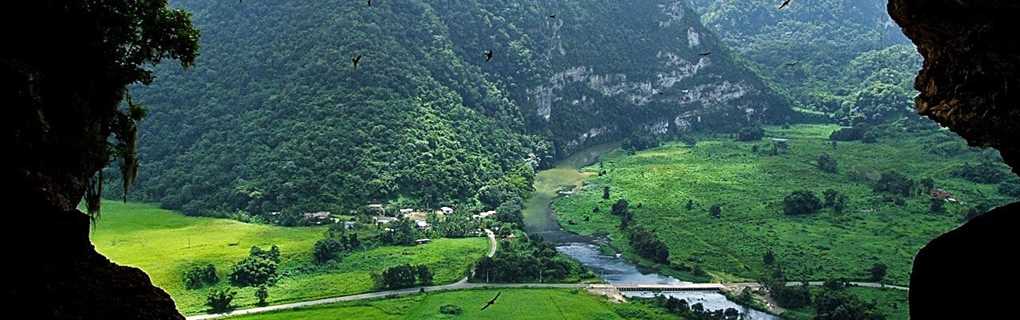
1. Honolua Bay

Honolua Bay is a marine preserve located on the northwest coast of Maui. It’s a snorkeler’s paradise, with crystal-clear waters and an incredible array of marine life. The bay is protected from the open ocean, making it a safe and serene spot for both beginners and experienced snorkelers.

2. The Road to Hana’s Secret Waterfalls

The Road to Hana is famous for its stunning scenery and numerous waterfalls, but there are a few secret spots that only locals know about. These hidden waterfalls are tucked away from the main road and require a short hike to reach. The journey is well worth it, as you’ll be rewarded with breathtaking views and a chance to swim in natural pools.

Always remember to respect the land and leave nothing behind but bubbles and take nothing but memories.

3. Ho’okipa Beach Park

Ho’okipa Beach Park is a windsurfer’s haven, but it’s also a great spot for watching sea turtles. The beach is protected, and during the winter months, you can see these magnificent creatures basking in the sun. It’s a truly unique experience that will leave you in awe.

4. Wai’anapanapa State Park

Wai’anapanapa State Park is home to a stunning black sand beach, ancient Hawaiian temples, and a beautiful coastal hike. It’s a place steeped in history and natural beauty, offering a glimpse into Maui’s rich cultural heritage.

5. Lahaina’s Front Street

Lahaina’s Front Street is a charming historic district filled with shops, restaurants, and galleries. It’s a great place to explore and experience the local culture. Be sure to check out the famous Banyan Tree Park, which is home to one of the largest banyan trees in the United States.

6. Haleakala National Park at Sunrise

Watching the sunrise from Haleakala National Park is an unforgettable experience. The park is home to a dormant volcano, and the early morning hours offer breathtaking views of the sunrise from the summit. It’s a truly spiritual experience that will leave you feeling inspired.

7. Paia Town

Paia Town is a quaint, laid-back community filled with eclectic shops and restaurants. It’s a great place to relax and enjoy the local vibe. Be sure to visit the Paia Fish Market for some of the best seafood on the island.

maui

Responsible Tourism Practices

Leave No Trace Strategies

When exploring these hidden gems, it’s essential to practice leave no trace strategies. This means taking all trash with you, not disturbing the natural environment, and respecting any protected areas. By doing so, we can ensure that these beautiful spots remain pristine for future generations.

Cultural Respect Guidelines

Maui is rich in cultural heritage, and it’s important to respect local customs and traditions. Always be mindful of sacred sites and respect any rules or guidelines provided by local authorities. By showing respect, we can build stronger connections with the community and enhance our travel experience.

Additional Tips for Cultural Respect

Learn a few basic Hawaiian phrases, such as “Aloha” (hello) and “Mahalo” (thank you). This small gesture can go a long way in showing respect for the local culture.

maui

Conclusion: Unveiling Maui’s Best-Kept Secrets

As a travel agent who has had the privilege of exploring Maui extensively, I can confidently say that these hidden gems have left an indelible mark on my travels. From the serene beauty of Ho’okipa Beach to the breathtaking vistas of Wai’anapanapa State Park, each location offers a unique experience that will enrich your journey.

Here’s a quick recap of the top 7 hidden gems in Maui that only locals know about:

Hidden Gem Description
Ho’okipa Beach A haven for surfers and beach lovers alike, known for its consistent waves and stunning sunsets.
Wai’anapanapa State Park Features a black sand beach, ancient Hawaiian temples, and lush tropical landscapes.
Pipiwai Trail A scenic hike leading to the majestic Waimoku Falls, surrounded by lush rainforest.
La Perouse Bay A tranquil spot for snorkeling and exploring marine life.
Maui Tropical Plantation A picturesque plantation offering tram tours and a chance to explore local flora.
Pa’ako Cove (Secret Cove) A secluded beach perfect for relaxation and sunbathing.
Kahanu Garden A serene botanical garden featuring ancient Hawaiian temples and stunning plant species.

As you explore these hidden gems, remember to respect the local environment and culture. Enjoy your journey and let the beauty of Maui leave you with unforgettable memories ?????

Navigating Bali Like a Pro: Transportation, Etiquette, and Cultural Do’s and Don’ts

Bali TOP

Navigating Bali Like a Pro: Transportation, Etiquette, and Cultural Do’s and Don’ts

Bali’s magic lies in its ability to blend adventure with tranquility, but mastering its rhythms requires insider knowledge. As someone who’s navigated every corner of this island, I’ve distilled the essentials to help you move seamlessly through its cultural tapestry.

Transportation Secrets

Forget rigid schedules: Bali rewards the flexible traveler. Private drivers (around $35-$50/day) offer air-conditioned comfort and local insights, while Gojek bike taxis zip through traffic for under $2 per ride. Pro tip: Book drivers through your hotel for vetted professionals.

?? Rental Car Checklist
  • International Driving Permit + original license
  • Compact cars for narrow village roads
  • Confirm insurance covers monsoon conditions

Cultural Navigation 101

Essential Etiquette Guide
Do Don’t
Dress modestly at temples (sarong + sash) Point with your feet or step over offerings
Use right hand for gifts/meals Touch someone’s head without permission

Temple Protocol

When entering sacred spaces, silence your phone and move clockwise around shrines. I always carry a selempang (ceremonial sash) in my bag—many temples rent them, but having your own shows respect.

?? Offering Awareness
Step carefully around canang sari baskets in pathways. These daily offerings contain flowers, rice, and incense—disturbing them breaks the island’s spiritual rhythm.

Monsoon Mastery

November-March brings brief, intense showers. My secret? Embrace the rain—morning markets glow brighter, waterfalls surge dramatically, and resort rates drop. Pack quick-dry clothing and waterproof phone cases.

Bali

Transportation in Bali

Renting Scooters and Motorcycles: Tips and Tricks

Renting a scooter unlocks Bali’s hidden gems, but always verify the vehicle’s condition before accepting it. I recommend:

Essential Rental Checklist
Item Why It Matters
International License Required by law – police checkpoints are common
Helmet Quality Look for ISI certification mark for safety standards
Insurance Coverage Confirm theft/damage protection with rental agency

“Never leave your passport as collateral – use a cash deposit instead. Reputable shops will accept this.”

?? Pro Tip: Navigation Hacks

Download Google Maps Offline for areas with spotty service. Blue Bird taxis make excellent landmarks if you get turned around.

Using Public Transportation: Buses, Bemos, and Kura-Kura

While less common than private transport, Bali’s public options offer authentic experiences:

  • Kura-Kura Tourist Shuttle – Air-conditioned routes between major hubs like Seminyak and Ubud
  • Bemos – Converted minivans following set routes (negotiate fares upfront)
  • Perama Shuttles – Best for intercity travel on a budget

Hiring Drivers and Taxis for Group Travel

For groups of 4+ people, private drivers become cost-effective. My go-to strategy:

  1. Book through reputable agencies like Bali Bible or your hotel concierge
  2. Confirm English proficiency and vehicle AC before committing
  3. Negotiate all-day rates (typically 600K-800K IDR) rather than hourly
?? Taxi Tip
Use the Blue Bird app for metered fares. Avoid unmarked cars at the airport – walk to the official taxi stand.
?? Cultural Navigation Note

When entering temples or sacred sites, your driver will appreciate you removing shoes and wearing a sarong (most keep spares in their trunk).

Bali

Cultural Etiquette in Bali

Understanding Balinese Customs and Traditions

When entering temples, always move clockwise around shrines and altars – this respects the Balinese concept of kaja-kelod (sacred mountain-sea axis). During ceremonies, you’ll notice locals placing canang sari offerings;

.

?? Temple Protocol Quick Guide
Do Don’t
Wear sash & sarong Step on offerings
Keep voice low Point feet at shrines
Receive holy water with right hand Touch priest’s head

Dressing Appropriately for Temples and Ceremonies

For temple visits, both men and women must wear:

  • Sarong around waist
  • Selendang (sash) tied properly
  • Shoulder-covering top

Pro tip: Carry a lightweight shawl – many temples rent sarongs, but having your own ensures perfect fit and hygiene.

“The sash isn’t just decoration – it symbolizes binding negative energies. Watch how locals tie theirs for proper placement.”

Respecting Local Norms and Taboos

Avoid touching anyone’s head (considered sacred) and never use your left hand for giving/receiving items. During Nyepi (Silent Day):

  • Stay indoors from 6AM-6AM
  • No lights/fires after dark
  • No entertainment devices
?? Absolute Taboos
  • Climbing sacred trees
  • Disrespecting Barong masks
  • Public displays of affection

When photographing ceremonies: Always ask permission first, and never stand higher than the priest or ritual participants. If invited to eat, leave a small bite on your plate – finishing everything implies your host didn’t provide enough.

Bali

Navigating Bali Like a Pro: Transportation, Etiquette, and Cultural Do’s and Don’ts

As a seasoned travel agent, I’ve had the privilege of exploring Bali numerous times, and I’m excited to share my firsthand knowledge with you. Bali is a beautiful island with a rich culture, stunning landscapes, and warm-hearted locals. To make the most of your trip, it’s essential to understand the local customs and etiquette.

Engaging with Locals: Dos and Don’ts

Engaging with locals in Bali is a rewarding experience. Here are some dos and don’ts to keep in mind:

  • Do use your right hand when giving or receiving something, as the left hand is considered impolite.
  • Do remove your shoes when entering temples or homes, as a sign of respect.
  • Don’t point with your feet or touch someone’s head, as these actions are considered rude.
  • Don’t eat with your left hand, as this is also seen as impolite.

One of my favorite experiences in Bali was attending a traditional dance performance. The locals were incredibly welcoming, and it was a great way to immerse myself in the culture.

Participating in Local Festivals and Events

Bali is known for its vibrant festivals and events, which offer a unique glimpse into the island’s rich cultural heritage. Here are some tips for participating:

  • Research upcoming events and plan your trip accordingly to experience the best of Bali’s festivals.
  • Respect local customs and dress modestly when attending religious events.
  • Engage with locals by asking questions and showing genuine interest in their traditions.

Avoiding Cultural Faux Pas

To avoid unintentionally offending locals, it’s crucial to be mindful of cultural norms:

  • Avoid public displays of affection, as these are generally frowned upon.
  • Be mindful of dress codes, especially when visiting temples or attending cultural events.
  • Learn a few basic phrases in Indonesian, such as “hello” (halo) and “thank you” (terima kasih), to show respect.
Additional Tips for a Smooth Trip

Always carry a small amount of local currency for incidentals, and consider purchasing a local SIM card for easier communication.

By following these tips, you’ll not only have a more enjoyable trip but also contribute to preserving the beauty and harmony of Bali’s culture.

Bali

Safety and Security Tips

As a seasoned traveler and travel agent, I’ve learned a thing or two about navigating Bali safely. Here are some essential tips to keep in mind:

Staying Safe on the Roads

When it comes to transportation in Bali, it’s crucial to be mindful of the roads. Here are a few tips to ensure your safety:

  • Wear a helmet: If you plan on renting a scooter or motorbike, always wear a helmet. It’s not only mandatory but also vital for your safety.
  • Drive defensively: Be aware of your surroundings and anticipate the actions of other drivers. Bali’s roads can be chaotic, so stay alert.
  • Avoid driving at night: If possible, try to avoid driving after dark, as visibility can be poor and there may be fewer streetlights.

Protecting Personal Belongings

Protecting your belongings is essential when traveling. Here are some tips to keep your valuables safe:

  • Use hotel safes: If your hotel room has a safe, use it to store your valuables like passports and cash.
  • Keep an eye on your belongings: In crowded areas or tourist spots, be mindful of pickpocketing and keep a close eye on your belongings.
  • Use a money belt: Consider using a money belt to carry your cash and important documents securely.

Dealing with Emergencies

In case of an emergency, it’s good to know what to do. Here are some tips:

  • Know local emergency numbers: Familiarize yourself with Bali’s emergency numbers, such as 112 for general emergencies.
  • Have a plan: Make sure someone knows your itinerary and have a plan in place in case you need assistance.
  • Stay calm: In any emergency situation, staying calm and thinking clearly will help you make better decisions.

Traveling is about experiencing new cultures and making unforgettable memories. By being mindful of safety and security, you can focus on enjoying your journey to the fullest.

Bali

Budgeting and Saving Money

Affordable Accommodation Options

For budget stays, consider homestays in Ubud or Canggu – you’ll get authentic Balinese hospitality for under $25/night. Pro tip: Book directly through local hosts on community platforms to avoid third-party fees.

?? Hidden Gem Alert

Look for “losmen” (family-run guesthouses) near temples – they often include breakfast and cultural experiences.

Eating on a Budget: Local Cuisine

Skip tourist traps and head to warungs (local eateries). My go-to spots:

Must-Try Dishes Under $3
Dish Best Area
Nasi Campur Gianyar Night Market
Babi Guling Ibu Oka (Ubud)
Jaje Bali Morning markets near Denpasar

“Never pay more than 15k IDR ($1) for fresh coconut – vendors near beaches often charge triple!”

Free or Low-Cost Activities

?? Sunrise at Sanur Beach beats crowded sunsets elsewhere. Bring your own snorkel gear to explore Blue Point Beach’s tidal pools at no cost.

Join community-led beach cleanups – you’ll meet locals while giving back. Check noticeboards in Canggu cafes for schedules.

???? Free Walking Trails
The Campuhan Ridge Walk in Ubud offers stunning jungle views without entrance fees. Start before 7am to avoid heat.

Bali

Exploring Bali’s Hidden Gems

Off-the-Beaten-Path Destinations

Skip the crowds at Nusa Penida’s Kelingking Beach and head to Peguyangan Waterfall instead. This blue staircase wonder leads to sacred springs and offers panoramic ocean views without the tourist rush.

Discovering Local Markets and Artisans

For authentic souvenirs, visit Sukawati Art Market on Tuesday mornings when artisans bring fresh stock. Bargain respectfully – start at 30% of the asking price and meet halfway.

“The best batik isn’t found in Ubud’s main shops. Ask for Ibu Wayan’s workshop behind Pura Dalem in Mas village – her natural dye techniques date back three generations.”

Market Comparison Guide
Market Specialty Best Time
Gianyar Night Market Street Food 6-8 PM
Guwang Art Market Wood Carvings Weekday Mornings

Experiencing Bali’s Natural Beauty

Most visitors rush to Tegalalang Rice Terrace – instead, hike the Jatiluwih Green Trail at sunrise. The UNESCO-protected fields have maintained their Subak irrigation system for centuries.

Secret Waterfall Protocol

When visiting hidden falls like Tukad Cepung, bring small-denomination bills (10k-20k IDR) for the unofficial “parking attendants”. Arrive before 8 AM to have the turquoise pools to yourself.

Cultural Navigation Essentials

Always carry a selendang (ceremonial scarf) in your bag. Many temples like Lempuyang require proper coverings, and vendors near entrances charge triple the local price.

Transportation Cheat Sheet
  • Blue Bird Taxis: Use their app to avoid price gouging
  • Gojek Bikes: Cheaper than Grab for solo riders
  • Private Drivers: Rp600k/day (negotiate via WhatsApp)

When photographing locals, particularly at ceremonies, always ask permission through gestures if language is a barrier. A smile and raised camera with questioning look suffices.

Bali

Navigating Bali Like a Pro: Transportation, Etiquette, and Cultural Do’s and Don’ts

As a seasoned travel agent, I’ve had the privilege of exploring Bali numerous times, and I’m excited to share my insider tips on how to navigate this beautiful island like a pro. From transportation to cultural etiquette, here’s what you need to know:

Transportation in Bali

Getting around Bali can be quite an adventure. Here are a few options:

  • Taxis and Ride-Hailing Apps: These are convenient for short trips, but be sure to use reputable services like Blue Bird Taxis or Grab.
  • Rent a Scooter: This is a great way to explore the island, but always wear a helmet and be mindful of traffic rules.
  • Private Drivers: For a more personalized experience, consider hiring a private driver for the day.

Cultural Etiquette in Bali

Bali is known for its rich cultural heritage, and respecting local customs is essential. Here are some key do’s and don’ts:

Cultural Do’s and Don’ts

Understanding local customs will enhance your experience in Bali. Here are some additional tips:

Do Don’t
Learn a few basic Balinese phrases like “Selamat pagi” (good morning) and “Terima kasih” (thank you). Don’t litter or disrespect the environment, as Bali is known for its natural beauty.
Engage with locals and learn about their traditions. Don’t remove any temple offerings or sacred items.

Health and Wellness in Bali

Bali offers a unique blend of health and wellness options, making it a perfect destination for those seeking relaxation and rejuvenation.

Staying Healthy: Vaccinations and Precautions

Before traveling to Bali, ensure you have all the necessary vaccinations. Consult your doctor for advice on any specific precautions you should take.

Finding Quality Healthcare

Bali has several high-quality hospitals and medical facilities, especially in major areas like Kuta and Ubud. Research these options before your trip to ensure you know where to go in case of an emergency.

Wellness and Yoga Retreats

Bali is renowned for its wellness retreats, offering a serene environment for yoga, meditation, and other holistic practices. Consider booking a retreat to enhance your spiritual journey.

One of my favorite experiences in Bali was attending a yoga retreat in Ubud. The serene surroundings and expert instructors made it a truly rejuvenating experience.

By following these tips and respecting local customs, you’ll be well on your way to having an unforgettable experience in Bali ?????.

Bali

Navigating Bali Like a Pro: Transportation, Etiquette, and Cultural Do’s and Don’ts

As a seasoned traveler and travel agent, I’ve had the pleasure of exploring Bali numerous times. One of the most important aspects of enjoying your trip is understanding how to navigate this beautiful island effectively. Here are some tips to help you make the most of your Bali adventure:

Transportation in Bali

Getting around Bali can be quite straightforward once you know your options. Here are a few methods I recommend:

  • Taxis and Ride-Hailing Apps: Taxis are readily available, but ride-hailing apps like Grab are more convenient and often cheaper.
  • Rental Cars and Motorbikes: Renting a car or motorbike gives you the freedom to explore at your own pace. Ensure you have an international driver’s license for motorbikes.
  • Private Drivers: Hiring a private driver for the day can be a great way to see multiple sights without worrying about transportation.

Cultural Etiquette in Bali

Bali is known for its rich cultural heritage, and respecting local customs is essential. Here are some key do’s and don’ts:

Cultural Do’s and Don’ts

Understanding local customs can enhance your experience in Bali. Here are some additional tips:

Respecting Local Traditions

During Nyepi, the Day of Silence, refrain from leaving your hotel or making noise. This is a sacred day for the Balinese.

Participate in local ceremonies if invited, but always follow the lead of your host.

One of my favorite experiences in Bali was attending a traditional dance performance. The vibrant costumes and graceful movements were truly mesmerizing.

Additional Tips for a Smooth Trip

To ensure your trip to Bali is enjoyable and stress-free, consider these additional tips:

Tip Description
Stay Hydrated Drink plenty of water, especially when exploring outdoors.
Learn Basic Indonesian Phrases Greet locals with a smile and a simple “Selamat pagi” (good morning) or “Terima kasih” (thank you).
Respect the Environment Avoid single-use plastics and support eco-friendly tour operators.

By following these tips, you’ll be well on your way to experiencing the best of Bali like a pro ??

Bali

Navigating Bali Like a Pro: Transportation, Etiquette, and Cultural Do’s and Don’ts

As a seasoned travel agent, I’ve had the privilege of exploring Bali extensively. Here are some valuable insights to help you navigate this enchanting island like a pro.

Exploring South Bali: Kuta, Seminyak, and Nusa Dua

South Bali is known for its vibrant beaches and bustling nightlife. When visiting Kuta, Seminyak, and Nusa Dua, consider the following tips:

  • Transportation: Rent a scooter to explore these areas easily. Always wear a helmet and follow local traffic rules.
  • Etiquette: Be respectful of local customs, especially when visiting temples. Dress modestly and remove your shoes when required.
  • Cultural Do’s: Enjoy the local cuisine, visit the Uluwatu Temple for stunning sunsets, and explore the vibrant markets for unique souvenirs.

One of my favorite experiences in South Bali is watching the traditional Kecak Fire Dance at Uluwatu. It’s a mesmerizing display of Balinese culture.

Always remember to haggle politely when shopping at local markets. It’s part of the fun and a way to engage with the community!

Discovering Central Bali: Ubud and Surrounds

Central Bali, particularly Ubud, is a haven for art lovers and nature enthusiasts. Here are some tips for exploring this region:

  • Transportation: Use taxis or ride-sharing services for longer trips. For shorter distances, walking or cycling is a great way to explore Ubud’s scenic landscapes.
  • Etiquette: Be mindful of the local environment and respect the sacred sites like the Tirta Empul Temple.
  • Cultural Do’s: Visit the Ubud Art Market for local handicrafts, explore the Monkey Forest, and enjoy a traditional Balinese massage.

Ubud is also famous for its delicious local cuisine. Don’t miss trying the traditional dishes like Nasi Goreng and Martabak.

Visiting North and East Bali: Hidden Treasures

North and East Bali offer a more serene and less crowded experience. Here are some tips for exploring these regions:

  • Transportation: Rent a car for flexibility, as public transport can be limited. Ensure you have a valid driver’s license.
  • Etiquette: Respect the local fishing communities and marine life when visiting coastal areas.
  • Cultural Do’s: Explore the stunning waterfalls, visit the Pura Lempuyang Temple for breathtaking views, and enjoy snorkeling or diving in Amed.

One of the highlights of North Bali is the Dolphin Watching Tour in Lovina. It’s an unforgettable experience to see these majestic creatures in their natural habitat.

Additional Tips for North and East Bali

Be prepared for variable weather conditions, especially during the rainy season. Always carry a light jacket and umbrella.

Overall, Bali is a treasure trove of experiences waiting to be discovered. With these tips, you’ll be well on your way to navigating this beautiful island like a pro ??

Bali

Tips for First-Time Visitors

Planning Your Itinerary

Bali’s magic lies in balancing popular spots with hidden gems. Prioritize Ubud for cultural immersion, but leave room for spontaneous discoveries like Sidemen’s rice terraces or Munduk’s waterfalls.

Learning Basic Indonesian Phrases

While many Balinese speak English, these phrases will earn you smiles:

“Terima kasih” (Thank you)
“Tolong” (Please)
“Di mana toilet?” (Where’s the bathroom?)

Pro tip: Add “pak” (sir) or “ibu” (ma’am) when addressing locals – it shows respect.

Adapting to Local Time and Culture

Bali operates on rubber time – schedules are fluid. When attending ceremonies:

  • Wear a sash (selendang) around your waist
  • Keep shoulders and knees covered
  • Never step over offerings (canang sari)
Cultural Do’s & Don’ts
? Do receive items with your right hand
? Don’t touch anyone’s head (considered sacred)
? Do remove shoes before entering homes
? Don’t point with your index finger – use your thumb instead

Remember: Balinese culture values harmony (Tri Hita Karana). A simple smile and slight bow (sembah) go further than you might think!

Bali

Conclusion: Navigating Bali Like a Pro

As a seasoned travel agent, I can attest that Bali is a paradise that offers so much more than just stunning landscapes and beautiful beaches. Mastering the art of navigating this enchanting island involves understanding its transportation systems, respecting local etiquette, and embracing cultural norms. Whether you’re exploring the vibrant streets of Ubud, the serene beaches of Seminyak, or the majestic temples of Tanah Lot, Bali has something for everyone.

One of the most important tips I can share is to respect local customs. For instance, when visiting temples, it’s essential to dress modestly and remove your shoes when required. This not only shows respect but also enhances your spiritual experience.

Lastly, don’t miss out on the opportunity to immerse yourself in Bali’s rich culture. Attend a traditional dance performance, try local cuisine like nasi goreng and satay, and engage with the friendly locals. By doing so, you’ll not only have a memorable trip but also contribute positively to the community.

Bali is a journey of discovery, not just a destination. It’s about embracing the beauty of nature, the warmth of its people, and the depth of its culture. With these tips, you’ll be well on your way to experiencing Bali like a pro!

Whether you’re a seasoned traveler or embarking on your first adventure, Bali promises to leave you with unforgettable memories. So pack your bags, grab your sunscreen, and get ready to fall in love with this incredible island!

Good Times and Tan Lines: The Ultimate Girls Trip Guide

girls weekend trip TOP

Sun, Sand, and Sisterhood

Pack your favorite swimsuits and leave your worries at home—this guide is your passport to unforgettable memories with your closest friends. Whether you’re planning a beachfront escape or a city adventure, we’ve got the essential tips to keep the vibes high and the drama low.

Packing Like a Pro

Master the art of group packing with these essentials:

Category Must-Haves
Beach Gear Reef-safe sunscreen, waterproof phone cases, Turkish towels
Night Out Portable steamer, statement earrings, blister-prevention balm

“The best trips aren’t about perfect plans—they’re about perfect moments you never saw coming.”

Itinerary Magic

Balance your days with intentional flexibility:

Morning Options

Sunrise yoga sessions • Farmers’ market visits • Café hopping for Instagram-worthy lattes

Remember to schedule down time—whether that means poolside reading hours or spontaneous nap attacks. Your future sun-kissed selves will thank you!

girls weekend trip

Choosing the Perfect Destination

Planning the ultimate girls trip involves more than just picking a random location. It’s about creating an experience that caters to everyone’s interests and preferences. To start, you need to identify activities and interests that your group enjoys. This could range from outdoor adventures like hiking or surfing to more relaxed activities such as spa days or wine tastings.

Identifying Activities and Interests

Consider what your group loves to do together. Are you all about adventure and trying new things, or do you prefer relaxation and unwinding? Here are some questions to ask:

  • Do you enjoy outdoor activities like hiking, biking, or kayaking?
  • Are you interested in cultural experiences such as visiting museums or attending local festivals?
  • Do you prefer relaxing activities like yoga, spa treatments, or simply lounging by the pool?

Once you have a clear idea of what activities your group enjoys, you can start looking for destinations that offer these experiences.

Selecting a Location Based on Events and Environment

After identifying your group’s interests, it’s time to select a location. Consider the environment and any events that might be happening during your trip. For example:

Here are some factors to consider when choosing a location:

Factor Description
Climate Ensure the weather aligns with your planned activities.
Events Check if there are any festivals or events happening during your trip.
Accessibility Consider how easy it is to get to and around the destination.

By carefully considering these factors, you can choose a destination that will make your girls trip truly unforgettable.
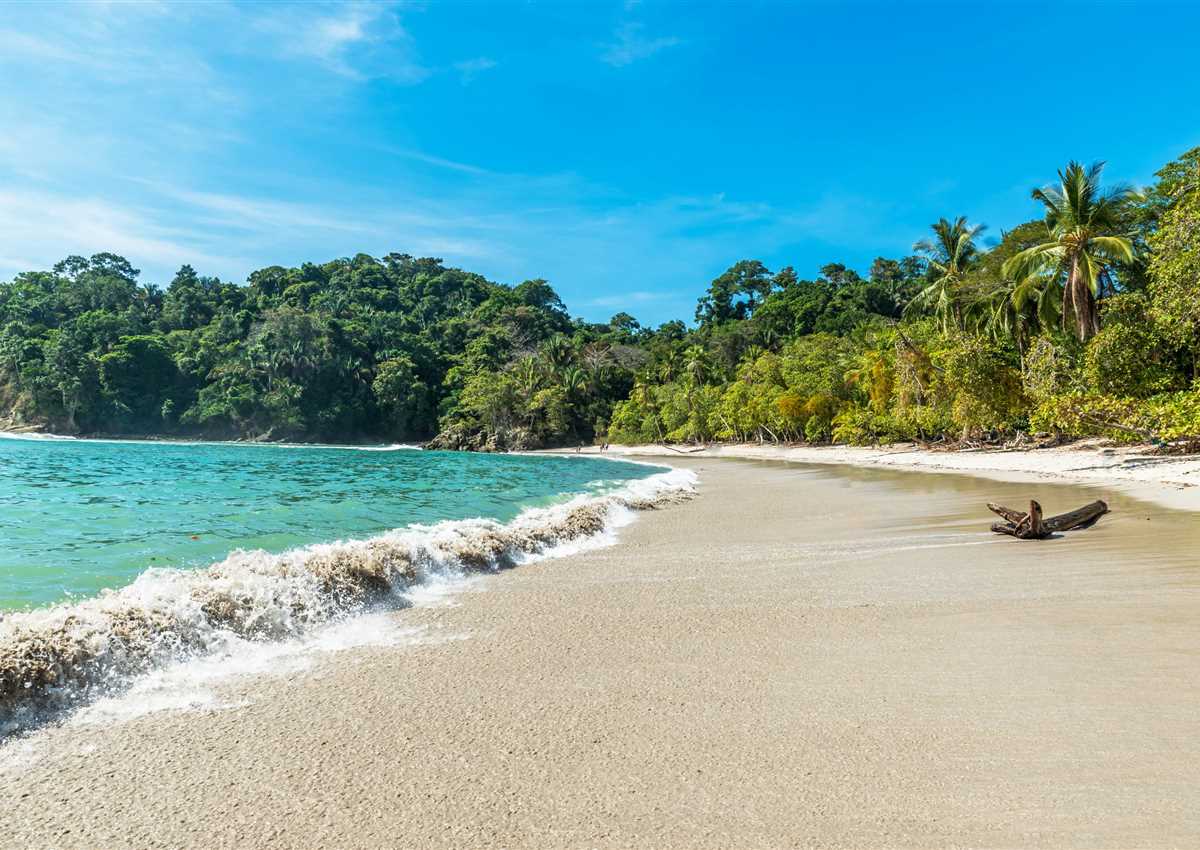
Remember, the key to a successful trip is ensuring everyone has something to look forward to. Whether it’s a scenic hike, a relaxing spa day, or a night out in the city, make sure your destination offers a mix of activities that cater to all interests.

girls weekend trip

Organizing Logistics and Accommodations

Planning the ultimate girls trip requires careful attention to logistics and accommodations. This section will guide you through setting a realistic timeline and making key decisions about travel dates and where you’ll stay.

Setting a Realistic Timeline for Planning

Creating a realistic timeline is crucial for a stress-free and enjoyable trip. Start by setting a rough outline of when you want to travel and how long you have to plan. Consider factors like work schedules, holidays, and personal commitments. Use a shared calendar to mark important dates and deadlines for booking flights, accommodations, and activities.

Here’s a simple timeline you can follow:

Sample Planning Timeline
Task Timeframe
Decide on travel dates 6-8 weeks before travel
Book flights 4-6 weeks before travel
Arrange accommodations 4-6 weeks before travel
Plan activities and outings 2-4 weeks before travel

Voting on Travel Dates and Accommodation Options

Once you have a rough timeline, it’s time to decide on travel dates and accommodations. This is where everyone gets to have a say Use a voting system to ensure everyone’s preferences are considered. You can use online tools like polls or group chats to make decisions easier.

For accommodations, consider options that fit your group’s style and budget. Whether it’s a cozy Airbnb, a luxurious hotel, or a beachside resort, make sure it offers amenities that will enhance your trip experience.
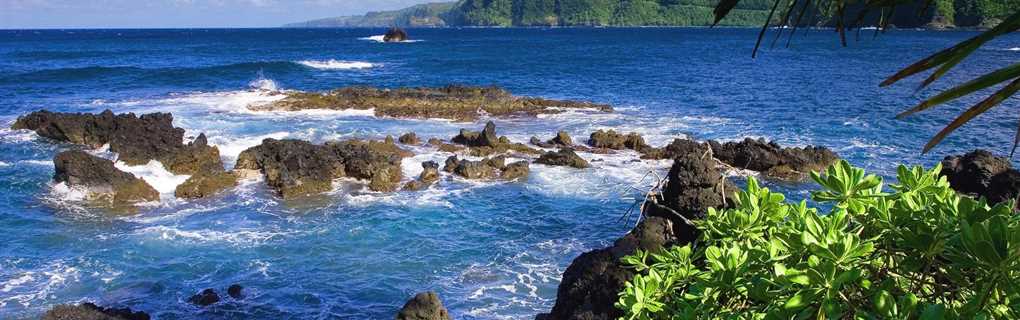
“The right accommodation can make or break a trip. Choose wisely, and don’t be afraid to splurge a little for that extra special experience.”
Lastly, don’t forget to leave some room for spontaneity. While planning is important, it’s also essential to allow for flexibility and unexpected adventures along the way ??.

girls weekend trip

Creating Memorable Experiences

Hosting a Theme Night for Captivating Photos

Transform your girls’ trip into a visual storybook with coordinated theme nights. Pro tip: Choose eras like Disco Fever or Tropical Tiki that work for group photos and solo shots alike.

Theme Night Checklist
  • Color-coordinated outfits
  • Portable backdrop (sheet + fairy lights)
  • Hashtag for social sharing

Exploring Local Attractions and Hidden Gems

Balance your itinerary between iconic landmarks and off-the-radar spots recommended by locals. Example: Swap crowded tourist traps for a sunrise beach yoga session or a private cooking class.

“The real magic happens when you turn wrong turns into secret discoveries” – Travel Blogger Jenna R.

Day Trip Essentials
Item Why It Matters
Portable charger Keep phones alive for navigation and photos
Collapsible water bottle Stay hydrated without bulk

Use detail-oriented planning with spontaneous pockets – schedule morning activities but leave afternoons open for unexpected adventures. Pro tip: Assign each friend a “trip researcher” role for different aspects of the journey.

girls weekend trip

Maximizing the Trip Experience

Planning a girls’ trip can be an exciting adventure, but it requires careful consideration to ensure everyone has a great time. Effective communication and time management are key to making the most of your trip.

Tips for Effective Communication Among Group Members

Effective communication is crucial for a harmonious and enjoyable trip. Here are some tips to enhance communication among group members:

  • Set Clear Expectations: Before the trip, discuss what everyone wants to achieve and what activities are must-haves. This helps manage expectations and avoid misunderstandings.
  • Use Group Chats: Create a group chat where everyone can share ideas, ask questions, and stay updated on plans.
  • Respect Opinions: Encourage open dialogue and respect each other’s opinions, even if they differ.

By fostering an environment where everyone feels heard, you can avoid conflicts and ensure that everyone has a great time.

Communication is the foundation of any successful group trip. It helps build trust and ensures that everyone is on the same page.

Strategies for Managing Time and Energy During the Trip

Managing time and energy effectively is vital to enjoying your trip without exhaustion. Here are some strategies to help you make the most of your time:

Strategy Description
Plan Ahead Create a flexible itinerary that includes downtime and allows for spontaneity.
Prioritize Activities Focus on activities that everyone wants to do, and leave some room for individual preferences.
Take Breaks Ensure everyone gets enough rest and takes breaks when needed to avoid burnout.

By balancing activities with rest, you can maintain your energy levels and enjoy every moment of your trip.

With these strategies, you’ll be well on your way to creating an unforgettable girls’ trip filled with laughter, adventure, and lifelong memories ??.

girls weekend trip

Conclusion: Embracing the Magic of Girls Trips

As you close this guide, remember that the essence of a girls trip lies not just in the destinations or activities, but in the bonds you strengthen and the memories you create. Whether you’re lounging on a sun-kissed beach, exploring vibrant city streets, or simply enjoying each other’s company over a warm dinner, every moment counts. So, pack your bags, grab your best friends, and embark on an adventure that will leave you with tan lines and a heart full of joy.

Here are a few final tips to make your girls trip truly unforgettable:

Tip Description
Plan Ahead Book accommodations and popular activities well in advance to avoid last-minute hassles.
Be Flexible Leave room for spontaneity and unexpected adventures.
Document Memories Capture your experiences through photos and journals to cherish later.

As you reflect on your journey, remember that the laughter, inside jokes, and late-night conversations are what truly make a girls trip special. So, go ahead and plan your next adventure, knowing that the memories you create will last a lifetime ??.

“The best part of a girls trip isn’t the places you go, but the people you share them with.”

With these final thoughts, we hope you’re inspired to start planning your ultimate girls trip. Whether you’re a seasoned traveler or embarking on your first adventure with friends, remember to soak up every moment and enjoy the journey ??.

Adventure Awaits: Planning the Perfect Girls Long Weekend

girls trip TOP

Essential Elements for an Unforgettable Weekend

Gather your closest friends and prepare for a long weekend filled with laughter, exploration, and memories that will last a lifetime. Whether you’re craving mountain hikes, beachside cocktails, or city adventures, the key lies in balancing structure with spontaneity.

Curating Your Adventure

Start by identifying your group’s priorities – do you want relaxation, adrenaline-pumping activities, or cultural immersion? Consider these elements when planning:

Activity Balance Guide
Morning Afternoon Evening
Yoga session Local food tour DIY cocktail hour
Scenic hike Spa treatments Game night

“The best adventures happen when you leave room for unexpected discoveries – schedule one ‘wild card’ day with multiple activity options.”

Packing Smart

Create a shared packing list in a collaborative app like Trello or Notion. Include essentials like:

Must-Have Items
  • Portable phone charger
  • Comfy walking shoes
  • Reusable water bottles
  • Weather-appropriate layers

Remember to assign responsibility for group items like first-aid kits, snacks, and transportation essentials. This collaborative approach ensures nothing gets forgotten while building excitement before the trip.

girls trip

Crafting the Ideal Itinerary

Planning the perfect girls’ long weekend involves creating an itinerary that balances adventure and relaxation while incorporating everyone’s interests and preferences. This delicate balance ensures that each participant feels engaged and satisfied throughout the trip.

Balancing Adventure and Relaxation

To strike the right balance, consider dividing your weekend into segments. For instance, dedicate mornings to invigorating activities like hiking or kayaking, while afternoons can be reserved for relaxation at a spa or by the pool. This mix allows everyone to recharge and enjoy their preferred pace.

Here’s a sample schedule to illustrate this balance:

Sample Weekend Schedule
Time Activity
Morning Hiking or Kayaking
Afternoon Spa Day or Poolside Relaxation
Evening Dinner at a Local Restaurant

By incorporating both active and passive activities, you ensure that everyone has something to look forward to, whether they’re adventure-seekers or relaxation enthusiasts.

Incorporating Group Interests and Preferences

Understanding the diverse interests within your group is crucial for planning a successful trip. Consider conducting a poll or having a group discussion to identify common themes or activities that everyone would enjoy. This could range from visiting local art galleries to participating in cooking classes.

“Involving everyone in the planning process not only ensures that everyone’s preferences are considered but also fosters a sense of ownership and excitement for the trip.”

For example, if some members are interested in art, you could plan a visit to a local museum or gallery. If others prefer culinary experiences, consider booking a cooking class where you can all learn to prepare a new dish together.

Here are some ideas for incorporating diverse interests:

By catering to various interests, you create an inclusive environment where everyone feels valued and entertained.

girls trip

Choosing the Perfect Destination

Factors to Consider: Activities, Events, and Environment

When planning your girls’ getaway, prioritize destinations offering group-friendly activities like wine tastings, spa packages, or outdoor adventures. Consider seasonal events such as food festivals or beachside concerts to add excitement to your itinerary.

Activity Comparison
Relaxation Adventure Culture
Beach resorts Hiking trails Museum tours
Spa retreats Water sports Local cooking classes

Budget-Friendly vs. Luxury Getaway Options

For cost-conscious groups, consider off-season travel or vacation rentals with kitchen facilities. Luxury seekers might enjoy all-inclusive resorts with private excursions and premium amenities.

“The best memories often come from unexpected discoveries – leave room for spontaneity in your plans!”

Budget Breakdown Example

Budget-Friendly: $800-$1,200 per person
Mid-Range: $1,500-$2,500
Luxury: $3,000+

Remember to poll your group about must-have features: ocean views ???, walkable downtowns ???, or private pools ???? can make or break your destination choice.

girls trip

Accommodation Strategies for Group Travel

Airbnb vs. Hotel: Pros and Cons

When planning a girls’ getaway, group dynamics and budget considerations play crucial roles in accommodation choices. Below we break down key differences:

Feature Airbnb Hotel
Cost Efficiency ? Split costs for entire homes ? Per-room pricing
Privacy ??? Shared living spaces ?? Private rooms
Amenities ?? Full kitchens, laundry ?? Daily housekeeping

“Our group saved $300 by booking an Airbnb with a heated pool – worth every penny!” – Recent Traveler

Amenities to Prioritize

These features can make or break your group experience:

Essential Amenities Checklist
  • Multiple bathrooms ??
  • Hot tub/outdoor space ??
  • Full-length mirrors ??
  • Blackout curtains ??

For larger groups, double-check sleeping arrangements – air mattresses or pull-out couches often hide in listing photos. Pro tip: Message hosts about noise policies before booking.

girls trip

Activities to Strengthen Bonds and Create Memories

Planning the perfect girls’ long weekend involves creating activities that not only bring everyone together but also foster lasting memories. Here are some exciting ideas to consider:

Indoor Bonding: DIY Photoshoots and Game Nights

A DIY photoshoot is a fantastic way to capture the essence of your friendship. Set up a backdrop, gather props, and let everyone’s creativity shine. You can even create a mini studio in your living room with backdrops, fun props, and creative lighting. This activity encourages everyone to be themselves and have fun while doing it.

For a more relaxed evening, organize a game night. Choose a mix of board games and card games that everyone can enjoy. You can also include karaoke or movie trivia to keep things lively. These activities help strengthen bonds by promoting teamwork and friendly competition.

“Laughter is the best medicine,” and what better way to fill your weekend with laughter than through fun indoor activities?

Outdoor Adventures: Food Tours and Escape Rooms

For those who love exploring new places, a food tour is an excellent way to experience local cuisine while bonding over shared tastes. Visit different eateries, try new dishes, and enjoy the company of your friends in a vibrant setting.

Another exciting outdoor activity is an escape room. This challenge requires teamwork and problem-solving skills, making it an ideal way to strengthen friendships. You and your friends will work together to solve puzzles and escape a themed room, creating memories that will last a lifetime.

Activity Comparison
Activity Description Benefits
DIY Photoshoot Creative expression and fun Encourages creativity and self-expression
Game Night Teamwork and friendly competition Strengthens bonds through shared experiences
Food Tour Exploring local cuisine Enhances cultural understanding and bonding
Escape Room Teamwork and problem-solving Builds trust and strengthens friendships

These activities are designed to bring out the best in your group, whether you’re indoors or outdoors. By mixing fun with meaningful interactions, you’ll create a weekend that everyone will cherish.

As you plan your adventure, don’t forget to capture the moments. Take plenty of photos, write in a shared journal, or even create a group video to commemorate your time together. These mementos will serve as reminders of the laughter and memories you’ve shared.

girls trip

Final Touches for Your Unforgettable Weekend

As you pack your bags and finalize your itinerary, remember that the magic of a girls’ getaway lies in the shared laughter and spontaneous moments. Whether you’re hiking through scenic trails or enjoying a cozy night in, prioritize connection over perfection.

“The best adventures are those where plans leave room for serendipity – and where good company turns ordinary moments into lifelong memories.”

Essential Reminders

Category Pro Tip
Packing Coordinate outfits in a shared doc to avoid overpacking
Budgeting Use apps like Splitwise for seamless expense tracking
Memories Designate a photo curator to compile everyone’s shots

Coming Home Refreshed

While you’ll inevitably return to reality, the renewed energy from your adventure will linger. Schedule a post-trip video call to relive highlights and start dreaming about your next escape together.

Last-minute checklist

? Confirm transportation times
? Charge all devices
? Download offline maps
? Pack portable phone chargers
? Prepare a shared playlist