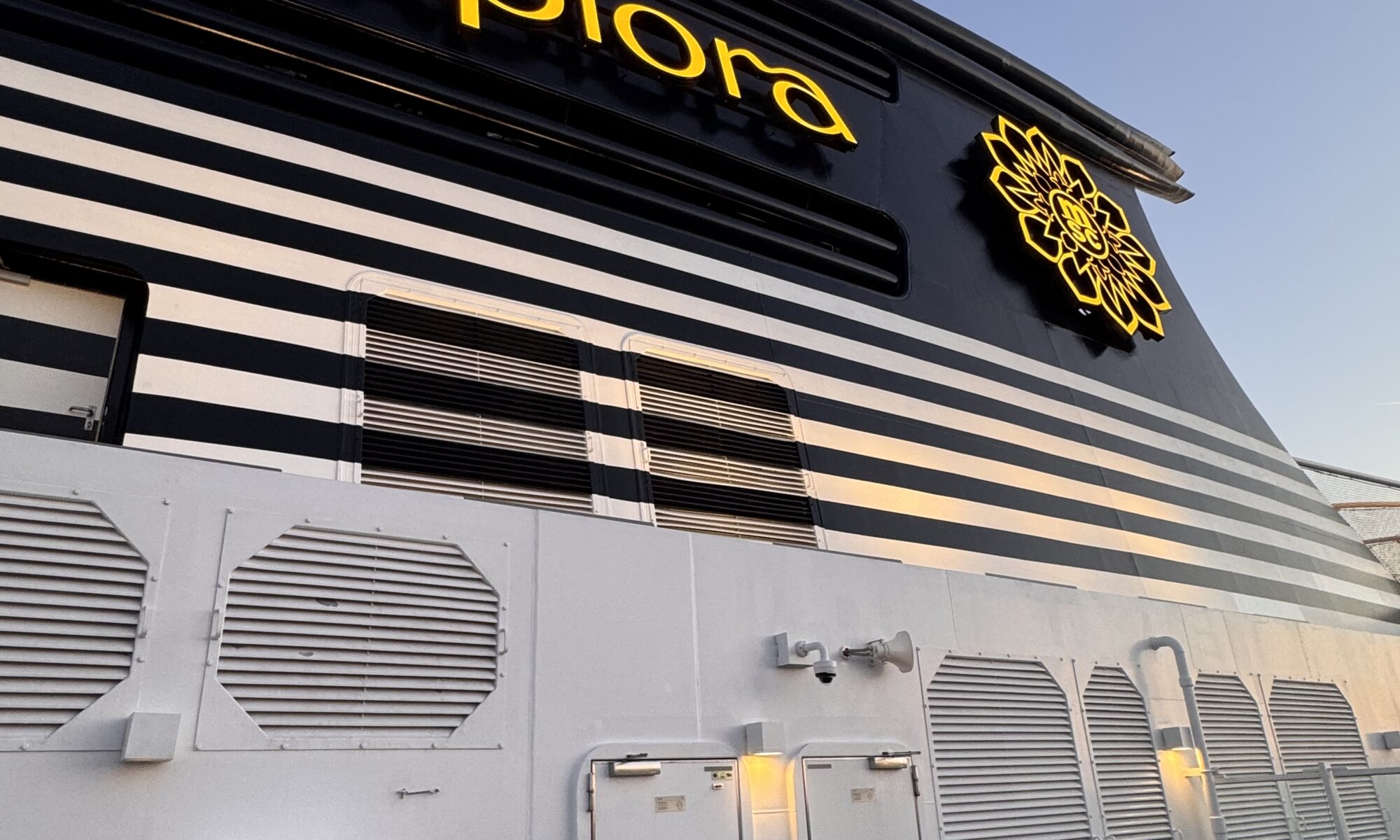
An Ocean State of Mind: Sailing Fusina to Athens Aboard Explora II
If you’ve been watching the luxury travel space lately, you know there has been serious buzz around Explora Journeys—the luxury lifestyle ocean brand created by the MSC Group.
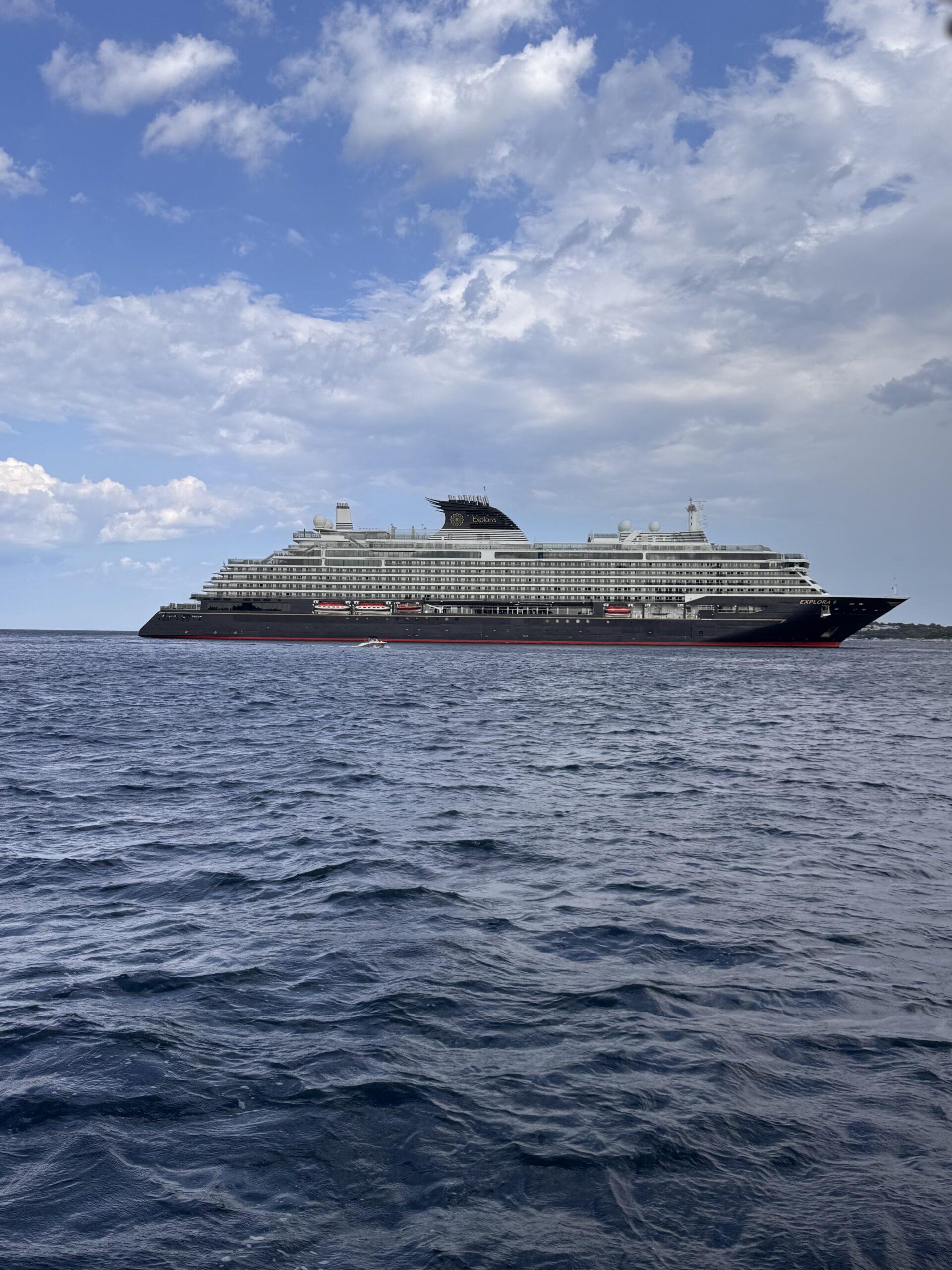
I just stepped off a 7-night voyage aboard their newest ship, Explora II, cruising from Fusina across the Adriatic and Ionian Seas to Athens.
Going in, my expectations were high. Coming off? I am already planning my next booking onboard. Explora isn’t trying to mimic traditional, stiff white-glove cruising. Instead, they built an experience around what they call an “Ocean State of Mind”—a relaxed, European cosmopolitan elegance that feels far more like a boutique coastal resort than a conventional ship. Here is my candid, boots-on-the-ground review of what made this trip exceptional, the standout port highlights, and the minor growing pains to know before you set sail.
First Impressions: Boutique Resort Aesthetics at Sea
The moment you step aboard Explora II, the tone is established: clean architectural lines, warm natural materials, curated art, and floor-to-ceiling ocean views. There are no crowded atrium spectacles, blaring pool games, or jarring public address
announcements. The ship is designed to give you breathing room. Even on sea days around the pools, loungers were plentiful, quiet corners were easy to find, and your personal space was never compromised.
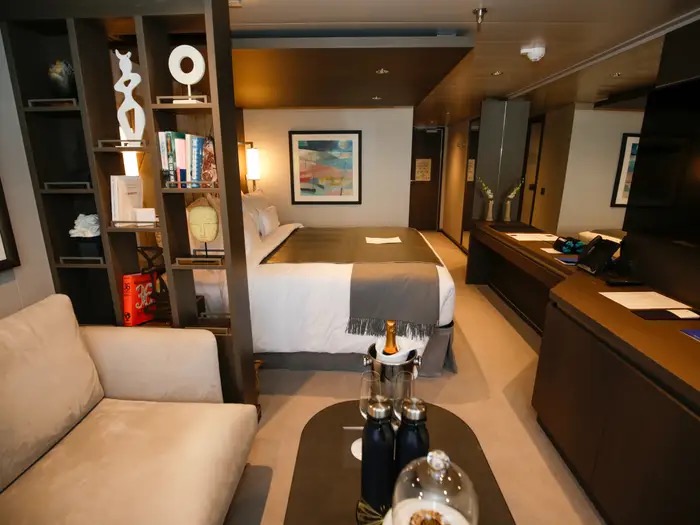
Ocean Suites: Thoughtful Layout and True Usability
The Private Terrace: Deep, shaded, and equipped with a full-sized daybed and dining set rather than basic upright chairs. Watching the Aegean sunrise from your own daybed sets the tone for the entire day.
Dedicated Dressing Room: A proper walk-in closet and vanity area separate from the sleeping quarters, complete with ample garment storage and a Dyson Supersonic hairdryer.
Sleeping & Living Quarters: Custom Frette linens, an exceptionally supportive king mattress, and floor-to-ceiling glass that keeps the water in constant view.
The Food: Redefining Casual & Fine Dining
Luxury lines often talk about elevated culinary programs, but Explora backs it up without nickel-and-diming. With the exception of the curated chef-concept venue Anthology, all specialty dining is included in your cruise fare.
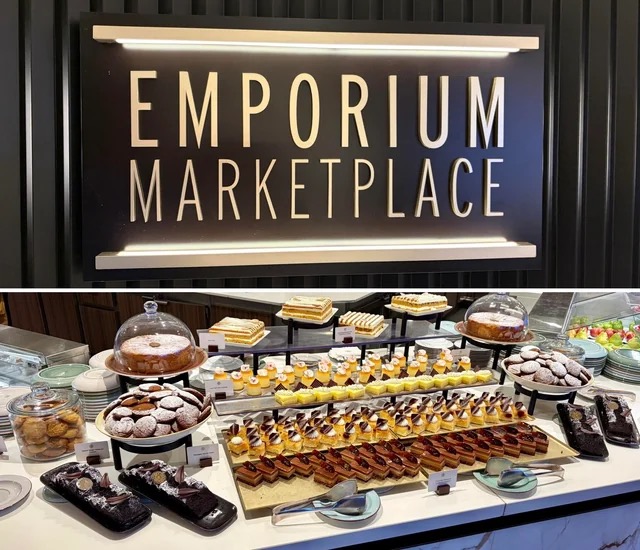
Standout Feature: Fresh-Grilled Lobster at Emporium Marketplace
Forget every preconceived notion you have about a ship’s buffet. The Emporium Marketplace operates like a high-end gourmet food hall with live cooking stations. Fresh lobster tails were grilled to order night after night—sweet, tender, and prepared right in front of you. Combined with daily rotating regional themes and handmade pasta, the culinary execution here blew standard cruise dining out of the water.
Even with the Emporium performing at such a high level, the sit-down venues hold their own: modern Pan-Asian at Sakura, French-inspired fine dining at Fil Rouge, and dry-aged cuts at Marble & Co. Grill deliver focused menus, exceptional plating, and attentive tableside service.
Destination Highlight: The Magic of Milos
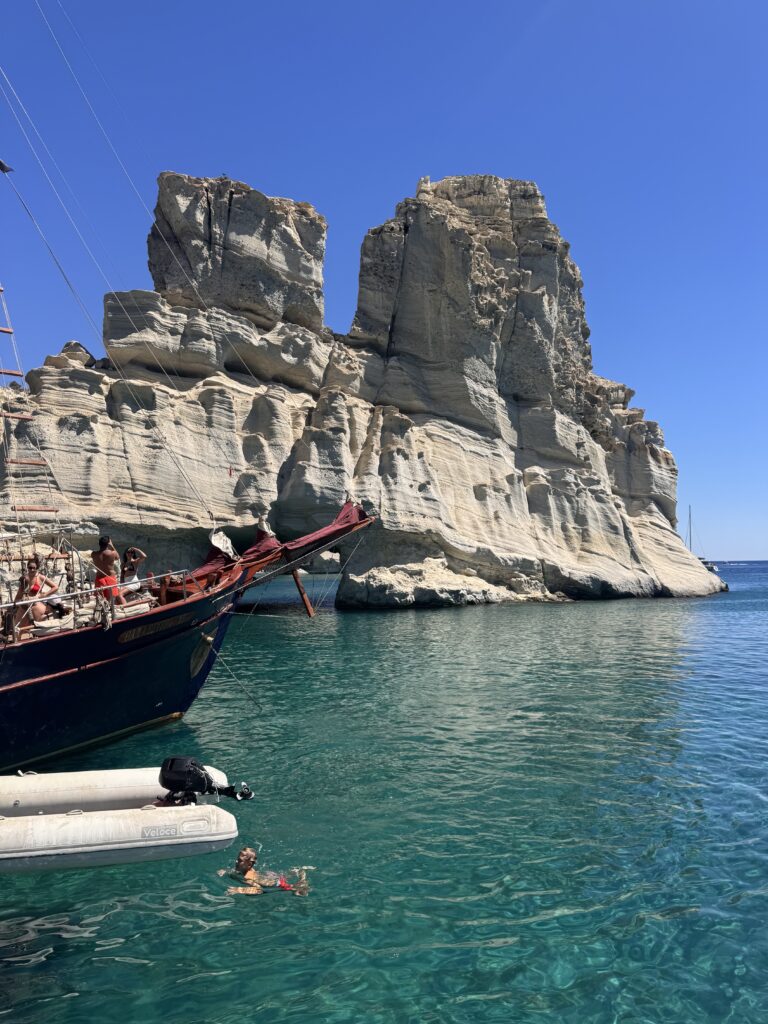
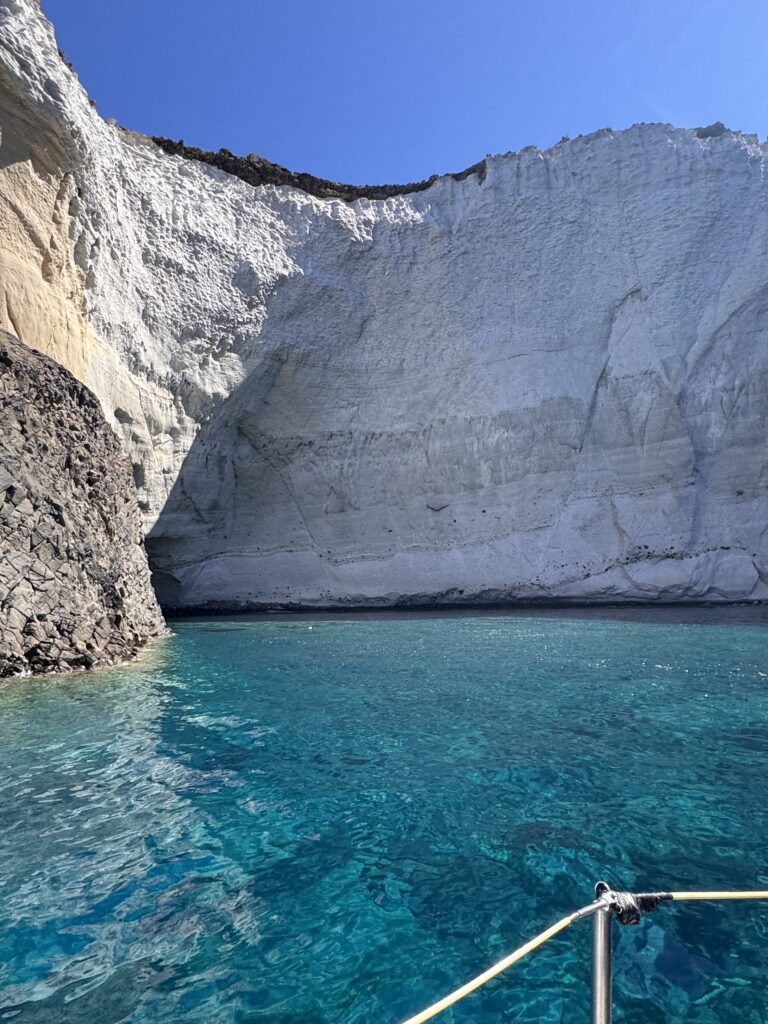
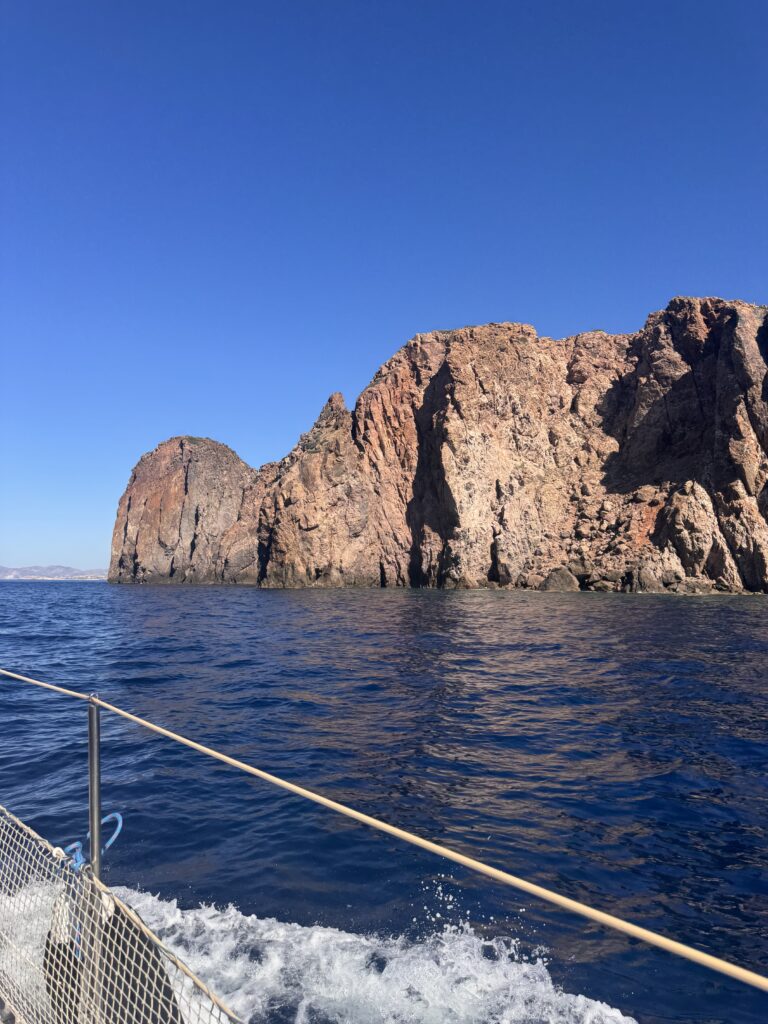
While Explora’s onboard experience makes it tempting to never leave the ship, their itineraries shine in port selection. The absolute peak of this route was Milos, Greece. Striking volcanic white rock formations drop straight into crystalline, electric-turquoise water. Dropping into the clear Aegean Sea off the dramatic coastline was easily the highlight excursion of the entire week, followed by incredible sun-drenched Greek food at local seaside tavernas. Logistically, Explora’s tender operations—often a major bottleneck for luxury lines in smaller ports like Rovinj and Milos—were organized, swift, and completely stress-free.
Atmosphere & Entertainment
Explora opts out of standard production theater revues, and the ship is significantly better for it. Entertainment is intimate and spread naturally across multiple lounges: live acoustic guitar, late-night jazz sets, DJ sessions on the pool decks, and fun music trivia nights that draw great crowds without ever feeling loud or forced.
The Balanced Take: Minor Growing Pains
Lobby Bar Pacing: During peak pre-dinner cocktail hours, staffing at the central lobby bar could get stretched. The craft drinks were top-shelf once served, but wait times could be slower than at the poolside bars or specialty venues.
Housekeeping Details: The stateroom attendants were warm and helpful, but small proactive details—such as ensuring fresh shore towels were in the suite prior to tender mornings—occasionally required a quick reminder.
Ready to Experience Explora Journeys?
Explora Journeys has managed to craft something distinct in the luxury market: elevated without the pretension, cuisine that genuinely competes with land-based fine dining, and sleek, design-forward ships that let the sea be the star. If you are considering a voyage on Explora I or Explora II, booking with a travel advisor gives you access to exclusive signature amenities—including complimentary journey experience credits, custom welcome amenities, and dedicated itinerary planning.
There’s an old piece of travel wisdom that refuses to die: “Just wait until the last minute, and the cruise line will give away empty cabins for pennies on the dollar.”
We hear it all the time. On paper, it sounds like pure economic logic: an empty stateroom earns zero dollars once the ship pulls away from the pier. But in today’s cruise landscape, relying on last-minute bargains isn’t a savvy travel hack—it’s often a fast track to disappointment, sky-high airfares, and compromised vacations.
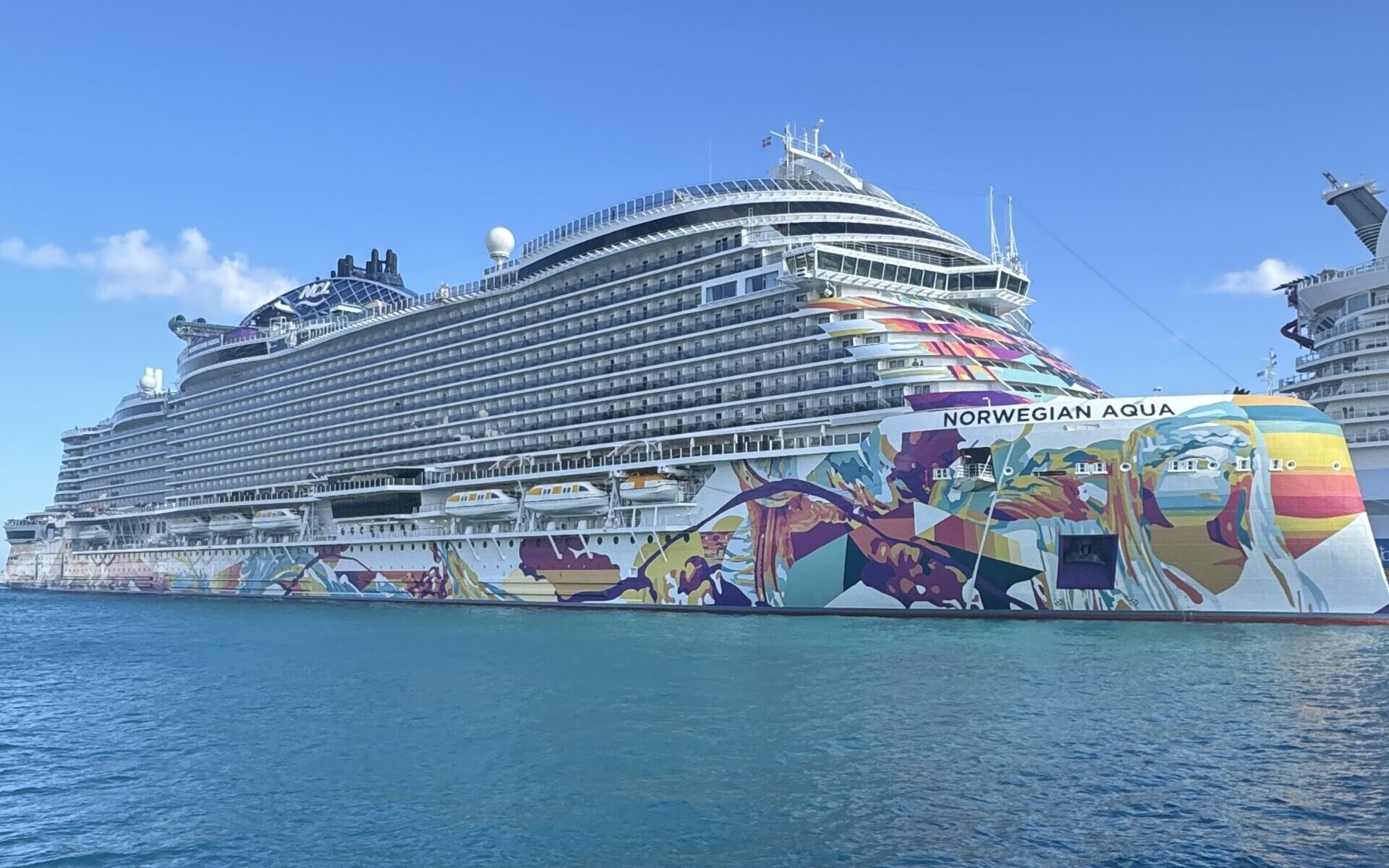
Modern cruise ships like the Norwegian Aqua rely on dynamic pricing algorithms, making early bookings the best way to secure prime stateroom locations and locked-in rates.
The rate locked in on day one becomes your ceiling—never your floor.
Where Did the “Wait for Last-Minute Deals” Myth Come From?
Twenty years ago, waiting until 30 to 60 days before sail date actually worked.
In the late 1990s and early 2000s, cruise lines built massive capacity faster than booking technology and consumer demand could keep up. When final payment deadlines passed and cancellations rolled in, revenue management teams panicked about leaving berths empty. To fill hulls and drive onboard spending, cruise lines slashed base fares to the bone just weeks before embarkation.
Travel forums, word-of-mouth bragging, and bargain sites cemented this tactic into cruiser folklore. But the cruise industry has changed dramatically since then.
Why Cruise Lines Declared War on Last-Minute Fire Sales
If you follow executive commentary across major brands like Royal Caribbean, Carnival Corporation, and Norwegian Cruise Line, you’ll notice a clear, unified message: fire sales are officially a thing of the past.
Rewarding Early Bookers: Lines want guaranteed cash flow 12 to 18 months in advance, reserving their best perks for planners.
Dynamic Pricing Algorithms: Ships use yield-management software mirroring airlines. As cabins fill, remaining staterooms get more expensive, not cheaper.
Protecting Brand Equity: Slashing prices right before sail date infuriates loyal cruisers who booked a year in advance and paid standard rates.
The Reality: Last-Minute Booking vs. Booking Early
Waiting for Last-Minute
Booking Early + Price Tracking
Leftover cabins (noisy decks, obstructed views)
Exact stateroom & deck of your choice
High risk of separated rooms for families
Guaranteed connecting staterooms
Spiked last-minute airfare costs
Lower scheduled flight options
Sold-out dining times & popular excursions
Prime dinner seatings secured early
Paying whatever remains on the market
Lowest historical rate via automatic re-fares
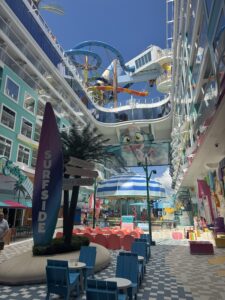
The ultimate family vacation spots like the Surfside neighborhood are high demand and often sell out early, making last-minute deals non-existent for key categories like the requested connecting staterooms.
Why Last-Minute Booking Is a Nightmare for Families
If you are traveling with kids and anchored to a school calendar, waiting for a last-minute deal is the single worst booking gamble you can make. Here is why:
Spring Break, Summer, and Holidays Never Need Fire Sales
Peak family travel periods—Spring Break, Thanksgiving, Christmas, New Year’s, and mid-summer—routinely sell out months in advance. Cruise lines have zero incentive to discount staterooms when hundreds of thousands of families are competing for the exact same vacation weeks.
Connecting Staterooms Disappear First
Ask any parent who cruises with kids: connecting cabins are the holy grail. They give parents privacy while keeping children safe in their own adjacent room through a secure interior door. On any mega-ship, true connecting cabins represent only a small fraction of total staterooms. These categories are often the very first to sell out—routinely 9 to 18 months before departure. By the time final payment rolls around, they are long gone.
The Lifeboat Muster Limit Trap
Even if a ship appears to have open cabins online, strict international maritime safety laws cap the total guest capacity per lifeboat muster zone. Once that zone hits its maximum passenger count, the cruise line cannot allow 3rd or 4th guests in any cabin within that zone—even if the room physically has bunk beds or sofa pullouts available.
The Smart Solution: Lock In Early & Let Us Track the Drops
You don’t have to gamble your family’s vacation or obsess over market timing. There is a simple, stress-free strategy that secures the exact stateroom you want without ever overpaying:
Lock In Prime Inventory Early: Placing a deposit 9 to 18 months in advance secures your ship, target sail dates, and must-have accommodations—especially side-by-side connecting staterooms or family suites.
Establish Your Absolute Price Ceiling: The fare locked in at booking becomes the absolute maximum amount you will ever pay. If prices rise as the ship fills up (which happens on the vast majority of sailings), you are completely protected.
Automated Price-Drop Re-Fares: Prior to your final payment deadline, cruise fares can be adjusted if new sales or lower rates appear. Instead of you checking fares every morning, our monitoring tools watch your sailing continuously. If the price drops or a superior promotion launches, we re-fare the reservation to save you cash or add onboard spending credits.
Waiting until the last minute treats your hard-earned vacation like an unpredictable gamble. It works fine if you have complete flexibility, no itinerary preference, and live a short drive from the port. But if you value specific cabin locations, prime dining seatings, or seamless family travel, early booking is undefeated.
The rate you secure today isn’t a gamble—it’s your ceiling, never your floor.
What if your vacation wasn’t just about getting to the destination, but about actually enjoying the journey along the way?
That was exactly what drew me to Canyon Spirit Railroad.
This past May, I had the opportunity to experience a unique journey through some of the most beautiful scenery in the American West, traveling by train from Salt Lake City, Utah, to Denver, Colorado. Along the way, we made stops in Moab and Glenwood Springs, stayed in comfortable upscale hotels, enjoyed incredible scenery from the train, and had opportunities to explore each destination either independently or through excursions arranged as part of the trip.
After experiencing it for myself, I can tell you this was much more than simply taking a train from one city to another. Canyon Spirit combines the romance of rail travel with the comfort and convenience of a thoughtfully planned vacation. It is a slower, more relaxed way to experience the American West, and for me, that was part of what made it so special.
The Journey Begins in Salt Lake City
Our adventure began in Salt Lake City, where we stayed at The Grand America. Canyon Spirit takes care of the lodging arrangements throughout the journey, with accommodations generally being comfortable 4- or 5-star hotels in convenient locations. The exact hotels can vary, but our experiences with each of the properties were excellent.
One of the features I appreciated most was the luggage service. Canyon Spirit handles your luggage from the beginning of your journey until you arrive in Denver. Each morning, our luggage was picked up directly from our hotel room and transported ahead to our next destination. When we arrived at our next hotel later that day, our luggage was already waiting for us in our room.
That might sound like a small detail, but it makes a huge difference. There was no dragging suitcases through train stations, loading and unloading luggage every day, or trying to figure out where to store everything while we explored. We simply kept a small day bag with us, and Canyon Spirit took care of the rest.
Our hotels included The Grand America in Salt Lake City, Element by Marriott in Moab, The Maxwell in Glenwood Springs, and Hotel Indigo in Denver. Again, the specific properties may vary, but the overall focus is on comfortable accommodations that are conveniently located for the itinerary.
Life Aboard the Canyon Spirit Train
Once we boarded the train, I quickly realized that the train itself was going to be a major part of the experience rather than simply our transportation between destinations.
The seats were wide and comfortable, with plenty of room to settle in and enjoy the ride. Each seat had its own tray table and charging ports, and there was room underneath the seat in front of you for a small personal bag. Because your larger luggage travels ahead to the hotel, you’ll want to make sure your day bag contains anything you may need while you’re onboard or exploring that afternoon.
But the real star of the train is the view.
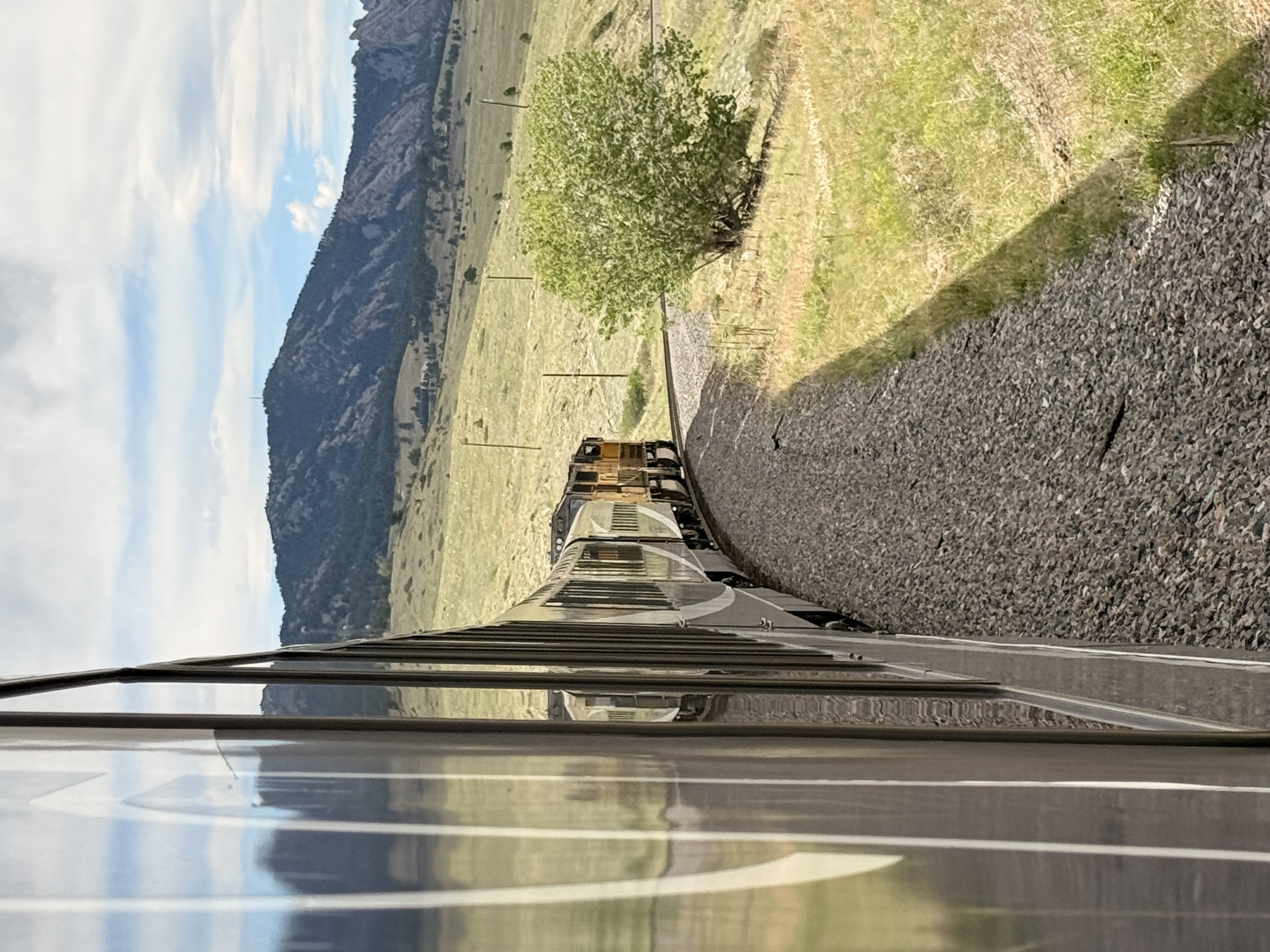
The windows are enormous, providing expansive panoramic views of the mountains, canyons, and Colorado River. Instead of concentrating on the road or worrying about navigating unfamiliar territory, we could simply sit back and watch the landscape change outside our windows.
And there was always something to see.
We spotted horses, cows, goats, mule deer, bald eagles, and even bears during our journey. We watched people rafting down the Colorado River and others fishing along the banks. We passed through dramatic mountain scenery and caught views of landmarks such as Mount Garfield. There were constantly changing landscapes and little moments that made you want to keep your eyes on the window because you never knew what you might see next.
And then there were the occasional “full moons,” if you know what I mean!
Let’s just say that not everything we saw from the train was wildlife.
Don’t Forget the Outdoor Platforms
One of my favorite features of the train was something that could easily be overlooked: the outdoor viewing platforms.
At various points during the journey, we could step outside onto the platforms between the train cars. These became one of my favorite places to spend some time. They were a wonderful opportunity to stretch your legs, breathe in some fresh mountain air, and experience the scenery without the glass of a train window between you and the landscape.
Standing outside as the train moved through the mountains and along the river gave the journey an entirely different feeling. You could hear the train, feel the movement, smell the fresh air, and take in the scenery from an unobstructed perspective. Of course, you need to follow the onboard safety guidelines when using the platforms, but when conditions allowed, they were a fantastic addition to the experience.
The Premier Package
We chose the Premier Package for our journey, and I think it added some worthwhile extras to the experience.
One of my favorite perks was access to the private Lounge Cars. They provided additional space to relax, visit with fellow passengers, enjoy a cocktail, or simply find a comfortable seat near the windows and watch the scenery roll by. It became a gathering place throughout the trip, and we enjoyed spending time there between meals and excursions.
The bar service was another highlight. The cocktails were well prepared, and the selection included quality, top-shelf spirits such as Woodford Reserve. This wasn’t the kind of train experience where you were settling for a basic drink simply because you were traveling. The overall bar service felt thoughtful and elevated, which fit nicely with the Premier experience.
Our bartender, Sophia, deserves a special mention. She was attentive, friendly, and genuinely enjoyable to spend time with. By the end of the trip, she felt less like our bartender and more like someone we had known for much longer.
The Premier Package also included a whiskey tasting, which was a fun opportunity to try and learn a little more about the spirits being featured. We also enjoyed additional food experiences, including a tasting table featuring local honey and cheeses. Those little extras gave us another reason to spend time in the lounge and made the onboard experience feel more like part of the vacation rather than simply a way to pass the time.
The Food Was Part of the Experience
I was pleasantly surprised by the quality of the food onboard. The meals felt thoughtfully prepared, and the dining service was attentive without feeling overly formal. There was a nice variety of options, and the menu incorporated local touches that made the dining experience feel connected to the destinations we were traveling through.
Rather than feeling like typical “train food,” the meals were something I genuinely looked forward to. I enjoyed everything from breakfast tacos and a prawn Cobb salad to chicken and rice, along with some delicious pastries and desserts along the way. We were also offered snacks throughout the day in the lounge, ranging from nuts and crackers to charcuterie, cheeses, and local honey.
The combination of good food, attentive service, cocktails from the bar, and those little tasting experiences made dining onboard feel like another part of the vacation. It was easy to settle into the rhythm of the journey: enjoy the scenery, have something good to eat or drink, relax for a while, and watch the world go by.
Moab: Red Rocks, Arches and Adventure
Our first major stop was Moab, and this is where you really get to choose your own adventure. Canyon Spirit offers excursions that can be arranged as part of the journey, but you can also explore independently if you prefer.
For our time in Moab, I chose the Arches National Park Tour with Moab Adventure Center, and I was so glad I did. One of the things that made the excursion particularly convenient was the seamless transition from the train to the tour. When we arrived in Moab, the Moab Adventure Center was waiting for us right at the train.
There was no need to arrange transportation or figure out how to get from the train station to the tour. We simply stepped off the train and started our adventure.
Our guide took us to several beautiful areas of Arches National Park, with opportunities to stop for photographs, take in the scenery, and do some light hiking with the group. Our tour guide was fantastic and added so much to the experience. Having someone who knew the area, understood the history, and knew where to stop allowed us to see much more than we probably would have on our own.
And the scenery was incredible.
The massive red rock formations, natural arches, blue skies, and rugged desert landscape make Moab one of those destinations that photographs simply don’t do justice. It was a completely different landscape from what we experienced from the train, which is one of the things I enjoyed most about this itinerary. Every stop felt different.
Glenwood Springs: Hot Springs, Art and Small-Town Charm
From Moab, our journey continued to Glenwood Springs, which offered yet another completely different experience.
Glenwood Springs has a charming, artsy personality, and during our visit, an Arts Festival was taking place in town. We found local artists and vendors selling unique artwork, handmade items, and plenty of interesting goodies. It was a fun way to experience the local community and gave us a chance to wander around and enjoy the town at our own pace.
Of course, one of the biggest attractions in Glenwood Springs is the natural hot springs.
Visitors have a couple of great options for spending the day soaking in the mineral-rich waters. Glenwood Hot Springs Resort is the classic choice, while Iron Mountain Hot Springs offers a more intimate experience with multiple soaking pools. Iron Mountain also has an adults-only section, which is a nice option for couples or anyone looking for a quieter experience.
After spending time traveling and exploring, relaxing in the hot springs was a wonderful way to slow down and enjoy our time in Glenwood Springs.
The Journey Is the Destination
One of the things I enjoyed most about this trip was that I never felt like I was constantly rushing to the next destination.
When you take a traditional road trip, you spend a lot of time thinking about the logistics. Who is driving? Where do we park? How long until the next stop? Where are we going to eat? Where are we going to stay? What do we do with our luggage?
Canyon Spirit takes many of those details off your plate.
The hotels are arranged for you. Your luggage is transported ahead. Excursions can be arranged in advance. Meals and snacks are available onboard. And instead of watching the road, you’re watching the scenery.
That leaves you with something we don’t always get enough of when we travel: time to simply enjoy where you are.
Arriving in Denver
Eventually, our journey brought us to Denver, where the train portion of our adventure came to an end.
Our hotel, Hotel Indigo, was located directly across from the train station, which was incredibly convenient. After several days of traveling through some spectacular scenery, it was wonderful to step off the train and have our hotel just across the street.
Denver also makes an excellent place to extend your vacation. There are plenty of activities to enjoy, whether you choose to arrange them through Canyon Spirit or explore the city independently.
For us, arriving in Denver felt a little bittersweet. We had spent several days getting to know the train, the crew, our fellow travelers, and the rhythm of this very different way of traveling. Suddenly, the train journey was over.
Is a Canyon Spirit Journey Worth It?
After experiencing Canyon Spirit for myself, I think this is one of those vacations that is absolutely worth considering if you’re looking for something different.
You’re not simply paying for transportation from Salt Lake City to Denver. You’re paying for an experience that combines scenic rail travel, comfortable accommodations, luggage service, onboard dining, quality bar service, excursions, and the opportunity to experience several destinations without the hassle of driving between them.
But I think the biggest value is something that is harder to put a price on: **the ability to slow down and enjoy the journey.**
From the red rocks of Moab to the hot springs of Glenwood Springs, from the Colorado River and towering mountains to Mount Garfield, from bald eagles and mule deer to the unexpected sight of a bear, there was always something to look at.
We stepped outside onto the viewing platforms for fresh air and unobstructed scenery. We relaxed in the lounge with cocktails and new friends. We enjoyed good food and whiskey tastings. We listened to stories about the communities and people along the route. And sometimes, we simply sat by the window and watched the landscape roll past.
It was comfortable. It was relaxing. It was scenic. It was fun.
And most importantly, it was different.
We often spend so much time trying to get to our destination that we forget the journey can be part of the vacation, too. Canyon Spirit reminded me that sometimes, getting there can be just as memorable as being there.
If you’re looking for a unique way to explore the American West—and want a vacation where someone else handles the driving, the luggage, and many of the logistics—I think a Canyon Spirit journey is one worth putting on your travel list.
And if you’re wondering whether this type of trip would be a good fit for you, I’d be happy to help you explore the possibilities and put together an itinerary that fits the way you like to travel.
They say you never take the same Disney trip twice.
But you also never take the same kids—or family—twice.
And after this trip, I don’t think I’ve ever believed that more.
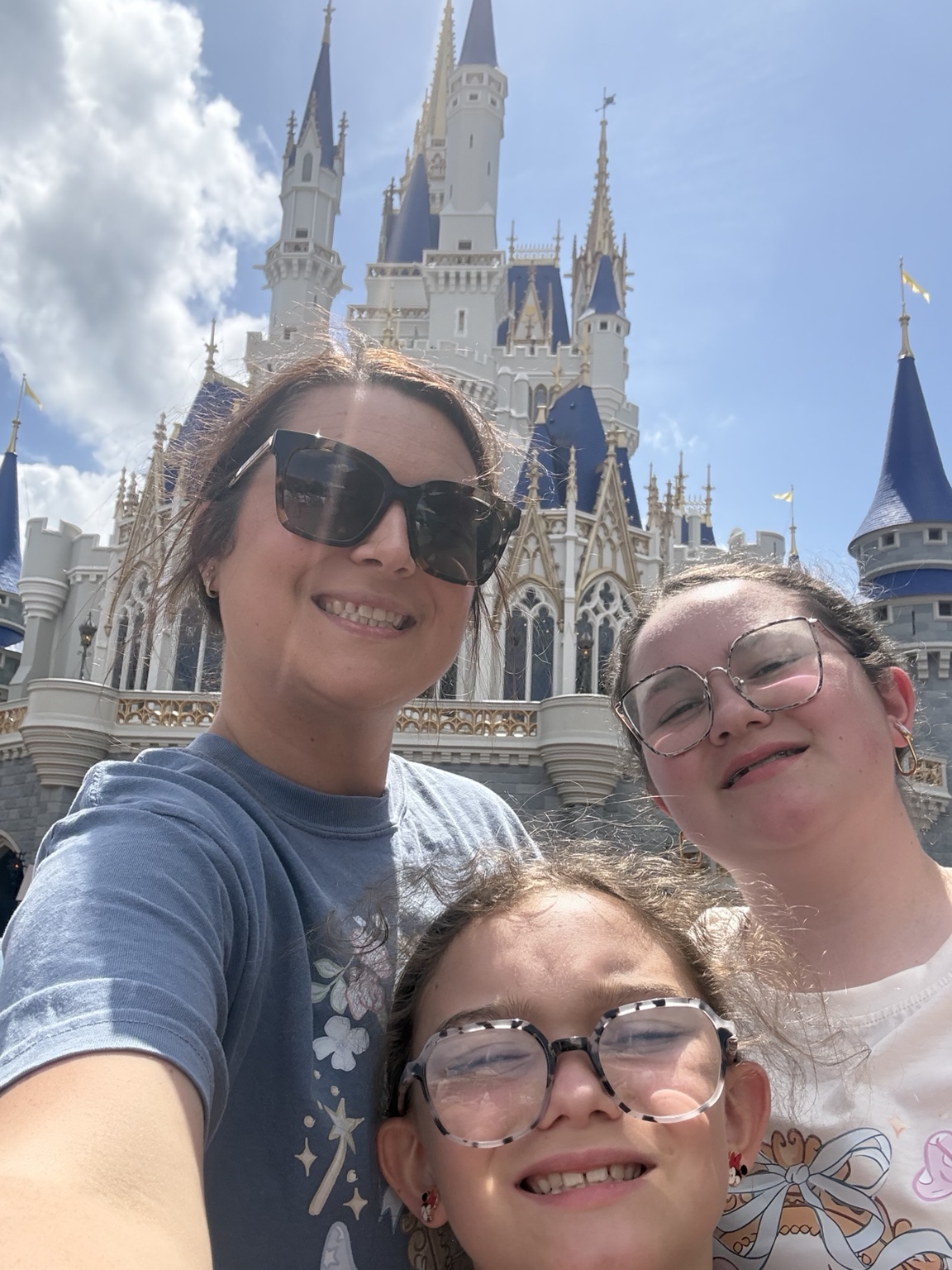
We headed back to Walt Disney World for my birthday and our last big blowout trip before beginning to explore some new destinations with the kids.
And I had this trip PLANNED.
Seven park days, including Mickey’s Not-So-Scary Halloween Party. Dining reservations made. Lightning Lanes booked. Plenty of time in our favorite parks.
I plan Disney vacations for a living. Surely I had this under control.
Disney—and my children—had other plans.
It rained. A LOT. It was HOT. Like smoldering. Rides went down, plans changed, and we took more naps and spent more time at the pool than we ever have on a Disney vacation.
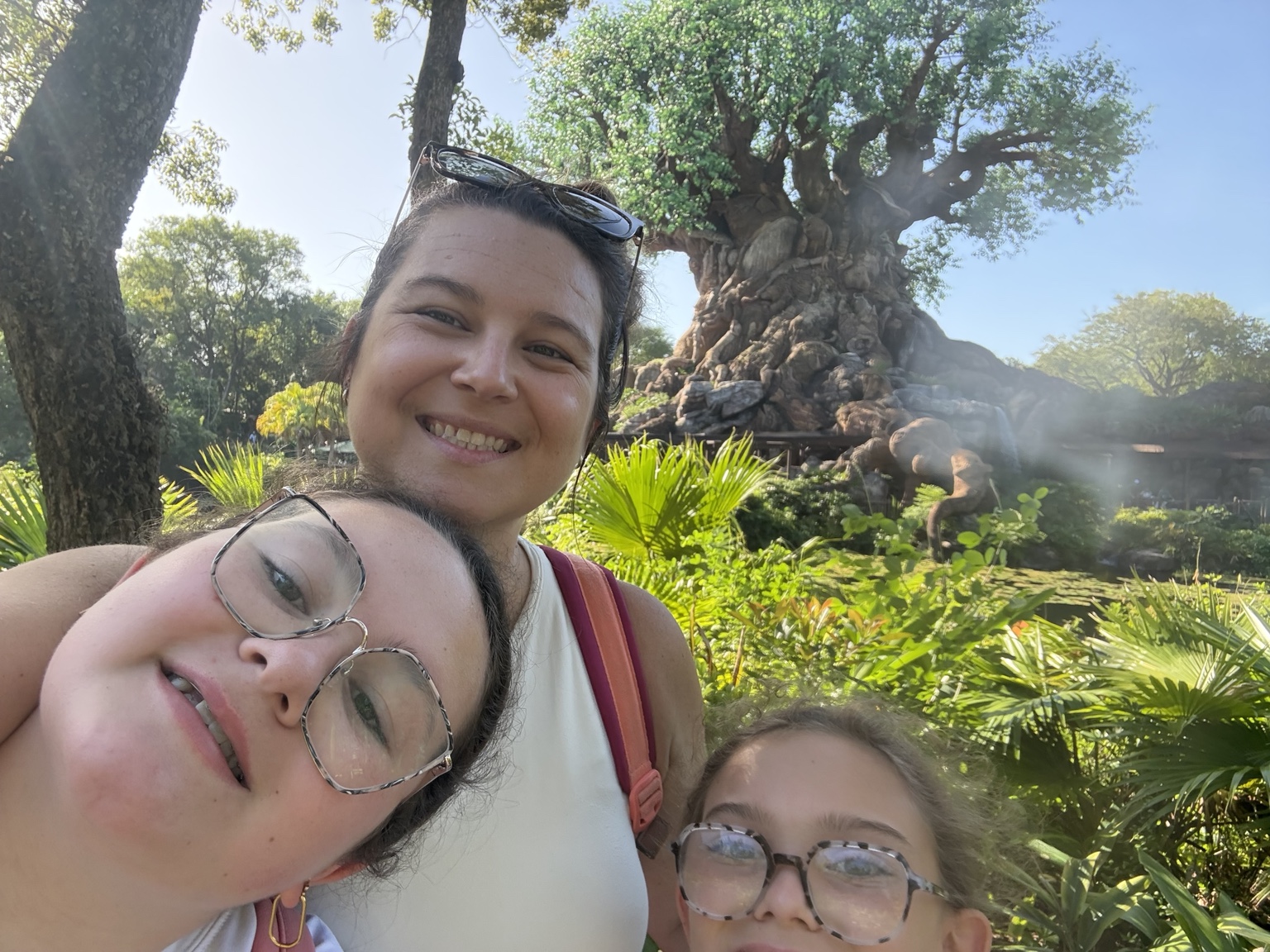
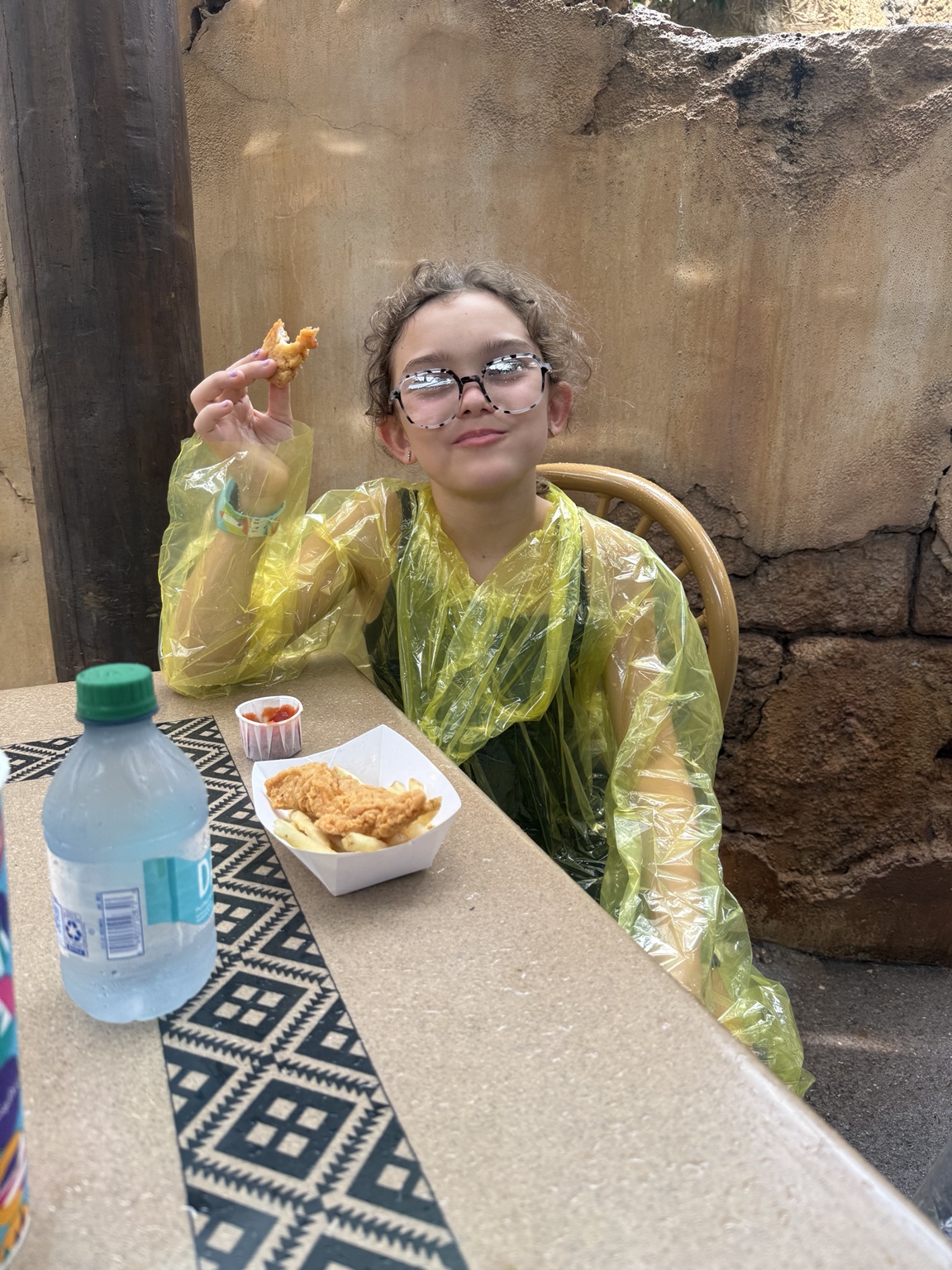
Meanwhile, Ella, my 9-year-old, spent the week judging basically every thrill ride against TRON while maintaining an ever-growing list of grievances against me. Emma, my 12-year-old, mostly came for the snacks and took on the very important responsibility of keeping everyone—including her mother—in line.
Somewhere along the way, I stopped worrying quite so much about following the trip I had planned and started embracing the spontaneity it was becoming.
Because maybe the best Disney plan isn’t one you follow perfectly. It’s one planned well enough that when Disney—or your kids—change the plan, you can roll with it without losing the trip.
And this trip definitely did NOT go according to plan.
Back Home at Pop Century
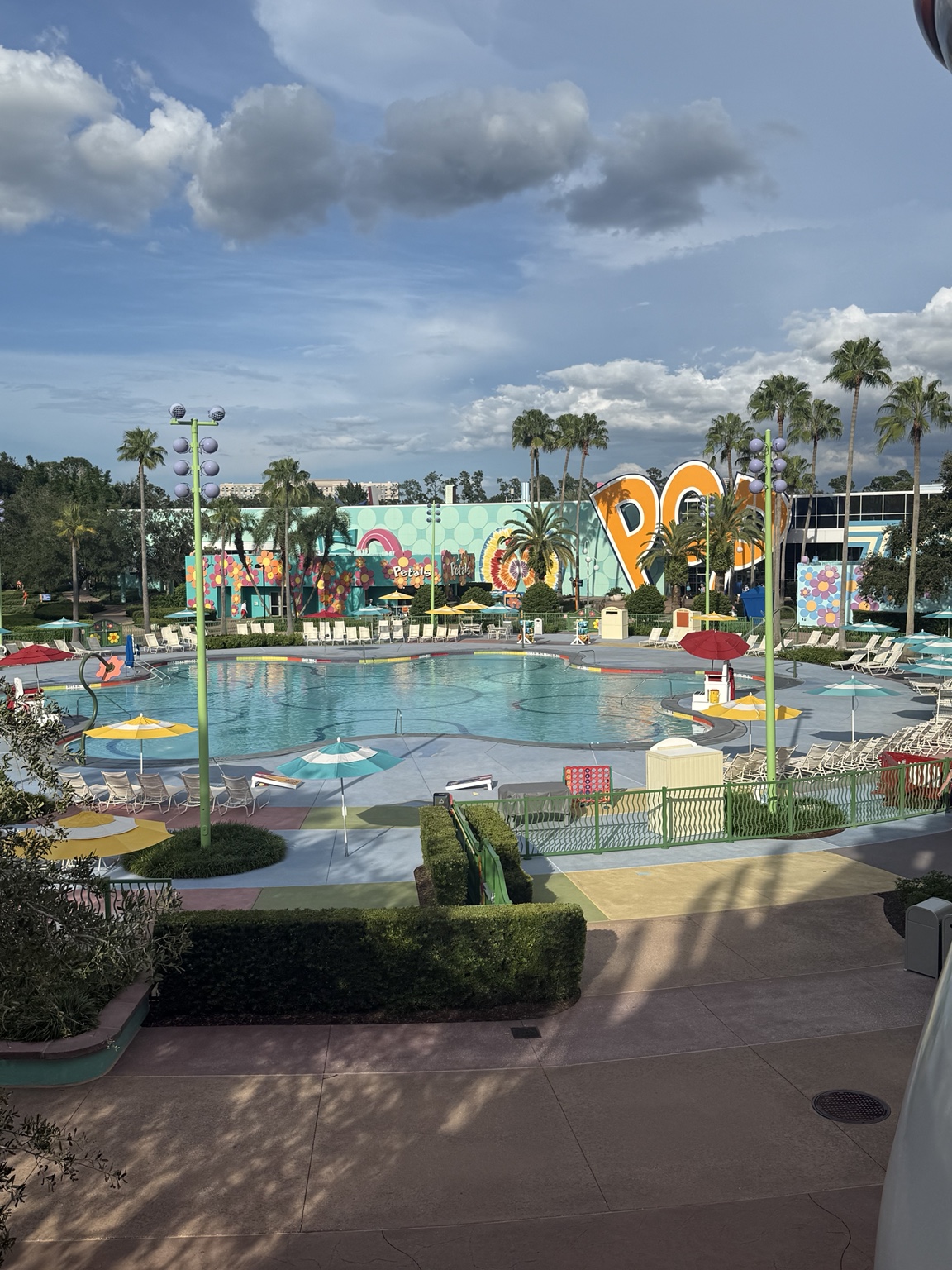
There’s just something about walking into Disney’s Pop Century Resort that feels like coming home.
Pop is the only Disney resort we’ve ever stayed at (aside from a few nights at Art of Animation tacked onto a, you guessed it, Pop Century stay), and this trip I realized the girls feel just as comfortable there as I do. They know where everything is, they have their favorite spots, and there’s something really sweet about watching them walk in and immediately feel like, “Yep. We’re back.”
This trip also gave me a brand-new Pop Century recommendation:
Pay the difference for the Preferred room.
I’ve always booked Standard, but Preferred was all that was available with our promotion this time—and now I’m hooked.
Our room was perfectly located between Classic Hall and the Skyliner, with the Hippy Dippy Pool just steps away. When you’re coming and going multiple times a day, those few minutes saved on every walk ADD UP.
It was a relatively small upgrade that made our entire week noticeably easier.
And as you’re going to see, making Disney easier on ourselves became a bit of a theme this trip.
Our First Night: 1900 Park Fare
After getting settled, we headed to the Grand Floridian for dinner at 1900 Park Fare, taking the bus to Magic Kingdom and then hopping on the monorail—because riding the monorail on your first Disney night just feels right.
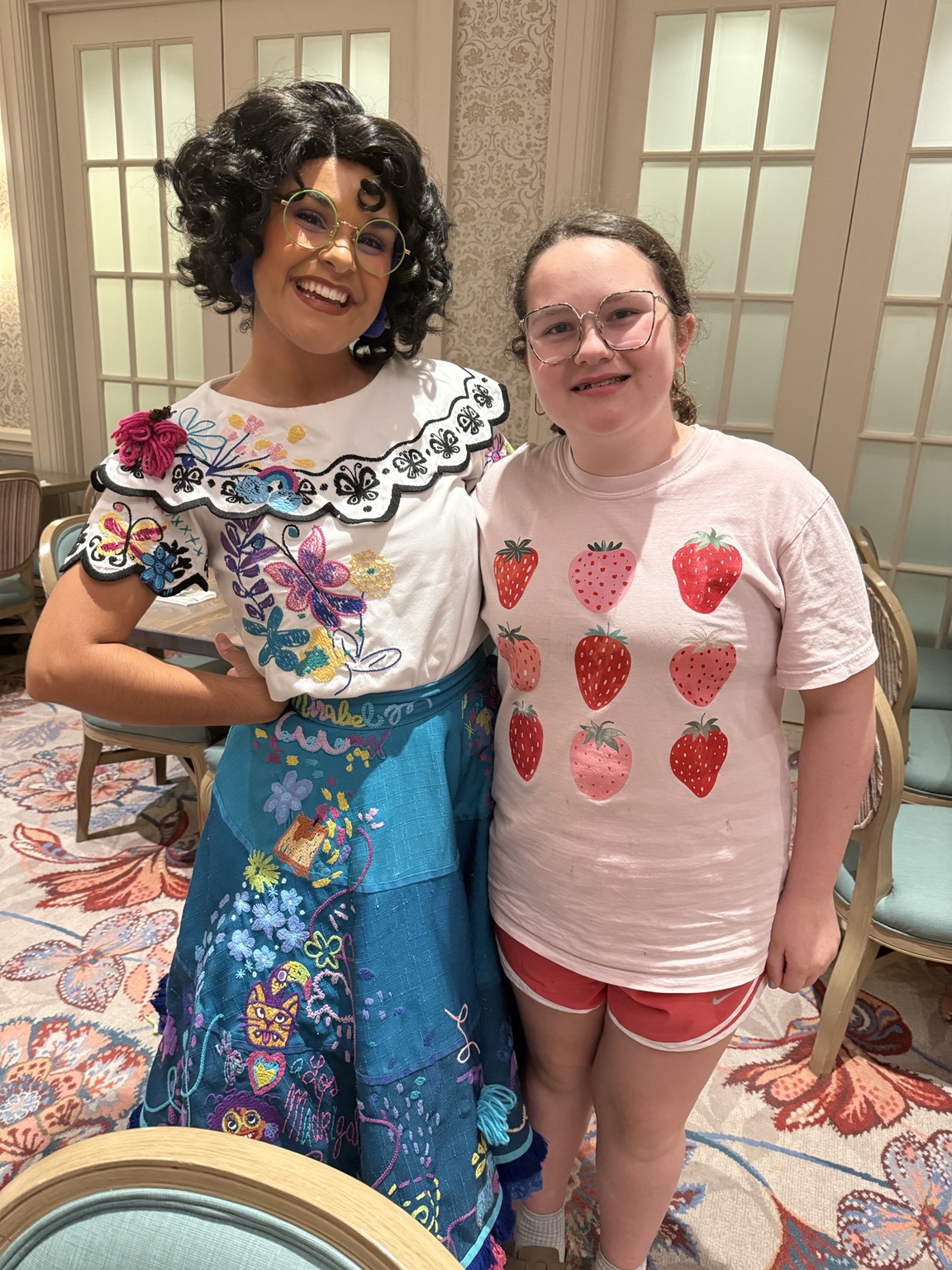
The Grand Floridian is beautiful, the buffet had a great selection, and the character interactions were SO good. I had been looking forward to seeing Aladdin, but we got Snow White instead—which was apparently my first indicator that even Disney characters weren’t going to follow my plans this week.
It was the perfect easy start: good food, princesses, a little Disney transportation and an early night before the parks officially began.
Mickey’s Not-So-Scary Halloween Party
Our first official park day started with…sleeping in.
I know. Who are we?
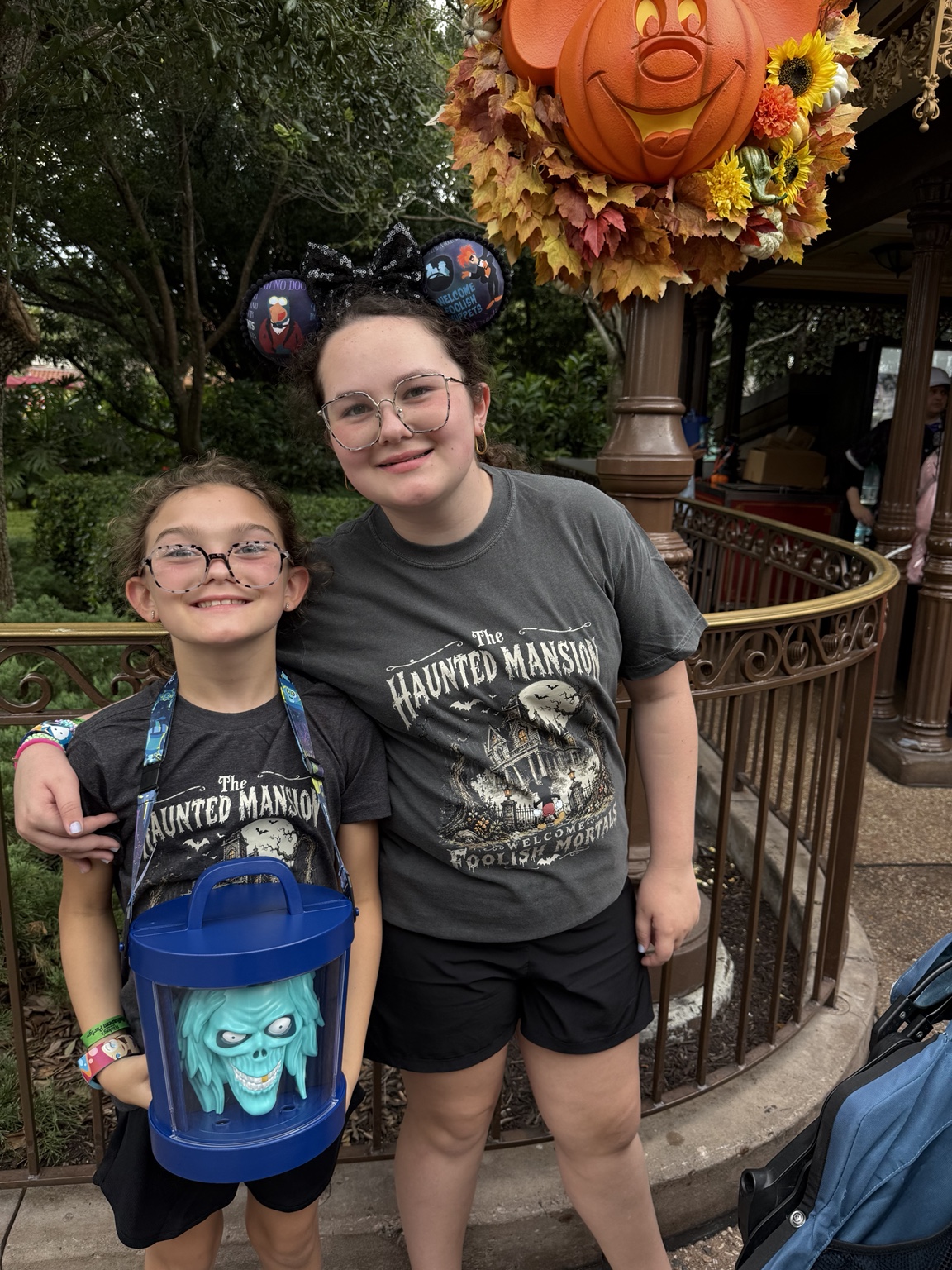
But with Mickey’s Not-So-Scary Halloween Party that night, there was no reason to wear ourselves out. We slept in, ordered pizza, spent some time at the pool and rested before heading to Magic Kingdom right at 4:00.
And almost immediately, the sky opened up and attempted to flood Magic Kingdom.
Welcome to Day 1.
We made a run for Haunted Mansion—beginning what would become a recurring theme of strategically choosing attractions based on which one would keep us dry.
I had purchased a Lightning Lane for TRON to make sure we got to ride before the party.
And TRON was AMAZING.
Ella especially loved it and immediately decided it would now be the standard by which every other thrill ride at Disney would be judged.
This becomes important later.
Once the party started, we trick-or-treated a little, rode Jungle Cruise in the dark and managed to ride pretty much everything we wanted except Tiana’s Bayou Adventure and Big Thunder Mountain, both because of weather closures.
The party was CROWDED—more crowded than I expected—but we still got a LOT accomplished.
This was also the night Ella’s official list of grievances against me began.
I wouldn’t let her spend every penny she had in one day. I wouldn’t let her have her own pirate ship on Peter Pan. And when we were leaving, I apparently should have been willing to fight my way across a sea of people on Main Street to get her a balloon.
Disney was great. Mom’s performance was questionable.
We skipped the fireworks because Emma isn’t a fan and stayed for the last parade, although finding a good viewing spot that late was harder than I expected.
Even without doing a ton of the party-exclusive activities, MNSSHP was absolutely worth it for us.
And sleeping in that morning?
Excellent decision.
Animal Kingdom, ‘Ohana & the Beginning of the Pool Vacation
Saturday morning brought us to Animal Kingdom—along with apparently every other person at Walt Disney World.
It was CROWDED.
We had a Lightning Lane for Kilimanjaro Safaris, but even the Lightning Lane queue was outside and wrapped around. We took one look and decided the animals would still be there another day.
That may have been the first real moment where I looked at something we had planned and thought, Nope. We don’t have to do it just because it’s on the schedule.
We rode Flight of Passage, experienced Na’vi River Journey for the first time—and LOVED it—and took the train to Conservation Station to check out the new Bluey and Bingo experience.
Then the crowds, heat, rain and previous late night won.
Back to Pop for a nap.
And this is where Past Olivia learned something:
TAKE. THE. MIDDAY. BREAK.
We are normally a rope-drop-to-park-close family.
Not this trip.
Sometimes we swam. Sometimes we napped. Sometimes we did both. And our evenings were SO much better because we stopped trying to prove we could stay in the parks all day.
That evening we headed to the Polynesian for ‘Ohana, which remains our family favorite, then got back to Pop and discovered we had exactly 13 minutes before the pool closed.
Did that stop Ella?
Absolutely not.
She got 13 glorious minutes of swimming.
At this point, I was beginning to realize that I may have planned seven park days, but Ella was equally committed to making this a pool vacation.
Hollywood Studios & Our Five-Second Roller Coaster Ride
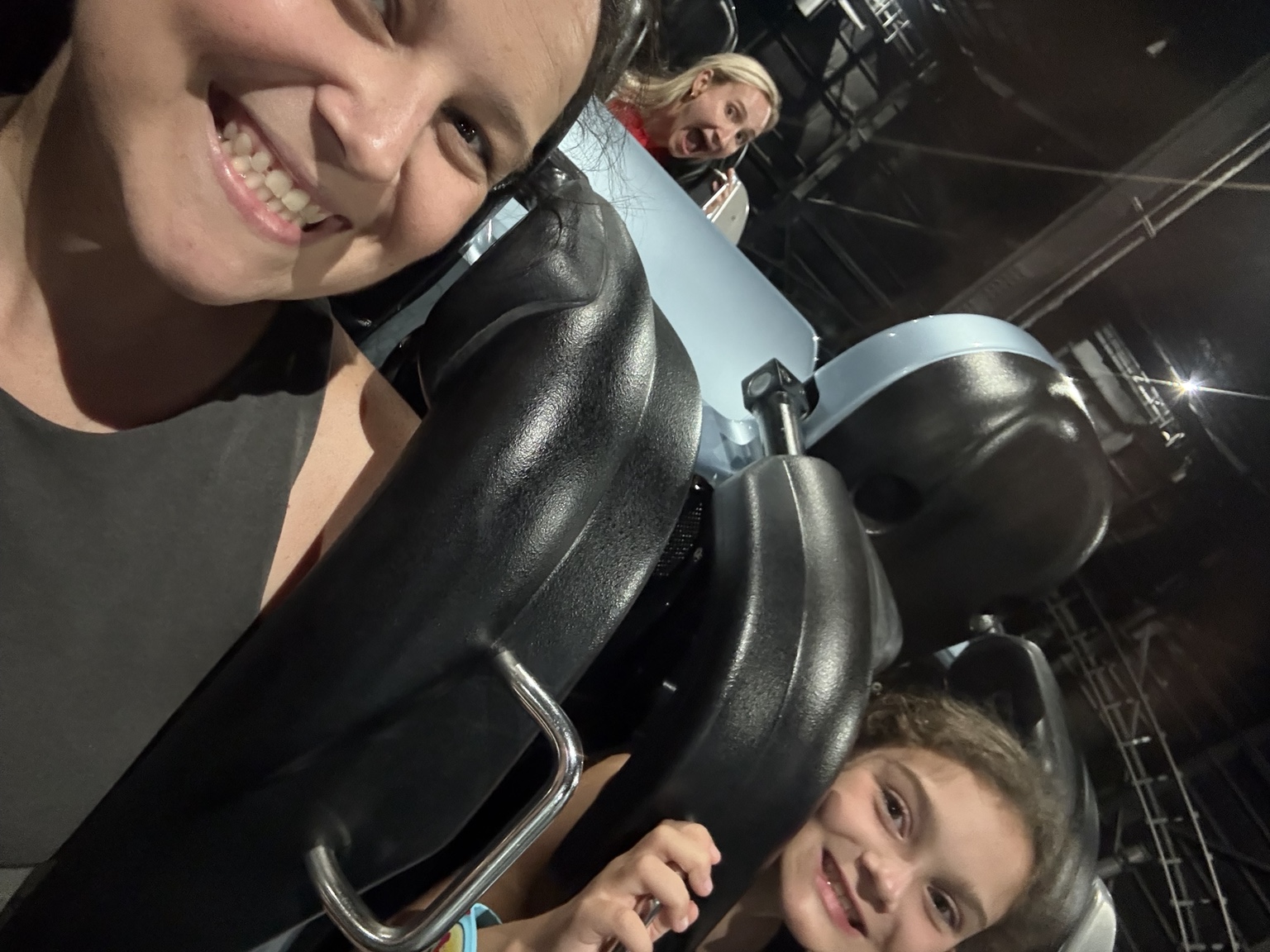
Sunday morning we headed to Hollywood Studios to rope drop Rock ’n’ Roller Coaster Starring The Muppets.
We made it all the way to the boarding platform.
And it went down.
Of course it did.
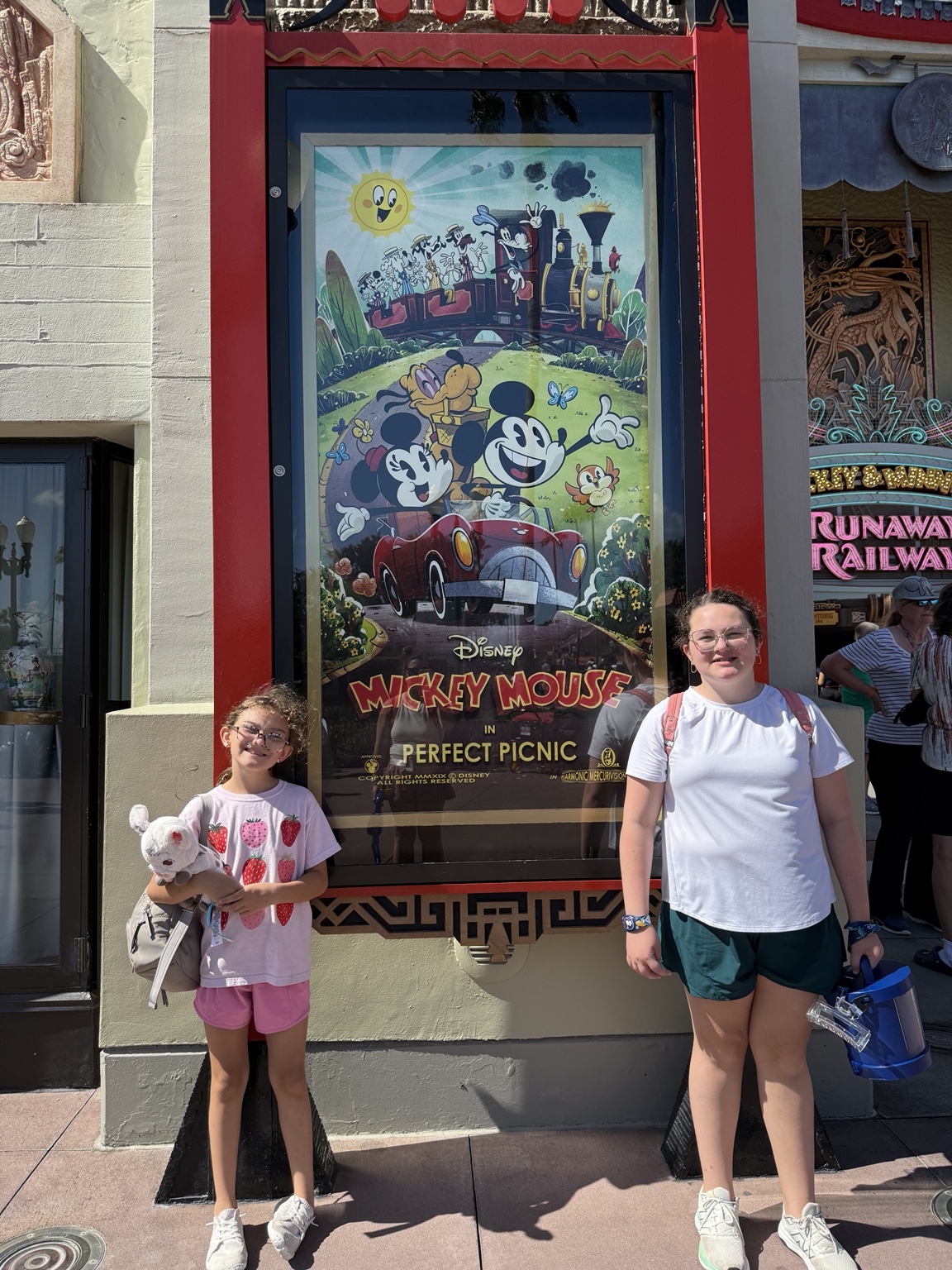
Thankfully, the rest of our morning went smoothly. We worked our way through Toy Story Land with our Lightning Lanes, rode Mickey & Minnie’s Runaway Railway, did a little shopping and then headed back to Pop for—you guessed it—more pool time.
That evening we returned for dinner at Hollywood & Vine. Emma continued her vacation tradition of ordering a specialty drink with dinner, while I found my favorite drink of the entire trip: the Bahama Mama.
Then we headed back to Rock ’n’ Roller Coaster.
We launched.
It was GREAT.
For approximately five seconds.
The ride abruptly stopped, the lights came on, and we were eventually escorted off.
At this point, I was starting to wonder if the attractions had something against us personally.
Ella, however, was thrilled with the five seconds she got. Apparently the launch alone was enough for a positive review.
We decided not to try it again.
Disney gave us recovery Lightning Lanes, and we eventually ended the night jumping into the Slinky Dog Dash line right before park close. Posted wait: 30 minutes.
We were off in 20.
This day was also a perfect example of why I continue to recommend Lightning Lanes.
They gave us the flexibility to ride what mattered, leave when we needed a break, come back later and still have a full Disney day without spending the entire thing standing in lines.
Get the Lightning Lanes.
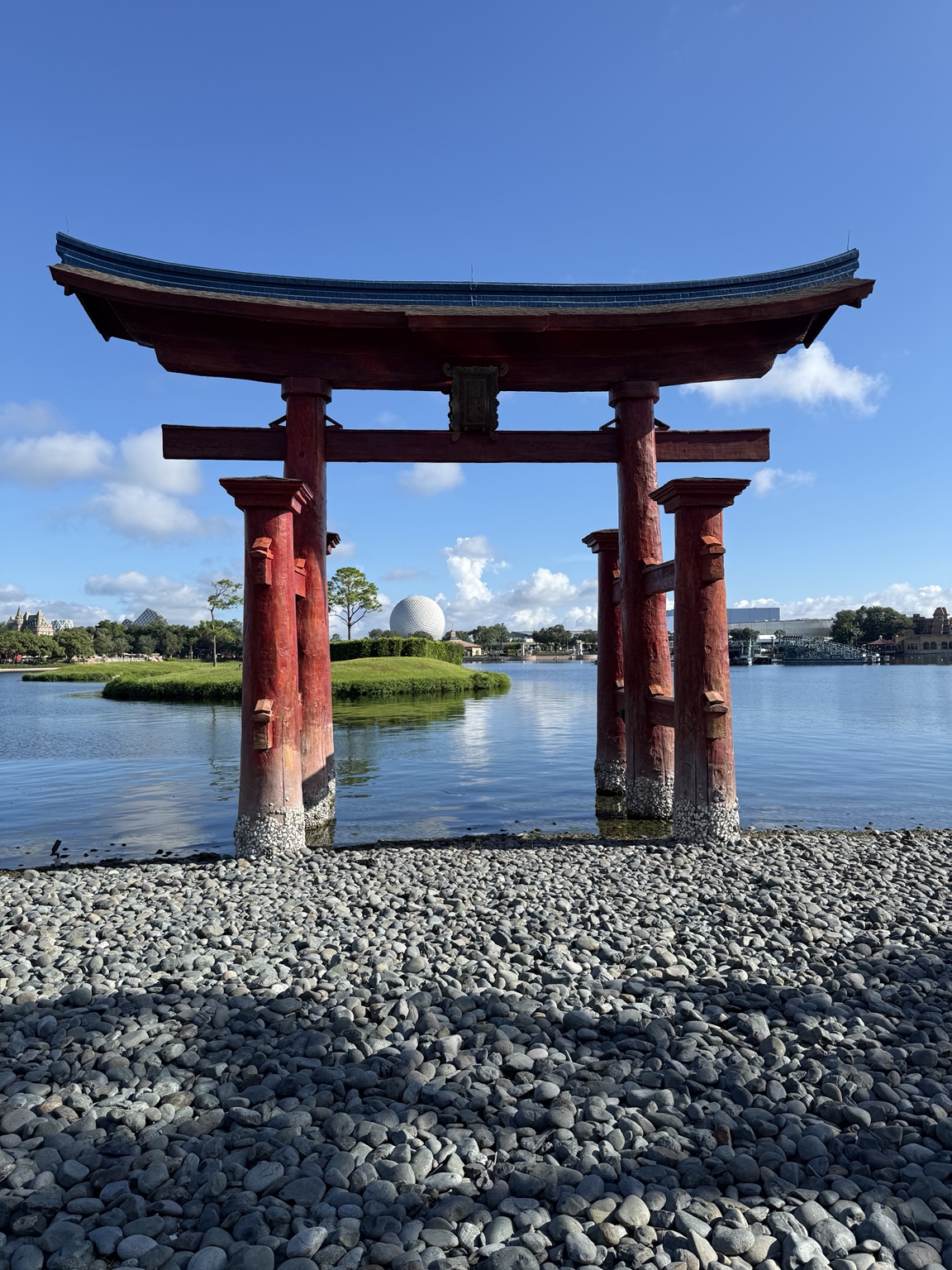
EPCOT Day One: RIDES
Monday was our first EPCOT day, and this one was all about RIIIIIIDES.
We rope dropped Remy’s Ratatouille Adventure, only to discover Test Track was down—because apparently the rides were not finished with us yet.
We did get to ride Soarin’ Across America, which I’m glad we experienced while it was there. It was fun, but I’ll take the original Soarin’ Around the World any day.
Then came one of my favorite strategic dining decisions of the trip: 11:40 lunch at Akershus.
Akershus serves breakfast until noon, and I knew my family was much more likely to eat breakfast than the regular lunch menu.
So technically we had lunch…but we ate breakfast.
Work smarter, not harder.
And it was SO good. The restaurant is beautiful, the princess interactions were great, and nobody had to be convinced to eat unfamiliar Norwegian food.
We explored Journey of Water, Inspired by Moana—which I LOVED—and then rode Guardians of the Galaxy: Cosmic Rewind.
Guardians is still incredible, although riding it reminded me that I somehow put these children on it when they were 8 and 5 when it first opened.
No wonder they’re traumatized and refuse to attempt it again.
What was I thinking?
Eventually, the heat won and we headed back to Pop for pool time before returning that evening for more EPCOT and Food & Wine.
The girls tried the roasted lamb chop at Australia, and Ella discovered what may have been her surprise favorite: the Grilled Bushberry-Spiced Shrimp Skewer with sweet-and-sour vegetables and coconut-chili sauce.
Her review:
“This is the BEST. It tastes like salsa.”
By this point, our Disney rhythm had officially changed: parks in the morning, get out of the heat when we needed to, then come back refreshed for the evening.
Turns out, leaving the park for a few hours does not, in fact, ruin a Disney day.
EPCOT day 2: World Showcase
Tuesday was my birthday, and we were back at EPCOT—but this time, the plan was World Showcase and Food & Wine.
We slowed down, explored the countries and tried different foods and drinks.
We got the filet mignon from Canada, and after I mentioned how good a drink sounded, Emma decided she needed to supervise my beverage choices.
“MAMA! You DO NOT need alcohol at 10 in the morning!”
Thank you, Emma. Management has received your complaint.
Then came the rain.
Not a cute little Disney afternoon shower.
A raging downpour.
Suddenly the 65-minute wait for Remy looked less like a terrible idea and more like 65 glorious minutes indoors because we were NOT trying to get stuck on the Skyliner in this storm.
So we got in line.
Eventually, we headed back to Pop for another pool break before returning that evening for Garden Grill.
And naturally, as soon as we stepped off the Skyliner, the sky opened up AGAIN.
This downpour also brought another entry for Ella’s grievance list.
She was wearing her last dry pair of shoes. I specifically asked her not to get them soaked.
She did.
And somehow, she was still mad at me about it.
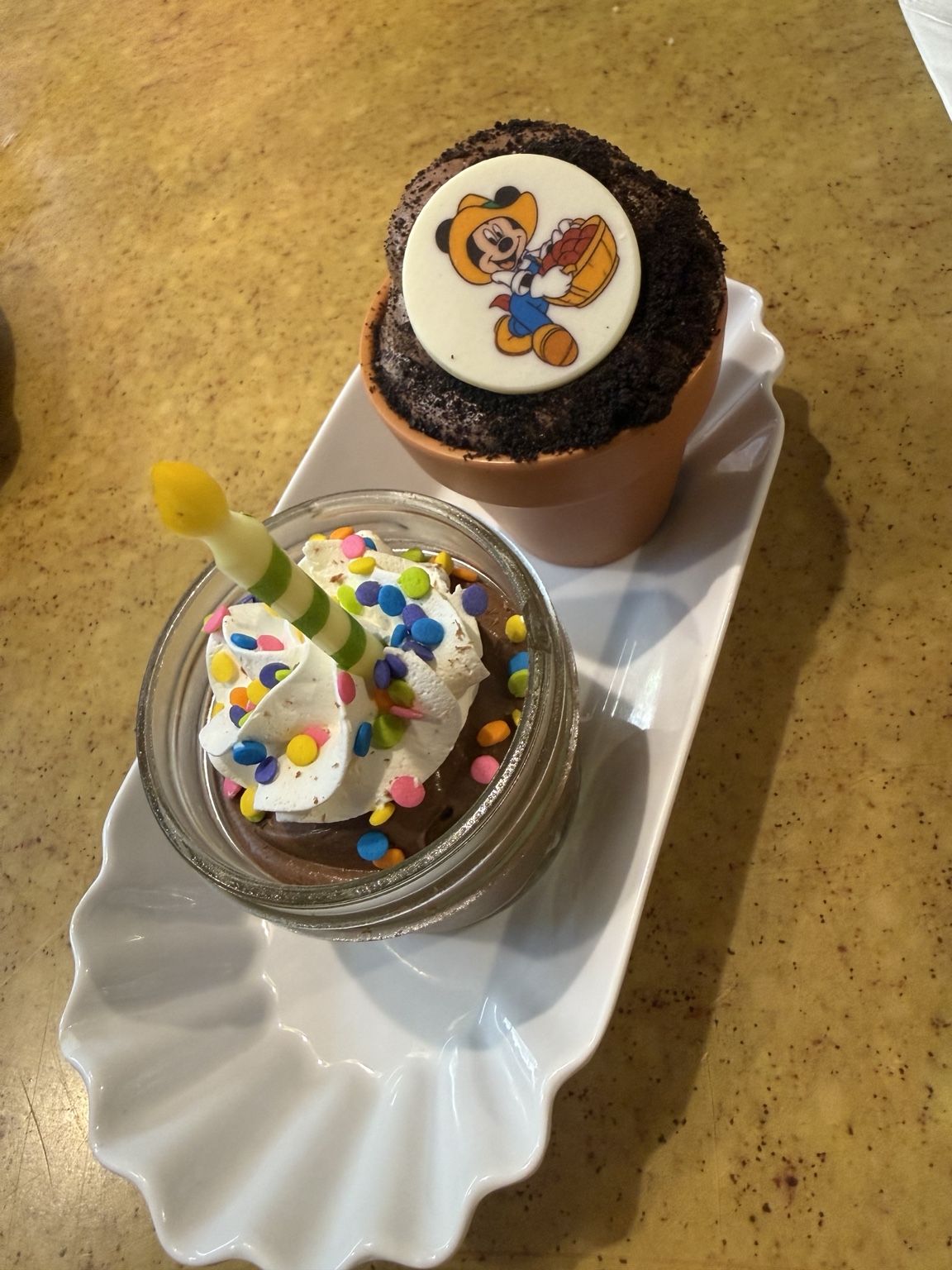
We arrived at Garden Grill wet and late. The food honestly wasn’t our favorite, but the experience was great. The characters were fantastic, the rotating restaurant was fun, and they made my birthday special with lots of Happy Birthdays and a birthday dessert.
After dinner, we took advantage of some low waits and ended the night wandering through World Showcase after the fireworks with almost no one around.
And THAT was one of those Disney moments.
After days of crowds, heat, rain and schedules, we just wandered.
No rushing. No Lightning Lane. No reservation.
Just me and my girls, basically frolicking through an almost-empty World Showcase on my birthday.
Pretty hard to beat that.
Magic Kingdom: We Were TIRED
By Wednesday, we were TIRED tired.
Seven park days sounded perfectly reasonable when I planned this trip from the comfort of my house. By Day 6, Future Olivia had some questions for Past Olivia.
So we slept in and got a late start for our last full park day at Magic Kingdom.
And despite being exhausted, we had a REALLY good day.
We finally rode Tiana’s Bayou Adventure and absolutely LOVED it—even Ella, who never really cared for Splash Mountain.
We also rode Big Thunder Mountain for the first time since the updates, which are VERY noticeable in the best way.
Emma still hates it.
Ella informed me it’s “not her favorite anymore.”
TRON strikes again.
We rode everything we wanted, watched the parades and ate all the nostalgic Disney snacks.
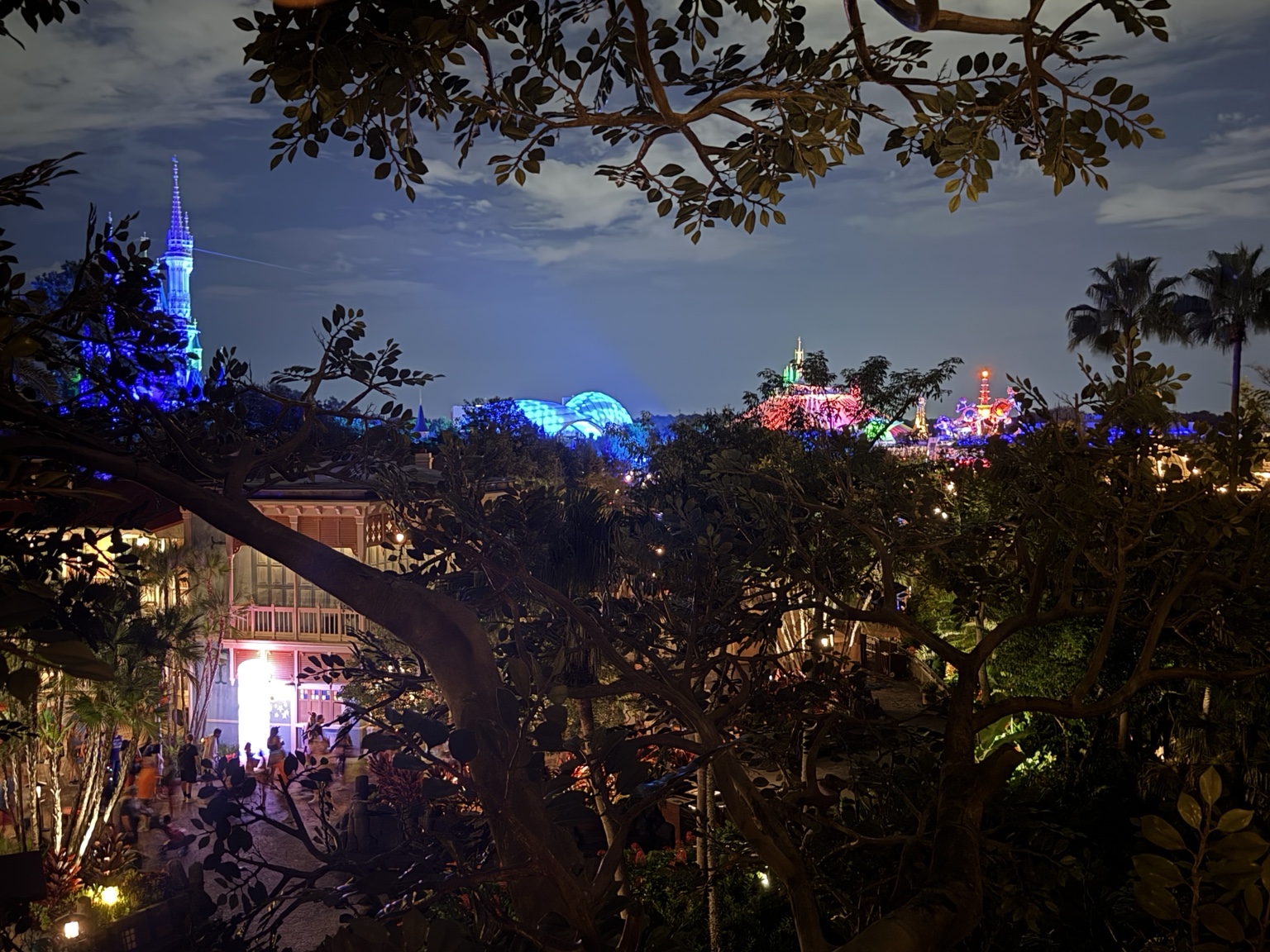
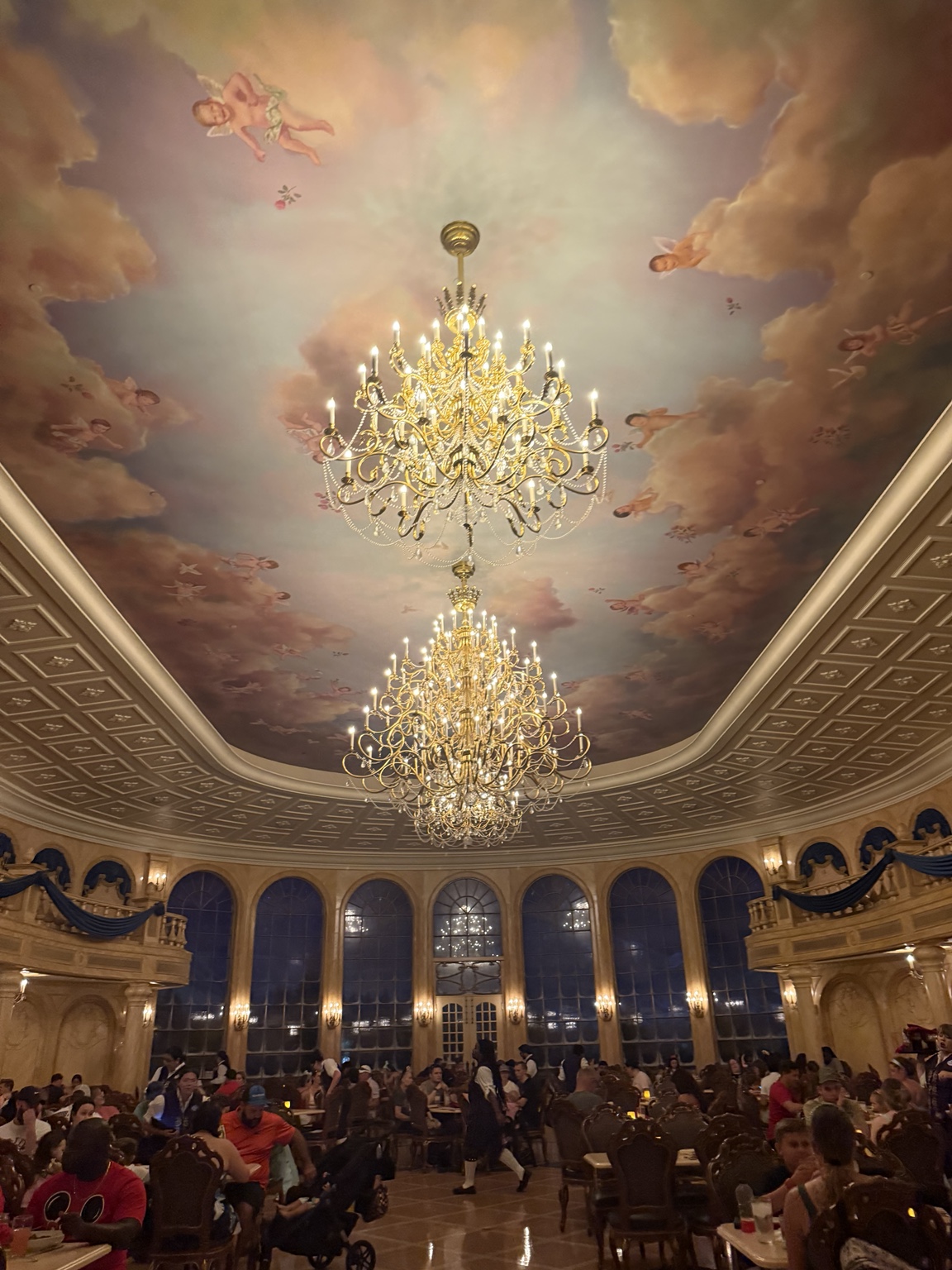
Dinner was at Be Our Guest in the West Wing, followed by our first time watching Disney Starlight: Dream the Night Away.
MAGICAL.
We watched from the left side of the castle, directly across from Sleepy Hollow, and it was a great viewing spot. This is one I would absolutely recommend making time for.
We skipped the fireworks and eventually called it a night.
And I was officially ready to admit something:
Seven back-to-back park days is too much.
Even with older kids. Even with Lightning Lanes. Even with pool breaks and naps.
And doing it as the only parent for the week?
Definitely too much. 😵💫
So Naturally, We Did All Four Parks the Next Day
After determining that this many back-to-back park days was too much, we woke up Thursday, checked out of Pop and made the only logical decision:
Let’s go to all four parks before our flight home.
We started at Animal Kingdom, where we finally made it onto Kilimanjaro Safaris after skipping that insane Lightning Lane earlier in the week.
Then came Expedition Everest.
Ella’s official review?
“Pretty boring compared to TRON.”
It was official. TRON had ruined roller coasters for her.
From Animal Kingdom, we grabbed an Uber to Hollywood Studios, rode Mickey & Minnie’s Runaway Railway one last time, bought Emma the Loungefly she had been eyeing all week, grabbed lunch and kept moving.
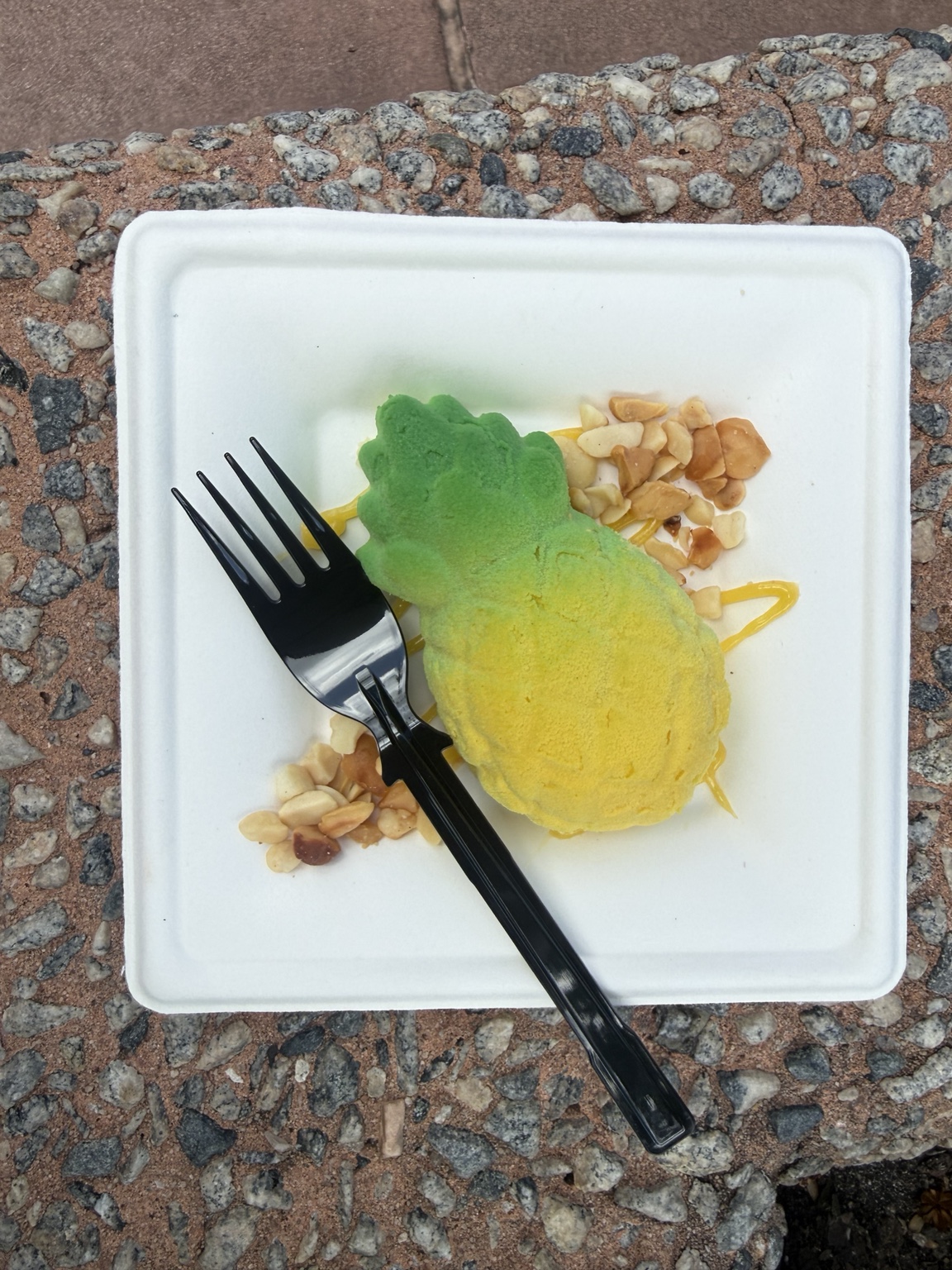
Then we took the Skyliner to EPCOT, rode Soarin’ one more time and made a very important stop for Hawaiian pineapple cheesecake.
Three parks down.
From EPCOT, we took the monorail to Magic Kingdom.
By the time we got there, we were DONE.
No triumphant final ride. No squeezing in another Lightning Lane.
We checked out the train station, grabbed one last Mickey ice cream bar and called it.
And honestly?
It was the perfect ending.
Four parks in one day, and by Magic Kingdom nobody needed another ride.
We just needed one last Mickey bar.
Then it was time for the airport, officially ending the most exhausting Disney vacation we have ever taken.
And also one of the best.
What This Trip Changed About the Way I Do Disney
After eight days at Disney, seven park days, six days of poncho-worthy rain and approximately 47 changes to my beautifully planned itinerary, I came home with some opinions.
PACK. THE. PONCHOS.
We needed ponchos AND the stroller rain cover on six of our eight Disney days. We had soaked shoes, pool closures, ride closures and more than one afternoon where our plans were determined entirely by where we could get indoors.
They’ve always been on my Disney packing list. They’re now written in bold.
I will cry when my kids outgrow the stroller.
Yes, I hated dealing with it on the buses. But it also carried drinks, snacks, purchases, ponchos, extra shoes and basically our entire lives.
And a single stroller on the Skyliner and monorail? GAME. CHANGER. Roll it on. No unloading everything. No folding it up.
On our final four-park day, when I had to carry all our stuff myself, I missed that stroller about as much as I missed my husband.
Sometimes spending a little money buys back a LOT of sanity.
The Preferred room at Pop. Lightning Lanes. An Uber when Disney transportation would take significantly longer. Grocery delivery.
Every bit of it was worth it for this trip.
We actually placed FOUR Walmart/Amazon orders during the week. Water and snacks, Celsius when I finally admitted I couldn’t survive without caffeine, a few things we forgot—and, once Ella discovered how easy resort delivery was, goggles for her increasingly serious pool career.
If you forget something at Disney, don’t panic. Delivery is ridiculously easy.
The Dining Plan was great, but it also reminded me why we don’t normally get it. I loved having our sit-down and character meals covered, but I didn’t love feeling like WE HAVE CREDITS TO USE every time nobody was hungry.
We came home with THREE Quick-Service credits.
And my biggest lesson?
I will not plan seven back-to-back park days for us again.
My new sweet spot is probably five park days over seven or eight days, with actual full rest days mixed in.
The midday breaks SAVED us—but there’s a difference between taking a few hours off and having an entire day where nobody has to put on park shoes.
Because this trip changed the way I think about “getting my money’s worth” at Disney.
Sometimes it means riding everything. Sometimes it means paying for the Lightning Lane. Sometimes it means going back to the room for a nap.
And sometimes it means letting your child swim for exactly 13 minutes because apparently that’s what she’s going to remember.
You Never Take the Same Kids Twice
They say you never take the same Disney trip twice.
After this week, I think part of the reason is because you never take the same kids twice.
The little girls I took for their very first trip at 5 & 2, or the ones I took on Guardians when they were 8 and 5 aren’t the same girls I took to Disney this time at 12 & 9.
Now Ella rides TRON and declares every roller coaster afterward “pretty boring.” She keeps a running list of grievances against her mother, has very strong opinions about when we should go to the pool and knows how to petition for a resort delivery order when she needs goggles.
Emma is old enough to mistake herself as everyone’s boss, order her own fancy specialty drink with dinner and keep us all moving in the planned direction.
They’re growing up.
And I think I felt that more on this trip than I ever have before.
This was intentionally our last big, blowout Disney trip for a while. We’ve done Disney. We LOVE Disney. We’ll absolutely be back.
But there is a whole lot of world I want to show these girls, too.
So future Disney trips will probably look a little different—shorter trips, long weekends, maybe a few days added onto something else instead of another giant weeklong Disney marathon.
And I’m really okay with that.
Because this trip didn’t go the way I planned.
It rained. Rides broke down. We abandoned Lightning Lanes. We took naps. We spent hours at the pool when I had perfectly good park tickets sitting in my wallet. We changed plans constantly.
And somehow, none of that feels like the important part now.
I remember Ella swimming for 13 minutes because she refused to waste them.
I remember wandering an almost-empty World Showcase with my girls on my birthday.
I remember them trying foods I never expected them to touch, laughing about rides, complaining about wet shoes, sharing Mickey bars and walking into Pop Century like it was home.
And on our very last afternoon, after eight days at Disney and four parks in one day, we walked into Magic Kingdom completely exhausted.
We didn’t ride anything.
No grand finale.
No perfectly planned Disney moment.
Just me and my girls.
And maybe that’s the thing I’ll remember most about this trip.
You never take the same Disney trip twice.
But you also never get to take the same kids twice.
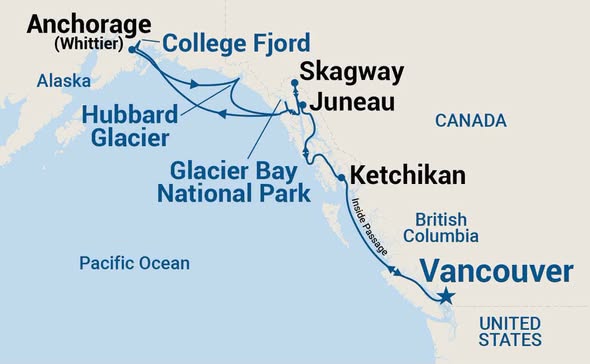
I boarded Grand Princess expecting to notice her age.
Instead, I watched a bear walk the shoreline from the ship without binoculars, spotted humpback whales, stood outside listening to glaciers crack, met an Iditarod champion, and spent way too much time on the aft deck because the views were just that good.
By the end of the trip, the fact that Grand Princess first sailed in 1998 barely mattered to me.
And that surprised me.
It Started in Vancouver
Our Alaska cruise started in Vancouver, and honestly, Princess made the beginning easy.
Embarkation was smooth, and once we were onboard, our room was available earlier than I am used to on many cruises. We were able to drop our bags instead of carrying them around the ship and immediately start exploring.
Then I found the aft deck.
And once I found it, I kept going back. I stood there watching seaplanes take off with misty mountains behind them, and I remember thinking that we had not even left Vancouver yet and I was already completely obsessed with the view. That aft deck ended up being one of the prettiest spots on the entire ship. Once we started sailing north, it only got better. Mountains seemed to be everywhere. Sometimes you would look outside and think, Okay, this is the view. Then twenty minutes later it somehow got prettier. That is when I started realizing something about Alaska.
The ship does not have to be the main attraction.
You Really Do Not Want to Go Inside
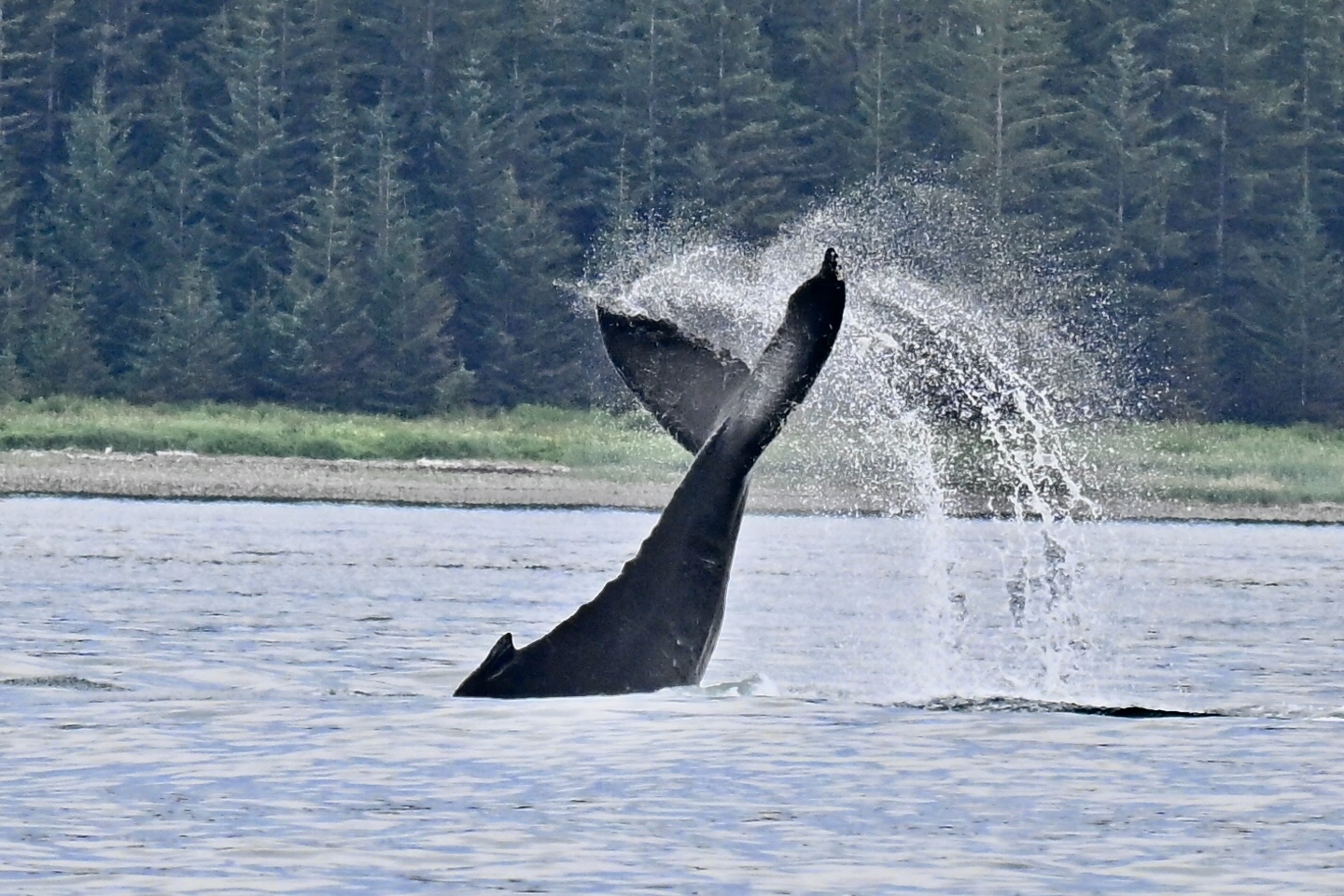
There were so many times on this cruise when I did not want to go inside because I felt like I might miss something. And sometimes, you actually would. One day, the naturalist onboard pointed out a bear walking along the shoreline. We looked over… And there it was. A bear was literally walking along the shore while we sailed past. Then there were humpback whales. Those are the moments when everyone suddenly stops what they are doing and looks in the same direction.
What I loved was that the crew seemed just as excited as we were.
It never felt like, Oh, we see this every week.
They would get excited about wildlife. They would tell you what was coming. They seemed to genuinely love Alaska too.
That made the whole experience feel different.
Even dinner felt different. We would walk into the dining room and the staff knew our names. Then you would look outside and see mountains in the distance. There was one point during the trip when I actually cried looking at the scenery. Nothing dramatic had happened. It was just that beautiful.
Then Came Glacier Bay
I knew Glacier Bay was going to be beautiful. What I did not realize was how much I would love the experience surrounding it. Even the way the National Park Service rangers arrive is cool. You can watch their boat come alongside the ship, they board, and suddenly you have actual park rangers sailing Glacier Bay with you. They set up onboard, answer questions, give presentations, and explain the glaciers, wildlife, history, and landscape around you. You are not sitting somewhere watching a documentary about Glacier Bay. You are standing in Glacier Bay while someone explains what you are looking at. And then you hear a glacier calve. The sound is what got me. That crack. That rumble. Then watching part of the glacier break away and crash into the water. After that, good luck convincing yourself to go inside.
Every time you think you have seen the best view of the day, something else happens. Thankfully, Princess seems to understand that people are going to stand outside forever. Blankets, Hot chocolate, Glaciers. Honestly, what else do I need? Even after being in port, coming back onboard and having hot chocolate waiting just felt very… Alaska. It sounds like such tiny details, but those are the things I remember.
Princess Brought Alaska Back Onto the Ship
This might be the biggest reason the experience stood out to me. Alaska did not stop when we walked back onboard. Princess kept bringing the destination into the ship.
Puppies in the Piazza was probably the cutest example.
And yes, obviously I was there for the puppies. But what I loved was looking around and seeing everyone gathered together. Kids. Adults. Grandparents. Everyone asking questions. Everyone wanting to know more about sled dogs and the Iditarod. We even got to meet Ryan Redington. What could have easily been just a cute photo opportunity became a chance to learn about the history and culture of dog mushing in Alaska. That happened over and over on this trip. We were learning constantly, but it never felt like we were being taught. The naturalist. The park rangers. The wildlife. The Iditarod. The glaciers.Princess did not just drop us off in Alaska ports and call it an Alaska cruise. They made Alaska part of what was happening onboard too.
And Yes, I Loved the Medallion
Not everything I loved was Alaska-specific. The Princess Medallion is one of those little things that you get used to very quickly.Walking toward your stateroom and having the door recognize you and unlock without digging around for a room key? Amazing. It is such a small convenience until you sail somewhere without it and suddenly you miss it. And those little touches mattered too.
So… Does the Age of the Ship Matter?
Grand Princess first sailed in 1998. She is not the newest ship. She is not trying to be the newest ship. And by the end of our Alaska cruise, I really did not care. Would I sail on one of Princess’s beautiful newer ships? Absolutely. But Alaska changed the way I think about choosing a cruise.
Because when I look back on this trip, I do not think about the age of Grand Princess.
I think about the bear.
The whales.
The seaplanes.
The crew knowing our names.
The naturalist telling us where to look.
Watching the park rangers come aboard.
The sound of a glacier calving.
Hot chocolate in the cold.
Puppies in the Piazza.
Standing on the aft deck and not wanting to leave.
And crying because the mountains and the glaciers were somehow even prettier than I imagined they would be.
So maybe the question for an Alaska cruise is not always:
What is the newest ship?
Maybe it is:
Which cruise is going to help me experience Alaska the way I want to?
I always tell my clients that the best place to eat is usually the spot that feels most connected to the destination’s daily life. ??? For me, that often means a restaurant filled with locals, a lively café near a market, or a small family-run bistro where the menu reflects the region’s true flavors.
When I’m scouting dining options, I look for places that showcase what the destination does best, because that is where the meal becomes part of the travel experience. I love recommending restaurants that serve seasonal dishes, regional specialties, and simple food made with care, since those meals often leave the strongest impression.
One of my favorite travel tips is to choose a place that matches the rhythm of the day. Lunch spots can be a wonderful value, while dinner can be ideal for a slower, more memorable experience. If I want clients to enjoy both quality and atmosphere, I suggest looking for places that feel busy but not rushed, with friendly service and a menu that is easy to understand.
What I look for when recommending a restaurant
Simple signs of a great dining choice
What I notice
Why it matters
Local guests
Usually a strong sign the food and experience are trusted.
Regional dishes
Shows the restaurant is offering something authentic to the destination.
Fresh daily specials
Often means the kitchen is working with what is best right now.
Warm service
Makes the meal feel welcoming and memorable.
My personal advice for choosing the best place to eat
I always encourage travelers to be curious and flexible. Some of the best meals happen when you step away from the obvious tourist areas and follow the energy of the neighborhood. A small café, a tucked-away trattoria, or a local market stall can often deliver a more satisfying experience than a famous restaurant that is crowded with visitors.
In my experience, the best place to eat is not always the most expensive one. It is the place that gives you a true taste of the destination, whether that means a relaxed lunch, a sunset dinner, or a casual bite that becomes the highlight of the trip.
My favorite dining strategy
I like to recommend a balanced approach: one special restaurant, one local favorite, and one casual stop for something quick and memorable. That mix gives travelers variety and makes every meal feel intentional.
“The best meals while traveling are the ones that feel local, relaxed, and full of character.”
For travelers who want the most rewarding dining experience, I suggest asking for the dish that the restaurant is known for. That small question often leads to the best plate on the menu and makes the meal feel more personal.
At the end of the day, my goal is always the same: I want travelers to eat well, feel welcomed, and leave with a happy memory attached to the destination. ??
Sharing Tips
When I recommend the best place to eat, I always think about whether the menu works well for sharing. Sharing lets travelers try more dishes, keep the meal relaxed, and make the dining experience feel more social and memorable.
I usually suggest starting with one appetizer for the table, then choosing individual mains if everyone wants something different. If the portions are especially generous, I often recommend splitting a dessert too so the meal ends on a sweet note without feeling overly heavy.
Order one dish at a time: This keeps the table from becoming crowded with food.
Share the specialties: It is the easiest way to taste the restaurant’s best work.
Balance rich and light items: I like to mix heavier dishes with something fresh or crisp.
My best advice is to keep the meal flexible. If the group is not very hungry, I suggest appetizers and desserts instead of forcing a full multi-course order. That often creates a more enjoyable dining experience for everyone. ??
My Final Ordering Advice
When I am helping someone choose where to eat, I always encourage them to trust both the menu and the moment. A great restaurant should feel welcoming, memorable, and easy to enjoy, whether you are there for a long dinner or a simple tasting stop.
I always say that the best place to eat is the one that makes the whole trip feel richer, easier, and more delicious.
If you are deciding what to order, I recommend starting with the restaurant’s signature dish, adding one item that reflects the destination, and finishing with something sweet if the menu is strong in desserts. That combination usually gives travelers the fullest experience without overcomplicating the meal.
My personal rule for a great meal
I choose one dish I know I will enjoy, one dish that teaches me something about the destination, and one final treat that makes the meal feel complete.
How to Plan a Better Dining Experience
I always tell travelers that the best place to eat is not just about the menu—it is about timing, atmosphere, and knowing how to make the experience feel effortless from the start. A little planning goes a long way toward turning a good meal into a great one.
My favorite dining rule: book early, stay flexible, and choose the meal that fits your trip’s pace instead of forcing a rushed prime-time reservation.
Reservation Tips and Peak Hours
When I help clients choose where to eat, I recommend reserving in advance for popular restaurants, especially during weekends, holidays, and peak dinner hours. The easiest reservations are often available earlier in the evening or later after the rush, and that timing can also make the meal feel calmer and more personal.
I’ve found that slightly off-peak times often give you better seating choices, more attention from the staff, and a more relaxed pace. If your schedule allows it, an early dinner or a late lunch can be a smart move.
Dining timing that usually works best
Time of day
What I like about it
Best for
Early dinner
Quieter atmosphere and easier reservations
Families, couples, relaxed travel days
Off-peak lunch
Often less crowded and more flexible
Sightseeing breaks, business travel, budget-conscious dining
Late dinner
More availability and a slower pace
Night owls, lively trips, special occasions
What I recommend before booking
Check the restaurant’s busiest hours, think about travel time from your hotel, and decide whether you want energy and buzz or a quieter setting. That simple check helps you choose the right place more confidently.
Budgeting for a Great Meal
My best advice is to set a dining budget before you arrive so you can enjoy the meal without worrying about the bill. A great dining experience does not have to be the most expensive one; it just needs to feel worth it for the occasion.
I often suggest looking for set menus, lunch specials, or tasting options when travelers want excellent quality with better value. These choices can deliver a memorable meal while keeping spending predictable.
Good value does not mean cutting corners. I look for restaurants that serve fresh ingredients, clear portion sizes, and thoughtful service at a price that feels comfortable for the traveler’s overall itinerary.
Saving Money Without Sacrificing Quality
One of my favorite ways to save is to dine during less busy hours, because many restaurants offer better availability and sometimes better menu value away from peak demand. Choosing a fixed-price menu or sharing a few well-chosen dishes can also create a satisfying meal without overspending.
Another smart move is to ask for local recommendations rather than relying only on the most visible tourist spots. I’ve found that some of the best meals come from places that balance quality, atmosphere, and fair pricing beautifully.
Choose lunch instead of dinner when the restaurant offers similar dishes at lower prices.
Look for set menus or prix fixe options for a predictable total.
Share appetizers or desserts if the portions are generous.
Pick neighborhood favorites where locals actually eat.
Ask about daily specials, which often highlight the chef’s strongest dishes.
I always remind travelers that the “best place to eat”
Tipping and Payment Advice
I always advise travelers to check the local tipping customs before dining, because expectations can vary widely from one destination to another. Knowing the norm in advance helps the meal end on a smooth, confident note.
When I dine abroad, I also keep payment simple by confirming whether the restaurant prefers cash, card, or a specific payment app. That small step avoids awkward delays and makes the experience feel polished and stress-free.
If service is already included, I still like to review the bill carefully so I know exactly what I’m paying for. Clear payment habits make it easier to stay within budget and enjoy the meal without surprises.
Check whether service charges are already included before adding extra gratuity.
Carry a little local currency for smaller restaurants or casual dining spots.
Ask if cards are accepted before ordering at more informal venues.
Keep a small buffer in your budget for dessert, drinks, or a specialty dish.
Review the bill calmly to make sure the final total matches what you expected.
My final dining mindset
I always look for places that feel welcoming, well-run, and true to the destination. When a restaurant combines great timing, smart budgeting, and clear service, it becomes much more than a meal—it becomes part of the trip’s best memory.
Best place to eat: I usually choose the restaurant that balances local character, steady quality, and a comfortable atmosphere, because that is where travelers tend to enjoy the most satisfying experience.
Travel Tips for Eating Well on the Road
When I’m helping travelers decide the best place to eat, I always look for the balance between flavor, convenience, and how good the meal will make them feel afterward. The best dining choices usually come from a little planning, a little curiosity, and a willingness to enjoy local food in a smart way. ??
I like to tell people that eating well while traveling does not mean skipping the fun dishes. It means choosing meals that keep energy steady, support the day’s plans, and still leave room for a memorable treat.
“I always aim for meals that feel satisfying, local, and easy to enjoy without slowing the trip down.”
Packing Essentials for Food-Focused Trips
I always recommend packing a few practical items before any trip where food will be part of the experience. That way, I can stay flexible when restaurant options are limited or when I want a quick bite between activities.
Reusable water bottle for staying hydrated throughout the day
High-fiber snacks like nuts, fruit, protein bars, or crackers
Simple backup foods for early departures, delays, or long sightseeing days
Small cooler or insulated bag if I want to keep fresh items on hand
Travel utensils for markets, picnics, and casual meals
For me, these small items make a big difference. They help me avoid rushed choices and let me enjoy the local food scene with more freedom.
Staying Comfortable Before and After Meals
I find that meal comfort starts before the first bite. When I’m traveling, I like to keep my schedule loose enough to enjoy meals without feeling rushed, especially if I’ve chosen a special place to eat.
Before a meal, I usually slow the day down a little, drink water, and avoid arriving overly hungry. After a meal, I like to walk a bit, sit somewhere scenic, or simply give myself time to relax so the experience feels complete.
How I stay comfortable around meals while traveling
Travel moment
What I do
Why it helps
Before lunch
Choose a light snack and drink water
Keeps hunger in check without dulling appetite
During dinner
Order thoughtfully and savor each course
Makes the meal feel more enjoyable and less rushed
After eating
Take a short walk or enjoy a calm break
Helps the meal settle and supports energy for later plans
Hydration and Energy Tips
Hydration is one of my most reliable travel habits, especially on long sightseeing days, hot-weather trips, or travel days with lots of walking. I’ve learned that staying hydrated makes food taste better and helps me stay more present during meals.
I also like to keep my energy stable by eating at regular intervals. A small snack every few hours can prevent that overhungry feeling that leads to overeating or tired decisions at the table.
My simple formula: water often, snacks when needed, and meals that include protein, fiber, and color. ??
My quick reset before a meal
I pause, drink water, check whether I’m truly hungry, and then choose the meal that best fits the rest of the day.
Food Safety and Smart Choices
When I’m recommending the best place to eat, I pay attention to the signs that a restaurant is well run and food is handled properly. Clean tables, steady traffic, and a focused menu usually tell me a lot.
I prefer cooked dishes when I’m uncertain, and I like
How I Compare It to Other Dining Options
I always look at a restaurant through the lens of both the experience and the value, and this place stands out as one of the best places to eat when I want something memorable without feeling overcomplicated. The atmosphere, service, and flavor all work together in a way that makes the meal feel special from the first bite to the last sip.
Value for Money
In my opinion, the value here comes from more than just the price on the menu. I’m paying for well-prepared food, a pleasant setting, and a dining experience that feels worth planning around. The portions are satisfying, the presentation is thoughtful, and the overall quality makes the cost feel justified.
Travel tip: I recommend thinking beyond the entrée price and considering the full experience, especially if you enjoy places where the meal becomes part of the trip itself. ?
My quick comparison of dining value
Dining Factor
My Impression
Food quality
Consistently strong and satisfying
Atmosphere
Relaxed, welcoming, and enjoyable
Overall value
Excellent for a memorable meal
Quality Versus Popularity
I’ve found that popularity does not always mean quality, but this is one of those places where both line up nicely. It earns its reputation honestly. The dishes taste fresh, the flavors feel polished, and the experience stays consistent even when the place is busy.
What I appreciate most is that the food feels approachable while still feeling elevated. It is not trying too hard, and that confidence makes it one of my favorite recommendations for travelers who want a dependable and enjoyable meal.
Why I keep recommending it
I keep coming back to this place because it delivers the kind of experience people remember. It is easy to enjoy, easy to recommend, and easy to feel good about choosing again.
What I Would Choose Again
If I returned, I would absolutely order the dishes that highlight the kitchen’s strongest flavors and freshest ingredients. I like places that have a few signature items done really well, and this is the kind of restaurant where I would happily repeat my favorites rather than try something just for the sake of variety.
My personal rule is simple: if a restaurant makes me want to order the same thing twice, that usually means it is doing something right. In this case, I would confidently choose it again for both a casual stop and a special meal.
Who This Place Is Best For
I think this place is best for travelers who want a positive, dependable dining experience with strong flavor and a pleasant setting. It works especially well for couples, families, and anyone who wants a meal that feels like part of the trip instead of just a quick stop.
Couples looking for a relaxed and enjoyable meal
Families who want good food in a welcoming setting
Food-focused travelers who appreciate quality over hype
First-time visitors who want a reliable “best place to eat” choice
My final takeaway: I recommend this place when someone asks me for the best dining option because it offers a balance of quality, comfort, and value that feels genuinely worth the stop. ???
Making the Most of the Local Food Scene
I always tell travelers that the best place to eat is often just a few streets away from the busiest attractions, where local life feels more authentic and the menus reflect the neighborhood rather than the souvenir crowd.
Nearby Restaurants and Food Stops
When I’m scouting dining options, I look for places with a strong local following, busy lunch service, and dishes that clearly reflect the region’s cuisine. A restaurant near a market, bakery, or family-run deli often gives the best first taste of a destination’s food culture.
What I look for when choosing a great place to eat
Sign
Why it matters
Short, focused menu
Usually means the kitchen knows exactly what it does best
Locals at peak meal times
A strong hint that the food is reliable and well-loved
Daily specials
Often the freshest and most regional options
Visible ingredients or open kitchen
Gives a helpful sense of quality and care
I also like recommending a relaxed first meal near the hotel or main sightseeing area so travelers can settle in without stress, then explore more adventurous dining spots later in the trip.
Combining Dining with Sightseeing
One of my favorite ways to travel is to pair meals with the day’s sights, because food becomes part of the experience instead of a separate errand. A café breakfast before a walking tour, a casual lunch after a museum visit, or a sunset dinner near the waterfront can turn a simple meal into a memorable highlight.
“I’ve found that the best meals often happen when the destination and the dining plan work together.”
I usually suggest building food stops around neighborhoods travelers already want to explore, especially areas known for cafés, bakeries, markets, and small local eateries. That approach saves time and adds a natural rhythm to the day.
My favorite dining-and-sightseeing rhythm
Start with coffee and something local in the morning, plan a light lunch near your main activity, then finish with a slower dinner in a neighborhood you want to experience after dark.
Best Neighborhoods for Food Lovers
The best neighborhoods for food lovers are usually the ones where residents actually live, shop, and eat every day. I look for lively residential districts, market streets, and older quarters with a mix of cafés, bakeries, casual bistros, and late-night spots.
My strongest tip: wander beyond the most obvious tourist streets and spend time where the local pace feels steady and unhurried. Those areas often offer better value, more flavor, and a more genuine sense of place.
Market districts: Great for fresh produce, street snacks, and quick casual meals.
Residential neighborhoods: Often where locals eat on a regular basis.
Historic side streets: Excellent for tucked-away cafés and traditional kitchens.
Creative quarters: Often full of modern, chef-driven restaurants and relaxed wine bars.
Hidden Gems Worth Visiting
I love steering travelers toward the hidden gems: the tiny family-run café with only a few tables, the bakery that opens early for neighborhood regulars, or the lunch counter that becomes busy exactly when locals break for food. These are the places where the experience feels warm, personal, and memorable.
Hidden gems are often not fancy. They shine through consistency, friendliness, and a few standout dishes done
Tips for Solo Travelers
For solo travelers, I always recommend places that feel welcoming without demanding too much attention. The best place to eat alone is often a café, bar, bistro, or counter-service spot where you can enjoy the meal at your own pace and still feel connected to the destination.
I personally love restaurants with counter seating, open kitchens, or a comfortable bar area because they make solo dining feel natural. You can enjoy the food, observe the local rhythm, and stay relaxed without feeling out of place. ?
One of my favorite solo-travel habits is to arrive a little earlier than the main dining rush. That usually means better seating, calmer service, and a more pleasant experience overall. It also gives me time to ask the server what the kitchen is especially proud of that day.
Pick a place with strong atmosphere so the meal feels like part of the journey.
Choose seating that feels comfortable, especially counter or window seats.
Ask for a house favorite if you want to try the dish the restaurant does best.
Bring a light plan for the meal so you can enjoy it without rushing.
I also advise solo travelers to treat dining as a chance to slow down. A good meal on your own can be one of the most rewarding parts of a trip, especially when the restaurant feels warm, polished, and easy to settle into.
My favorite solo dining approach
I like to choose one destination-specific dish, one drink or dessert that feels special, and one spot where I can sit comfortably for a while. That combination usually turns a simple dinner into a memorable travel moment.
In my experience, the best restaurants for solo travelers are the ones that make you feel seen, not crowded. When the staff is attentive and the room has a relaxed energy, dining alone becomes a pleasure instead of a fallback.
Whether I am guiding families, couples, or solo guests, I always come back to the same advice: choose the place that feels generous, confident, and true to the destination.
?? My final check before recommending a restaurant: I ask whether it offers a memorable dish, a comfortable setting, and an experience that feels worth slowing down for.
Best place to eat
One of my favorite parts of planning a trip is helping travelers discover the best place to eat for the kind of experience they actually want, whether that means a lively local bistro, a hidden neighborhood café, or a memorable dinner with a view ???.
I always remind clients that the best meal is not just about the food itself, but also about the setting, the service, and how well the restaurant matches the mood of the trip. For me, the right choice often comes down to choosing a place that feels authentic, welcoming, and worth lingering over.
My best advice: look for restaurants that locals recommend, make a reservation when possible, and choose a spot where the atmosphere feels just as special as the menu.
When I am guiding travelers, I suggest thinking about three things before deciding where to eat:
What to look for
Why it matters
Local favorites
These often offer the most memorable flavors and a true sense of place.
Fresh, seasonal menus
They usually reflect the best ingredients and the chef’s strongest dishes.
Comfort and atmosphere
A great meal feels better when the setting is relaxed and enjoyable.
My quick dining tip
I like to arrive a little early, ask about the house specialties, and be open to the dish that the staff recommends most often. That simple habit has led me to some of the most enjoyable meals on my own travels.
For travelers who want a special experience, I often recommend choosing a restaurant that offers a signature dish or a standout view. For those who prefer something more casual, a well-loved neighborhood spot can be just as rewarding and often more personal.
In the end, I always encourage travelers to trust their instincts. If a place feels inviting, smells amazing, and has a menu that makes you excited to sit down, that is usually a very good sign.
My final advice: choose the restaurant that makes the whole experience feel easy, enjoyable, and memorable, because the best meals are the ones you remember long after the trip is over ?.