What Is the Best Luxury River Cruise for Wine Lovers Who Want a Quieter, More Intimate Alternative to the Rhine?

I just got back from the Moselle Valley, and I am still thinking about the wine.
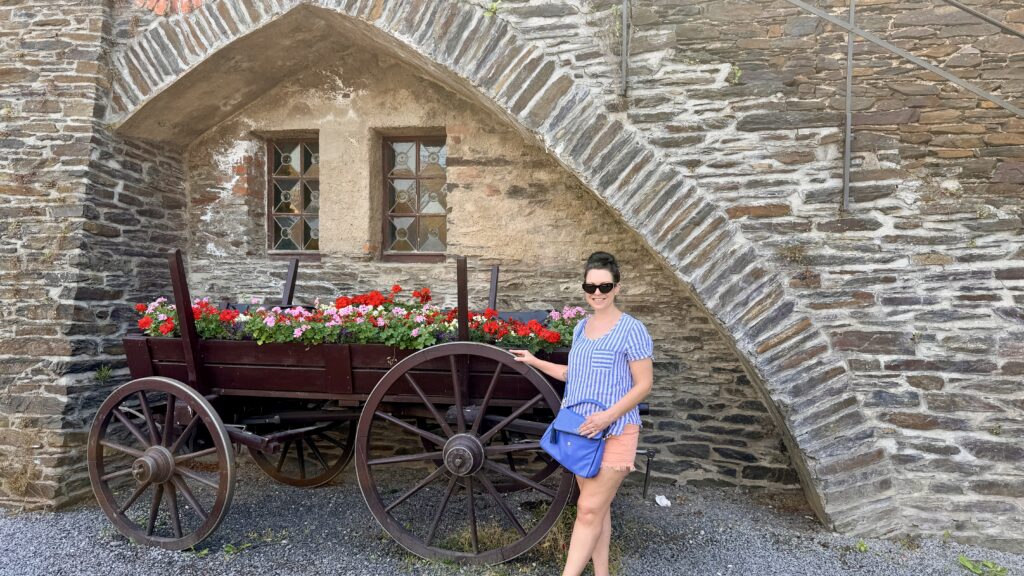
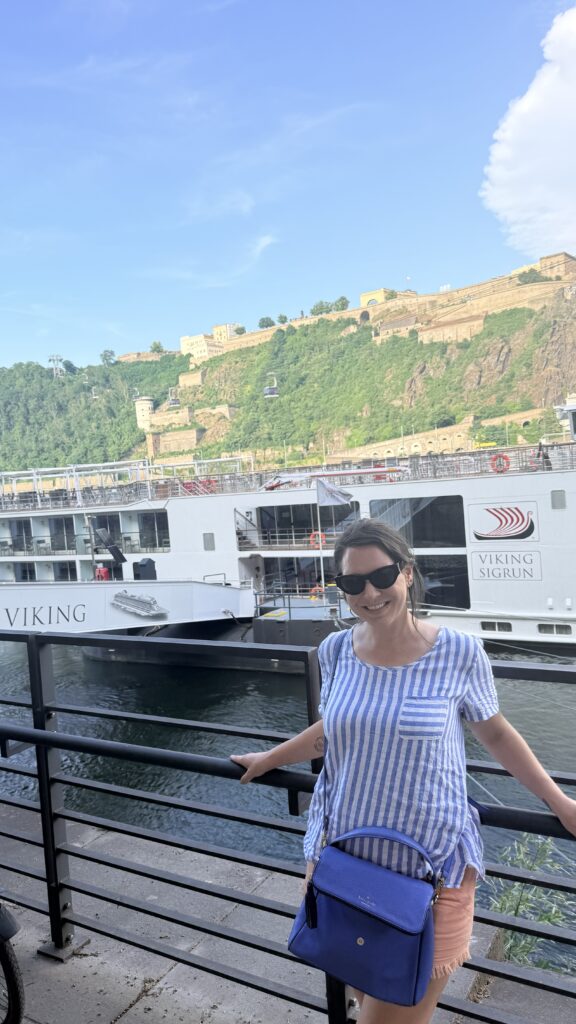
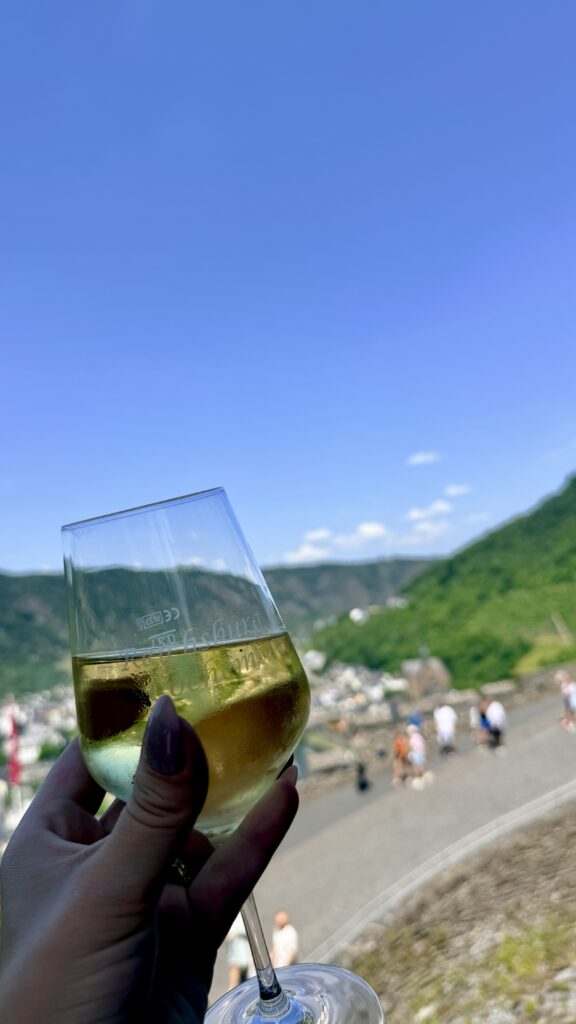
Specifically, the wine in Cochem. A small glass of local Riesling, poured at a family-run weingut with a view of the river and the castle hill above it, on a warm afternoon with no particular agenda. That single glass may be responsible for half the conversations I have had with clients since returning. The Moselle does that to people.

If you have been researching European river cruises and keep circling back to the Rhine, I want to make a case for looking just a little further west. The Moselle River, winding 340 kilometers through the wine country of western Germany from Trier to Koblenz, is one of Europe’s most beautiful and least-crowded luxury river cruise routes. It is quieter than the Rhine, slower-paced by design, and for travelers whose primary interest is wine, scenery, and genuine cultural immersion, it is arguably the superior destination.

Here is what you need to know.


Why the Moselle River Is the Top-Rated Hidden Gem in European River Cruising

The Moselle cuts through some of the steepest vineyard slopes in the world. These are not the gentle rolling hills you picture in Napa or Tuscany. Moselle vineyards are nearly vertical, planted on terraced slate hillsides that drop directly to the river’s edge, sometimes at gradients exceeding 60 degrees. Viticulture here is entirely manual labor. Machines cannot operate on slopes this severe, which means every grape cluster is harvested by hand, by workers who have spent generations learning how to navigate terrain that would defeat most people on foot.

That context matters when you taste the wine. Moselle Riesling has an intensity and minerality that reflects the struggle of its production. The slate soil imparts a distinctive flinty character. The cool microclimate preserves natural acidity. The result is a wine style found nowhere else on earth.

The Moselle is also, frankly, less famous than it deserves to be. Rhine cruises dominate the marketing for German river travel, and the Moselle has benefited from a kind of benign neglect that keeps it uncrowded, authentic, and genuinely delightful for travelers who seek that combination. Riverside towns have not yet been overrun. The best weinguts are still pouring for small groups. The hilltop castle views are still free of crowds on a Tuesday morning.

Best for: wine enthusiasts, couples seeking a romantic and uncrowded European escape, travelers who have already done the Rhine and want something deeper, retirees prioritizing scenery and slower pacing, foodies interested in regional German cuisine, and first-time river cruisers who want fewer crowds and more intimacy.


Cochem: Is This the Most Charming Small Town on Any European River Cruise Route?

I will tell you exactly where I stood when I decided the Moselle was something special. It was in Cochem, looking up at Reichsburg Castle from the riverfront promenade, with a glass of local Riesling in hand that I had purchased from a weingut literally steps from the dock.

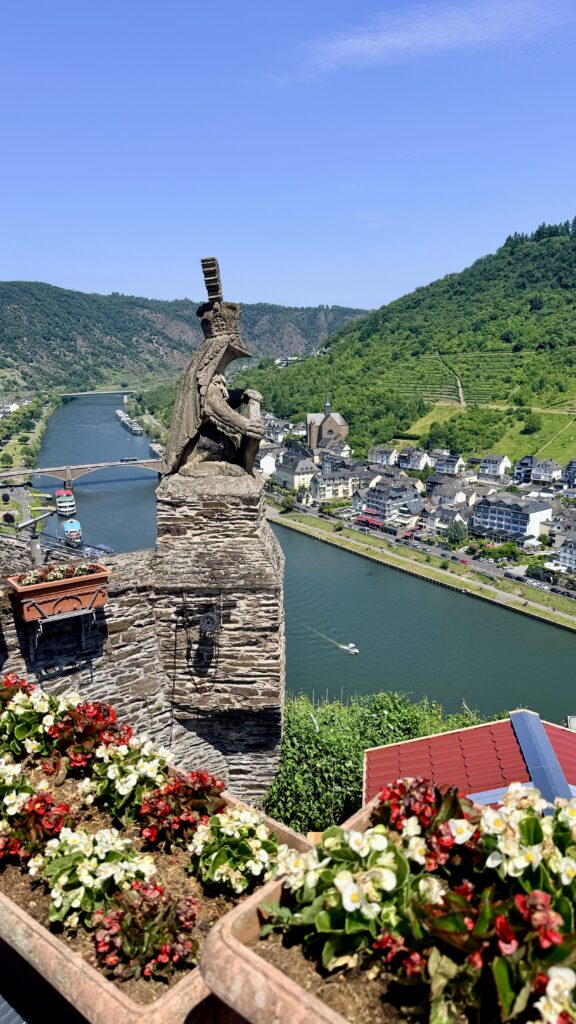
Cochem sits in a tight bend of the Moselle, surrounded on all sides by vine-terraced slopes that rise steeply from the water. The town itself is a collection of half-timbered buildings, flower-draped balconies, and cobblestone lanes that seem almost improbably picturesque. Reichsburg Castle crowns the hill above it all, a 12th-century fortress that was largely destroyed in 1689 and rebuilt in the neo-Gothic style in 1877, making it look even more like a fairy tale than most genuine medieval castles.

What to do in Cochem on a river cruise shore day:

  • Hike or take the chairlift to Reichsburg Castle for panoramic views of the Moselle bends below and the vine terraces stretching in every direction
  • Walk the Enderttor, the preserved medieval gateway that marks the entrance to the old town
  • Visit a local weingut for a guided Riesling tasting — Cochem’s small-production family estates offer tastings that feel nothing like a commercial operation; you are often sitting with the winemaker
  • Stroll the Moselle promenade in the late afternoon when the light goes golden on the slate hillsides
  • Try Saumagen (stuffed pig stomach, a regional Rhineland-Palatinate specialty) or Zwiebelkuchen (onion tart) at one of the Altstadt restaurants

The wine I had in Cochem was a Spätlese Riesling from a single-vineyard site above the town. Slightly off-dry, intensely mineral, with an apricot and lime character I have not stopped talking about. If you are a Riesling drinker who has only encountered the style in supermarket bottles, what you will find on the Moselle will genuinely recalibrate your understanding of what the grape can do.

Bernkastel-Kues: Why This Is the Best Moselle Stop for Serious Wine Enthusiasts

If Cochem wins the prize for charm, Bernkastel-Kues wins for wine prestige. This twin town, divided by the river (Bernkastel on the right bank, Kues on the left), sits at the geographic heart of the Mittelmosel, the stretch of the valley that produces the most celebrated Rieslings in Germany.

The Bernkasteler Doctor vineyard, rising steeply behind the town, is one of the most famous wine sites in the world. Its name reportedly comes from a 14th-century story in which a gravely ill Archbishop of Trier was cured by local Moselle wine when all other remedies failed. The vineyard is now classified as a Grosses Gewächs, Germany’s highest designation for dry Riesling sites, and bottles from the Doctor command prices that reflect that status.

What not to miss in Bernkastel-Kues:

  • The Marktplatz in Bernkastel is one of the most photographed market squares in Germany: a tightly packed collection of half-timbered townhouses, some dating to the 17th century, leaning at slight angles over the cobblestones as if in conversation with each other
  • Burg Landshut, the ruined castle above the town, offers a moderately challenging hike and sweeping views over the Bernkasteler Doctor vineyard and the river below
  • The Moselle Wine Museum in Kues, housed in a 15th-century hospice founded by the philosopher and cardinal Nikolaus von Kues (Cusanus), includes one of the most interesting collections of regional viticulture history in Germany
  • Wine tasting at a Weinstube in the old town, where a small glass of Bernkasteler Doctor or Badstube costs far less than the same wine would in a restaurant abroad
  • The Bernkastel Wine Festival (held annually in early September) draws over 200,000 visitors and is considered one of the best regional wine festivals in Germany

For travelers combining the Moselle with a Rhine itinerary, Bernkastel-Kues is the stop that tends to inspire the most serious follow-up questions about wine: producers to look for, vintages to seek out, and whether it is possible to return just for the harvest season.


Trier: What Makes Germany’s Oldest City One of the Best History Stops on Any European River Cruise?

Before there was a Germany, there was Trier. Founded by the Romans around 16 BC, Augusta Treverorum, as it was then known, became one of the most important cities in the Western Roman Empire. At its peak in the 4th century AD, it served as an imperial residence, a seat of government, and a military headquarters. The infrastructure Romans built here has outlasted empires.

Trier holds more Roman monuments than any other city north of the Alps, and four of them are UNESCO World Heritage Sites.

Top Roman sites in Trier for river cruise travelers:

  • Porta Nigra (“Black Gate”), a massive Roman city gate constructed around 180 AD that stands largely intact, its stone darkened to near-black by centuries of weathering; it is the largest and best-preserved Roman gate north of the Alps
  • The Imperial Baths (Kaiserthermen), a 4th-century complex whose scale still conveys the ambition of late Roman imperial building; the underground tunnel system is particularly atmospheric
  • The Basilica of Constantine, a 4th-century throne room converted into a Protestant church, whose single barrel-vaulted nave is one of the largest unpartitioned interior spaces surviving from antiquity
  • The Roman Amphitheater, which once held 20,000 spectators and hosted gladiatorial combat; the underground holding cells for animals and prisoners are accessible on guided tours
  • The Rhineland Museum (Rheinisches Landesmuseum), home to the largest collection of Roman mosaics in Germany, including the extraordinary Dionysos Mosaic

Beyond the Roman layer, Trier has a well-preserved medieval core, a cathedral that has been in continuous use since the 4th century (making it the oldest cathedral in Germany), and a central market square that hosts one of the region’s best Christmas markets in winter.

Traveler note: Trier is also the birthplace of Karl Marx, and the Karl Marx House Museum on Brückenstrasse is a thoughtful and well-curated stop for travelers interested in 19th-century intellectual history, regardless of their politics.


Moselle Riesling vs. Rhine Riesling: What Is the Actual Difference and Why Does It Matter to Wine Lovers?

This is the question I get from clients who have had good German Riesling elsewhere and want to understand what makes the Moselle distinct. The short answer is: slate, steepness, and latitude.

The soil. Moselle vineyards are planted almost entirely on Devonian blue slate, a mineral-dense rock that drains quickly, retains heat through cool nights, and imparts the characteristic flinty, almost smoky quality that distinguishes top Moselle Rieslings. Rheingau and Rheinhessen wines grow on different soils and produce rounder, sometimes richer expressions of the same grape.

The steepness. Vine stress matters. The extreme slope gradients of the Moselle force vines to push roots deep into the slate in search of water and nutrients. That struggle concentrates flavor compounds in the fruit. Flat-vineyard Riesling, however well-made, rarely achieves the same aromatic intensity.

The latitude and microclimate. The Moselle River winds in dramatic curves through a narrow valley. Those meanders create protected microclimates where vines receive maximum sun exposure on south-facing slopes while the river reflects additional warmth upward. Diurnal temperature swings between warm days and cool nights preserve natural acidity and aromatic compounds that would be lost in a warmer climate.

The style. Moselle Rieslings range from bone dry Kabinett and Spätlese to lusciously sweet Auslese, Beerenauslese, and Trockenbeerenauslese. The best examples at every sweetness level share a transparency and delicacy that makes them among the most food-friendly wines in the world. At 7 to 9 percent alcohol, even the sweeter styles are light enough to drink through an entire meal.

If you leave the Moselle with a half-case of wine in your luggage and a list of producers to seek out back home, that is a completely normal outcome. Plan for the extra baggage fee.

Moselle vs. Rhine River Cruise: Which Is the Better Luxury Itinerary for First-Time European River Cruisers?

The honest answer is that they are different experiences optimized for different travelers, and the choice depends more on your priorities than on any objective ranking.

Choose the Rhine if: you want iconic UNESCO castles, maximum historic variety across multiple countries, Christmas market access to Germany’s largest cities, and the highest concentration of must-see landmarks in the shortest distance.

Choose the Moselle if: wine is your primary interest, you value a quieter and less commercially developed destination, you prefer intimate towns over major cities, and you want the feeling of genuine discovery rather than the world’s most famous river cruise route.

Choose both if: your schedule allows it. Several Viking itineraries and other river cruise operators combine Rhine and Moselle segments, giving travelers the best of both valleys in a single sailing. For wine-focused travelers, the combination is close to ideal.


Viking River Cruises on the Moselle: What to Expect from the Best-Rated Luxury River Cruise Experience

Viking’s Moselle offerings are less prominently marketed than their Rhine sailings, which means availability can sometimes be better and the overall atmosphere even more intimate. The same Longship design that makes Viking Rhine sailings so comfortable translates perfectly to the Moselle, with the additional benefit that the narrower, quieter river makes the scenery feel even closer from the stateroom veranda.

What Viking includes on Moselle itineraries:

  • Guided shore excursions at every port, including castle visits, old town walking tours, and wine cellar tastings
  • Onboard regional food and wine programming reflecting the Riesling culture of the valley
  • Lectures and cultural programming about Roman history, medieval German viticulture, and regional traditions
  • All meals, most beverages including regional wines, Wi-Fi, and port charges

Viking’s no-children policy means the Moselle sailing attracts a particular kind of traveler: curious, engaged, interested in depth over volume. The onboard conversations tend to match the destination.

Best Viking Moselle itineraries to ask about:

  • Sailings that combine the Moselle with a Rhine segment for maximum valley coverage
  • Harvest season departures (September through October) when vineyards are active and regional wine festivals are in full swing
  • Holiday departures for Trier and Bernkastel Christmas markets (late November through December)

What Is the Best Time of Year to Cruise the Moselle River?

Spring (April to June): Vineyards are budding, wildflowers line the slopes, and river towns are lively without being crowded. Temperatures are mild and ideal for walking. This is one of the best times for travelers who want beautiful scenery without summer heat.

Summer (July to August): Peak season with the warmest weather and longest days. River terraces and outdoor wine gardens are in full operation. Book well in advance as this is the most popular period.

Harvest season (September to October): The single best time for wine lovers. Harvest is underway in the vineyards, regional wine festivals are at their peak, and the slopes turn from green to gold and amber. Bernkastel’s wine festival in early September is a particular highlight.

Christmas season (late November to December): Trier hosts one of Germany’s most atmospheric Christmas markets in the shadow of the Porta Nigra. Bernkastel’s market fills the medieval Marktplatz. The Moselle in December, with frost on the vine rows and mulled wine in hand, has a particular magic that is difficult to describe accurately and very easy to book.


How to Plan a Moselle River Cruise That Matches Your Travel Style and Budget

Planning a Moselle cruise well requires more than selecting a departure date on a booking website. Cabin category matters enormously on a river ship: the difference between a standard window cabin and a veranda stateroom is the difference between watching the Moselle vineyard slopes through a porthole and sitting outside with a glass of Riesling as the scenery moves past at walking pace.

Timing matters too. For wine lovers, September sailings during harvest are worth prioritizing even if they require more scheduling flexibility. For travelers focused on Christmas markets, early December departures that include both Trier and Bernkastel maximize the experience.

As a travel advisor specializing in river cruises and European destinations, I help clients navigate these decisions without charging planning fees. My experience on the Moselle this year gave me firsthand knowledge of what the region delivers and how to structure a trip around it, whether that is a standalone Moselle itinerary or a combined Rhine and Moselle sailing that covers both valleys.

Contact me at [email protected] or visit vincentvacations.com/agents/GretchenOde to start planning. The Riesling is waiting.
What Is the Best Luxury Rhine River Cruise for Couples Who Love Castles, Wine, and Christmas Markets?

If you’ve ever searched “best Rhine River cruise for couples” or “luxury river cruise through German castles and vineyards,” you’ve probably already pictured it: a sleek ship gliding past medieval towers on vine-draped hillsides, a glass of Riesling in hand, the soft glow of a Christmas market lantern reflecting off the water. The Rhine River doesn’t just live up to the fantasy—it exceeds it. And when you travel it aboard a Viking river cruise, every detail is handled so you can simply absorb one of the most beautiful corridors in all of Europe.

This guide breaks down exactly what to expect, what not to miss, and why the Rhine belongs at the top of every bucket list for discerning travelers who want history, culture, wine, and luxury rolled into one unforgettable journey.

Why the Rhine River Is the Top-Rated European River Cruise Route for History Lovers

The Middle Rhine Valley, a UNESCO World Heritage Site, stretches roughly 65 kilometers between Bingen and Koblenz and packs more castles per mile than almost anywhere else on earth. Over 40 fortresses and castle ruins crown the hillsides, each one tied to a different chapter of medieval European power struggles, toll-collecting princes, and legendary folklore.

This is not a destination you skim. The Rhine rewards travelers who want depth – the kind of trip where you’re discussing the Holy Roman Empire over dinner and spotting a 13th-century watchtower from your stateroom window before breakfast.

Best for: couples, history enthusiasts, wine lovers, retirees seeking active cultural immersion, milestone anniversary travelers, and anyone who has ever said “I want to do Europe differently.”

The Lorelei Rock: What Is the Legend and Why Every Rhine Cruise Passenger Stops Here

No stretch of the Rhine is more iconic than the narrow gorge near the town of St. Goarshausen, where a towering 132-meter slate cliff juts out over the water. This is the Lorelei Rock, and it is the single most-photographed landmark on the entire river.

The legend is as dramatic as the scenery: a beautiful blonde siren sat atop the cliff combing her golden hair and singing so enchantingly that passing sailors became distracted, crashed their boats on the rocks below, and drowned. Heinrich Heine immortalized the story in his 1824 poem Die Lorelei, which later became one of Germany’s most beloved folk songs.

On a Viking river cruise, your ship passes directly through this gorge. The current here is swift, the banks close, and the effect is genuinely cinematic. Bring your camera to the top deck. The Lorelei is one of those moments that reminds you why you chose a river cruise over a flight-and-hotel package: you are inside the landscape, not observing it from a distance.

Insider tip: Viking ships typically pass the Lorelei in the late afternoon or early evening, catching the light at its most dramatic on the cliff face.

Rüdesheim Wine Tasting: Is This the Best Rhine Valley Stop for Wine Lovers?

For oenophiles, Rüdesheim am Rhein is the Rhine Valley town that checks every box. Nestled on the western bank between vine-terraced slopes and the river, this charming town is ground zero for some of Germany’s finest Riesling production – and it is a signature stop on Viking Rhine itineraries.

The Drosselgasse, a narrow cobblestone lane barely wide enough for two people to pass, is the town’s most famous street: wine taverns, live folk music, flower boxes, and the smell of roasting chestnuts in the fall. It is unapologetically festive and entirely worth it.

What to do in Rüdesheim on a Viking shore excursion:

  • Tour the Drosselgasse and taste Riesling, Spätburgunder (Pinot Noir), and Sekt (German sparkling wine) at local weinguts
  • Visit the Rüdesheim Wine Museum housed inside Brömserburg Castle, one of the oldest castle complexes in the Rhine Valley
  • Take the Niederwald gondola lift up to the 38-meter Germania Monument for panoramic views over the vine-carpeted hillsides and the river below
  • Book a private wine cellar tasting through a local family-owned estate — Viking’s destination experts can arrange this in advance

This is the Rhine stop for travelers who define luxury as access: the ability to stand in a centuries-old wine cellar, sip directly from the barrel, and have the winemaker explain the terroir in detail while the river glimmers outside the window.

Cologne Cathedral: Why This Is the Most Visited Landmark in Germany and What Luxury Rhine Cruisers Need to Know

Before you even set foot on the dock in Cologne, you will see it: the twin Gothic spires of the Cologne Cathedral piercing the skyline at 157 meters, dominating everything around them. Construction began in 1248. It wasn’t completed until 1880: a 632-year building project. The cathedral is a UNESCO World Heritage Site and Germany’s most-visited landmark, drawing over six million visitors per year.

For passengers on a Viking Rhine cruise docking in Cologne, the cathedral is roughly a 10-minute walk from the riverbank. That proximity is not accidental — medieval Cologne was built around this structure, and the entire city still orients itself to it.

What to see inside Cologne Cathedral:

  • The Shrine of the Three Kings, a gilded reliquary said to contain the remains of the Biblical Magi — one of the most important pilgrimage objects in medieval Christianity
  • The Gero Cross (circa 970 AD), considered the oldest large-scale crucifix north of the Alps
  • The Richartz Window, a modern stained glass installation by Gerhard Richter consisting of 11,500 pixel-like squares in 72 colors – controversial when installed in 2007, now widely regarded as a masterpiece of contemporary sacred art
  • The Treasury, housing centuries of ecclesiastical goldsmithing and jeweled relics

Best tip for Rhine cruise travelers: Visit the cathedral early morning when the light comes through the medieval stained glass before the tour groups arrive. Viking’s Cologne port call typically gives you a full day – use the morning for the cathedral and the afternoon for the Old Town’s chocolate museum, beer halls, and the 4711 perfume house.

Strasbourg: Is This the Best Rhine Cruise Stop for Travelers Who Want Both France and Germany in One Day?

Strasbourg occupies one of the most unusual geographical and cultural positions in all of Europe. The capital of the Alsace region sits on the west bank of the Rhine, and it has changed hands between France and Germany four times since 1870. The result is an architecture, cuisine, and cultural identity found nowhere else: half-timbered Alsatian townhouses, French patisseries, German beer gardens, and a cathedral that blends both traditions seamlessly.

Viking Rhine itineraries typically include Strasbourg as a port call, and it is consistently rated among the top Rhine cruise stops by experienced travelers.

What not to miss in Strasbourg on a Rhine cruise shore day:

  • La Petite France — the best-preserved medieval quarter in the city, where canals wind between 16th-century tanner and tanner houses now converted into restaurants and artisan shops
  • Strasbourg Cathedral — a masterpiece of High Gothic architecture with an astronomical clock that performs a mechanical show at 12:30pm daily; the rose window on the south façade is exceptional
  • The European Parliament — Strasbourg is one of the official seats of the EU, and guided visits are available; a fascinating stop for travelers interested in modern history and governance
  • Alsatian cuisine — tarte flambée (the Alsatian answer to pizza), choucroute garnie, and kougelhopf cake pair beautifully with local Pinot Gris; lunch at a traditional winstub is mandatory
  • Christmas Market in Strasbourg (late November through December) — widely considered the oldest and best Christmas market in France, dating to 1570, with over 300 chalets spread across the historic center

Traveler type note: Strasbourg is the Rhine stop that tends to convert skeptics. Travelers who arrive thinking of it as “just another old European city” consistently leave calling it a highlight of the entire trip.

Amsterdam: Why the Best Rhine River Cruises Begin or End in This World-Class City

Most Viking Rhine itineraries either depart from or conclude in Amsterdam, and smart travelers build in at least two to three extra nights to do the city justice. Amsterdam is not a one-day city – it rewards the traveler who wanders without an agenda, follows a canal until it leads somewhere unexpected, and books dinner without knowing yet what neighborhood they’ll end up in.

Top luxury experiences in Amsterdam for Rhine cruise travelers:

  • The Rijksmuseum — home to Rembrandt’s Night Watch and Vermeer’s The Milkmaid; book skip-the-line tickets well in advance; the building itself, a 19th-century neo-Gothic palace, is worth at least an hour of your time before you see a single painting
  • Anne Frank House — one of the most emotionally significant historical sites in Europe; timed entry tickets sell out weeks in advance and must be booked online
  • Canal boat tour — the best way to see Amsterdam’s UNESCO-listed canal ring; private sunset tours are available through boutique operators and offer a level of access and quiet that group tours don’t
  • The Jordaan neighborhood — the city’s most charming district for gallery-hopping, independent boutiques, brown cafes (traditional Dutch pubs), and cheese shops
  • Amsterdam’s best luxury hotels pre- or post-cruise — the Hotel V Nesplein, the Conservatorium, and the Pulitzer Amsterdam (housed in 25 restored canal houses) are all top-rated options within easy distance of Viking’s Amsterdam dock

For Viking Rhine cruisers arriving early: Amsterdam’s Schiphol Airport is one of Europe’s most efficient international hubs, with direct service from most major US cities. Viking’s Amsterdam embarkation point is well-situated for transfers.

Rhine Christmas Markets: Which Viking Rhine Cruise Itinerary Is Best for Holiday Travelers?

If the words “Christmas market” make you think of mulled wine, handmade ornaments, roasted almonds, and the smell of gingerbread in cold air, the Rhine in December will feel like a dream you have been trying to reach your entire life.

Viking’s “Christmas on the Rhine” sailings are among the most sought-after itineraries in river cruising, and for good reason: the ship stops at some of Europe’s finest holiday markets in rapid succession, meaning you can wake up in Cologne, spend the afternoon in a different market town, and toast the evening from your stateroom balcony as the illuminated castles pass in the dark.

Top Rhine Christmas markets included on Viking holiday sailings:

  • Cologne Christmas Market — seven distinct markets spread across the city, including the cathedral market (one of the most photographed in Germany) and the historic market at the Old City Hall
  • Strasbourg Christmas Market — France’s oldest, dating to 1570; the Grande Ile glows with thousands of lights; local specialties include bredele cookies and Alsatian mulled wine (vin chaud)
  • Rüdesheim Christmas Market — set in the medieval Drosselgasse, with live music, local Riesling served warm, and handcrafted wooden ornaments
  • Mainz Christmas Market — one of Germany’s largest, spread across five plazas in the historic city center, known for its artisan crafts and regional food vendors
  • Basel Christmas Market — Switzerland’s largest outdoor market, set in the Barfüsserplatz and Münsterplatz, with a strong emphasis on handmade goods and Swiss confections
  • Amsterdam Holiday Markets — the city’s waterfront markets combine Dutch tradition with international flair; the Winterparade along the canals is particularly atmospheric

Viking’s Christmas on the Rhine sailings typically depart late November through mid-December and book up quickly — often 12 to 18 months in advance. If this is on your list, the time to start planning is now.

Viking River Cruises on the Rhine: What Makes This the Top-Rated Luxury River Cruise Line?

There are several river cruise lines operating on the Rhine, but Viking consistently earns its reputation as the gold standard and the reasons are specific enough to be worth spelling out.

What sets Viking Rhine cruises apart:

  • Longship design – Viking’s purpose-built river ships feature an almost all-glass main lounge (the Aquavit Terrace), a sun deck with a full-width infinity pool, and staterooms with floor-to-ceiling sliding glass doors and private verandas. The ships feel like boutique hotels, not floating buses.
  • Included shore excursions — unlike many cruise lines that charge extra for guided tours, Viking includes a guided excursion at every port, with optional upgraded tours available for travelers who want more depth
  • Destination-immersive programming — Viking is known for onboard lectures, local performer guests, and food programming that reflects the destination rather than generic international menus
  • No children under 18 — Viking caters exclusively to adult travelers, which creates a notably different atmosphere than family-oriented cruise lines; this is a meaningful factor for couples and retirees
  • All-inclusive value — Viking’s Rhine fares include meals, most beverages, shore excursions, Wi-Fi, and port charges, making the actual cost of travel more predictable than lines with extensive add-on structures
  • Small ship intimacy — Viking Longships carry approximately 190 guests, compared to ocean ships carrying thousands; this translates to no lines, personalized service, and the ability to dock directly in city centers rather than industrial ports

Best Viking Rhine itineraries for first-time river cruisers:

  • Romantic Rhine (8 days, Amsterdam to Basel)
  • Grand European Tour (15 days, Amsterdam to Budapest, passing through the Rhine, Main, and Danube)
  • Christmas on the Rhine (8 days, Basel to Amsterdam, holiday market focused)

Who Is a Rhine River Cruise Best For? A Traveler Type Breakdown

Best Rhine cruise for couples celebrating anniversaries or honeymoons: The combination of castle views, private wine tastings, candlelit Christmas market evenings, and the intimacy of a small ship makes the Rhine one of the most romantic itineraries in European travel. Viking’s couples-only atmosphere (no children) enhances this considerably.

Best Rhine cruise for solo travelers over 60: Viking’s no-single-supplement promotions (offered periodically) and its strong onboard social programming make it one of the top-rated options for solo travelers who want company without pressure.

Best Rhine cruise for travelers who have “done Europe” before: The Rhine rewards travelers who have already covered Paris, Rome, and London and want to go deeper into European history and regional culture. The UNESCO villages, castle interiors, wine cellars, and Alsatian cuisine are off the typical tourist itinerary in ways that feel genuinely revelatory.

Best Rhine cruise for foodies and wine lovers: Between Rüdesheim Riesling, Alsatian tarte flambée, Cologne’s beer halls, and Amsterdam’s Michelin-starred restaurant scene, the Rhine is one of the most culinarily interesting river routes in Europe.

How to Book a Viking Rhine River Cruise: What a Travel Advisor Can Do That a Website Can’t

Viking’s website will show you dates and prices. What it won’t do is tell you which cabin category is worth the upgrade, which sailing date has the best light for castle viewing, which shore excursions book up fast and need to be requested early, or how to coordinate the pre-cruise Amsterdam extension to get the most out of both legs of the trip.

That’s where working with a travel advisor who specializes in river cruising makes a concrete difference – not just in the planning, but in the experience itself.

As a Viking specialist affiliated with Vincent Vacations, I work directly with clients to build Rhine itineraries that fit their travel style, budget, and timeline – at no planning fee. My role is to handle the logistics, monitor for promotions, and make sure every detail is in place before you board.

Ready to plan your Rhine River cruise?
Contact me directly at [email protected] or visit vincentvacations.com/agents/GretchenOde to get started.

If Your Brain Has 27 Open Tabs… Here’s How to Plan Trips Without Losing Your Mind

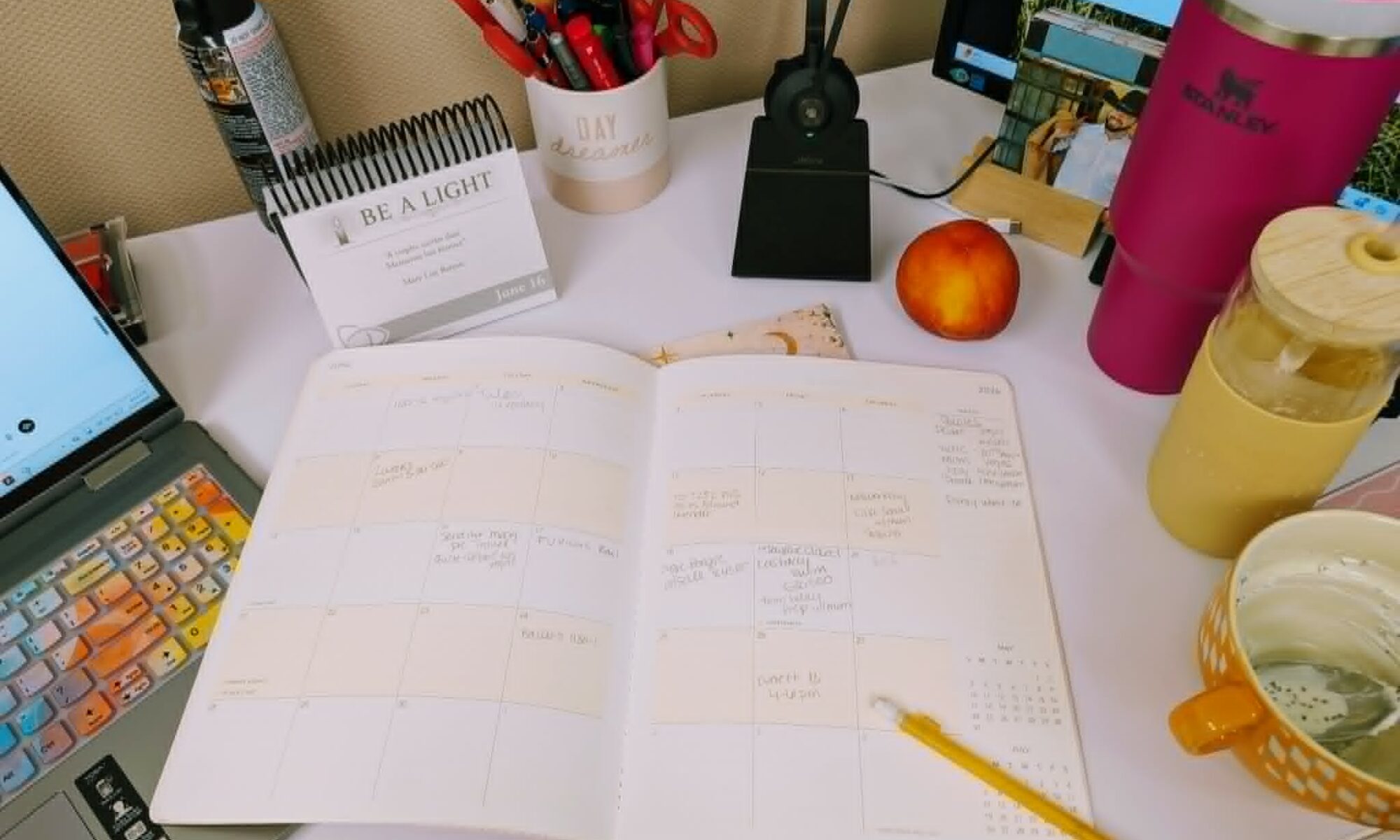
This morning I was sitting here with approximately 47 tabs open in my brain…

  • My twins’ 2nd birthday party and everything I still need to do
  • My sister’s bachelorette party (decorations, outfits, reservations for 9 😅)
  • Our August family getaway to Texas to try the new Universal Kids Resort park
  • And then… Disneyland in September because Oogie Boogie Bash tickets go on sale THIS WEEK

And suddenly I had this moment of:
“How is everything happening at once… and what do I actually need to do right now?!”

If you’ve ever felt like that; you’re not alone.

This is exactly how most families plan travel. It’s not neat and organized. It’s life, layered on top of life, with a sprinkle of “wait, are we going to miss something important?!”

Why Everything Feels Urgent (Even When It’s Not)

When you have multiple events, trips, and responsibilities happening at once, your brain treats everything like it’s equally urgent.

But in reality? It’s not.

Some things truly are time-sensitive (like special event tickets 👀), while others feel urgent but actually have more flexibility.

The problem is no one really teaches you how to tell the difference.

What Actually Needs Your Attention First

Let’s break this down in a real-life way:

Immediate / Time-Sensitive:

  • Special event tickets (like Oogie Boogie Bash 👻)
  • Limited-capacity experiences
  • Dining reservations for large groups

Plan Soon (But Not Panic-Level):

  • Flights (once they’re released within that booking window)
  • Popular hotels or resorts for peak dates

Can Wait (Even If It Feels Like It Can’t):

  • Outfits
  • Decorations
  • Extras and “nice-to-haves”

And yet… where do we spend most of our time first?

👉 The outfits
👉 The decorations
👉 The Pinterest spiral

No judgment, I’m right there with you 😂

The Real Secret to Stress-Free Travel Planning

It’s not doing everything at once.

It’s knowing what to focus on, and when.

This is where having a plan (or someone helping you create one) makes all the difference.

Because instead of:
“OMG I have so much to do”

You shift to:
“Okay, THIS is what actually matters today”

Where I Come In (Because This Is Literally My Job)

This is exactly what I help my clients do.

I keep track of:
✔️ When tickets go on sale
✔️ What needs to be booked first
✔️ What can wait
✔️ What will sell out vs what won’t

So you don’t have to carry all of those tabs in your head at once.

Because let’s be honest; you’ve already got enough going on.

The Bottom Line

If your brain feels like a chaotic mix of birthdays, trips, events, and “don’t forget this!!!” reminders…

You’re not doing it wrong.

You just need a better way to organize it; and someone who knows what actually matters first.

Ready to Simplify It?

If you’ve got multiple trips or events coming up and don’t know where to start, I’ve got you.

NEED HELP BOOKING A TRIP CLICK HERE NOW