
We spend a lot of time looking at the price of a vacation. How much is the flight? How much is the hotel? Is there a cheaper option? Of course, those things matter, and nobody wants to spend more money than they need to.
But there’s another question that’s sometimes more important: What are you getting for the extra money? The cheapest option isn’t always the best value. Sometimes spending a little more can eliminate a headache, save hours of vacation time, put you closer to the things you actually want to do, or simply make the trip easier.
That’s not about spending more just for the sake of spending more. It’s about knowing when the extra cost actually adds value to your vacation.

Sometimes You’re Paying for Your Time
One of the easiest examples is airfare. Let’s say there’s a flight that costs $250 less but requires a long layover. The less expensive flight might look like the obvious choice when you’re comparing prices, but what happens when you look at the entire trip? Maybe that layover adds five or six hours to your travel day, or you arrive late in the evening instead of early afternoon.
A direct flight may cost more, but you’re not just paying for the convenience of getting on one plane instead of two. You’re buying back time. If you have a limited number of vacation days each year, that time has value, too.
That doesn’t mean a direct flight is always worth paying more for. If the difference is several hundred dollars but the layover is short and doesn’t cost you meaningful vacation time, the less expensive option may make perfect sense. The point is to look beyond the airfare and ask what the difference actually buys you.

When Location Is Worth More Than the Room
Here’s another one that’s easy to overlook when comparing hotels. The less expensive hotel may have a perfectly nice room, and it might even be nicer than the more expensive hotel, but where is it located? If you’re going to Paris because you want to walk to restaurants, museums, cafés, and neighborhoods you’ve been dreaming about exploring, staying farther away because the hotel is cheaper may not actually be the bargain it appears to be.
You could spend those savings getting taxis or using public transportation every day. More importantly, you’re spending time getting back and forth instead of experiencing the destination. Sometimes location is part of the experience, and paying more to stay close to the things you actually want to do can eliminate transportation headaches, give you more flexibility, and let you spend more of your vacation experiencing the destination instead of getting to it.
The same thing applies to a beach vacation, a city break, or even a hotel chosen because of its proximity to a cruise port or airport. The right location can add value in ways that don’t show up when you’re simply comparing nightly rates.

When Convenience Eliminates Friction
Private transfers are another example. At first glance, paying for a private transfer can feel like an unnecessary luxury when there are less expensive options available. But think about what happens when you arrive somewhere after a long travel day: you get off the plane, collect your luggage, figure out where you’re supposed to go, wait for transportation, possibly make multiple stops, and eventually arrive at your hotel.
A private transfer can eliminate much of that friction. Someone is waiting for you, you get in the vehicle, and you go directly to your hotel. For some travelers, that’s absolutely worth paying more for, especially when you’re arriving somewhere unfamiliar, traveling with a group, carrying a lot of luggage, arriving late, or simply ready for the vacation to start.
You’re not really paying for a fancier ride. You’re paying to make the first part of your vacation easier. And sometimes that’s exactly where your money can add value.
Sometimes You’re Paying to Remove Decisions
There’s another kind of value that’s harder to put a price on: not having to figure everything out yourself. Maybe that means choosing a hotel that includes breakfast so you don’t have to figure out where to eat every morning. Maybe it’s booking transportation ahead of time rather than worrying about it when you arrive, choosing an itinerary with fewer hotel changes, or simply having someone narrow down the options for you.
Not every traveler wants the same level of convenience, and that’s okay. But if what you really want from your vacation is to stop managing things for a little while, paying for something that eliminates friction can be some of the best money you spend.
That’s also where working with a travel advisor can add value. You aren’t necessarily paying someone to find the cheapest possible option; you’re getting help sorting through the options, understanding the tradeoffs, and finding the choices that make sense for your vacation.
When an Upgrade Actually Changes the Experience
I’m not going to tell you that everyone needs a better room, a balcony, or an upgraded cabin category. Sometimes it’s absolutely worth it, and sometimes it isn’t. The question I’d ask is whether you’ll actually notice and appreciate the difference.
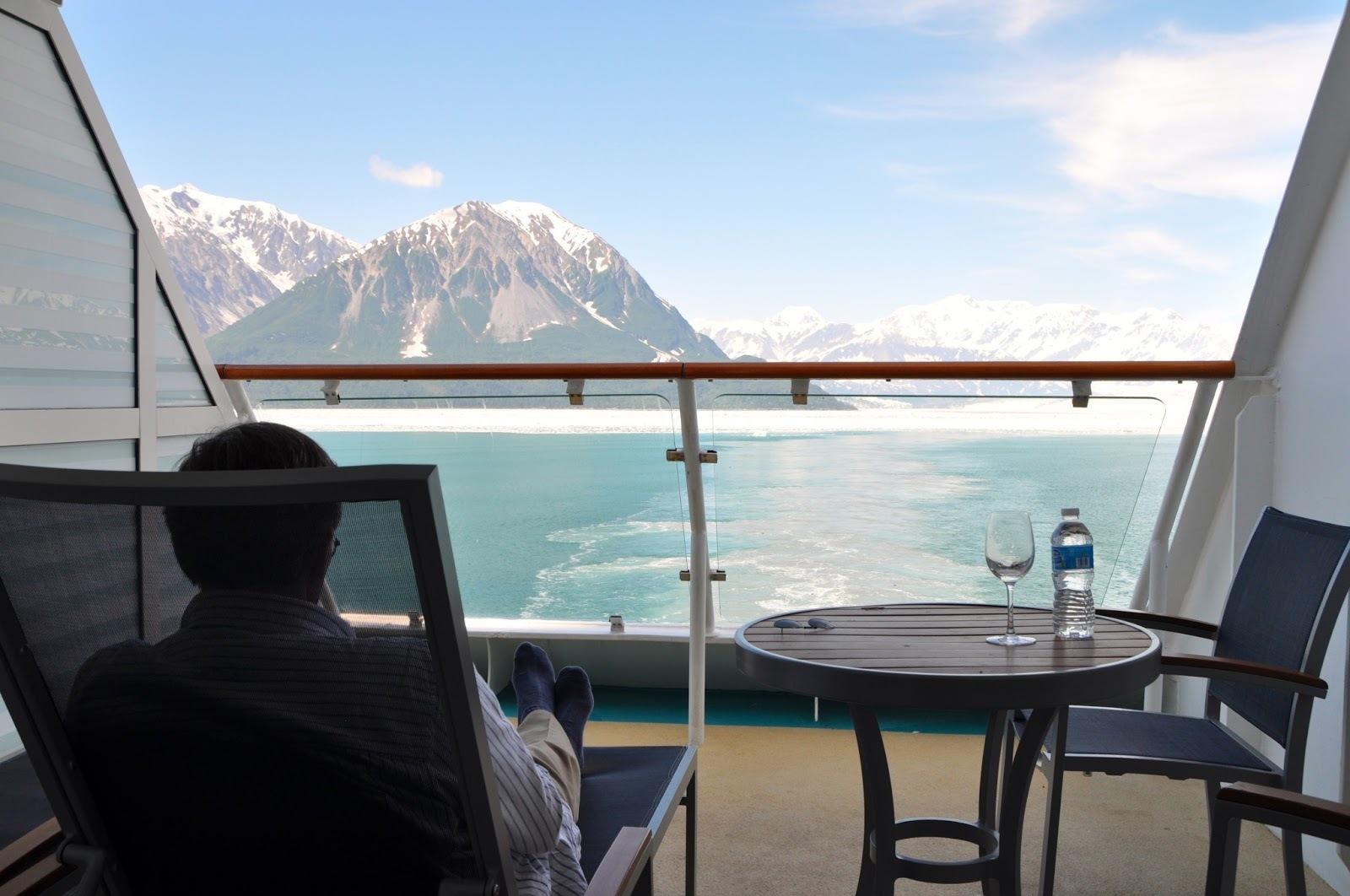
If you’re spending a week at a resort and picture yourself drinking coffee on your balcony every morning, a better view might be something you’ll appreciate every single day. If you’re taking an Alaska cruise and having a private balcony is part of the experience you’ve been dreaming about, that upgrade may mean much more to you than it would on a different trip.
But if you’re taking a European city vacation and you’re going to leave the hotel every morning and return exhausted at night, you may not get much value from paying significantly more for a room you’ll barely use. The more expensive option isn’t automatically the better option; it’s better when the thing you’re paying for actually matters to you.
Sometimes the Experience Is Worth Paying More For
There’s also the simplest question of all: What did you come here to do? If there’s an experience you’ve been talking about for years, that may be where spending a little more makes the most sense. Maybe it’s a special excursion, a food tour, a Broadway show, a wildlife experience, a private guide, or the dinner you’ve been looking forward to since you booked the trip.
You don’t have to spend more everywhere. In fact, I’d rather see someone save money on something they don’t care about and use it for the experience they’ll still be talking about years later.
That’s what makes value so personal. The thing worth an extra $300 to you may be completely unimportant to someone else, and that’s exactly why there isn’t a universal list of things everyone should upgrade.
More Expensive Doesn’t Always Mean More Valuable
This is the part I think is important to remember. I’m not suggesting that you should automatically choose the more expensive flight, the nicer hotel, the private transfer, or the upgraded room. More expensive doesn’t automatically mean better.
If the direct flight saves you an hour but costs $800 more, maybe that’s not the best use of your money. If the hotel upgrade gives you a view you’ll barely see because you’re out exploring all day, maybe skip it. If the private transfer is only slightly more convenient than an easy, inexpensive alternative, perhaps that’s money better spent somewhere else.
The goal isn’t to spend more. The goal is to spend where it adds value.
Your Vacation Budget Includes More Than Money
I think this is one of the most important things to consider when planning a vacation. Your budget isn’t just the dollars you’re willing to spend; it also includes your time, energy, comfort, and patience. Those things are easy to overlook because they don’t show up on a booking confirmation.
Sometimes spending $200 more means getting to your destination several hours earlier. Sometimes spending a little more on the hotel means you can walk instead of drive, or paying for a private transfer means your vacation starts the minute you leave the airport. And sometimes spending less is absolutely the right decision.
The trick is knowing the difference. That’s one of the reasons I don’t think vacation planning should be about finding the cheapest option for every part of your trip. It’s about figuring out where your money can do the most for you.
So, Where Is It Worth Paying More?
The answer is going to be different for everyone. Maybe your priority is getting there without losing half a day to a layover, while someone else cares much more about having the perfect hotel location. Maybe convenience is priceless after a long travel day, or maybe there’s one experience you don’t want to compromise on.
There’s no universal answer, and that’s actually the point. Your vacation should reflect what matters to you, rather than following a rule that says the cheapest option is always the smartest one or that spending more automatically means a better trip.
So instead of asking, “What’s the cheapest option?” try asking, “What will give me the most value for my vacation?” That’s the question I like to help my clients answer.
Because sometimes the best choice costs a little more—and sometimes it doesn’t. What matters is knowing why you’re paying the difference and what you’re getting in return.
If you’re planning a trip and aren’t sure where spending more will actually make a difference, I’d be happy to help you sort through the options. Let’s talk about what matters most to you and make sure your vacation budget is working for the experience you want.