What Is the Best Luxury River Cruise for Wine Lovers Who Want a Quieter, More Intimate Alternative to the Rhine?

I just got back from the Moselle Valley, and I am still thinking about the wine.
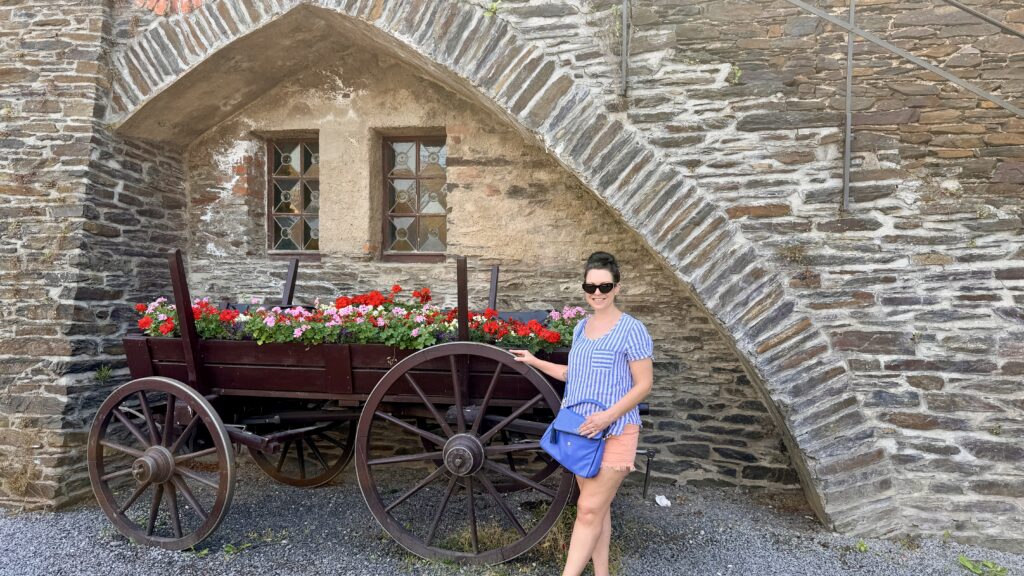
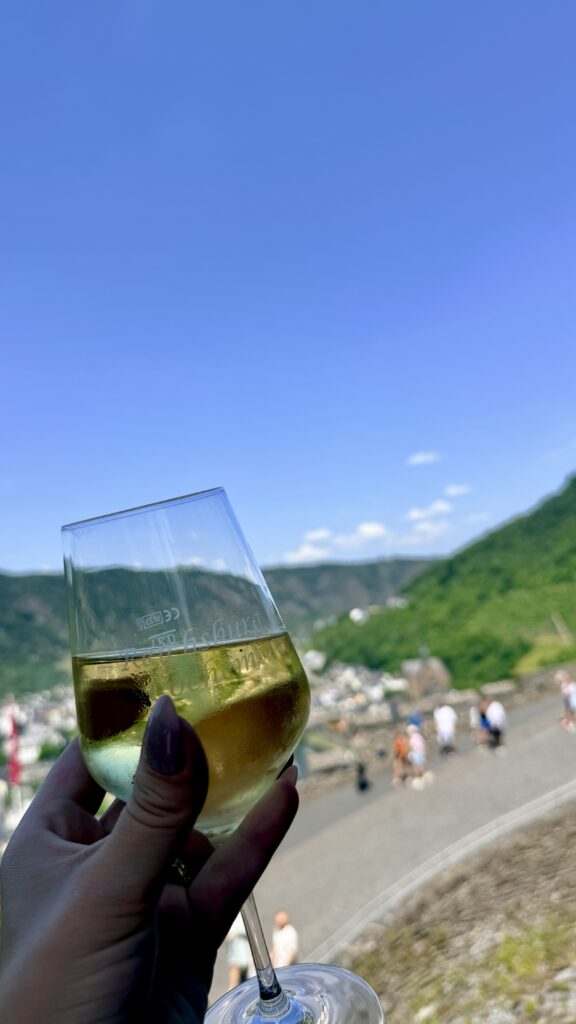
Specifically, the wine in Cochem. A small glass of local Riesling, poured at a family-run weingut with a view of the river and the castle hill above it, on a warm afternoon with no particular agenda. That single glass may be responsible for half the conversations I have had with clients since returning. The Moselle does that to people.

If you have been researching European river cruises and keep circling back to the Rhine, I want to make a case for looking just a little further west. The Moselle River, winding 340 kilometers through the wine country of western Germany from Trier to Koblenz, is one of Europe’s most beautiful and least-crowded luxury river cruise routes. It is quieter than the Rhine, slower-paced by design, and for travelers whose primary interest is wine, scenery, and genuine cultural immersion, it is arguably the superior destination.

Here is what you need to know.


Why the Moselle River Is the Top-Rated Hidden Gem in European River Cruising

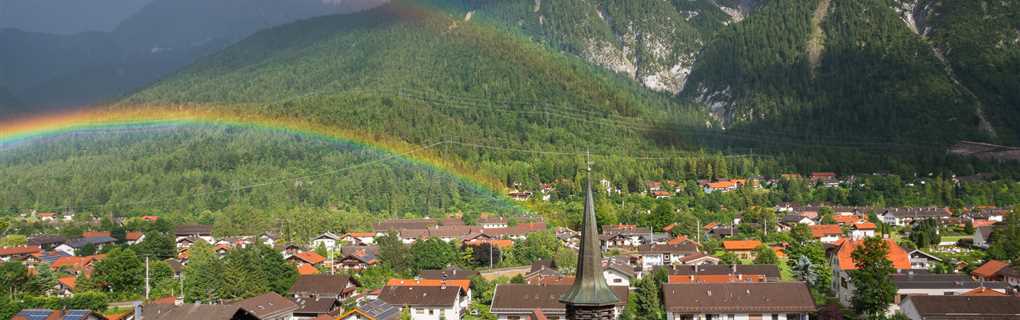
The Moselle cuts through some of the steepest vineyard slopes in the world. These are not the gentle rolling hills you picture in Napa or Tuscany. Moselle vineyards are nearly vertical, planted on terraced slate hillsides that drop directly to the river’s edge, sometimes at gradients exceeding 60 degrees. Viticulture here is entirely manual labor. Machines cannot operate on slopes this severe, which means every grape cluster is harvested by hand, by workers who have spent generations learning how to navigate terrain that would defeat most people on foot.

That context matters when you taste the wine. Moselle Riesling has an intensity and minerality that reflects the struggle of its production. The slate soil imparts a distinctive flinty character. The cool microclimate preserves natural acidity. The result is a wine style found nowhere else on earth.

The Moselle is also, frankly, less famous than it deserves to be. Rhine cruises dominate the marketing for German river travel, and the Moselle has benefited from a kind of benign neglect that keeps it uncrowded, authentic, and genuinely delightful for travelers who seek that combination. Riverside towns have not yet been overrun. The best weinguts are still pouring for small groups. The hilltop castle views are still free of crowds on a Tuesday morning.

Best for: wine enthusiasts, couples seeking a romantic and uncrowded European escape, travelers who have already done the Rhine and want something deeper, retirees prioritizing scenery and slower pacing, foodies interested in regional German cuisine, and first-time river cruisers who want fewer crowds and more intimacy.


Cochem: Is This the Most Charming Small Town on Any European River Cruise Route?

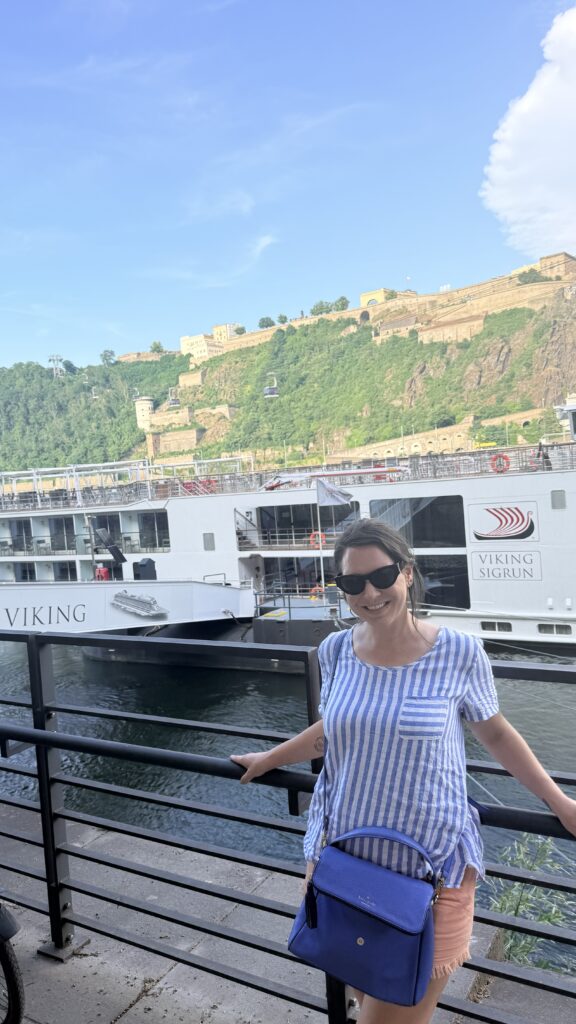
I will tell you exactly where I stood when I decided the Moselle was something special. It was in Cochem, looking up at Reichsburg Castle from the riverfront promenade, with a glass of local Riesling in hand that I had purchased from a weingut literally steps from the dock.

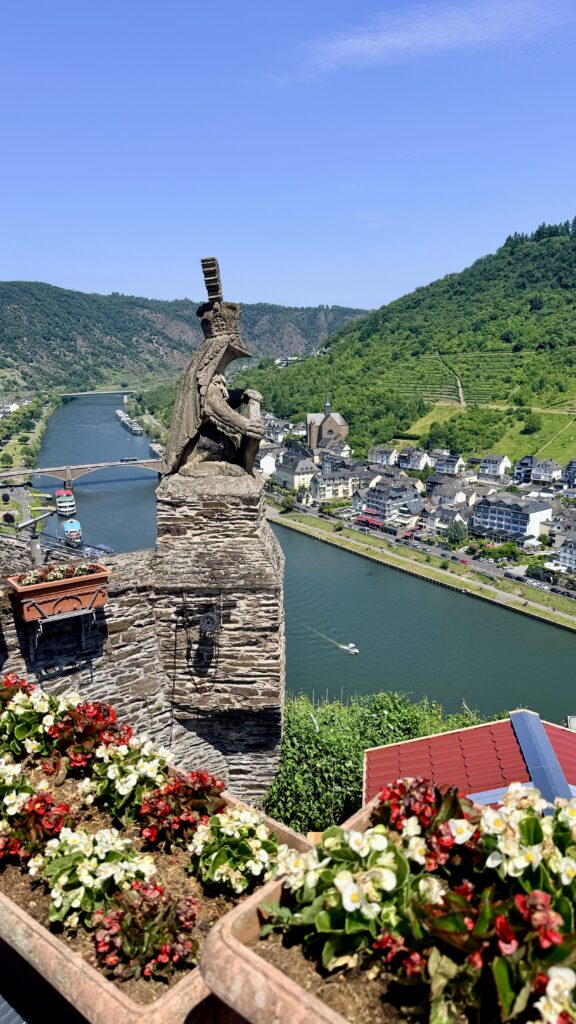
Cochem sits in a tight bend of the Moselle, surrounded on all sides by vine-terraced slopes that rise steeply from the water. The town itself is a collection of half-timbered buildings, flower-draped balconies, and cobblestone lanes that seem almost improbably picturesque. Reichsburg Castle crowns the hill above it all, a 12th-century fortress that was largely destroyed in 1689 and rebuilt in the neo-Gothic style in 1877, making it look even more like a fairy tale than most genuine medieval castles.

What to do in Cochem on a river cruise shore day:

  • Hike or take the chairlift to Reichsburg Castle for panoramic views of the Moselle bends below and the vine terraces stretching in every direction
  • Walk the Enderttor, the preserved medieval gateway that marks the entrance to the old town
  • Visit a local weingut for a guided Riesling tasting — Cochem’s small-production family estates offer tastings that feel nothing like a commercial operation; you are often sitting with the winemaker
  • Stroll the Moselle promenade in the late afternoon when the light goes golden on the slate hillsides
  • Try Saumagen (stuffed pig stomach, a regional Rhineland-Palatinate specialty) or Zwiebelkuchen (onion tart) at one of the Altstadt restaurants

The wine I had in Cochem was a Spätlese Riesling from a single-vineyard site above the town. Slightly off-dry, intensely mineral, with an apricot and lime character I have not stopped talking about. If you are a Riesling drinker who has only encountered the style in supermarket bottles, what you will find on the Moselle will genuinely recalibrate your understanding of what the grape can do.

Bernkastel-Kues: Why This Is the Best Moselle Stop for Serious Wine Enthusiasts

If Cochem wins the prize for charm, Bernkastel-Kues wins for wine prestige. This twin town, divided by the river (Bernkastel on the right bank, Kues on the left), sits at the geographic heart of the Mittelmosel, the stretch of the valley that produces the most celebrated Rieslings in Germany.

The Bernkasteler Doctor vineyard, rising steeply behind the town, is one of the most famous wine sites in the world. Its name reportedly comes from a 14th-century story in which a gravely ill Archbishop of Trier was cured by local Moselle wine when all other remedies failed. The vineyard is now classified as a Grosses Gewächs, Germany’s highest designation for dry Riesling sites, and bottles from the Doctor command prices that reflect that status.

What not to miss in Bernkastel-Kues:

  • The Marktplatz in Bernkastel is one of the most photographed market squares in Germany: a tightly packed collection of half-timbered townhouses, some dating to the 17th century, leaning at slight angles over the cobblestones as if in conversation with each other
  • Burg Landshut, the ruined castle above the town, offers a moderately challenging hike and sweeping views over the Bernkasteler Doctor vineyard and the river below
  • The Moselle Wine Museum in Kues, housed in a 15th-century hospice founded by the philosopher and cardinal Nikolaus von Kues (Cusanus), includes one of the most interesting collections of regional viticulture history in Germany
  • Wine tasting at a Weinstube in the old town, where a small glass of Bernkasteler Doctor or Badstube costs far less than the same wine would in a restaurant abroad
  • The Bernkastel Wine Festival (held annually in early September) draws over 200,000 visitors and is considered one of the best regional wine festivals in Germany

For travelers combining the Moselle with a Rhine itinerary, Bernkastel-Kues is the stop that tends to inspire the most serious follow-up questions about wine: producers to look for, vintages to seek out, and whether it is possible to return just for the harvest season.


Trier: What Makes Germany’s Oldest City One of the Best History Stops on Any European River Cruise?

Before there was a Germany, there was Trier. Founded by the Romans around 16 BC, Augusta Treverorum, as it was then known, became one of the most important cities in the Western Roman Empire. At its peak in the 4th century AD, it served as an imperial residence, a seat of government, and a military headquarters. The infrastructure Romans built here has outlasted empires.

Trier holds more Roman monuments than any other city north of the Alps, and four of them are UNESCO World Heritage Sites.

Top Roman sites in Trier for river cruise travelers:

  • Porta Nigra (“Black Gate”), a massive Roman city gate constructed around 180 AD that stands largely intact, its stone darkened to near-black by centuries of weathering; it is the largest and best-preserved Roman gate north of the Alps
  • The Imperial Baths (Kaiserthermen), a 4th-century complex whose scale still conveys the ambition of late Roman imperial building; the underground tunnel system is particularly atmospheric
  • The Basilica of Constantine, a 4th-century throne room converted into a Protestant church, whose single barrel-vaulted nave is one of the largest unpartitioned interior spaces surviving from antiquity
  • The Roman Amphitheater, which once held 20,000 spectators and hosted gladiatorial combat; the underground holding cells for animals and prisoners are accessible on guided tours
  • The Rhineland Museum (Rheinisches Landesmuseum), home to the largest collection of Roman mosaics in Germany, including the extraordinary Dionysos Mosaic

Beyond the Roman layer, Trier has a well-preserved medieval core, a cathedral that has been in continuous use since the 4th century (making it the oldest cathedral in Germany), and a central market square that hosts one of the region’s best Christmas markets in winter.

Traveler note: Trier is also the birthplace of Karl Marx, and the Karl Marx House Museum on Brückenstrasse is a thoughtful and well-curated stop for travelers interested in 19th-century intellectual history, regardless of their politics.


Moselle Riesling vs. Rhine Riesling: What Is the Actual Difference and Why Does It Matter to Wine Lovers?

This is the question I get from clients who have had good German Riesling elsewhere and want to understand what makes the Moselle distinct. The short answer is: slate, steepness, and latitude.

The soil. Moselle vineyards are planted almost entirely on Devonian blue slate, a mineral-dense rock that drains quickly, retains heat through cool nights, and imparts the characteristic flinty, almost smoky quality that distinguishes top Moselle Rieslings. Rheingau and Rheinhessen wines grow on different soils and produce rounder, sometimes richer expressions of the same grape.

The steepness. Vine stress matters. The extreme slope gradients of the Moselle force vines to push roots deep into the slate in search of water and nutrients. That struggle concentrates flavor compounds in the fruit. Flat-vineyard Riesling, however well-made, rarely achieves the same aromatic intensity.

The latitude and microclimate. The Moselle River winds in dramatic curves through a narrow valley. Those meanders create protected microclimates where vines receive maximum sun exposure on south-facing slopes while the river reflects additional warmth upward. Diurnal temperature swings between warm days and cool nights preserve natural acidity and aromatic compounds that would be lost in a warmer climate.

The style. Moselle Rieslings range from bone dry Kabinett and Spätlese to lusciously sweet Auslese, Beerenauslese, and Trockenbeerenauslese. The best examples at every sweetness level share a transparency and delicacy that makes them among the most food-friendly wines in the world. At 7 to 9 percent alcohol, even the sweeter styles are light enough to drink through an entire meal.

If you leave the Moselle with a half-case of wine in your luggage and a list of producers to seek out back home, that is a completely normal outcome. Plan for the extra baggage fee.

Moselle vs. Rhine River Cruise: Which Is the Better Luxury Itinerary for First-Time European River Cruisers?

The honest answer is that they are different experiences optimized for different travelers, and the choice depends more on your priorities than on any objective ranking.

Choose the Rhine if: you want iconic UNESCO castles, maximum historic variety across multiple countries, Christmas market access to Germany’s largest cities, and the highest concentration of must-see landmarks in the shortest distance.

Choose the Moselle if: wine is your primary interest, you value a quieter and less commercially developed destination, you prefer intimate towns over major cities, and you want the feeling of genuine discovery rather than the world’s most famous river cruise route.

Choose both if: your schedule allows it. Several Viking itineraries and other river cruise operators combine Rhine and Moselle segments, giving travelers the best of both valleys in a single sailing. For wine-focused travelers, the combination is close to ideal.


Viking River Cruises on the Moselle: What to Expect from the Best-Rated Luxury River Cruise Experience

Viking’s Moselle offerings are less prominently marketed than their Rhine sailings, which means availability can sometimes be better and the overall atmosphere even more intimate. The same Longship design that makes Viking Rhine sailings so comfortable translates perfectly to the Moselle, with the additional benefit that the narrower, quieter river makes the scenery feel even closer from the stateroom veranda.

What Viking includes on Moselle itineraries:

  • Guided shore excursions at every port, including castle visits, old town walking tours, and wine cellar tastings
  • Onboard regional food and wine programming reflecting the Riesling culture of the valley
  • Lectures and cultural programming about Roman history, medieval German viticulture, and regional traditions
  • All meals, most beverages including regional wines, Wi-Fi, and port charges

Viking’s no-children policy means the Moselle sailing attracts a particular kind of traveler: curious, engaged, interested in depth over volume. The onboard conversations tend to match the destination.

Best Viking Moselle itineraries to ask about:

  • Sailings that combine the Moselle with a Rhine segment for maximum valley coverage
  • Harvest season departures (September through October) when vineyards are active and regional wine festivals are in full swing
  • Holiday departures for Trier and Bernkastel Christmas markets (late November through December)

What Is the Best Time of Year to Cruise the Moselle River?

Spring (April to June): Vineyards are budding, wildflowers line the slopes, and river towns are lively without being crowded. Temperatures are mild and ideal for walking. This is one of the best times for travelers who want beautiful scenery without summer heat.

Summer (July to August): Peak season with the warmest weather and longest days. River terraces and outdoor wine gardens are in full operation. Book well in advance as this is the most popular period.

Harvest season (September to October): The single best time for wine lovers. Harvest is underway in the vineyards, regional wine festivals are at their peak, and the slopes turn from green to gold and amber. Bernkastel’s wine festival in early September is a particular highlight.

Christmas season (late November to December): Trier hosts one of Germany’s most atmospheric Christmas markets in the shadow of the Porta Nigra. Bernkastel’s market fills the medieval Marktplatz. The Moselle in December, with frost on the vine rows and mulled wine in hand, has a particular magic that is difficult to describe accurately and very easy to book.


How to Plan a Moselle River Cruise That Matches Your Travel Style and Budget

Planning a Moselle cruise well requires more than selecting a departure date on a booking website. Cabin category matters enormously on a river ship: the difference between a standard window cabin and a veranda stateroom is the difference between watching the Moselle vineyard slopes through a porthole and sitting outside with a glass of Riesling as the scenery moves past at walking pace.

Timing matters too. For wine lovers, September sailings during harvest are worth prioritizing even if they require more scheduling flexibility. For travelers focused on Christmas markets, early December departures that include both Trier and Bernkastel maximize the experience.

As a travel advisor specializing in river cruises and European destinations, I help clients navigate these decisions without charging planning fees. My experience on the Moselle this year gave me firsthand knowledge of what the region delivers and how to structure a trip around it, whether that is a standalone Moselle itinerary or a combined Rhine and Moselle sailing that covers both valleys.

Contact me at [email protected] or visit vincentvacations.com/agents/GretchenOde to start planning. The Riesling is waiting.
What Is the Best Luxury Rhine River Cruise for Couples Who Love Castles, Wine, and Christmas Markets?

If you’ve ever searched “best Rhine River cruise for couples” or “luxury river cruise through German castles and vineyards,” you’ve probably already pictured it: a sleek ship gliding past medieval towers on vine-draped hillsides, a glass of Riesling in hand, the soft glow of a Christmas market lantern reflecting off the water. The Rhine River doesn’t just live up to the fantasy—it exceeds it. And when you travel it aboard a Viking river cruise, every detail is handled so you can simply absorb one of the most beautiful corridors in all of Europe.

This guide breaks down exactly what to expect, what not to miss, and why the Rhine belongs at the top of every bucket list for discerning travelers who want history, culture, wine, and luxury rolled into one unforgettable journey.

Why the Rhine River Is the Top-Rated European River Cruise Route for History Lovers

The Middle Rhine Valley, a UNESCO World Heritage Site, stretches roughly 65 kilometers between Bingen and Koblenz and packs more castles per mile than almost anywhere else on earth. Over 40 fortresses and castle ruins crown the hillsides, each one tied to a different chapter of medieval European power struggles, toll-collecting princes, and legendary folklore.

This is not a destination you skim. The Rhine rewards travelers who want depth – the kind of trip where you’re discussing the Holy Roman Empire over dinner and spotting a 13th-century watchtower from your stateroom window before breakfast.

Best for: couples, history enthusiasts, wine lovers, retirees seeking active cultural immersion, milestone anniversary travelers, and anyone who has ever said “I want to do Europe differently.”

The Lorelei Rock: What Is the Legend and Why Every Rhine Cruise Passenger Stops Here

No stretch of the Rhine is more iconic than the narrow gorge near the town of St. Goarshausen, where a towering 132-meter slate cliff juts out over the water. This is the Lorelei Rock, and it is the single most-photographed landmark on the entire river.

The legend is as dramatic as the scenery: a beautiful blonde siren sat atop the cliff combing her golden hair and singing so enchantingly that passing sailors became distracted, crashed their boats on the rocks below, and drowned. Heinrich Heine immortalized the story in his 1824 poem Die Lorelei, which later became one of Germany’s most beloved folk songs.

On a Viking river cruise, your ship passes directly through this gorge. The current here is swift, the banks close, and the effect is genuinely cinematic. Bring your camera to the top deck. The Lorelei is one of those moments that reminds you why you chose a river cruise over a flight-and-hotel package: you are inside the landscape, not observing it from a distance.

Insider tip: Viking ships typically pass the Lorelei in the late afternoon or early evening, catching the light at its most dramatic on the cliff face.

Rüdesheim Wine Tasting: Is This the Best Rhine Valley Stop for Wine Lovers?

For oenophiles, Rüdesheim am Rhein is the Rhine Valley town that checks every box. Nestled on the western bank between vine-terraced slopes and the river, this charming town is ground zero for some of Germany’s finest Riesling production – and it is a signature stop on Viking Rhine itineraries.

The Drosselgasse, a narrow cobblestone lane barely wide enough for two people to pass, is the town’s most famous street: wine taverns, live folk music, flower boxes, and the smell of roasting chestnuts in the fall. It is unapologetically festive and entirely worth it.

What to do in Rüdesheim on a Viking shore excursion:

  • Tour the Drosselgasse and taste Riesling, Spätburgunder (Pinot Noir), and Sekt (German sparkling wine) at local weinguts
  • Visit the Rüdesheim Wine Museum housed inside Brömserburg Castle, one of the oldest castle complexes in the Rhine Valley
  • Take the Niederwald gondola lift up to the 38-meter Germania Monument for panoramic views over the vine-carpeted hillsides and the river below
  • Book a private wine cellar tasting through a local family-owned estate — Viking’s destination experts can arrange this in advance

This is the Rhine stop for travelers who define luxury as access: the ability to stand in a centuries-old wine cellar, sip directly from the barrel, and have the winemaker explain the terroir in detail while the river glimmers outside the window.

Cologne Cathedral: Why This Is the Most Visited Landmark in Germany and What Luxury Rhine Cruisers Need to Know

Before you even set foot on the dock in Cologne, you will see it: the twin Gothic spires of the Cologne Cathedral piercing the skyline at 157 meters, dominating everything around them. Construction began in 1248. It wasn’t completed until 1880: a 632-year building project. The cathedral is a UNESCO World Heritage Site and Germany’s most-visited landmark, drawing over six million visitors per year.

For passengers on a Viking Rhine cruise docking in Cologne, the cathedral is roughly a 10-minute walk from the riverbank. That proximity is not accidental — medieval Cologne was built around this structure, and the entire city still orients itself to it.

What to see inside Cologne Cathedral:

  • The Shrine of the Three Kings, a gilded reliquary said to contain the remains of the Biblical Magi — one of the most important pilgrimage objects in medieval Christianity
  • The Gero Cross (circa 970 AD), considered the oldest large-scale crucifix north of the Alps
  • The Richartz Window, a modern stained glass installation by Gerhard Richter consisting of 11,500 pixel-like squares in 72 colors – controversial when installed in 2007, now widely regarded as a masterpiece of contemporary sacred art
  • The Treasury, housing centuries of ecclesiastical goldsmithing and jeweled relics

Best tip for Rhine cruise travelers: Visit the cathedral early morning when the light comes through the medieval stained glass before the tour groups arrive. Viking’s Cologne port call typically gives you a full day – use the morning for the cathedral and the afternoon for the Old Town’s chocolate museum, beer halls, and the 4711 perfume house.

Strasbourg: Is This the Best Rhine Cruise Stop for Travelers Who Want Both France and Germany in One Day?

Strasbourg occupies one of the most unusual geographical and cultural positions in all of Europe. The capital of the Alsace region sits on the west bank of the Rhine, and it has changed hands between France and Germany four times since 1870. The result is an architecture, cuisine, and cultural identity found nowhere else: half-timbered Alsatian townhouses, French patisseries, German beer gardens, and a cathedral that blends both traditions seamlessly.

Viking Rhine itineraries typically include Strasbourg as a port call, and it is consistently rated among the top Rhine cruise stops by experienced travelers.

What not to miss in Strasbourg on a Rhine cruise shore day:

  • La Petite France — the best-preserved medieval quarter in the city, where canals wind between 16th-century tanner and tanner houses now converted into restaurants and artisan shops
  • Strasbourg Cathedral — a masterpiece of High Gothic architecture with an astronomical clock that performs a mechanical show at 12:30pm daily; the rose window on the south façade is exceptional
  • The European Parliament — Strasbourg is one of the official seats of the EU, and guided visits are available; a fascinating stop for travelers interested in modern history and governance
  • Alsatian cuisine — tarte flambée (the Alsatian answer to pizza), choucroute garnie, and kougelhopf cake pair beautifully with local Pinot Gris; lunch at a traditional winstub is mandatory
  • Christmas Market in Strasbourg (late November through December) — widely considered the oldest and best Christmas market in France, dating to 1570, with over 300 chalets spread across the historic center

Traveler type note: Strasbourg is the Rhine stop that tends to convert skeptics. Travelers who arrive thinking of it as “just another old European city” consistently leave calling it a highlight of the entire trip.

Amsterdam: Why the Best Rhine River Cruises Begin or End in This World-Class City

Most Viking Rhine itineraries either depart from or conclude in Amsterdam, and smart travelers build in at least two to three extra nights to do the city justice. Amsterdam is not a one-day city – it rewards the traveler who wanders without an agenda, follows a canal until it leads somewhere unexpected, and books dinner without knowing yet what neighborhood they’ll end up in.

Top luxury experiences in Amsterdam for Rhine cruise travelers:

  • The Rijksmuseum — home to Rembrandt’s Night Watch and Vermeer’s The Milkmaid; book skip-the-line tickets well in advance; the building itself, a 19th-century neo-Gothic palace, is worth at least an hour of your time before you see a single painting
  • Anne Frank House — one of the most emotionally significant historical sites in Europe; timed entry tickets sell out weeks in advance and must be booked online
  • Canal boat tour — the best way to see Amsterdam’s UNESCO-listed canal ring; private sunset tours are available through boutique operators and offer a level of access and quiet that group tours don’t
  • The Jordaan neighborhood — the city’s most charming district for gallery-hopping, independent boutiques, brown cafes (traditional Dutch pubs), and cheese shops
  • Amsterdam’s best luxury hotels pre- or post-cruise — the Hotel V Nesplein, the Conservatorium, and the Pulitzer Amsterdam (housed in 25 restored canal houses) are all top-rated options within easy distance of Viking’s Amsterdam dock

For Viking Rhine cruisers arriving early: Amsterdam’s Schiphol Airport is one of Europe’s most efficient international hubs, with direct service from most major US cities. Viking’s Amsterdam embarkation point is well-situated for transfers.

Rhine Christmas Markets: Which Viking Rhine Cruise Itinerary Is Best for Holiday Travelers?

If the words “Christmas market” make you think of mulled wine, handmade ornaments, roasted almonds, and the smell of gingerbread in cold air, the Rhine in December will feel like a dream you have been trying to reach your entire life.

Viking’s “Christmas on the Rhine” sailings are among the most sought-after itineraries in river cruising, and for good reason: the ship stops at some of Europe’s finest holiday markets in rapid succession, meaning you can wake up in Cologne, spend the afternoon in a different market town, and toast the evening from your stateroom balcony as the illuminated castles pass in the dark.

Top Rhine Christmas markets included on Viking holiday sailings:

  • Cologne Christmas Market — seven distinct markets spread across the city, including the cathedral market (one of the most photographed in Germany) and the historic market at the Old City Hall
  • Strasbourg Christmas Market — France’s oldest, dating to 1570; the Grande Ile glows with thousands of lights; local specialties include bredele cookies and Alsatian mulled wine (vin chaud)
  • Rüdesheim Christmas Market — set in the medieval Drosselgasse, with live music, local Riesling served warm, and handcrafted wooden ornaments
  • Mainz Christmas Market — one of Germany’s largest, spread across five plazas in the historic city center, known for its artisan crafts and regional food vendors
  • Basel Christmas Market — Switzerland’s largest outdoor market, set in the Barfüsserplatz and Münsterplatz, with a strong emphasis on handmade goods and Swiss confections
  • Amsterdam Holiday Markets — the city’s waterfront markets combine Dutch tradition with international flair; the Winterparade along the canals is particularly atmospheric

Viking’s Christmas on the Rhine sailings typically depart late November through mid-December and book up quickly — often 12 to 18 months in advance. If this is on your list, the time to start planning is now.

Viking River Cruises on the Rhine: What Makes This the Top-Rated Luxury River Cruise Line?

There are several river cruise lines operating on the Rhine, but Viking consistently earns its reputation as the gold standard and the reasons are specific enough to be worth spelling out.

What sets Viking Rhine cruises apart:

  • Longship design – Viking’s purpose-built river ships feature an almost all-glass main lounge (the Aquavit Terrace), a sun deck with a full-width infinity pool, and staterooms with floor-to-ceiling sliding glass doors and private verandas. The ships feel like boutique hotels, not floating buses.
  • Included shore excursions — unlike many cruise lines that charge extra for guided tours, Viking includes a guided excursion at every port, with optional upgraded tours available for travelers who want more depth
  • Destination-immersive programming — Viking is known for onboard lectures, local performer guests, and food programming that reflects the destination rather than generic international menus
  • No children under 18 — Viking caters exclusively to adult travelers, which creates a notably different atmosphere than family-oriented cruise lines; this is a meaningful factor for couples and retirees
  • All-inclusive value — Viking’s Rhine fares include meals, most beverages, shore excursions, Wi-Fi, and port charges, making the actual cost of travel more predictable than lines with extensive add-on structures
  • Small ship intimacy — Viking Longships carry approximately 190 guests, compared to ocean ships carrying thousands; this translates to no lines, personalized service, and the ability to dock directly in city centers rather than industrial ports

Best Viking Rhine itineraries for first-time river cruisers:

  • Romantic Rhine (8 days, Amsterdam to Basel)
  • Grand European Tour (15 days, Amsterdam to Budapest, passing through the Rhine, Main, and Danube)
  • Christmas on the Rhine (8 days, Basel to Amsterdam, holiday market focused)

Who Is a Rhine River Cruise Best For? A Traveler Type Breakdown

Best Rhine cruise for couples celebrating anniversaries or honeymoons: The combination of castle views, private wine tastings, candlelit Christmas market evenings, and the intimacy of a small ship makes the Rhine one of the most romantic itineraries in European travel. Viking’s couples-only atmosphere (no children) enhances this considerably.

Best Rhine cruise for solo travelers over 60: Viking’s no-single-supplement promotions (offered periodically) and its strong onboard social programming make it one of the top-rated options for solo travelers who want company without pressure.

Best Rhine cruise for travelers who have “done Europe” before: The Rhine rewards travelers who have already covered Paris, Rome, and London and want to go deeper into European history and regional culture. The UNESCO villages, castle interiors, wine cellars, and Alsatian cuisine are off the typical tourist itinerary in ways that feel genuinely revelatory.

Best Rhine cruise for foodies and wine lovers: Between Rüdesheim Riesling, Alsatian tarte flambée, Cologne’s beer halls, and Amsterdam’s Michelin-starred restaurant scene, the Rhine is one of the most culinarily interesting river routes in Europe.

How to Book a Viking Rhine River Cruise: What a Travel Advisor Can Do That a Website Can’t

Viking’s website will show you dates and prices. What it won’t do is tell you which cabin category is worth the upgrade, which sailing date has the best light for castle viewing, which shore excursions book up fast and need to be requested early, or how to coordinate the pre-cruise Amsterdam extension to get the most out of both legs of the trip.

That’s where working with a travel advisor who specializes in river cruising makes a concrete difference – not just in the planning, but in the experience itself.

As a Viking specialist affiliated with Vincent Vacations, I work directly with clients to build Rhine itineraries that fit their travel style, budget, and timeline – at no planning fee. My role is to handle the logistics, monitor for promotions, and make sure every detail is in place before you board.

Ready to plan your Rhine River cruise?
Contact me directly at [email protected] or visit vincentvacations.com/agents/GretchenOde to get started.

Family-Friendly Germany: Activities That Will Delight All Ages

Planning a family vacation to Germany? This incredible country offers an extraordinary blend of fairy-tale castles, interactive museums, thrilling theme parks, and cultural experiences that will captivate every member of your family. From toddlers to grandparents, Germany provides unforgettable adventures that create lasting memories for all ages.

Why Germany is Perfect for Family Travel

Germany stands out as one of Europe’s most family-friendly destinations. The country’s efficient public transportation system, numerous parks and playgrounds, family-oriented accommodations, and welcoming attitude toward children make it an ideal choice for multi-generational trips. German cities are walkable, safe, and filled with activities designed specifically with families in mind.

Magical Castles and Fairy-Tale Experiences

Neuschwanstein Castle: A Real-Life Fairy Tale

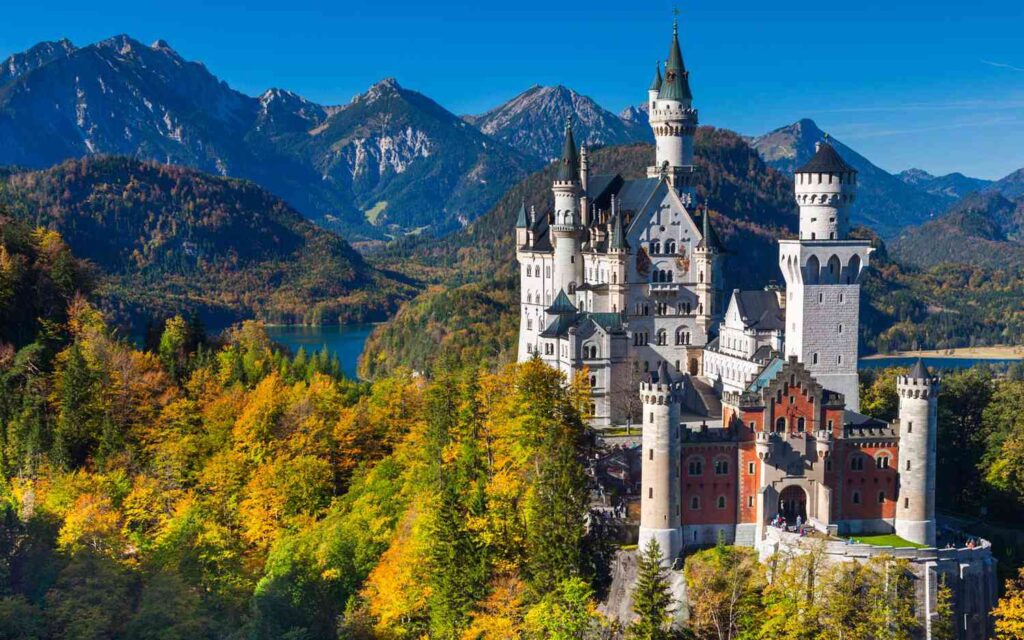
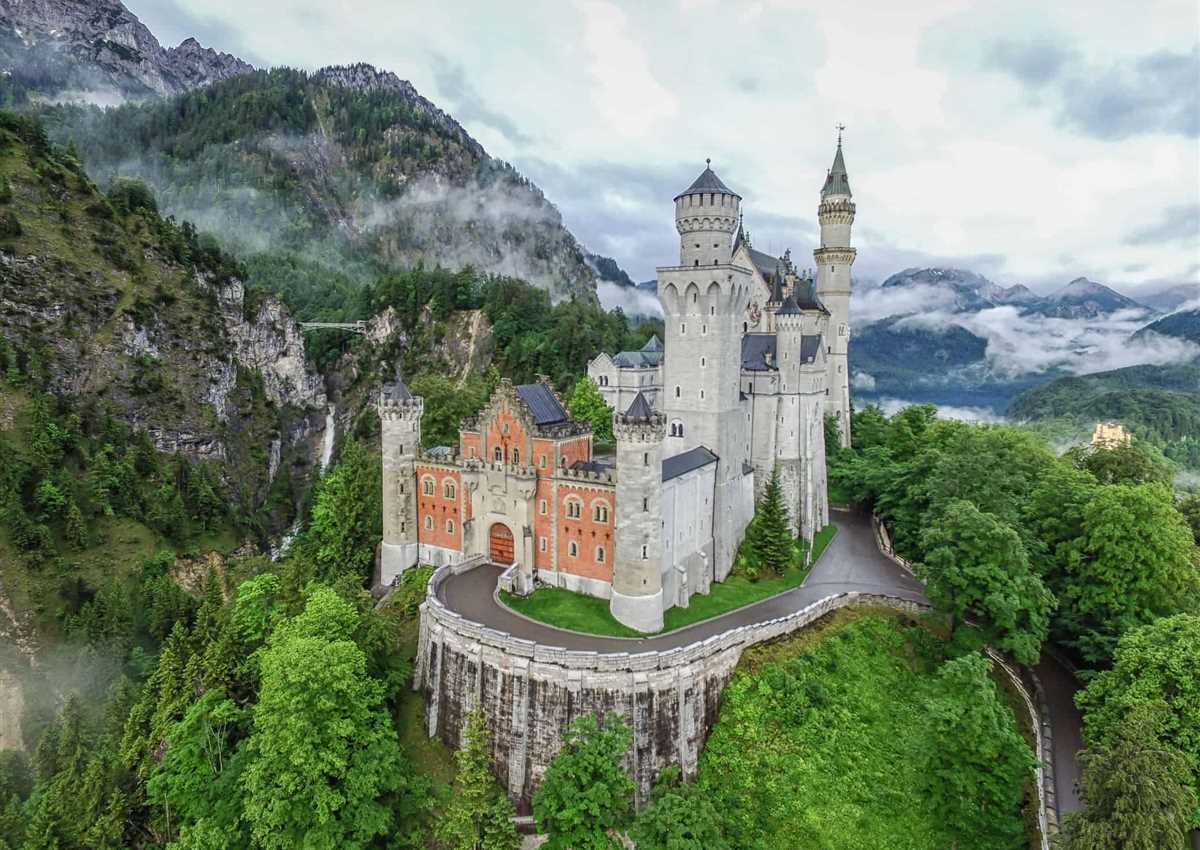
No family trip to Germany is complete without visiting the iconic Neuschwanstein Castle in Bavaria. This stunning 19th-century palace inspired Disney’s Sleeping Beauty Castle and continues to enchant visitors of all ages. The castle tour brings history to life with tales of King Ludwig II, while the surrounding Alpine scenery provides breathtaking photo opportunities.

Family Tips:

  • Book tickets online in advance to avoid disappointment
  • Take the horse-drawn carriage ride up the hill for added magic
  • Visit nearby Hohenschwangau Castle for a complete royal experience

Heidelberg Castle: History Comes Alive

Perched above the romantic city of Heidelberg, this partially ruined castle offers spectacular views of the Neckar River valley. Children love exploring the castle grounds, while adults appreciate the historical significance and architectural beauty. The castle’s Great Barrel, one of the world’s largest wine barrels, fascinates visitors of all ages.

Photo: Travel and Leisure

World-Class Theme Parks and Adventure Centers

Europa-Park: Europe’s Second-Largest Theme Park

Located in Rust, Europa-Park offers over 100 attractions across themed areas representing different European countries. From gentle rides for toddlers to thrilling roller coasters for teenagers, this park ensures everyone finds their perfect adventure. The park’s attention to detail and seasonal events make every visit unique.

Must-Experience Attractions:

  • Silver Star roller coaster for thrill-seekers
  • Arthur’s Kingdom for younger children
  • Seasonal festivals and parades throughout the year

Phantasialand: Immersive Themed Worlds

This award-winning theme park near Cologne features elaborately themed areas including Ancient China, Mexico, and Berlin. The park’s innovative rides and spectacular shows create immersive experiences that transport families to different worlds and time periods.

Interactive Museums and Educational Fun

Deutsches Museum in Munich

The world’s largest science and technology museum offers hands-on exhibits that make learning irresistible. Children can conduct experiments, explore interactive displays, and discover how things work through engaging demonstrations. The museum’s airplane collection and submarine exhibit are particular favorites among young visitors.

Miniatur Wunderland in Hamburg

This incredible model railway exhibition is the world’s largest of its kind, featuring detailed miniature landscapes from around the globe. Families can spend hours discovering tiny details, from miniature airports with actual takeoffs and landings to detailed cityscapes with day-night cycles.

Outdoor Adventures and Natural Wonders

Black Forest Region: Nature’s Playground

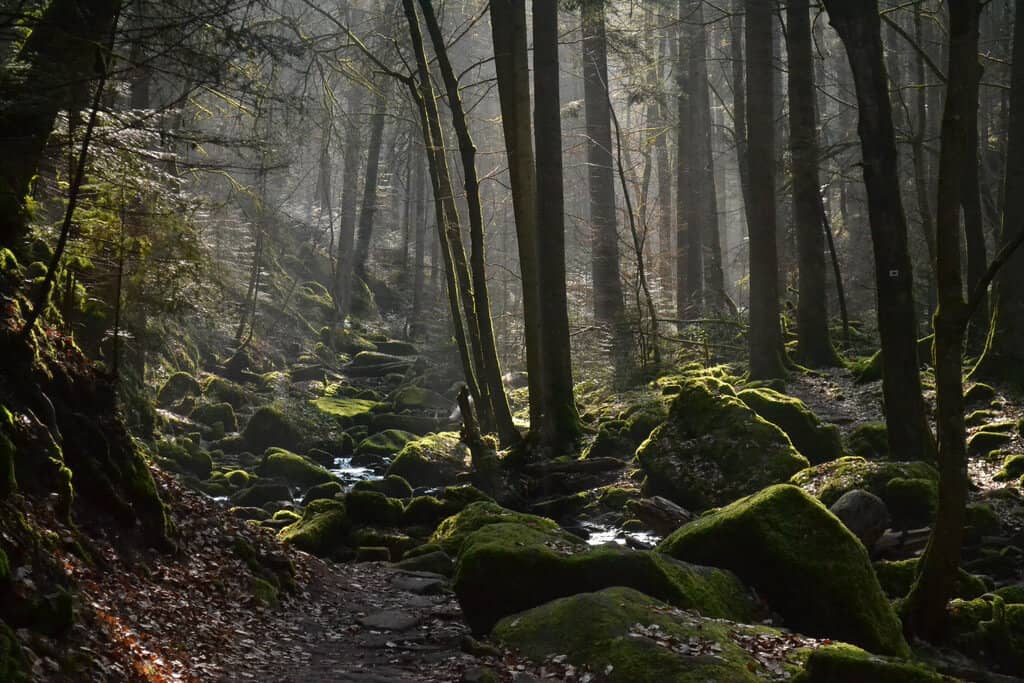
The Black Forest offers endless opportunities for family outdoor adventures. Hiking trails suitable for all fitness levels wind through dense forests, past crystal-clear lakes, and up to panoramic viewpoints. The region’s traditional villages provide cultural experiences, while cuckoo clock workshops offer unique souvenir opportunities.

Family-Friendly Activities:

  • Easy hiking trails around Titisee Lake
  • Toboggan runs at Hasenhorn
  • Traditional Black Forest cake tasting

Berchtesgaden National Park: Alpine Adventures

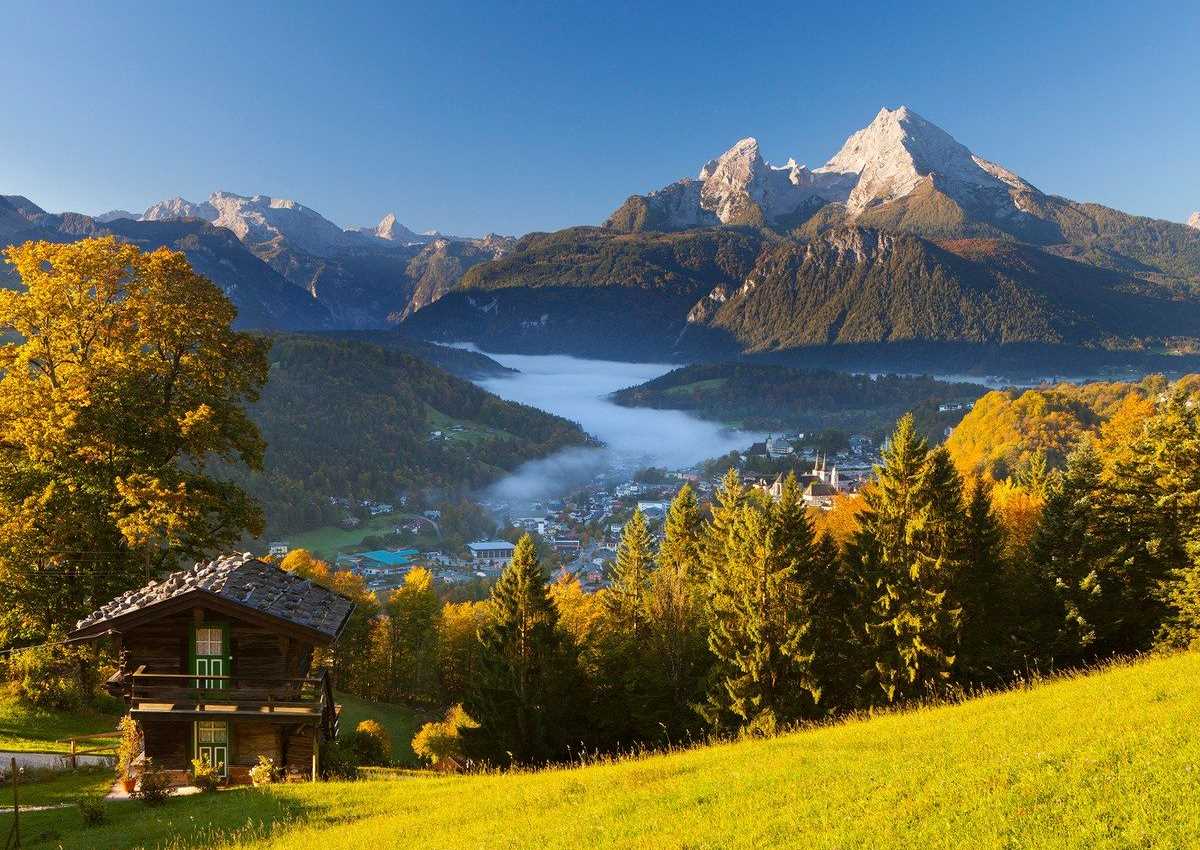
This stunning Alpine region offers family-friendly hiking trails, boat trips on pristine lakes, and opportunities to spot local wildlife. The Eagle’s Nest provides historical context alongside breathtaking mountain views, while the salt mines offer an underground adventure that children find thrilling.

Photo: Bavarian Clockworks

Cultural Experiences Kids Will Love

Christmas Markets: Holiday Magic

Germany’s famous Christmas markets transform cities into winter wonderlands from late November through December. These markets offer magical experiences for families, with traditional crafts, delicious treats, and festive entertainment. The Nuremberg Christkindlmärkte and Dresden’s Striezelmarkt are particularly enchanting for children.

Medieval Towns and Living History

Towns like Rothenburg ob der Tauber and Quedlinburg transport families back in time with their well-preserved medieval architecture and interactive historical experiences. Night watchman tours, medieval festivals, and hands-on workshops allow children to experience history firsthand.

Unique German Experiences

Rhine River Cruises: Castles from the Water

Family-friendly river cruises along the Rhine reveal Germany’s castle-studded landscape from a unique perspective. These relaxing journeys allow families to see multiple castles while enjoying onboard amenities and learning about regional history through engaging commentary.

Traditional Festivals and Celebrations

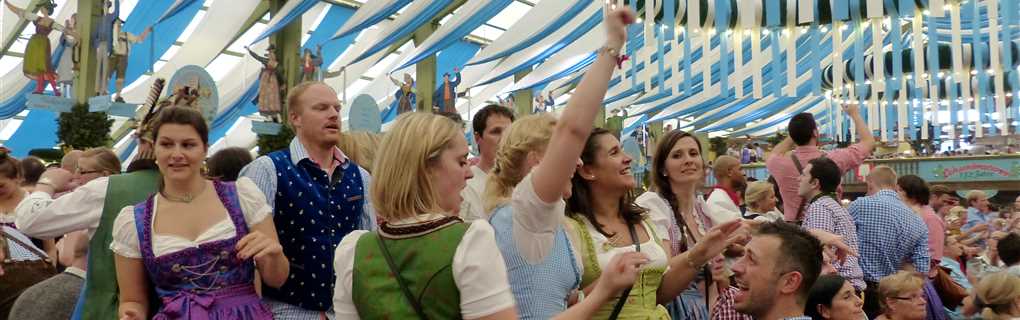
Germany’s regional festivals provide authentic cultural experiences that fascinate visitors of all ages. From Munich’s Oktoberfest (family-friendly during daytime hours) to local harvest festivals, these celebrations offer traditional music, dance, food, and crafts that create unforgettable memories.

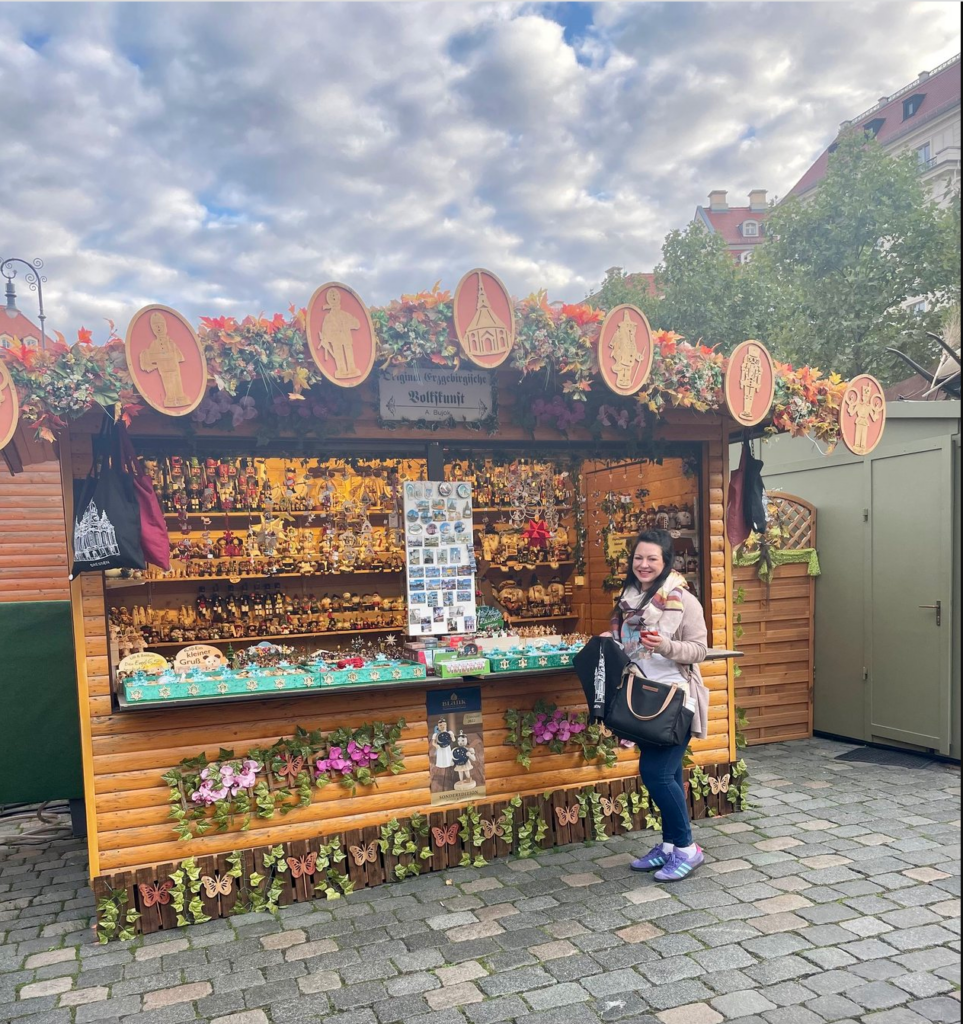
That’s me in Munich picking out a souvenir for my mom!

Practical Tips for Families Visiting Germany

Transportation Made Easy

Germany’s excellent public transportation system makes family travel convenient and affordable. The German Rail Pass offers unlimited travel on trains, while many cities provide family day passes for local transportation. Most public transport accommodates strollers and offers family-friendly facilities.

Accommodation Options

German hotels and guesthouses are exceptionally family-friendly, often providing connecting rooms, cribs, and children’s amenities. Many accommodations offer special family packages and can arrange activities and excursions tailored to different age groups.

Dining with Children

German restaurants welcome families and typically offer children’s menus featuring both local specialties and international favorites. Many establishments provide high chairs, changing facilities, and even play areas to keep young diners entertained.

Seasonal Considerations for Family Travel

Photo: deutschaland.de

Spring and Summer: Outdoor Adventures

Warmer months are ideal for outdoor activities, theme park visits, and exploring Germany’s numerous lakes and forests. Long daylight hours allow for extended sightseeing, while outdoor festivals and events provide additional entertainment options.

Fall and Winter: Cultural Immersion

Cooler months offer perfect opportunities for museum visits, castle tours, and experiencing Germany’s famous Christmas markets. Indoor attractions become more appealing, and seasonal celebrations add special magic to family travels.

Planning Your Family Adventure

Age-Appropriate Itineraries

When planning your German family vacation, consider each family member’s interests and energy levels. Younger children might prefer shorter travel distances with frequent breaks, while teenagers might enjoy more adventurous activities and cultural experiences.

Budget-Friendly Options

Germany offers numerous free or low-cost family activities, including public parks, hiking trails, and many museums with family discounts. City tourist cards often provide significant savings on attractions and transportation.

Creating Lasting Memories

Germany’s unique combination of history, culture, natural beauty, and modern attractions creates the perfect environment for family bonding and discovery. Whether your family prefers active adventures, cultural exploration, or simply relaxing in beautiful surroundings, Germany provides experiences that will delight every generation.

The country’s commitment to family-friendly tourism, combined with its rich cultural heritage and stunning landscapes, ensures that your German family vacation will be filled with joy, wonder, and unforgettable moments that will be treasured for years to come.

Start planning your family’s German adventure today and discover why this remarkable country continues to enchant families from around the world with its perfect blend of education, entertainment, and authentic cultural experiences.

Photo: deutschaland.de

Ready to Book Your German Family Vacation?

Don’t let the complexity of planning a multi-generational trip to Germany overwhelm you. With so many incredible destinations, activities, and logistics to consider, having an experienced travel professional on your side makes all the difference.

Book your German family vacation today and let us handle all the details while you focus on creating memories that will last a lifetime. From securing skip-the-line tickets to Neuschwanstein Castle to finding the perfect family-friendly accommodations, we’ll ensure your German adventure exceeds every expectation.

Contact me at:

https://www.vincentvacations.com/agents/gretchenode/travelform

to start planning your personalized German family vacation. Our expertise in family travel and deep knowledge of Germany’s best attractions, hidden gems, and practical travel tips will transform your dream vacation into reality.

Your unforgettable German family adventure is just one click away!

Beyond the Tourist Trail: My 9-Day Journey Through Germany’s Hidden Gems

When I tell people I spent 9 days exploring Hamburg, Cologne, Leipzig, and Dresden, I usually get blank stares. “But what about Munich? Neuschwanstein Castle? The Rhine Valley?” they ask. Here’s the thing—after years of sending clients to Germany’s greatest hits, I wanted to discover the cities that locals rave about but tourists often skip.

What I found was extraordinary: a Germany that’s authentic, surprising, and completely different from the fairy-tale version most travelers expect. These four cities showed me layers of German culture, history, and personality that I never knew existed. And honestly? This trip changed how I think about German travel completely.

Let me take you on the journey that’s now become my secret weapon for clients who want to experience the real Germany.

Hamburg: The Surprising Maritime Soul (Days 1-3)

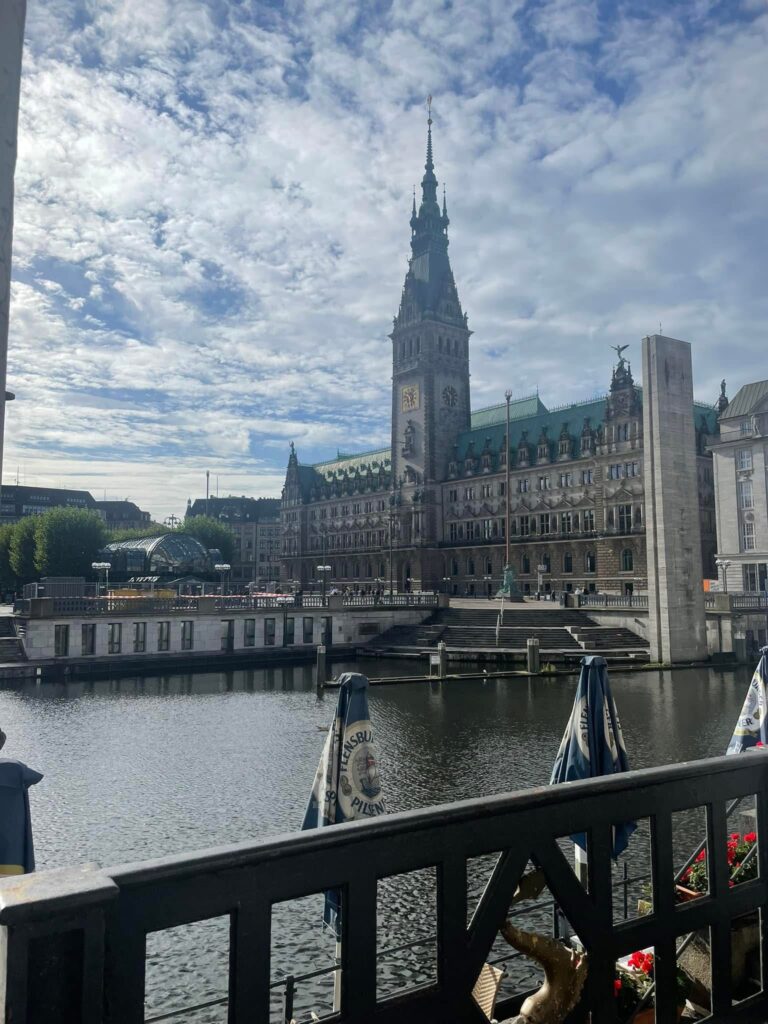
I’ll be honest—Hamburg wasn’t even on my radar until a German friend insisted I had to see it. “It’s not what you think,” she said. She was right. This isn’t the Germany of lederhosen and beer halls. This is a city that feels more like Amsterdam had a baby with San Francisco, with a maritime spirit that’s absolutely infectious.

Day 1: First Impressions and Warehouse Wonders The moment I stepped off the train at Hamburg Hauptbahnhof, I knew I was somewhere different. The energy was cosmopolitan but relaxed, and within minutes I was walking along canals that reminded me why Hamburg has more bridges than Venice and Amsterdam combined.

The Speicherstadt blew me away. This UNESCO World Heritage warehouse district looks like something from a Harry Potter movie—Gothic revival brick buildings rising straight from the water, connected by bridges that create this incredible maze of waterways. But here’s what the guidebooks don’t tell you: the best time to experience it is just after sunset when the buildings are lit up and reflected in the dark water. I spent an hour just walking and getting completely lost in the narrow passages.

Day 2: Markets, Music, and Maritime History The Fischmarkt on Sunday morning is absolutely chaotic in the best way possible. I showed up at 6 AM (yes, 6 AM on a Sunday) and found myself in the middle of this incredible theater where vendors are literally auctioning off fish, flowers, and fruit with performances that would make Broadway jealous. The energy was infectious, and I found myself buying way too many apples just because the vendor’s pitch was so entertaining.

But the real discovery was the maritime museum. I’m not usually a museum person, but this place tells the story of how Hamburg shaped world trade and immigration. Standing on the historic ships, I understood why Hamburg calls itself “The Gateway to the World.” The immigration museum was particularly moving—millions of Europeans passed through here on their way to America, and you can actually trace family histories through their records.

Evening magic: St. Pauli isn’t just about the infamous Reeperbahn (though that’s fascinating too). The neighborhood has this incredible mix of gritty nightlife, amazing restaurants, and surprisingly beautiful architecture. I had the best seafood dinner of my life at a tiny place where the menu was only in German and the waiter had to translate everything. The local Hamburg fish stew was a revelation.

Day 3: Gardens, Galleries, and Local Life My final Hamburg day was all about seeing how locals actually live. Planten un Blomen (yes, that’s how they spell it in the local dialect) is this gorgeous park right in the city center where families gather for picnics and the elderly play chess under ancient trees. It felt like I was seeing Hamburg’s soul.

The Kunsthalle surprised me with its incredible collection—I had no idea Hamburg had such serious art. But the real find was the Deichtorhallen, this contemporary art space in former market halls. The contrast between the industrial architecture and cutting-edge art was perfect Hamburg: historic but progressive, traditional but innovative.

Local insight: I spent my afternoon in the Sternschanze district, where students and young professionals live. The coffee shops, vintage stores, and casual restaurants gave me a completely different perspective on German urban culture. This wasn’t tourist Germany—this was real, contemporary German life.

Cologne: Ancient Meets Modern (Days 4-5)

The train ride from Hamburg to Cologne was gorgeous—rolling countryside that looked like a postcard. But nothing prepared me for that first glimpse of Cologne Cathedral rising above the city as we pulled into the station. It’s one of those moments that actually takes your breath away.

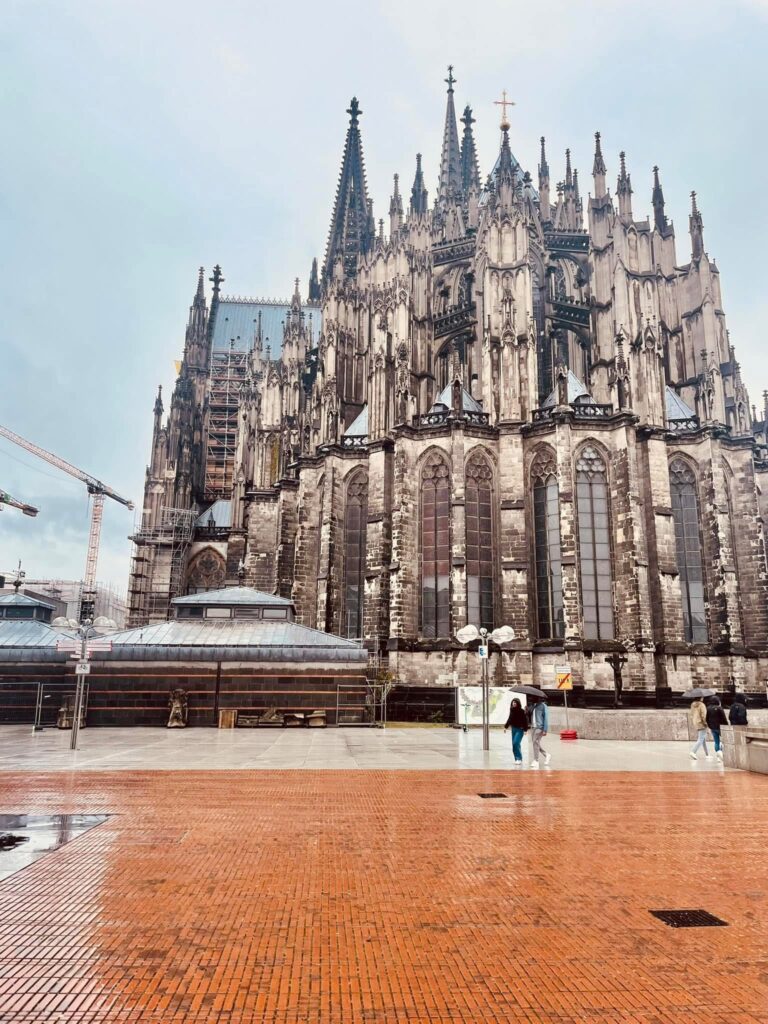
Day 4: Cathedral Wonders and Roman Roots Cologne Cathedral is obviously the star, but here’s what I didn’t expect: you can actually go down into the archaeological excavations beneath it and see 2,000-year-old Roman ruins. Standing in what used to be a Roman governor’s palace, then looking up at Gothic spires, I felt like I was experiencing the entire sweep of European history in one place.

The cathedral treasury was incredible—medieval gold work and religious artifacts that made me understand why Cologne was one of the most important cities in medieval Europe. But the real thrill was climbing the 533 steps to the top of the south tower. The views over the Rhine and the city were spectacular, but what struck me most was seeing the incredible detail of the Gothic stonework up close.

Afternoon surprise: The Romano-Germanic Museum right next to the cathedral houses the most incredible Roman mosaics I’ve ever seen. The Dionysus mosaic is displayed exactly where it was found, and you realize you’re standing where Romans walked 2,000 years ago. Cologne’s history suddenly made sense—this wasn’t just a medieval city, it was one of the Roman Empire’s most important northern outposts.

Evening discovery: I wandered into the old town and found myself in a traditional brauhaus (brewery) where they serve Kölsch, Cologne’s unique beer, in tiny glasses that hold exactly 200ml. The ritual is amazing—they keep bringing you fresh glasses until you put your coaster on top to say you’re done. The local atmosphere was so warm and welcoming, and I ended up talking with locals who were fascinated that an American was visiting their city instead of Munich.

Day 5: Art, Architecture, and Authentic Neighborhoods The Wallraf-Richartz Museum has one of the world’s best collections of medieval art, which provided perfect context for understanding the cathedral’s significance. But the real surprise was the Museum Ludwig’s contemporary art collection—I had no idea Cologne was such an important art center.

Hidden gem alert: I spent my afternoon in the Belgisches Viertel (Belgian Quarter), where beautiful 19th-century buildings house incredible boutiques, galleries, and cafes. It felt like a more relaxed version of Paris’s Marais district. The neighborhood had this sophisticated, artistic vibe that was completely different from tourist Cologne.

Local connection: I struck up a conversation with a gallery owner who explained how Cologne became Germany’s art capital after World War II. The city’s progressive attitude and central location made it a hub for avant-garde artists and galleries. This gave me a completely new perspective on German cultural history.

It was a rainy day, but a perfect fall day in Cologne

Leipzig: The Revolution City (Days 6-7)

I knew Leipzig was called the “City of Music” because of Bach, but I had no idea it was also the birthplace of the peaceful revolution that brought down the Berlin Wall. This city completely changed my understanding of recent German history.

Day 6: Bach, Books, and Revolutionary Spirit St. Thomas Church, where Bach was cantor for 27 years, was my first stop. Hearing the St. Thomas Boys’ Choir rehearse in the same space where Bach premiered his greatest works was genuinely moving. The church itself is surprisingly simple, but the musical history that happened here is overwhelming.

But the real discovery was the Story of Leipzig museum, which explains how the Monday demonstrations that started here in 1989 eventually led to German reunification. Standing in the same streets where thousands of people gathered with candles, chanting “We are the people,” I felt the weight of history in a completely different way.

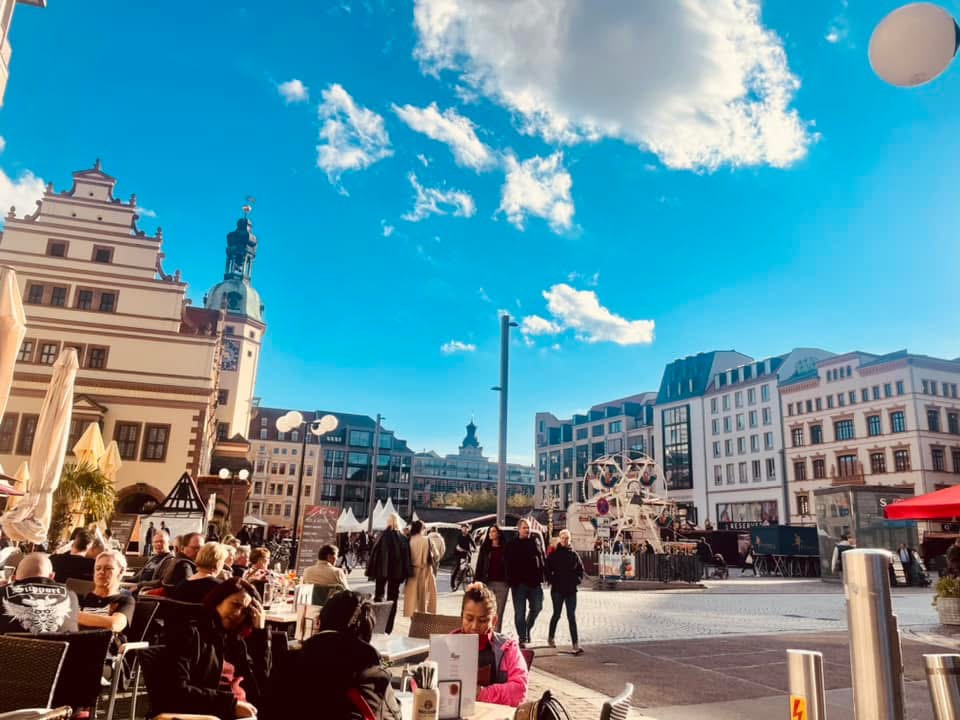
Afternoon exploration: Leipzig’s city center is incredible—a mix of medieval buildings, Renaissance architecture, and beautiful shopping arcades from the 19th century. The old market square feels like the heart of a trading city that connected Eastern and Western Europe for centuries.

Evening revelation: I went to a concert at the Gewandhaus, Leipzig’s famous concert hall. The acoustics were incredible, and the program notes explained how Leipzig’s musical tradition influenced composers from Bach to Mendelssohn to Schumann. The city’s musical heritage suddenly made sense—this wasn’t just where Bach worked, this was where German classical music was born.

Day 7: Student Life and Hidden Courtyards Leipzig University is one of Germany’s oldest, and the student energy is palpable throughout the city. I spent my morning exploring the university quarter, where historical buildings mix with modern student life. The contrast between medieval lecture halls and contemporary student cafes was fascinating.

Secret discovery: Leipzig’s passage system—beautiful covered shopping arcades from the 19th century—creates this incredible network of courtyards and walkways. I spent hours just wandering through these passages, discovering tiny cafes, bookshops, and galleries. It felt like exploring a secret city within the city.

Cultural immersion: I attended a reading at a local bookshop where a contemporary German author was discussing his work. Even though my German is rusty, the intellectual atmosphere was incredible. Leipzig’s reputation as a literary city became completely clear—this is where ideas are taken seriously and culture is lived, not just performed.

Dresden: The Phoenix City (Days 8-9)

Nothing prepared me for Dresden. I knew it had been rebuilt after World War II, but I expected something that felt reconstructed and artificial. Instead, I found a city that had been reborn with incredible attention to detail and respect for its baroque heritage.

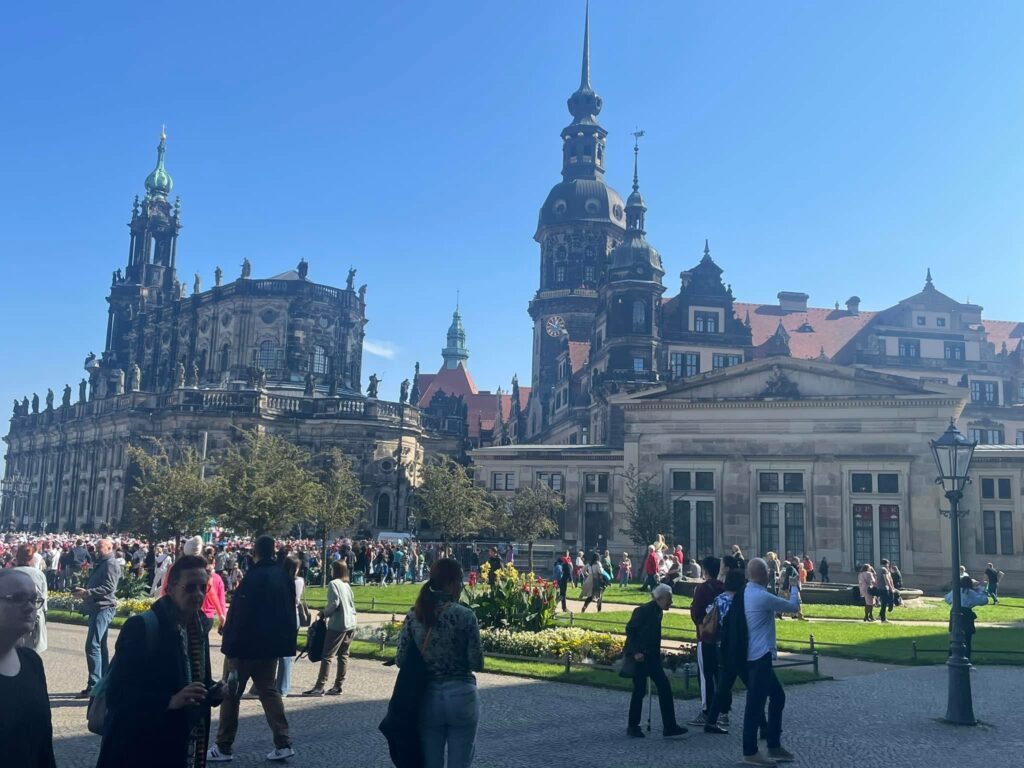
Day 8: Baroque Splendor and Artistic Treasures The Zwinger Palace complex is absolutely breathtaking. The baroque architecture is so ornate and beautiful that it almost feels like a movie set. But the Old Masters Gallery inside houses one of the world’s greatest art collections. Standing in front of Raphael’s Sistine Madonna, I understood why Dresden was called the “Florence of the North.”

Emotional moment: The Frauenkirche (Church of Our Lady) was the most moving experience of my entire trip. This baroque church was completely destroyed in the 1945 bombing, left as ruins for 45 years, then painstakingly rebuilt using the original stones wherever possible. You can still see the dark stones from the original building mixed with the new light stone. The story of reconciliation and rebuilding that this church represents brought tears to my eyes.

Evening magic: Walking along the Elbe River at sunset, with the baroque skyline reflected in the water, I understood why Dresden is considered one of Europe’s most beautiful cities. The combination of architecture, river, and surrounding hills creates this incredibly romantic atmosphere.

Day 9: Porcelain, Palaces, and Final Reflections The Porcelain Collection at the Zwinger showed me why Dresden was the luxury capital of Europe in the 18th century. The craftsmanship was incredible, and I learned how the discovery of European porcelain manufacturing happened right here in nearby Meissen.

Final discovery: I spent my last afternoon in the Neustadt district, across the river from the historic center. This area has a completely different energy—young, artistic, and alternative. The contrast between baroque Dresden and contemporary German culture was perfect. Street art, trendy cafes, and vintage shops showed me that Dresden isn’t just a museum city—it’s a living, breathing place where young Germans are creating their own culture.

Reflection moment: My final evening, I sat in a beer garden along the Elbe, watching the baroque skyline light up as the sun set. Nine days earlier, I thought I knew Germany. Now I realized I had barely scratched the surface.

What This Journey Taught Me About German Travel

This trip completely changed how I think about German travel planning. Here’s what I learned:

Germany’s diversity is incredible: Each city had its own distinct personality, history, and culture. Hamburg’s maritime cosmopolitan vibe, Cologne’s Roman-to-modern layers, Leipzig’s musical and revolutionary spirit, Dresden’s baroque beauty—they felt like different countries.

Off-the-beaten-path doesn’t mean off-the-grid: These cities all have excellent infrastructure, great restaurants, and fascinating attractions. They’re just not on the typical tourist route, which means you get authentic experiences without the crowds.

History is everywhere: From Roman ruins to revolutionary sites to baroque palaces, German history is incredibly rich and complex. But it’s not just in museums—it’s in the streets, buildings, and daily life.

Germans are incredibly welcoming: Maybe because these cities see fewer tourists, locals were genuinely excited to share their cities with me. I had more authentic conversations and cultural exchanges than on any previous trip.

Why I Now Recommend This Route to Clients

After this experience, I’ve started offering this itinerary to clients who want to see the real Germany. Here’s why it works:

Perfect progression: You start with Hamburg’s international maritime energy, move through Cologne’s ancient-to-modern layers, experience Leipzig’s musical and revolutionary history, and end with Dresden’s baroque beauty. Each city builds on the previous one.

Cultural depth: This route gives you German culture from multiple angles—trade and commerce, religion and art, music and revolution, craftsmanship and beauty.

Authentic experiences: Because these cities aren’t overrun with tourists, you get genuine cultural encounters and can experience how Germans actually live.

Excellent logistics: The train connections are easy, the cities are compact and walkable, and the infrastructure is world-class.

Planning Your Own German Adventure

If this journey sounds appealing, here’s what you need to know: this type of trip requires different planning than typical tourist routes. These cities have incredible experiences, but they’re not always obvious or easily bookable online.

Local connections matter: The best restaurants, most interesting cultural events, and most authentic experiences often require local knowledge and advance planning.

Timing is everything: Concert schedules, museum exhibitions, and local festivals can make or break your experience. Professional planning ensures you’re in the right place at the right time.

Cultural context enhances everything: Understanding the historical and cultural significance of what you’re seeing transforms sightseeing into genuine cultural education.

This trip showed me that Germany has so much more to offer than the typical tourist trail. When you’re ready to discover the Germany that Germans love—the cities where culture is lived rather than performed, where history is layered and complex, where contemporary life mixes with ancient traditions—let’s talk about creating your own authentic German adventure.

🌐 Website:

https://www.vincentvacations.com/agents/gretchenode/travelform

Ready to explore the real Germany? Contact me today to start planning your journey beyond the tourist trail!

A First-Timer’s 7-Day Itinerary Through Germany

Most first-time visitors to Europe head straight to Paris or Rome, but those who choose Germany discover something extraordinary: a country that offers everything from fairy-tale castles and vibrant cities to world-class cuisine and deeply moving history—all within a perfectly manageable first-time itinerary.

After designing hundreds of Germany trips for first-time visitors, I’ve learned that the key to an unforgettable German experience isn’t trying to see everything, but rather creating a journey that reveals the country’s incredible diversity while allowing time to truly connect with its culture, history, and people.

This 7-day itinerary has been refined through years of client feedback and represents the perfect introduction to Germany—combining iconic must-sees with authentic local experiences that create lasting memories and leave you planning your return visit before you’ve even left.

Why Germany Should Be Your First European Adventure

Germany offers first-time European travelers something unique: the perfect balance of accessibility and authenticity. The country’s efficient transportation system, widespread English proficiency, and welcoming culture make it incredibly easy to navigate, while its rich history, stunning architecture, and regional diversity provide endless opportunities for discovery.

The practical advantages: Germany’s central location makes it an ideal base for exploring Europe, its infrastructure is world-class, and the country offers exceptional value compared to other Western European destinations. You’ll find that your travel budget stretches further while experiencing comparable luxury and cultural richness.

The cultural depth: From medieval towns that look like movie sets to cutting-edge modern cities, from world-renowned museums to local beer gardens where strangers become friends, Germany offers cultural experiences that satisfy every type of traveler.

Day 1-2: Berlin – Where History Comes Alive

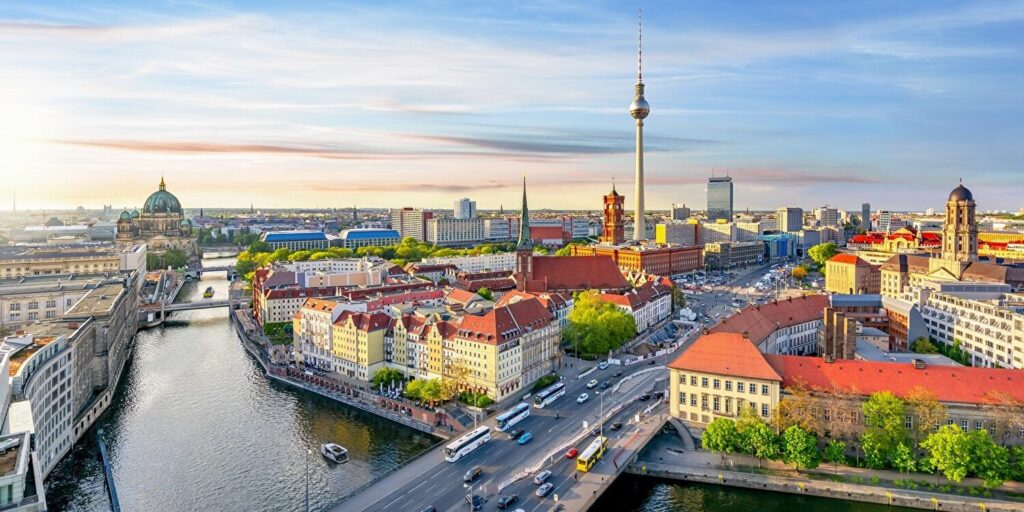
Your German adventure begins in Berlin, a city that tells the story of the 20th century like nowhere else on Earth. This isn’t just a history lesson—it’s an emotional journey through humanity’s greatest challenges and triumphs.

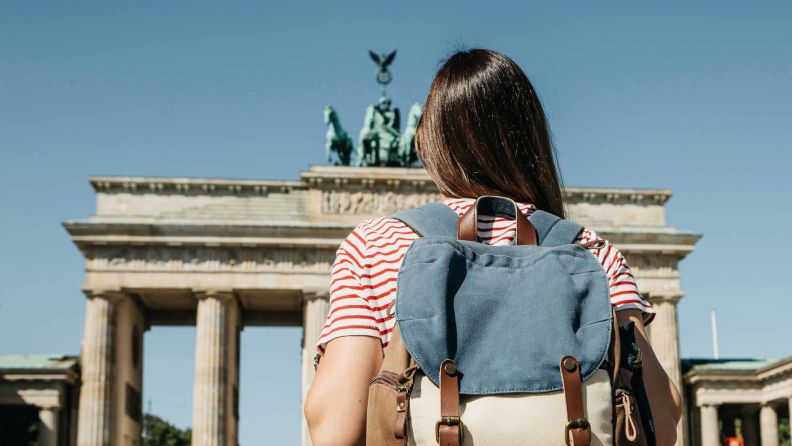
Day 1: East Meets West Start your morning at the Brandenburg Gate, where you’ll understand why this symbol has witnessed some of history’s most pivotal moments. Walk through the gate and imagine the divided city this once represented, then continue to the nearby Reichstag building, where German democracy was born, destroyed, and reborn.

The experience that changes everything: Take the elevator to the Reichstag’s glass dome. As you spiral up the walkway, your guide explains how this transparent structure symbolizes Germany’s commitment to transparent democracy. The 360-degree view of Berlin below shows a city that has literally risen from its ashes, and the emotional impact is profound.

Afternoon discovery: Walk along the remaining sections of the Berlin Wall, but don’t just take photos—touch the concrete and read the stories of families divided overnight. The East Side Gallery transforms this symbol of division into one of the world’s longest open-air art galleries, where artists from around the world have created works celebrating freedom and unity.

Evening authenticity: End your day in a traditional Berlin beer garden, where you’ll discover that German beer culture is about community, conversation, and slowing down. Your server will explain the differences between regional beer styles while you enjoy hearty German cuisine that goes far beyond schnitzel and sausages.

Day 2: Museums and Memories Begin at Museum Island, where five world-class museums house treasures spanning 6,000 years of human history. The Pergamon Museum’s reconstructed ancient buildings allow you to walk through history, while the Neues Museum’s Egyptian collection rivals anything in Cairo.

The insider experience: Skip the tourist crowds with early morning private access to the Pergamon Museum. Standing alone in the reconstructed Ishtar Gate of Babylon, you’ll understand why these collections are considered among the world’s most important archaeological treasures.

Hidden Berlin discovery: Your afternoon takes you to neighborhoods that most tourists never see. In Prenzlauer Berg, former East Berlin’s bohemian quarter, you’ll explore local markets, independent bookshops, and cafes where locals gather. The contrast between tourist Berlin and authentic Berlin becomes clear, and you’ll understand why so many visitors fall in love with this city.

Professional insight: These Berlin experiences require careful timing and local knowledge. The city’s complex history is best understood through expert guides who can provide context and emotional resonance that transforms sightseeing into genuine understanding.

Day 3-4: Munich – Bavaria’s Cultural Heart

A smooth 4-hour train journey (with stunning countryside views) brings you to Munich, where you’ll discover that Bavaria is far more than lederhosen and beer halls—though you’ll certainly enjoy those too.

Day 3: Royal Splendor and Local Traditions Start at the Residenz Palace, where Bavarian royalty lived for centuries. The opulent rooms and treasure-filled galleries rival Versailles, but the intimate scale makes them more accessible and personal. You’ll understand how Bavaria’s unique culture developed and why Bavarians still maintain such strong regional identity.

The cultural immersion: Lunch at the Viktualienmarkt, Munich’s famous food market, where you’ll discover that German cuisine extends far beyond tourist expectations. Sample regional specialties while chatting with vendors who’ve been serving locals for generations. This isn’t just eating—it’s cultural education through food.

Afternoon magic: Visit the iconic Marienplatz just before the Glockenspiel chimes. Position yourself perfectly to watch this medieval mechanical show while understanding its historical significance. The surrounding Gothic architecture creates a fairy-tale atmosphere that epitomizes many visitors’ dreams of Europe.

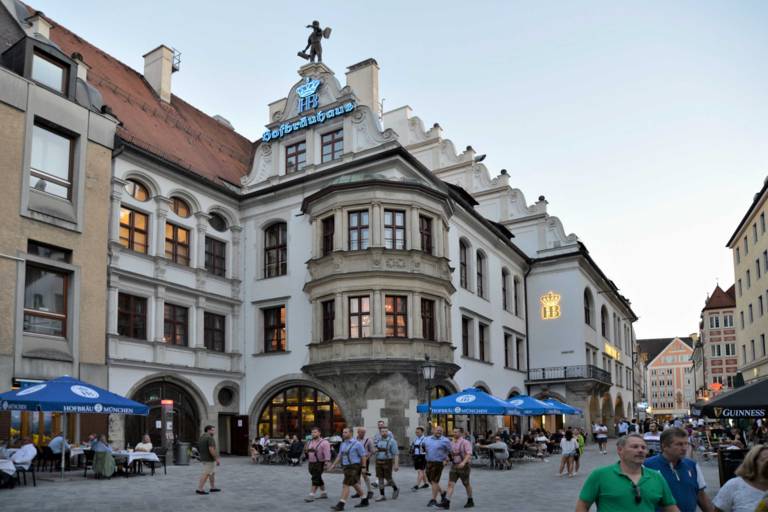
Evening tradition: Experience an authentic Bavarian beer hall—not a tourist version, but one where locals gather after work. You’ll learn proper beer hall etiquette, understand the social significance of these gatherings, and discover why German beer culture is recognized by UNESCO as an Intangible Cultural Heritage.

Day 4: Fairy-Tale Castle Day Trip No first-time Germany visit is complete without seeing Neuschwanstein Castle, the inspiration for Disney’s Sleeping Beauty Castle. However, the way you experience this iconic sight makes all the difference.

The exclusive approach: Skip the crowded public tours and enjoy early morning private access, when the castle is bathed in golden light and you can photograph the fairy-tale exterior without crowds. Your expert guide reveals the fascinating psychology of King Ludwig II, the “Mad King” who built this romantic fantasy.

The hidden gem: Most visitors rush back to Munich, but you’ll explore the charming village of Hohenschwangau and take a horse-drawn carriage ride through the Alpine foothills. This slower pace allows you to absorb the magical atmosphere and understand why this region inspired centuries of romantic legends.

Professional advantage: Navigating Neuschwanstein requires careful planning. The castle books up months in advance, transportation coordination can be complex, and weather contingencies need consideration. Professional planning ensures you experience this bucket-list sight without the stress.

Day 5-6: Rhine Valley – Germany’s Romantic Heart

A scenic train journey takes you to the Rhine Valley, where medieval castles crown vine-covered hills and charming towns line Europe’s most legendary river. This region embodies the romantic Germany of travel dreams.

Day 5: Rhine River Cruise and Medieval Towns Board a private river cruise that takes you past more than 20 castles, each with its own legend and historical significance. Unlike large tour boats, your intimate vessel allows you to truly appreciate the dramatic landscape and understand why this valley inspired countless fairy tales and operas.

The cultural connection: Stop in Rüdesheim, where you’ll visit a traditional wine tavern and learn about Rhine wine production from a family who has been making wine for eight generations. The tasting becomes a lesson in German history, as wine regions often determined political boundaries and cultural development.

Evening enchantment: Stay overnight in a castle hotel, where you’ll dine in medieval halls and sleep in rooms where nobility once lived. The experience of waking up in a 1,000-year-old castle, looking out over the Rhine Valley, creates memories that last a lifetime.

Day 6: Cologne’s Gothic Grandeur Journey to Cologne, where you’ll encounter one of Europe’s most magnificent Gothic cathedrals. Cologne Cathedral took 632 years to complete, and standing before its towering spires, you’ll understand why medieval people considered such buildings earthly representations of heaven.

The artistic revelation: Cologne’s museums house world-class collections, but the Wallraf-Richartz Museum’s medieval art collection provides context for the cathedral’s significance. You’ll see how Gothic art reflected medieval spirituality and understand the cathedral’s role in European cultural development.

Modern contrast: Explore Cologne’s vibrant modern art scene and trendy neighborhoods, where contemporary German culture thrives alongside ancient traditions. The contrast between medieval cathedral and cutting-edge galleries illustrates Germany’s ability to honor its past while embracing innovation.

Local immersion: End your day in a traditional Kölsch brewery, where you’ll learn about Cologne’s unique beer culture and understand why locals are so passionate about their small glasses of pale beer. The social rituals around Kölsch reveal aspects of German character that you won’t find in guidebooks.

Day 7: Heidelberg – Germany’s Romantic Finale

Your final day explores Heidelberg, Germany’s most romantic city and home to the country’s oldest university. This picturesque town provides the perfect conclusion to your German adventure.

Morning enchantment: Begin at Heidelberg Castle, perched high above the Neckar River. These magnificent ruins tell the story of German Renaissance culture, and the castle’s Great Barrel (the world’s largest wine barrel) reveals the region’s centuries-old wine tradition. The views over the red-roofed Old Town below are simply breathtaking.

Academic atmosphere: Stroll through Germany’s oldest university town, where cobblestone streets wind past centuries-old buildings where famous philosophers, scientists, and writers once studied. The student energy mixed with historical gravitas creates an atmosphere unlike anywhere else in Germany.

Riverside reflection: End your German journey with a leisurely walk along the Neckar River or a final meal at a traditional riverside restaurant. The peaceful setting allows you to reflect on your week of discovery while soaking in the romantic atmosphere that has inspired poets and artists for centuries.

The Logistics That Make It Perfect

This itinerary is designed around Germany’s exceptional transportation system, comfortable accommodation standards, and tourist-friendly infrastructure. However, the details that transform a good trip into an unforgettable experience require professional coordination.

Transportation mastery: Germany’s rail system is world-class, but understanding which trains to take, how to secure reservations, and how to navigate stations requires expertise. Your journey includes first-class rail passes, reserved seating, and coordination that ensures seamless connections.

Accommodation excellence: Each hotel is selected for its location, character, and service standards. From boutique properties in historic buildings to modern hotels with exceptional amenities, your accommodations enhance rather than merely serve your itinerary.

Cultural access: The difference between tourist experiences and authentic cultural encounters often comes down to timing, local connections, and advance planning. This itinerary includes experiences that simply aren’t available through online booking.

Why First-Time Visitors Choose Germany

Accessibility: Germany’s infrastructure, English proficiency, and welcoming culture make it ideal for first-time European travelers who want cultural depth without language barriers or navigation challenges.

Value: Your travel budget achieves more in Germany than in many other Western European countries, allowing for experiences that might be prohibitively expensive elsewhere.

Diversity: From medieval castles to modern cities, from world-class museums to charming villages, Germany offers incredible variety within manageable distances.

Authenticity: German culture remains distinctly German, offering genuine cultural experiences rather than tourist-oriented performances.

The Professional Planning Advantage

Creating the perfect first-time Germany experience requires understanding not just what to see, but how to see it. This involves coordinating transportation schedules, securing advance reservations for popular attractions, understanding cultural context, and building in flexibility for personal interests and energy levels.

Local expertise: My relationships with German guides, hoteliers, and cultural institutions provide access to experiences that enhance every aspect of your journey.

Seamless coordination: Every detail is coordinated in advance, from restaurant reservations to museum tickets, allowing you to focus entirely on experiencing Germany rather than managing logistics.

Cultural preparation: Understanding German customs, tipping practices, and social norms enhances your interactions with locals and creates more authentic experiences.

Your Gateway to Europe

This 7-day Germany itinerary serves as more than just a vacation—it’s your introduction to European travel and a foundation for future adventures. The confidence you gain navigating German cities, the cultural awareness you develop, and the travel skills you acquire will serve you well in future European journeys.

Many clients tell me their Germany trip was the experience that made them passionate about European travel. The combination of accessibility and authenticity, historical depth and modern sophistication, creates a travel experience that satisfies completely while inspiring future adventures.

Ready to discover why Germany should be your first European adventure? Let’s start planning your perfect introduction to this remarkable country.

Your 7-day German journey awaits—filled with fairy-tale castles, vibrant cities, rich history, and warm hospitality that will leave you planning your return visit before you’ve even departed.

🌐 Website:

https://www.vincentvacations.com/agents/gretchenode/travelform

Contact me today to start planning your unforgettable German adventure!

Castle-Hopping in Germany: A Fairy Tale Road Trip

Germany, castles in Germany TOP

Castle-Hopping in Germany: A Fairy Tale Road Trip

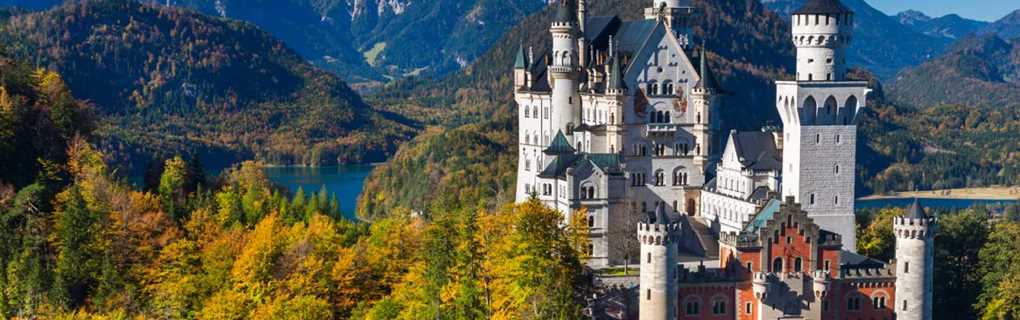
Imagine winding through lush forests, rolling hills, and charming villages, each turn revealing a castle straight out of a storybook. Germany’s landscape is dotted with enchanting castles and palaces, many of which have inspired the fairy tales we know and love. From the turreted towers of Neuschwanstein to the romantic ruins of Sababurg, every castle has its own unique story to tell—and invites you to step into a world of magic and wonder.

Embarking on a castle-hopping adventure along the German Fairy Tale Route is like traveling through the pages of a Brothers Grimm story. You’ll discover not only the grandest fortresses but also hidden gems where legends were born. Whether you’re exploring the cobbled streets of Alsfeld, visiting Snow White’s house in Bergfreiheit, or marveling at the Renaissance splendor of Hartenfels Castle, each stop is a chance to experience the charm and history that make Germany’s castles so special.

This road trip is perfect for dreamers, history lovers, and anyone who believes in happily ever after. So pack your bags, grab your camera, and get ready to explore the castles that have captured imaginations for centuries. Your fairy tale adventure awaits!

Germany, castles in Germany

Exploring Germany’s Castle Road: History and Highlights

Overview of the Castle Road Route and Key Castles

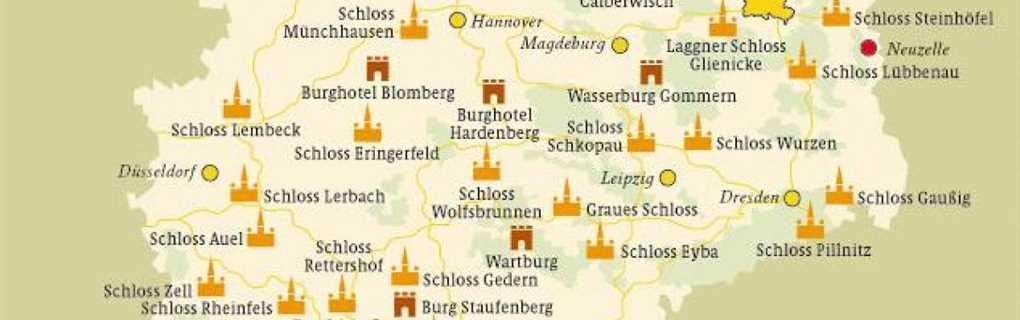
Germany’s Castle Road, or Burgenstraße, is a scenic route that spans over 1,200 kilometers, offering a journey through history and architecture. While it is distinct from the German Fairy Tale Route, both routes showcase Germany’s rich cultural heritage. Key castles along the Castle Road include Heidelberg Castle, Mannheim Palace, and the picturesque town of Rothenburg ob der Tauber. These castles not only highlight Germany’s architectural prowess but also serve as testaments to its historical significance.

Medieval Legends, Myths, and Cultural Significance

Germany is steeped in medieval legends and myths, many of which have been immortalized by the Brothers Grimm. Castles like Neuschwanstein and Sababurg have inspired tales such as “Sleeping Beauty.” These stories have become integral to German culture, reflecting the country’s deep-rooted connection to folklore and fairy tales. Visiting these castles allows travelers to immerse themselves in the enchanting world of German mythology.

Scenic Landscapes and Architectural Styles Along the Route

The Castle Road winds through diverse landscapes, from the rolling hills of Bavaria to the vineyards of the Rhine Valley. Architectural styles vary greatly, with Romanesque, Gothic, and Baroque influences evident in the castles and palaces. Each stop offers a unique visual experience, blending natural beauty with historical grandeur. Whether it’s the imposing walls of a medieval fortress or the elegant gardens of a Renaissance palace, every view is a testament to Germany’s rich architectural heritage.

Experiencing Medieval Culture: Markets, Banquets, and Performances

Travelers can delve into medieval culture by attending traditional markets, banquets, and performances. Many castles host festivals and events that recreate the atmosphere of a bygone era. Visitors can enjoy jousting tournaments, medieval feasts, and craft fairs, all set against the backdrop of these historic structures. These experiences allow travelers to connect with Germany’s past in a lively and engaging way, making the journey a memorable adventure.

Germany, castles in Germany

Top Castles to Visit on a German Castle Road Trip

  1. Heidelberg Castle: Romantic Ruins and University Town Charm

    Heidelberg Castle is a must-visit destination for anyone embarking on a German castle road trip. This stunning Renaissance palace, set amidst the picturesque backdrop of Heidelberg, offers breathtaking views of the Neckar River. The castle’s romantic ruins, combined with the charm of the university town, make it an unforgettable experience. Visitors can explore the castle’s gardens, the Great Hall, and the impressive architecture that reflects its rich history.

  2. Lichtenstein Castle and Hohenzollern Castle: Proximity and Unique Features

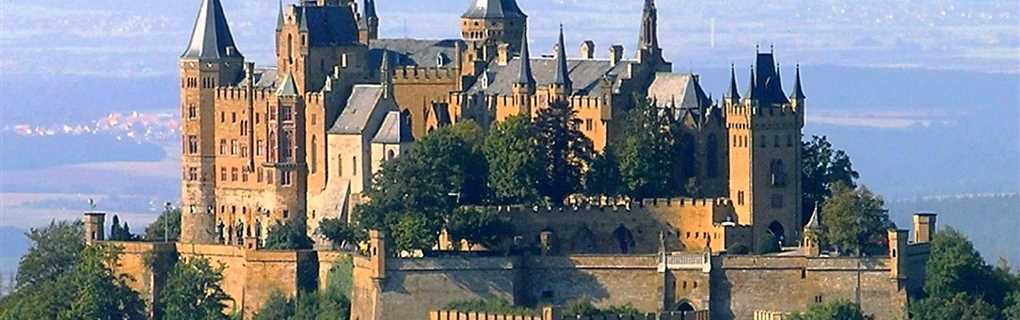
    Lichtenstein Castle and Hohenzollern Castle are two gems that can be visited in close proximity to each other. Lichtenstein Castle, perched atop a cliff, offers a dramatic and picturesque setting, while Hohenzollern Castle, with its imposing architecture, provides a glimpse into the history of the Hohenzollern dynasty. Both castles are steeped in history and offer unique experiences, making them a highlight of any German castle road trip.

  3. Mannheim Palace: Baroque Grandeur and City of Squares

    Mannheim Palace is a testament to Baroque grandeur, situated in the heart of Mannheim, known as the “City of Squares.” This impressive palace, once the residence of the Electors of the Palatinate, boasts an impressive façade and beautiful gardens. Visitors can explore the palace’s opulent interiors, including the grand halls and chambers, and enjoy the vibrant cultural scene of Mannheim.

  4. Schloss Drachenburg: Private Villa with Fairy Tale Appeal

    Schloss Drachenburg, located on the Drachenfels hill, is a private villa that exudes fairy tale charm. Built in the late 19th century, this castle offers a unique blend of medieval and Romanesque styles. Visitors can explore the castle’s intricate architecture and enjoy the stunning views of the Rhine River. Despite being a private residence, Schloss Drachenburg is a must-visit for its enchanting atmosphere and historical significance.

Germany, castles in Germany

Planning Your Castle Road Trip: Itinerary and Travel Tips

Suggested Multi-Day Itinerary with Key Stops

Embark on a magical journey along Germany’s legendary Castle Road, where over 60 castles, palaces, and stately homes await your discovery. Start your adventure in Mannheim, home to the grand Mannheim Palace, and then make your way to Heidelberg, famous for its romantic castle ruins and vibrant old town. From Heidelberg, continue to Bad Wimpfen and Rothenburg ob der Tauber, each offering medieval charm and breathtaking architecture. Along the way, don’t miss the fairytale-like Lichtenstein Castle and the majestic Hohenzollern Castle, both easily accessible from Heidelberg and perfect for a day trip.

Transportation Options and Driving Routes

Driving is the most rewarding way to experience the Castle Road, allowing you to stop at your own pace and soak in the stunning scenery. The route is well-marked and car-friendly, with plenty of opportunities to pull over for photos or a leisurely picnic. If you prefer not to drive, consider joining a guided tour or using Germany’s efficient train and bus networks to reach major towns and castles. Many castles are just a short walk or shuttle ride from the nearest station.

Accommodation: Staying in Castles and Nearby Towns

For a truly immersive experience, book a night in one of the many castle hotels along the route—Colmberg Castle, for example, offers luxurious rooms within historic walls. If you prefer the charm of small towns, Heidelberg, Rothenburg, and Bad Wimpfen all provide a wide range of cozy guesthouses, boutique hotels, and family-run inns. Staying in these towns also gives you easy access to local restaurants, shops, and evening strolls through cobbled streets.

Seasonal Events and Festivals to Enhance Your Visit

Time your visit to coincide with one of the region’s lively festivals for an extra dose of magic. The Ludwigsburg Pumpkin Festival is a seasonal highlight, transforming the palace gardens into a whimsical wonderland each autumn. Throughout the year, many castles host medieval markets, concerts, and special exhibitions, bringing history to life in unforgettable ways. Check local event calendars to make the most of your fairy tale adventure.

Germany, castles in Germany

Immersive Experiences: Beyond Sightseeing on the Castle Road

Guided Ghost Walks and Historical Tours

Embark on guided ghost walks that bring the mysterious past of Germany’s castles to life. These tours weave together spine-tingling legends and fascinating historical facts, allowing you to experience the castles in a way that goes far beyond just admiring their architecture. Walking through dimly lit corridors and ancient courtyards, you’ll hear stories of knights, royalty, and restless spirits that have lingered for centuries, making your visit truly unforgettable.

Sampling Medieval Cuisine and Historical Recipes

Delight your taste buds by sampling medieval cuisine inspired by recipes from the castle kitchens of old. Many local inns and castle restaurants offer dishes prepared with traditional ingredients and methods, giving you a delicious glimpse into the past. From hearty stews and freshly baked breads to sweet pastries and spiced wines, these culinary experiences connect you to the flavors that once filled the grand halls of German castles.

Exploring Half-Timbered Towns and Local Culture

Venture beyond the castles to explore charming half-timbered towns nestled along the Castle Road. These picturesque villages, with their cobblestone streets and colorful timber-framed houses, offer a warm welcome and a chance to immerse yourself in local culture. Discover artisan shops, cozy cafes, and lively markets where traditions are kept alive, making every stop a delightful cultural encounter.

Photography Tips for Capturing Castle and Landscape Beauty

Capture the enchanting beauty of castles and their surrounding landscapes with a few simple photography tips. Early morning and late afternoon light provide the most magical glow, perfect for highlighting the intricate details of castle architecture and the lush greenery around them. Don’t forget to explore different angles—shoot from the castle grounds, nearby hills, or even across rivers—to create stunning compositions that tell the story of your fairy tale road trip.

Germany, castles in Germany

Conclusion: A Journey Through Time

Embarking on a castle-hopping adventure in Germany is a journey that will transport you through centuries of history, romance, and enchantment. From the majestic ruins of Heidelberg Castle to the picturesque towns like Rothenburg ob der Tauber, every stop along the way offers a glimpse into a bygone era. The Castle Road, stretching from Mannheim to Prague, is a treasure trove of over 60 magnificent castles, fairytale palaces, and stately homes, each with its own unique story to tell.

As you wander through the half-timbered streets, visit medieval markets, and indulge in historical feasts, you’ll feel like you’re living in a fairytale. The warm hospitality and breathtaking landscapes only add to the magic of this experience. Whether you’re a history buff, a romantic at heart, or simply someone who loves adventure, this road trip is sure to leave you with unforgettable memories.

So pack your bags, grab your camera, and get ready to immerse yourself in the enchanting world of German castles. With its blend of history, culture, and natural beauty, this journey promises to be a once-in-a-lifetime experience that will leave you spellbound and eager for more. Ready to plan your castle adventure?

Hidden Gems of Bavaria: 5 Charming Towns Beyond Munich

Bavaria, Munich, Germany TOP

Hidden Gems of Bavaria: 5 Charming Towns Beyond Munich

Bavaria is a region that never fails to enchant, but beyond the well-trodden paths of Munich and the famous castles, there are towns that offer a more intimate glimpse into the heart of German culture. As a travel agent who has explored these hidden corners, I’ve discovered that the real magic of Bavaria lies in its lesser-known villages and towns—each with its own story, traditions, and secrets waiting to be uncovered.

These five towns are not just stops on a map; they are living postcards of Bavarian life. From the painted facades of Mittenwald to the medieval lanes of Rothenburg ob der Tauber, every turn reveals something new. Whether you’re drawn to the tranquility of lakeside retreats, the romance of cobblestone streets, or the thrill of hiking trails that lead to breathtaking vistas, these hidden gems promise an authentic experience far from the crowds.

What sets these towns apart is their ability to preserve the past while embracing the present. You’ll find locals who are proud to share their heritage, festivals that bring the community together, and culinary traditions that have been passed down for generations. For travelers seeking more than just a photo opportunity, these towns offer a chance to connect with the soul of Bavaria.

Bavaria, Munich, Germany TOP

Cultural Insights & Local Secrets

Ohlstadt: A Peaceful Alpine Escape

Ohlstadt is a quiet village nestled in the Bavarian Alps, just 40 minutes from Munich. It’s the perfect place to unwind in a cozy cottage surrounded by nature. The local culture here is deeply rooted in the rhythms of the mountains—think fresh air, hearty food, and a slower pace of life. One of my favorite secrets is Bettina’s Arthouse, a serene retreat on seven acres where you can stay in charming cottages and truly disconnect from the world.

“In Ohlstadt, the mountains are your neighbors, and the stars are your nightlight.”

Mittenwald: Where Art Meets Nature

Mittenwald is a town that feels like a living painting, with homes adorned in biblical frescoes and streets lined with violin makers’ workshops. The local culture is a blend of artistic heritage and outdoor adventure. Don’t miss the chance to take the Karwendelbahn gondola up to the Austrian border for hiking, or to explore the Geisterklamm, a dramatic gorge with a hanging path that offers stunning views.

Rothenburg ob der Tauber: A Medieval Dream

Rothenburg is a fairy-tale town on the Romantic Road, famous for its well-preserved medieval walls and half-timbered houses. The town comes alive during festivals like the Meistertrunk, where locals reenact a legendary drinking contest. Wander the cobblestone streets at dusk for a magical atmosphere, and don’t forget to try the local Schneeballen—a pastry that’s as unique as the town itself.

Did you know?

Rothenburg’s Night Watchman Tour is a must-do, offering a glimpse into the town’s history through the eyes of a costumed guide.

Bamberg: Beer, Bridges, and Baroque

Bamberg is a UNESCO World Heritage Site known for its smoked beer and stunning architecture. The town’s Old Town Hall, perched on a bridge over the Regnitz River, is a photographer’s dream. Local breweries offer tours and tastings, and the annual Sandkerwa festival transforms the town into a lively celebration of food, music, and tradition.

Bamberg’s Must-Try Brews
Beer Description
Rauchbier Smoked beer, a Bamberg specialty
Helles Light, crisp lager
Weizen Wheat beer with fruity notes


Oberammergau: A Treasure of Tradition and Nature

Oberammergau is a gem nestled in the Ammergau Alps, renowned for its world-famous Passion Play, centuries-old woodcarving traditions, and beautifully painted houses. The town offers a unique blend of modern life and traditional culture, where residents often wear colorful folk costumes during local celebrations. My travel agent recommendation is exploring the town’s scenic valley, surrounded by forested mountains, perfect for hiking and nature lovers.

For a panoramic view of the area, take a ride on the Laber Bergbahn cable car, which offers breathtaking views of the Bavarian Alps. At the top, enjoy a meal or snack at Die Laberei while taking in the scenery. Another highlight is the Alpine Coaster, a thrilling alpine slide that winds down the mountain, providing stunning views and an adrenaline rush.

Did you know?

The Crucifixion Group Sculpture, gifted by King Ludwig II, is a must-see for its realistic and detailed artwork.

Bamberg: Beer, Bridges, and Baroque

Bamberg is a UNESCO World Heritage Site known for its smoked beer and stunning architecture. The town’s Old Town Hall, perched on a bridge over the Regnitz River, is a photographer’s dream. Local breweries offer tours and tastings, and the annual Sandkerwa festival transforms the town into a lively celebration of food, music, and tradition.

Bamberg’s Must-Try Brews
Beer Description
Rauchbier Smoked beer, a Bamberg specialty
Helles Light, crisp lager
Weizen Wheat beer with fruity notes

Rothenburg ob der Tauber: A Medieval Dream

Rothenburg is a fairy-tale town on the Romantic Road, famous for its well-preserved medieval walls and half-timbered houses. The town comes alive during festivals like the Meistertrunk, where locals reenact a legendary drinking contest. Wander the cobblestone streets at dusk for a magical atmosphere, and don’t forget to try the local Schneeballen—a pastry that’s as unique as the town itself.

“Rothenburg’s Night Watchman Tour is a must-do, offering a glimpse into the town’s history through the eyes of a costumed guide.”

Mittenwald: Where Art Meets Nature

Mittenwald is a town that feels like a living painting, with homes adorned in biblical frescoes and streets lined with violin makers’ workshops. The local culture is a blend of artistic heritage and outdoor adventure. Don’t miss the chance to take the Karwendelbahn gondola up to the Austrian border for hiking, or to explore the Geisterklamm, a dramatic gorge with a hanging path that offers stunning views.

Ohlstadt: A Peaceful Alpine Escape

Ohlstadt is a quiet village nestled in the Bavarian Alps, just 40 minutes from Munich. It’s the perfect place to unwind in a cozy cottage surrounded by nature. The local culture here is deeply rooted in the rhythms of the mountains—think fresh air, hearty food, and a slower pace of life. One of my favorite secrets is Bettina’s Arthouse, a serene retreat on seven acres where you can stay in charming cottages and truly disconnect from the world.

“In Ohlstadt, the mountains are your neighbors, and the stars are your nightlight.”

Bavaria, Munich, Germany

Cultural Insights: The Heartbeat of Bavaria’s Hidden Towns

Local Traditions and Festivals: Where History Comes Alive

As a lover of Germany, I’ve had the privilege of experiencing the vibrant local traditions and festivals in Bavaria’s hidden gems. One of my favorite experiences is visiting Mittenwald, where the houses are painted with biblical figures, and the air is filled with the aroma of traditional Weißwurst. The town comes alive during festivals like the Maifest, where locals celebrate with music, dance, and traditional Bavarian attire. It’s a truly immersive experience that allows you to connect with the local culture.

Architectural Marvels: From Medieval to Rococo

Bavaria is renowned for its stunning architectural heritage, and its hidden towns are no exception. In Rothenburg ob der Tauber, you can walk along the medieval walls and explore the charming half-timbered houses. Meanwhile, Würzburg boasts breathtaking baroque and rococo masterpieces, including the majestic Würzburg Castle and the Marienberg Fortress. Each town offers a unique architectural experience that reflects its rich history and cultural identity.

Culinary Secrets: Authentic Bavarian Flavors Off the Beaten Path

One of the highlights of exploring Bavaria’s hidden gems is discovering authentic local cuisine. In Bamberg, you can indulge in the famous Bamberg Beer and savor traditional dishes like Schäuferla (roast pork shoulder). In Ramsau bei Berchtesgaden, the picturesque setting is complemented by delicious local specialties such as Leberkäse and Apfelstrudel. Each town offers a unique culinary experience that showcases the best of Bavarian flavors.

Exploring the Hidden Gems

Here are five charming towns beyond Munich that I highly recommend:

Town Description
Mittenwald A picturesque town with vibrant Bavarian culture, known for its hiking trails and traditional architecture.
Rothenburg ob der Tauber A medieval town famous for its well-preserved walls and half-timbered houses.
Bamberg A historic city with a rich brewing tradition and unique local cuisine.
Würzburg A city renowned for its stunning baroque architecture and beautiful vineyards.
Ramsau bei Berchtesgaden A charming village nestled in the mountains, offering breathtaking scenery and local specialties.

Bavaria, Munich, Germany

Local Secrets: Uncovering the Authentic Bavaria

Secret Hikes and Nature Escapes: Trails Only Locals Know

I’ve discovered some of Bavaria’s most enchanting hiking trails that are often overlooked by tourists. One of my favorites is the Geisterklamm in Mittenwald, where a hanging path takes you over the Leutscher Valley in Austria. This trail offers breathtaking views and a unique experience of crossing into another country. Another gem is the Karwendelbahn, which takes you up to the Austrian border for some of the most spectacular hiking in the region.

 Hidden Cafés and Artisan Shops: Where Locals Gather

For a truly local experience, I recommend visiting some of Bavaria’s hidden cafés and artisan shops. In Mittenwald, you can enjoy traditional Weißwurst at a local café, surrounded by homes painted with biblical figures—a quintessential Bavarian experience. In Ohlstadt, Bettina’s Arthouse offers a serene escape with its peaceful surroundings and unique art pieces.

Seasonal Events and Markets: Beyond the Tourist Calendar

Bavaria is renowned for its vibrant seasonal events and markets. One of my insider tips is to visit the Asamkirche during the Christmas season, when its architectural beauty is enhanced by festive decorations. Another local secret is the Pilgrimage Church of Wies, which hosts a serene Easter market that captures the essence of Bavarian culture.

5 Charming Towns Beyond Munich

– Mittenwald: Known for its picturesque houses and stunning mountain trails, Mittenwald offers an authentic Bavarian experience with its local cuisine and cultural events.
– Ohlstadt: This charming town is home to Bettina’s Arthouse, a peaceful retreat with beautiful art and serene surroundings.
– Beilngries: Famous for its beautiful views from the castle and hiking trails, Beilngries is a hidden gem for nature lovers.
– Vogelsburg: Located along the Main River, Vogelsburg offers scenic bike rides and historical sites like Schloss Hallburg.
– Freisin*: Just north of Munich, Freising provides a tranquil escape with its historic architecture and local markets.

Insider Tips for Exploring These Towns

When visiting these towns, consider using eBikes to explore the scenic countryside, especially in areas like the Main River. For a truly immersive experience, try staying in local accommodations like the cottages at Bettina’s Arthouse in Ohlstadt. Don’t miss the opportunity to enjoy local specialties like Weißwurst in Mittenwald or explore the historic castles in Beilngries.

Seasonal Highlights

– Spring: Enjoy the blooming flowers and greenery in the Bavarian Alps.
– Summer: Hike through the lush trails of Mittenwald and explore the scenic lakes.
– Autumn: Experience the vibrant colors of the changing leaves in Beilngries.
– Winter: Visit the festive markets and enjoy the snow-covered landscapes of Ohlstadt.

Bavaria, Munich, Germany

Town-by-Town Guide: Deep Dives into Each Hidden Gem

Ohlstadt: Alpine Serenity and Artistic Retreats

Ohlstadt is a tranquil haven nestled in the heart of the Bavarian Alps, offering a serene escape from the bustling city life. One of my favorite spots is Bettina’s Arthouse, a peaceful 7-acre retreat where you can stay in adorable cottages surrounded by nature. This haven is perfect for those seeking an artistic and relaxing getaway, with Munich just a 40-minute drive away.

Mittenwald: Painted Houses and Mountain Trails

Mittenwald is a charming town that embodies the essence of Bavarian culture. The houses here are famously painted with biblical figures, adding a touch of vibrant color to the town’s picturesque landscape. For outdoor enthusiasts, Mittenwald offers an array of hiking trails, including the Karwendelbahn gondola ride to the Austrian border. Enjoy local specialties like Weißwurst and explore the stunning natural beauty of the surrounding mountains.

Bamberg: The Franconian Rome with Canals and Bridges

Bamberg, often referred to as the “Franconian Rome,” is a city steeped in history and architectural beauty. Its unique blend of medieval and baroque styles, along with its picturesque canals and bridges, makes it a must-visit destination. Take a stroll through the old town, visit the Bamberg Cathedral, and enjoy the local smoked beer, which is a specialty of the region.

Rothenburg ob der Tauber: Medieval Magic on the Romantic Road

Rothenburg ob der Tauber is a quintessential medieval town that captures the essence of Bavaria’s romantic past. Located on the famous Romantic Road, this charming town is filled with half-timbered houses, quaint shops, and historic landmarks like the Plönlein. Don’t miss trying the local Schneeballen pastry and exploring the town’s well-preserved medieval walls.

Landshut: Castles, Churches, and Lower Bavarian Charm

Landshut, situated in Lower Bavaria, is a treasure trove of historical landmarks and cultural experiences. The town is famous for its stunning Trausnitz Castle and the beautiful St. Martin’s Church, which boasts the world’s tallest brick tower. Enjoy the local festivals, explore the charming old town, and experience the warm hospitality of the region.

Bavaria, Munich, Germany

Hidden Gems of Bavaria: 5 Charming Towns Beyond Munich

I’ve been fortunate to explore the lesser-known corners of Bavaria, and I’m excited to share with you five charming towns that offer a glimpse into authentic German culture. These hidden gems are perfect for travelers seeking unique experiences beyond the bustling streets of Munich.

Connecting with Local Culture: Authentic Experiences for Travelers

One of the most rewarding aspects of visiting these towns is the opportunity to immerse yourself in local culture. For instance, Mittenwald is a treasure trove of Bavarian traditions. This picturesque town is famous for its beautifully painted houses, which depict biblical scenes, and its delicious local cuisine, including Weißwurst, a traditional Bavarian sausage. Visitors can enjoy hiking in the stunning Karwendel mountains or take a ride on the Karwendelbahn gondola to explore the Austrian border.

Another gem is Rothenburg ob der Tauber, a medieval town that feels like stepping into a fairy tale. Its well-preserved architecture and charming streets make it a must-visit for anyone interested in history and culture. The town is also famous for its Schneeballen, a sweet pastry that’s a local specialty.

Escaping the Crowds: Unique Itineraries for Discerning Explorers

For those looking to escape the crowds, Ohlstadt offers a serene retreat. Located just 40 minutes from Munich, it’s home to peaceful escapes like Bettina’s Arthouse, where you can stay in cozy cottages surrounded by nature. This tranquil setting is perfect for relaxation and offers a chance to experience rural Bavarian life.

Bamberg is another hidden gem, known for its unique blend of medieval and baroque architecture. The town is famous for its smoked beer, Rauchbier, and its picturesque riverside setting. Visitors can explore the historic town center, a UNESCO World Heritage Site, and enjoy the local cuisine.

Creating Lasting Memories: Stories to Bring Home

Lastly, Nuremberg and Wasserburg am Inn are two more towns that will leave you with unforgettable memories. Nuremberg is steeped in history, from its medieval castle to its vibrant Christmas markets. Wasserburg, with its medieval town center, offers a glimpse into Bavaria’s past and is a great place to enjoy a leisurely day trip from Munich.

Hidden Gems of Bavaria at a Glance
Town Unique Features Must-Try Experiences
Mittenwald Painted houses, Karwendel mountains Hike to the Austrian border, try Weißwurst
Rothenburg ob der Tauber Medieval architecture, Schneeballen Explore the town walls, visit the Christmas Museum
Ohlstadt Peaceful retreats like Bettina’s Arthouse Relax in nature, explore local villages
Bamberg Smoked beer, medieval architecture Taste Rauchbier, visit the Bamberg Cathedral
Nuremberg Historic castle, Christmas markets Visit the Nuremberg Castle, explore the old town
Wasserburg am Inn Medieval town center Enjoy a leisurely walk along the Inn River

Bavaria, Munich, Germany

Conclusion: Unveiling the Hidden Gems of Bavaria

As I continue to go and explore the enchanting landscapes and charming towns of Bavaria, each offering a unique blend of history, culture, and natural beauty. Beyond the bustling streets of Munich, there lies a world of hidden gems waiting to be discovered. From the picturesque villages like Ramsau bei Berchtesgaden, with its breathtaking mountain backdrop, to the historic towns of Rothenburg ob der Tauber, Bamberg, and Nuremberg, every destination offers an unforgettable experience.

One of my favorite secrets is the serene escape of Ohlstadt, where you can unwind in a peaceful setting just a short drive from Munich. For those seeking a mix of culture and adventure, Augsburg and Würzburg are must-visits, with their stunning architectural marvels and vibrant old towns. Whether you’re a history buff, a nature lover, or simply looking for a tranquil retreat, these hidden gems of Bavaria have something for everyone.

As I plan your journey through these charming towns, remember to immerse yourself in the local culture by trying traditional Bavarian cuisine, exploring the quaint market squares, and taking in the breathtaking views of the Bavarian Alps. With each step, you’ll uncover the authentic essence of Bavaria, making your trip an unforgettable adventure.

Whether you’re a seasoned traveler or embarking on your first journey to Bavaria, these hidden gems will leave you with memories that last a lifetime. Let me guide you through the uncharted paths of this beautiful region, and together, we’ll uncover the secrets that make Bavaria a true treasure of Europe.