If you’re planning what you’re going to eat days in advance… do you have a problem?
I found myself asking that recently.
Not in a dramatic way; but in that quiet, self-aware moment where you pause and go, “Wait… is this normal?”
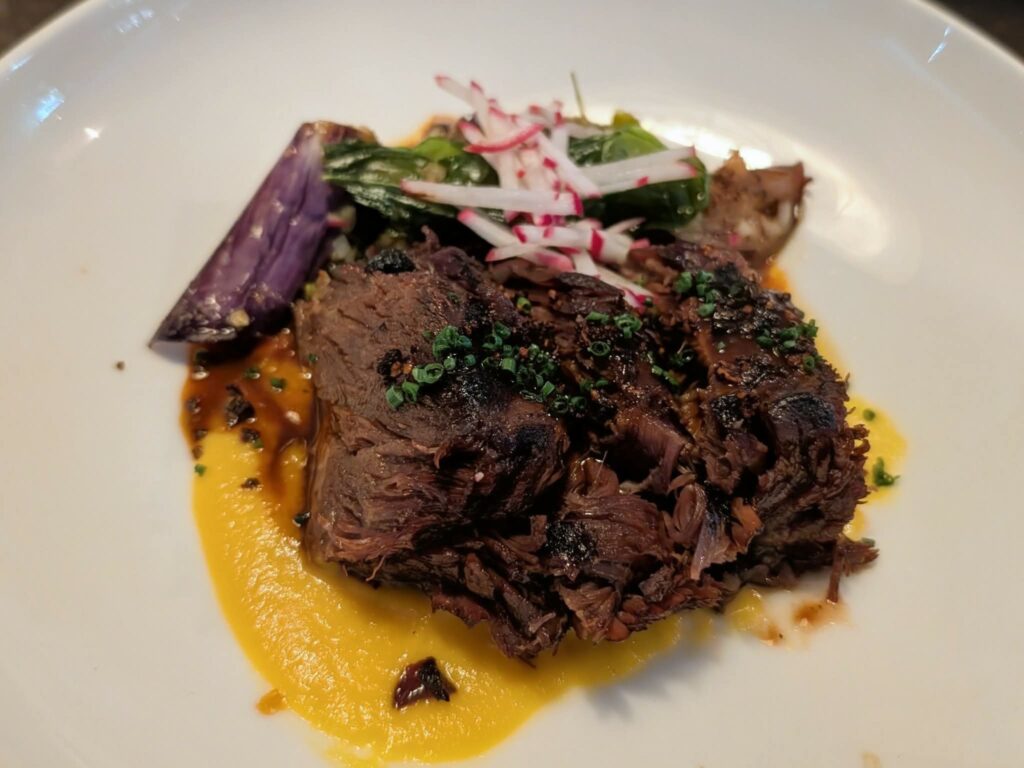
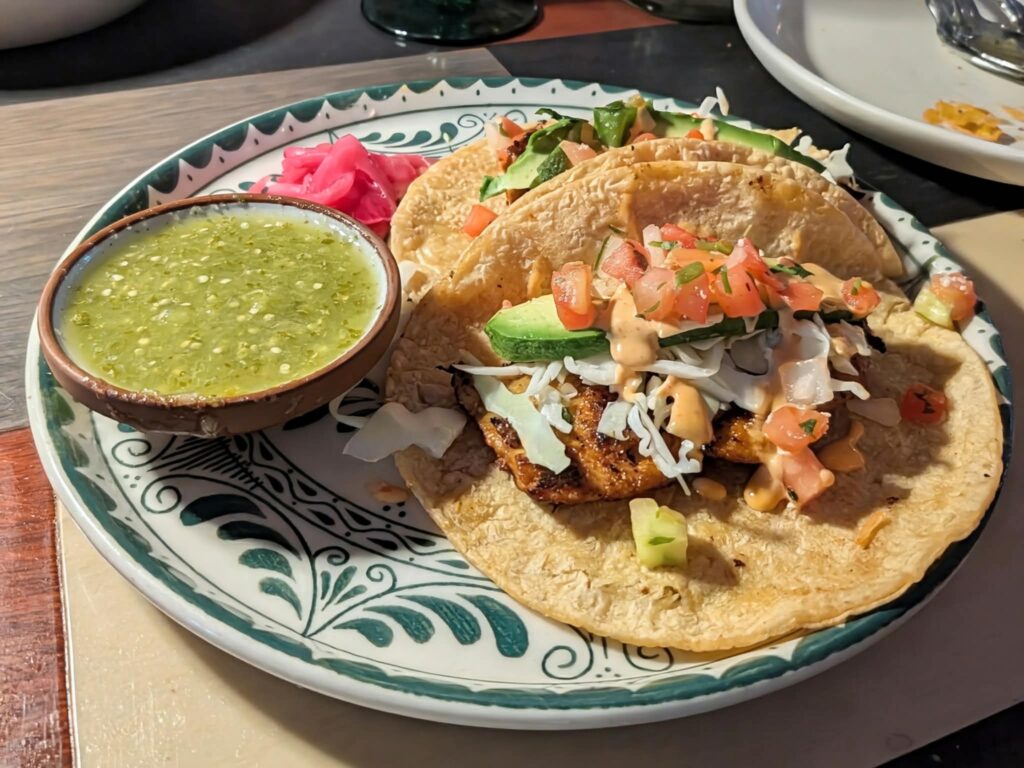
Because I’m the kind of person who will look up restaurants before a trip even starts. I’ll scroll menus. Save spots. Mentally map out the “must eats.”
And somewhere in the middle of that, a thought crept in:
Am I doing too much?
It’s funny how quickly excitement can turn into self-questioning.
But the more I sat with it, the more I realized; this wasn’t about having a problem.
It was about anticipation.
We all have things we look forward to.
Some people plan their outfits. (my sister is this girl) Some people plan excursions and experiences.
And some of us? We plan our meals.
Not because we’re obsessed; but because food is part of how we experience life. It’s part of the memory. The moment. The story we’ll tell later.
The real question isn’t whether planning ahead is “too much.”
It’s how it feels.
Does it feel fun and exciting? Or does it feel stressful and controlling?
Can you pivot if plans change? (I didn’t used to be the person who can pivot, I used to be such a planner but as I’ve gained life experience this has definitely changed.) Or does one closed restaurant throw off your entire day?
Are you looking forward to the experience… or trying to make it perfect? (Is life ever perfect?)
Because that’s where the difference lives.
If it’s joy, anticipation, and something that adds to your experience; there’s nothing wrong with that.
You don’t have a problem.
You just know what you enjoy.
And in a world where so many people are rushing through life without really savoring it… there’s something kind of beautiful about slowing down enough to look forward to the little things.
Even if that “little thing” happens to be a really good meal.
So no; I don’t think planning your meals ahead of time means something is wrong with you.
I think it means you’re paying attention to what makes an experience meaningful.
And honestly?
There are worse things to be than someone who gets excited about good food.
And then… Disneyland in September because Oogie Boogie Bash tickets go on sale THIS WEEK
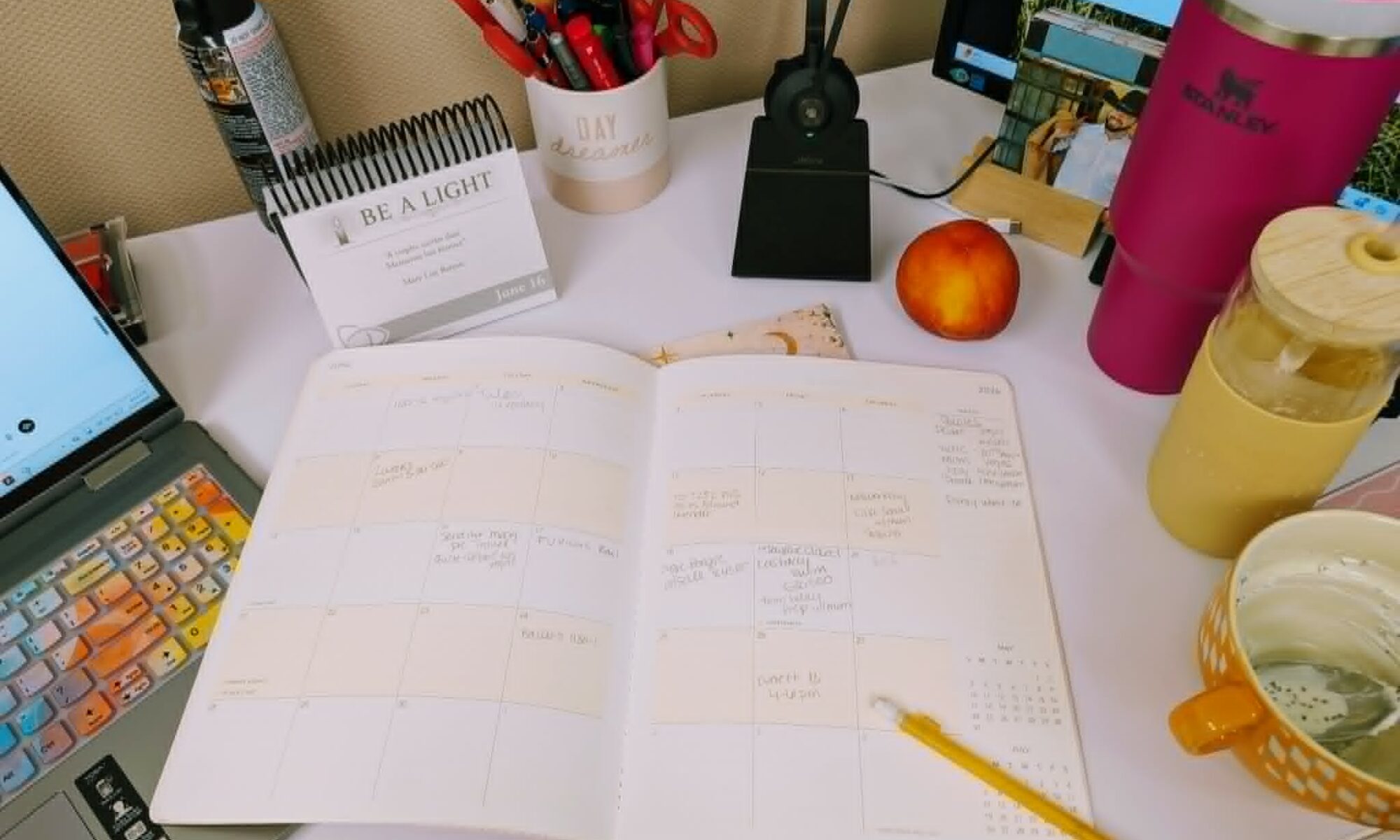
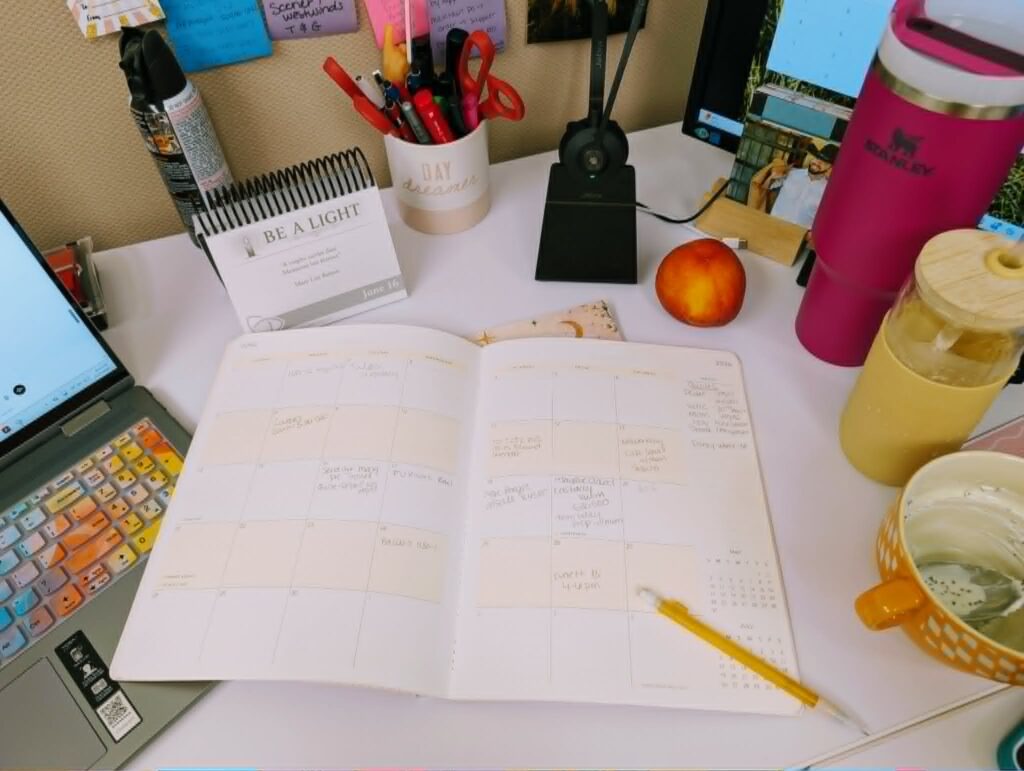
And suddenly I had this moment of: “How is everything happening at once… and what do I actually need to do right now?!”
If you’ve ever felt like that; you’re not alone.
This is exactly how most families plan travel. It’s not neat and organized. It’s life, layered on top of life, with a sprinkle of “wait, are we going to miss something important?!”
Why Everything Feels Urgent (Even When It’s Not)
When you have multiple events, trips, and responsibilities happening at once, your brain treats everything like it’s equally urgent.
But in reality? It’s not.
Some things truly are time-sensitive (like special event tickets 👀), while others feel urgent but actually have more flexibility.
The problem is no one really teaches you how to tell the difference.
What Actually Needs Your Attention First
Let’s break this down in a real-life way:
Immediate / Time-Sensitive:
Special event tickets (like Oogie Boogie Bash 👻)
Limited-capacity experiences
Dining reservations for large groups
Plan Soon (But Not Panic-Level):
Flights (once they’re released within that booking window)
Popular hotels or resorts for peak dates
Can Wait (Even If It Feels Like It Can’t):
Outfits
Decorations
Extras and “nice-to-haves”
And yet… where do we spend most of our time first?
👉 The outfits 👉 The decorations 👉 The Pinterest spiral
No judgment, I’m right there with you 😂
The Real Secret to Stress-Free Travel Planning
It’s not doing everything at once.
It’s knowing what to focus on, and when.
This is where having a plan (or someone helping you create one) makes all the difference.
Because instead of: “OMG I have so much to do”
You shift to: “Okay, THIS is what actually matters today”
Where I Come In (Because This Is Literally My Job)
This is exactly what I help my clients do.
I keep track of: ✔️ When tickets go on sale ✔️ What needs to be booked first ✔️ What can wait ✔️ What will sell out vs what won’t
So you don’t have to carry all of those tabs in your head at once.
Because let’s be honest; you’ve already got enough going on.
The Bottom Line
If your brain feels like a chaotic mix of birthdays, trips, events, and “don’t forget this!!!” reminders…
You’re not doing it wrong.
You just need a better way to organize it; and someone who knows what actually matters first.
Ready to Simplify It?
If you’ve got multiple trips or events coming up and don’t know where to start, I’ve got you.
In today’s always-on world, stress feels normal. Between work, family schedules, and constant notifications, many of us are operating in low-grade fight-or-flight without even realizing it.
What I’ve learned both personally and as a travel advisor is this:
Travel isn’t indulgent. It’s restorative.
Whether it’s a family adventure, an adults-only escape, or a girls getaway, the right trip can reset your nervous system, strengthen connection, and help you come home feeling like yourself again.
A Trip to Walt Disney World: A Reset Before Life Got Loud
Before kids and before life revolved around everyone else’s schedules, we took a week trip to Walt Disney World.
At the time, it felt like a fun getaway. Looking back, I see it as something more: a reset before life became beautifully chaotic.
We weren’t managing nap times or coordinating multiple needs. There was no constant mental checklist running in the background. We slept in. Took breaks. Moved at our own pace.
And what I remember most isn’t the rides it’s how calm I felt.
When you remove daily responsibility, your body shifts. The tension softens. You stop bracing for the next task. Even in a high-energy environment like Disney, I felt present.
That trip taught me something I didn’t yet have words for: travel changes your physiological state. A new environment signals safety. Novelty pulls you into the moment. Stepping away from routine interrupts stress cycles.
It wasn’t just fun. It was restorative.
Why Travel Supports Mental Health
After 18 years of planning my own trips and now designing vacations for families and women I’ve seen the same pattern again and again:
Anticipation boosts mood weeks before departure.
New environments interrupt stress loops.
Time outdoors lowers cortisol.
Novel experiences anchor you in the present moment.
Travel for mental health isn’t a trend. It’s a powerful shift that tells your body: you’re safe. You can rest.
Adventure Travel for Families and Girls Trips
Rest doesn’t always look like silence.
It can look like ziplining with your kids. Exploring a new city with your best friends. Trying cuisine you’ve never tasted. Laughing until midnight on a girls trip.
Novelty is regulating. It pulls you out of mental overload and into the now.
I’ve watched moms arrive exhausted and leave glowing. I’ve seen families reconnect without the constant distractions of home.
If planning your vacation stresses you out, you’re starting the trip dysregulated.
In my early years of booking everything myself, I’d compare endless flights, overanalyze reviews, and second-guess decisions. It worked but it wasn’t always peaceful.
Now I know: true rest starts before you leave.
When flights, transfers, accommodations, and experiences are coordinated seamlessly, your nervous system begins relaxing long before departure day.
Support in the planning process is part of the reset.
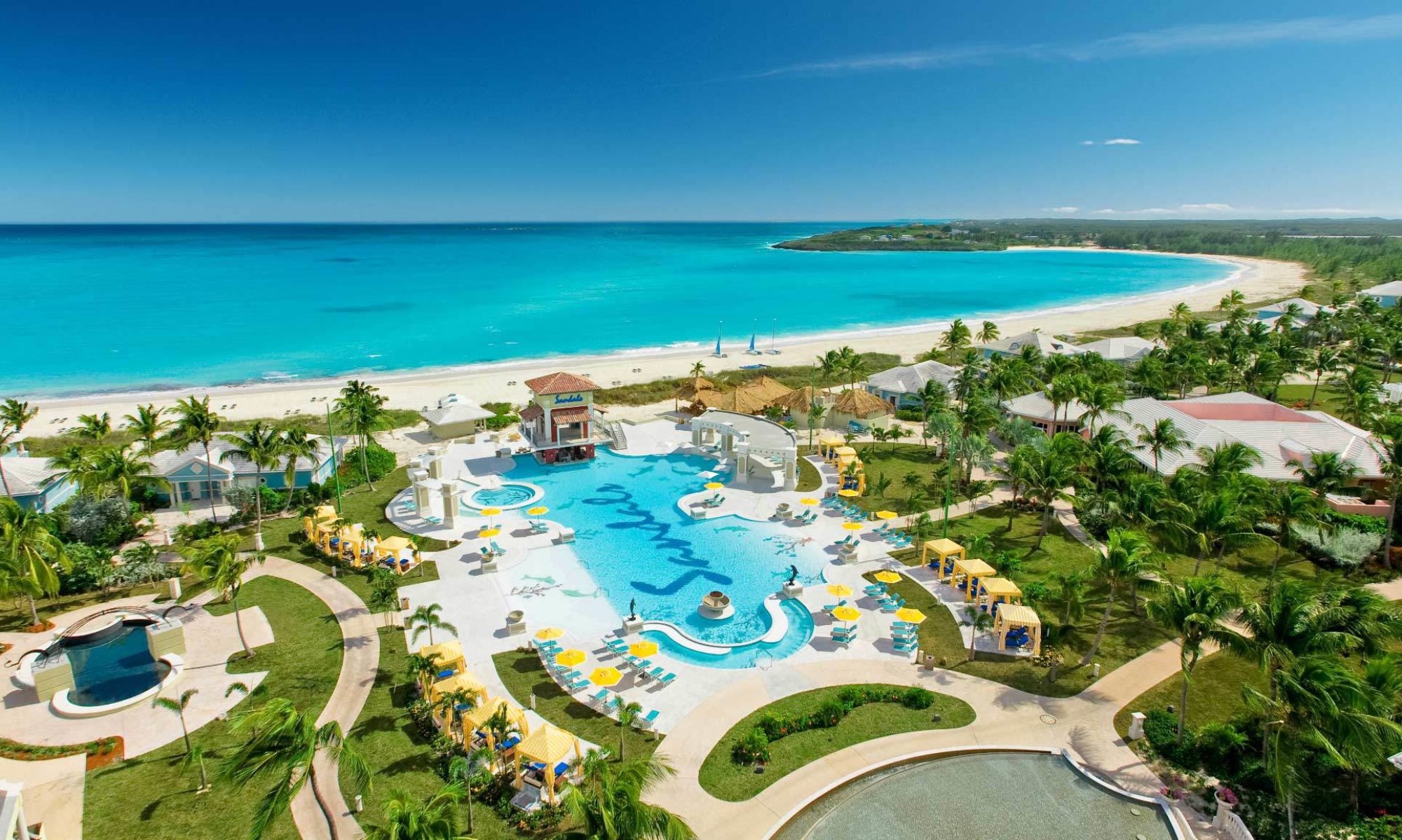
Sandals Ocho Rios: A True Adults-Only Reset in Jamaica
This adults-only, all-inclusive resort in Jamaica redefined what unplugging felt like.
Warm Caribbean air. Ocean waves in the morning. No alarms. No schedules. No one needing anything from me. Baths drawn for you.
All-inclusive resorts remove decision fatigue. Meals are handled. Activities are available. Luxury is built in. You aren’t managing logistics you’re simply present.
When I came home, I didn’t just feel relaxed. I felt restored more grounded, more creative, and more connected.
That’s the difference between a trip and a reset.
Travel Is Preventative Care — Not a Reward
We’ve been conditioned to believe we have to earn rest. That we must hit burnout before we book the trip.
I don’t believe that.
I believe travel is preventative care.
It strengthens relationships. It deepens family connection. It revives friendships. It protects your mental health.