How to Book a Viking River Cruise: A First-Timer’s Complete Guide


So you’ve been dreaming about gliding along the Rhine past medieval castles, waking up in Budapest, or sipping wine in Burgundy — and you’ve decided a Viking river cruise might be the one. Great news: you’ve got excellent taste. But between choosing the right itinerary, figuring out what’s actually included, and decoding cabin categories, it can feel like a lot.

That’s where I come in. I’m Gretchen, and I’ve helped dozens of first-timers book their Viking river cruise — stress-free and without leaving money on the table. In this guide, I’ll walk you through exactly how to book a Viking river cruise step by step, answer the questions I hear most often, and show you why booking through a travel agent (like me!) makes the whole process easier and smarter.

Let’s dive in.
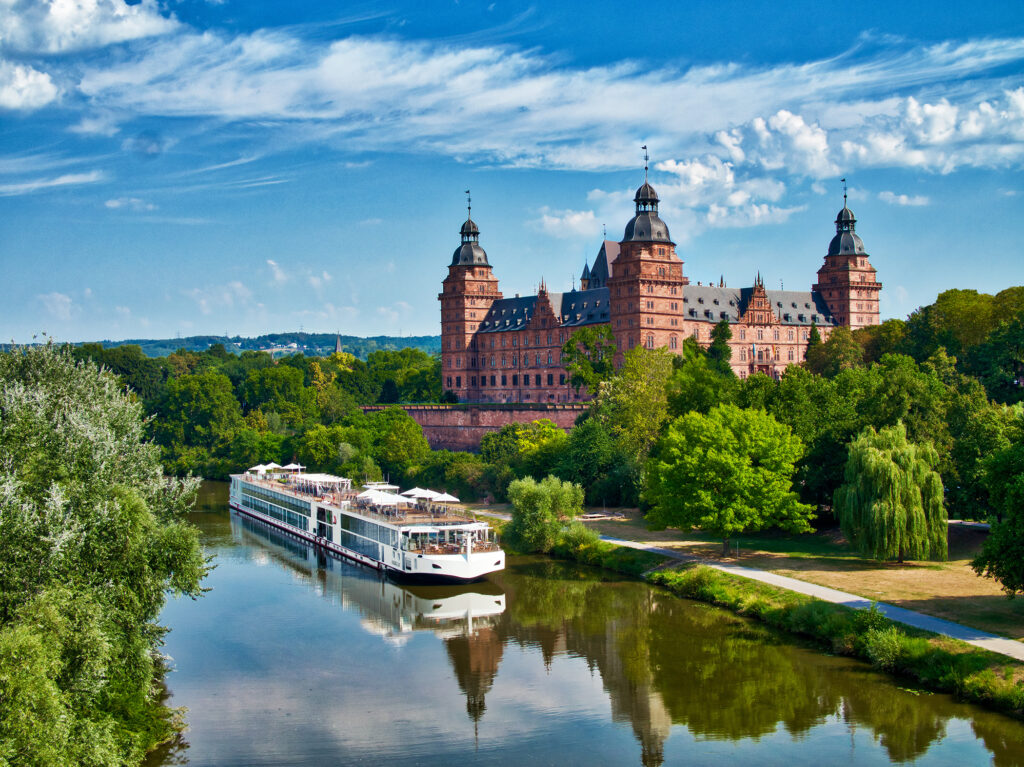
The Viking Longship Lif on the River Main near the Schloss Johannisburg, city of Aschaffenburg, Bavaria, Germany.

Step 1: Understand What Makes Viking River Cruises Different

Before you book anything, it helps to know exactly what you’re signing up for. One of the most common questions I get is: “What’s the difference between a Viking river cruise and a regular cruise?” The answer matters a lot when it comes to setting expectations.

Viking river cruises are designed for adults 18 and older — no kids’ clubs, no waterslides, and that’s completely intentional. The ships, called Viking Longships, carry around 190 guests max, which means a far more intimate, relaxed experience compared to mega ocean ships. Every cabin has a window or veranda, meals are included, and the focus is on cultural immersion at every port.

Questions I help first-timers answer every week:

  • “Is Viking river cruise worth it for first-time cruisers?”
  • “What is included in a Viking river cruise price?”
  • “Viking river cruise vs ocean cruise — which is better for couples?”
  • “How big are Viking Longship cabins?”

Short answer to all of the above: yes, it’s worth it — especially when you know what to look for.
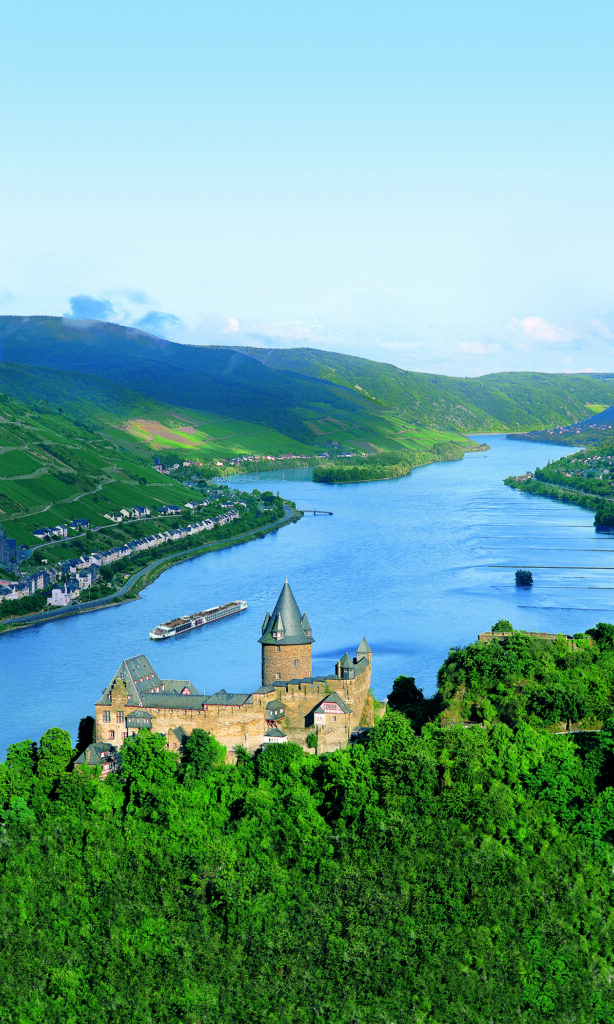

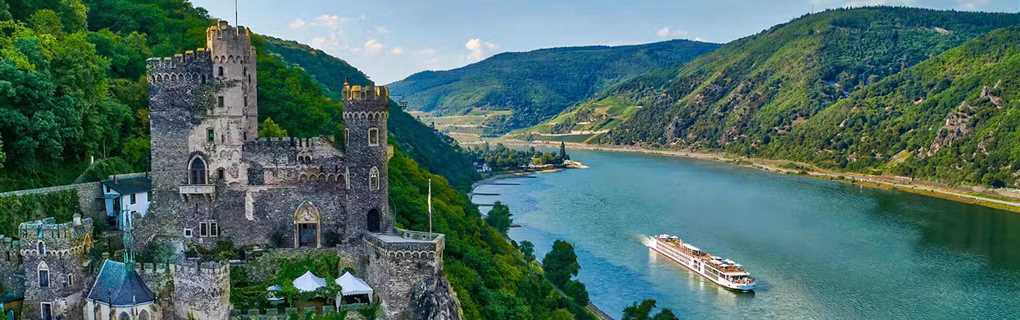
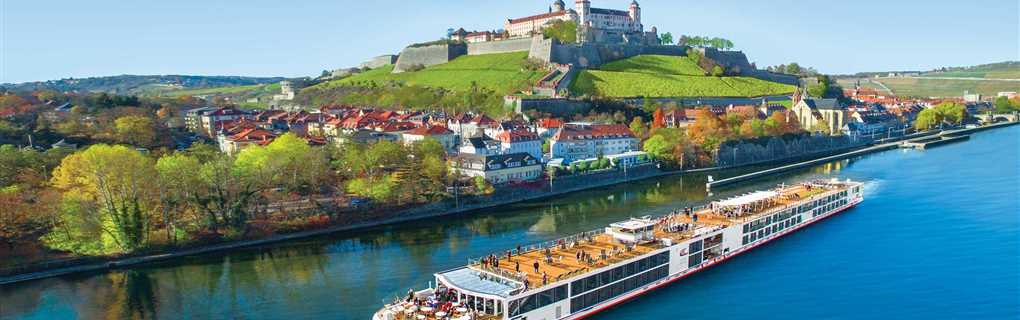
Stahleck Castle overlooking the Rhine River with Viking Longship

Step 2: Choose the Right Viking River Cruise Itinerary for You

This is where most first-timers get stuck, and honestly it’s where working with me saves you the most time. Viking operates river cruises across Europe, Asia, Egypt, and beyond. Here’s a breakdown of the most popular routes and who they’re best for:

Rhine River Cruise (Amsterdam to Basel) Best for first-timers, history lovers, and Christmas market cruisers. This is Viking’s most iconic route — castle-lined riverbanks, the Lorelei Valley, and charming cities like Cologne and Strasbourg. Long-tail searches that lead clients to me for this one: “Viking Rhine river cruise first time tips,” “Viking Rhine cruise what to expect port by port,” and “best cabin on Viking Rhine cruise.”

Danube River Cruise (Budapest to Passau, or longer) Best for architecture fans, foodies, and couples celebrating anniversaries. Think Budapest at night, Vienna’s grand boulevards, and Bratislava’s old town. Common searches: “Viking Danube cruise Budapest to Amsterdam itinerary,” “how many days is the Viking Danube cruise,” and “what is the best time of year to cruise the Danube River with Viking.”

Grand European Tour (Rhine, Main & Danube) Best for travelers who want to see it all in one trip. This longer sailing combines multiple rivers and countries. Searches I see constantly: “Viking Grand European Tour review,” “how long is the Viking Grand European Tour cruise,” and “is 15 days enough for the Viking Grand European Tour.”

Mekong River Cruise (Vietnam & Cambodia) Best for adventurous travelers wanting something completely different. I get a lot of “Viking Mekong river cruise vs European river cruise” searches — and the answer depends entirely on your travel style. Just ask me!
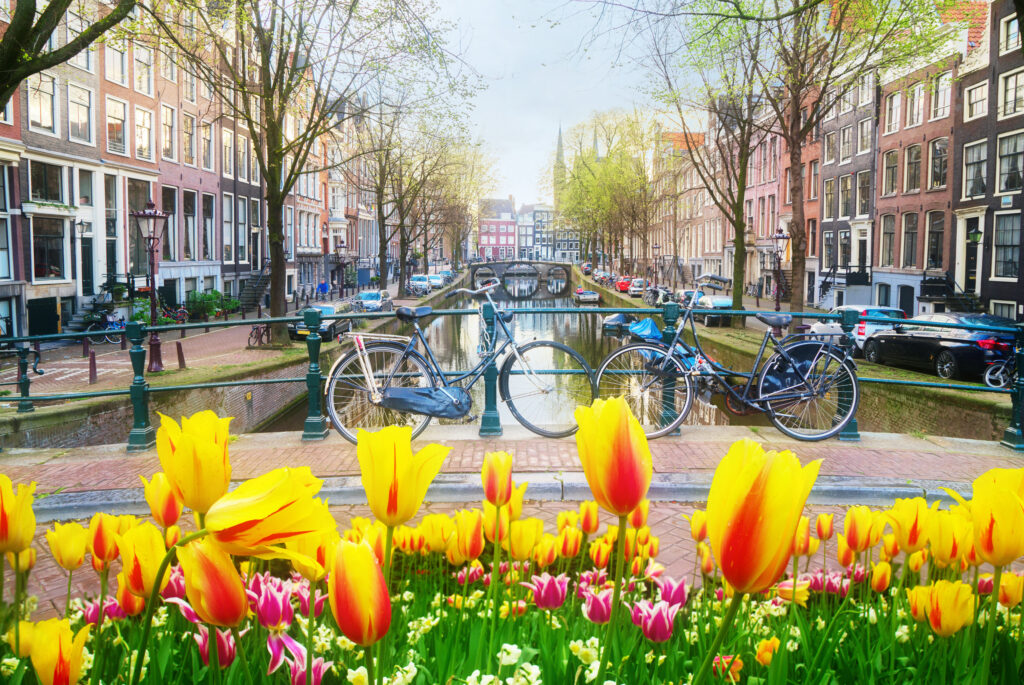

Bicycles parked on a canal bridge in Amsterdam, the Netherlands in springtime, with tulips in the foreground

Step 3: Pick the Best Time to Book a Viking River Cruise

Timing is everything with Viking — both when you travel and when you book.

Best time of year to sail:

  • Spring (April–May): Tulip season in Holland, mild weather, fewer crowds — ideal for first-timers
  • Summer (June–August): Long days, lively ports, but more crowded and warmer on the ship. Book early.
  • Fall (September–October): Arguably the most beautiful time — wine harvests, golden foliage, fewer tourists
  • Winter/Christmas (November–December): Christmas market cruises are wildly popular. Viking Rhine and Danube Christmas market sailings sell out a year or more in advance

When to book for the best price: The most-searched question I get: “How far in advance should you book a Viking river cruise?” My honest answer: 12–18 months out for peak sailings, especially Christmas markets and spring tulip season. Viking runs early booking discounts — typically 2-for-1 airfare deals and reduced deposits — that disappear fast.

As your travel agent, I monitor these deals for you and alert you the moment something worth booking comes up. That’s a service you simply don’t get booking direct.
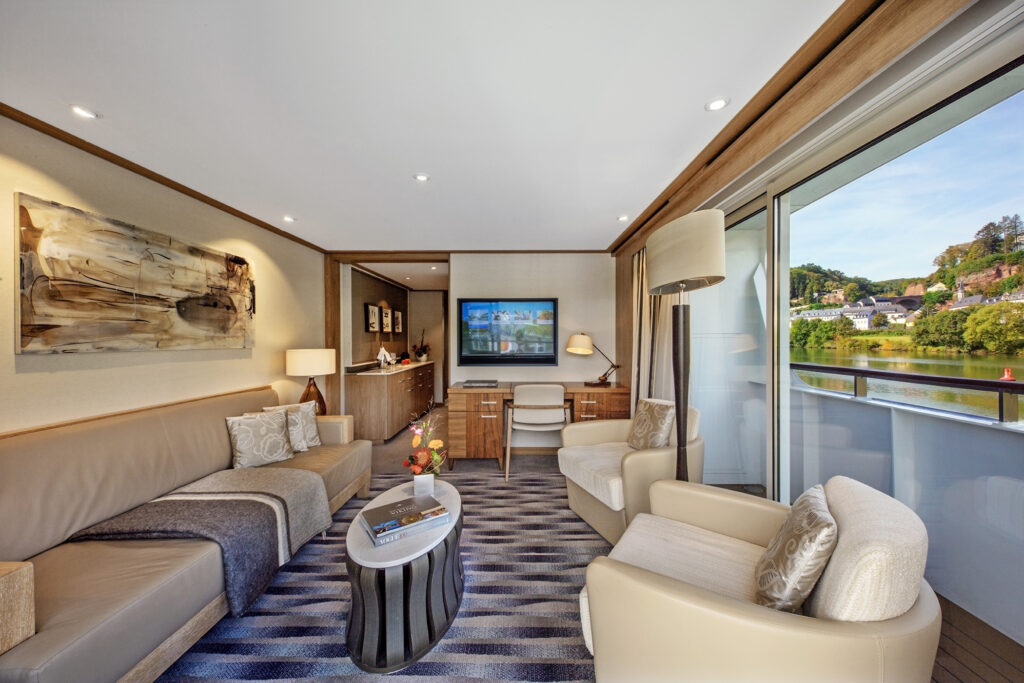

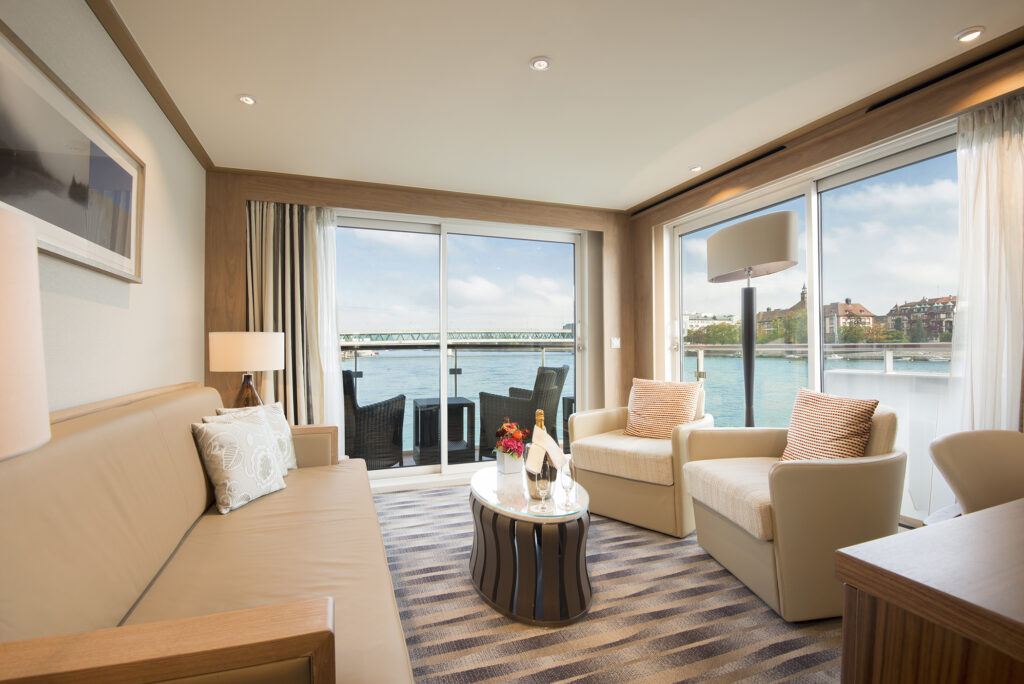
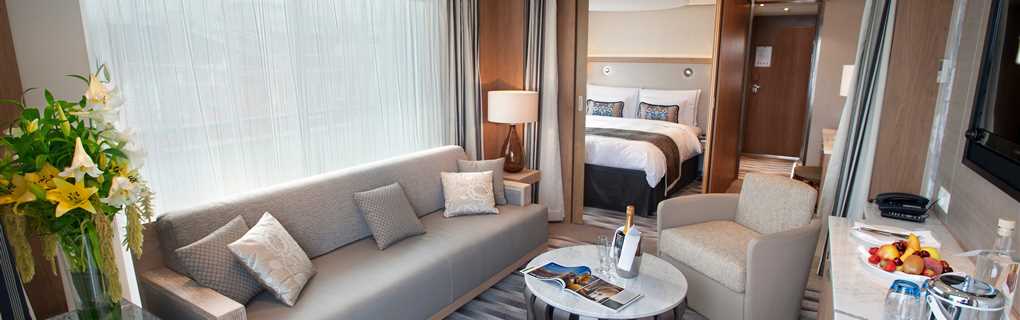
Explorer Suite on-board the Viking Longship Hild.

Step 4: Decode Viking Cabin Categories (and Which to Actually Book)

“Which Viking river cruise cabin category is worth upgrading to?” is one of the most Googled questions about Viking — and for good reason. Here’s the quick breakdown:

  • Standard Stateroom: Lower deck, fixed window. Perfectly comfortable and great for budget-conscious travelers
  • French Balcony: Floor-to-ceiling sliding door — not an outdoor balcony, but you get fresh air and beautiful views. My most popular recommendation for first-timers
  • Veranda Suite / Junior Suite: Actual outdoor sitting area plus more space. Worth the splurge for longer sailings (10+ days)
  • Explorer Suite: Top of the line. Huge outdoor space, premium amenities. Special occasion only — but truly unforgettable

My rule of thumb: On a 7-day Rhine cruise, the French Balcony is the sweet spot. On a 15-day Grand European Tour, seriously consider a Veranda Suite — you’ll be on board long enough to really use that outdoor space.
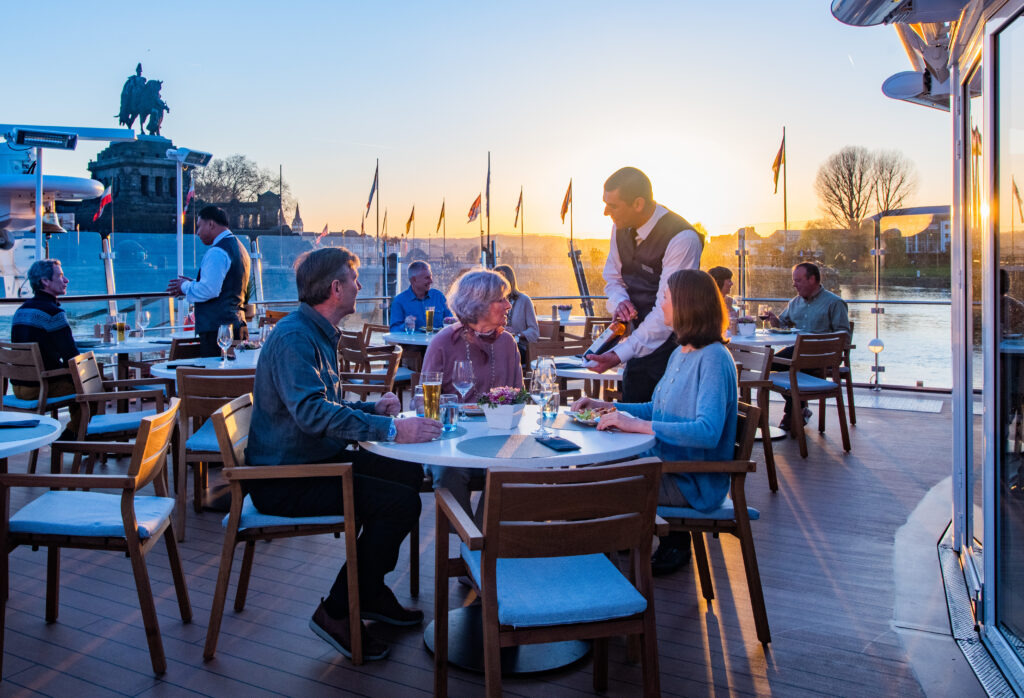

Viking waiter serves wine to guests dining on the Aquavit Terrace at sundown on-board a Viking Longship, German Corner, Koblenz, Germany.

Step 5: Understand What’s Included (and What Isn’t)

“Is Viking river cruise all-inclusive?” is one of the most common questions I field — and the answer is: mostly, yes.

What’s included in your base price:

  • All meals onboard (breakfast, lunch, and dinner)
  • Beer, wine, and soft drinks with lunch and dinner
  • Guided shore excursions at every port stop
  • Wi-Fi throughout the ship
  • Port charges and taxes
  • Access to all onboard amenities

What’s NOT included:

  • Flights to/from your embarkation city (though Viking often offers airfare packages)
  • Travel insurance — please don’t skip this (more below)
  • Optional “privileged access” shore excursions beyond the included ones
  • Gratuities (typically $15–$18 per person per day)
  • Specialty cocktails and spirits outside of meal service

When you book through me, I walk you through every line item so there are zero surprises when you board.


Step 6: Don’t Skip Viking River Cruise Travel Insurance

“Do I really need travel insurance for a Viking river cruise?” Yes. Full stop.

Viking river cruises are a significant investment — often $4,000–$10,000+ per couple — and things happen: flight cancellations, medical emergencies, river flooding that re-routes itineraries (yes, this is a real thing on European rivers, and it happens more than you’d think).

Viking offers its own protection plan, but it’s often not the most comprehensive option available. As your travel agent, I compare third-party travel insurance plans alongside Viking’s plan so you can make an informed choice — not just the default one.


Hi! That’s me!

Step 7: Why Book Your Viking River Cruise Through a Travel Agent?

“Can’t I just book directly through Viking’s website?” You can — but here’s what you’d be giving up:

  • Access to group rates and unadvertised promotions Viking shares only through travel agents
  • A real human who knows your travel style, budget, and preferences — not a call center
  • Help comparing itineraries side by side without spending hours on Viking’s website
  • Pre-trip support: visa questions, pre-cruise hotel recommendations, packing lists
  • Advocacy if something goes wrong — I have direct lines to Viking that you don’t
  • Insurance comparison and honest guidance
  • Zero extra cost to you — travel agents are compensated by Viking, not by charging you more

Booking through a travel agent costs you nothing extra and gives you significantly more support. It’s genuinely one of those rare win-win situations.


Frequently Asked Questions

How long in advance should I book a Viking river cruise? 12–18 months for peak season sailings; 6–9 months for off-peak. Christmas market cruises and spring tulip sailings sell out the fastest.

Is Viking river cruise good for solo travelers? Yes, with a caveat: Viking charges a solo supplement (typically 50% of the per-person double occupancy rate). However, they occasionally waive the single supplement on select sailings. I keep an eye on these — just ask me.

What is the Viking river cruise cancellation policy? Viking has a tiered cancellation policy based on how far out from departure you cancel. Their Explore Your Way protection plan offers more flexibility. Always review this before booking — and buy travel insurance.

Can you bring your own alcohol on a Viking river cruise? Viking includes beer, wine, and soft drinks with meals. Hard spirits and specialty cocktails are available for purchase. You can typically bring a bottle of wine aboard without issue.

What documents do I need for a Viking river cruise in Europe? A valid passport (must be valid at least 6 months beyond your return date). No visa required for US citizens on most European itineraries. Non-US citizens should check requirements for each country — I help my clients sort this out before departure.


Ready to Book Your Viking River Cruise?

I’d love to help you plan the trip of a lifetime. Fill out my quick trip inquiry form and I’ll be in touch within 24 hours — no pressure, just a friendly conversation about your dream cruise.
Why Choosing the Right Cabin Is the Single Most Important River Cruise Decision You’ll Make

You’ve compared itineraries. You’ve narrowed down the ship. Now comes the question that can genuinely make or break your trip: which cabin do you actually book?

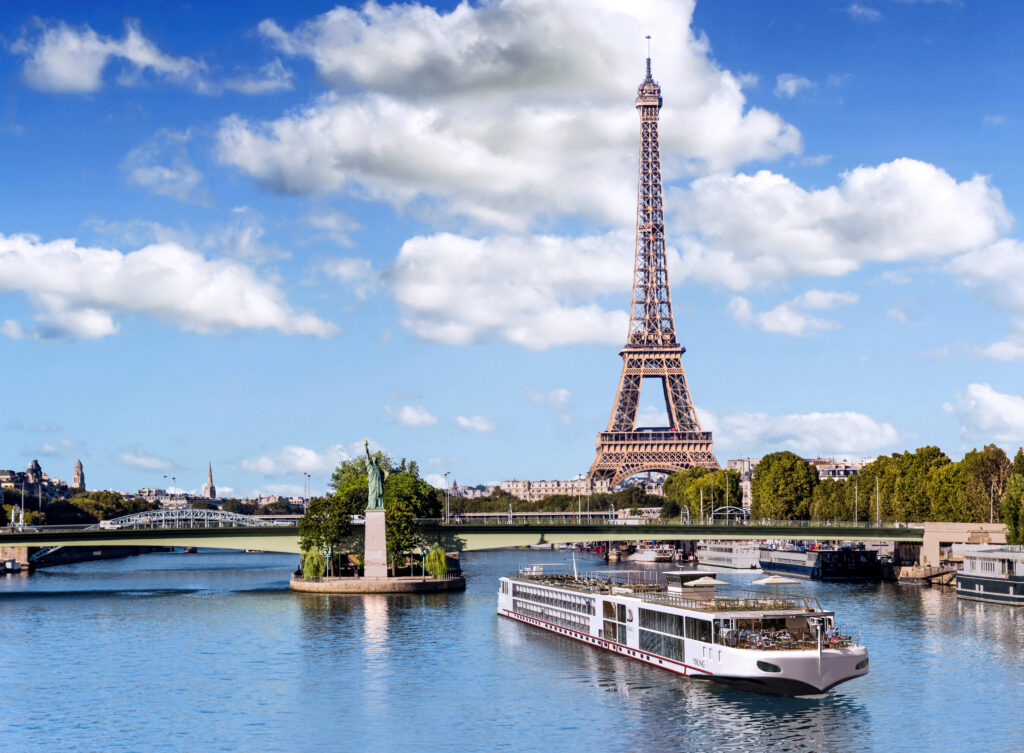
Viking Seine Class Longship on the Seine River near the Eiffel Tower, Paris, France.

On a 443-foot Viking Longship gliding past the vineyards of the Moselle Valley, the difference between a Category E stateroom and a top-deck Veranda Suite isn’t just about square footage. It’s about whether you wake up to the spires of Budapest at eye level or to a porthole view of a dock wall. It’s about whether the ambient engine hum lulls you to sleep or keeps you counting ceiling tiles at 2 a.m.

This guide is for travelers who are done with vague advice. Whether you’re a solo traveler booking a single cabin on the Douro, a luxury-focused couple debating a suite upgrade on the Mekong, or a first-timer trying to decode the difference between a French balcony and a full balcony on the Danube — this is your definitive resource.


French Balcony vs. Full Balcony on River Cruise Ships: Which Is Actually Better for Scenic Routes Like the Danube and Rhine?

This is the most searched, most debated, and most misunderstood cabin feature in river cruising.

A French balcony (also called a Juliet balcony) is a floor-to-ceiling sliding glass door that opens inward — or not at all — with a safety railing at the threshold. You cannot step outside. There is no outdoor furniture, no deck space, no room to stand with a glass of wine. What you get is fresh air, ambient river sounds, and an unobstructed vertical view of the scenery passing by. French balconies dominate mid-tier categories on Viking River Cruises, Avalon Waterways, and AmaWaterways, typically on Deck 2.

A full balcony — marketed as a “veranda,” “panorama balcony,” or “outside deck” depending on the line — gives you actual outdoor square footage. Two chairs, a small table, and 30 to 60+ square feet of private outside space. These are almost exclusively found on the top deck and command a premium of $200–$600 more per person on a 7-night cruise.

Choose a French balcony if you cruise primarily for the itinerary, you’re on a budget-conscious Danube or Rhine sailing, or you plan to spend scenic hours in the main lounge or on the sun deck anyway.

Choose a full balcony if you’re a morning-coffee-outside traveler, you’re doing a wine-focused Douro Valley or Bordeaux itinerary where vineyard scenery is the entire point, or you’re celebrating a milestone and the private outdoor experience matters.

One honest caveat for Danube and Rhine travelers: many of the most photogenic moments — Melk Abbey, the Lorelei Rock, the Wachau Valley — happen quickly and at unpredictable hours. The free sun deck will often outperform any balcony for these moments.


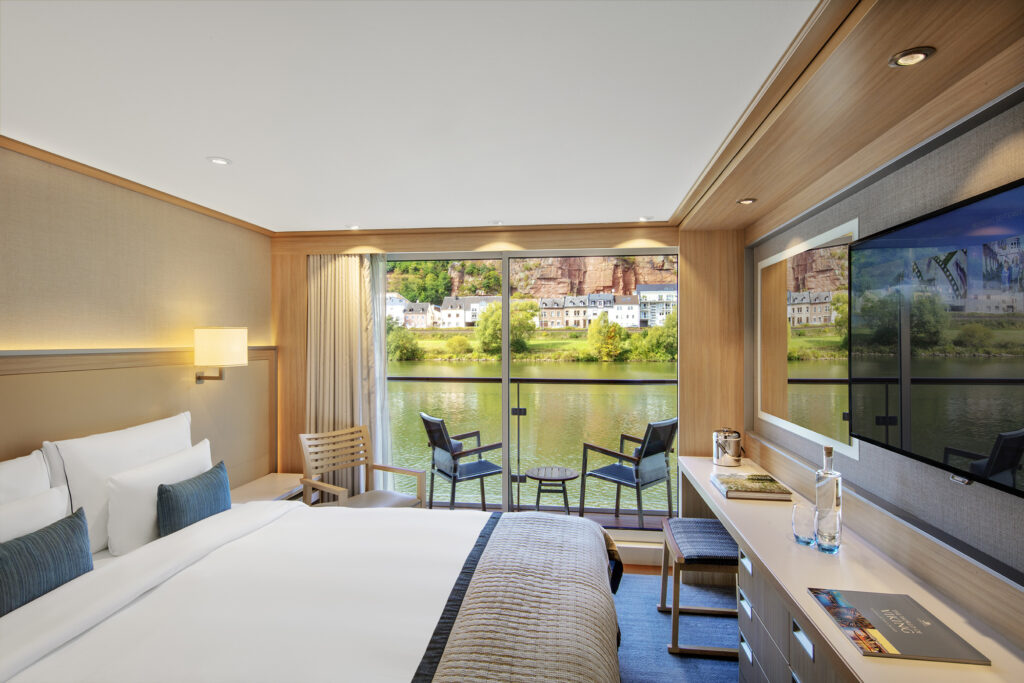
Veranda Stateroom on-board the Viking Longship Hild.

Lower Deck River Cruise Cabins: Are the Trade-Offs Worth the Savings for First-Time Passengers?

Lower deck cabins (Deck 1, or the “main deck”) are consistently the least expensive category on any river cruise ship. The question is whether the savings justify what you give up.

The primary trade-off is the view. Lower deck windows sit closest to the waterline, looking directly out at riverbanks, dock infrastructure, or passing vessel hulls. In some ports, windows must remain covered for privacy — a real issue on the Rhine’s busy commercial stretches.

The second trade-off is noise. Lower decks sit physically closest to the engine room and bow thruster. On older vessels or ships with weaker acoustic insulation, this is genuinely disruptive. Specific ships to research before booking a lower deck cabin: Viking’s pre-2012 “Classic” class vessels, certain Scenic ships on the Mekong, and some Emerald Waterways ships on the Danube.

The third issue is natural light. Lower deck cabins receive dramatically less ambient daylight — worth considering if you’re sensitive to sleep environment or tend to spend time in your cabin between excursions.

When a lower deck cabin makes sense: travelers with mobility considerations benefit from the shorter distance to the gangway. Budget-focused travelers on itinerary-heavy sailings — particularly Rhine Christmas Markets cruises where you’re in port most of the day — may find the savings of $150–$400 per person entirely reasonable.

Pro tip: on AmaWaterways and Avalon ships, a specific port-side or starboard-side request often matters more than deck level for optimal scenery on routes like the Upper Rhine or Douro.


Midship vs. Forward vs. Aft Cabins on River Cruise Ships: Which Location Is Best for Quiet Nights and Better Views?

On ocean ships, midship is the stability recommendation. On river cruise ships — where rolling motion is essentially non-existent — the calculation is completely different. What matters instead is noise and vibration.

Midship cabins sit furthest from both the engine room (aft) and the bow thruster (forward), making them the quietest option on most ships. Viking Longships and AmaWaterways vessels have standardized engineering layouts that make this consistently true. If noise sensitivity is your primary concern, midship is the answer.

Forward cabins appeal to travelers who want the “approaching landscape” view — especially meaningful on narrower rivers like the Douro or Dordogne where the scenery ahead feels cinematic. The trade-off: bow thrusters used for docking generate significant low-frequency vibration during early-morning arrivals, typically between 5 and 7 a.m. Light sleepers should factor this in.

Aft cabins are the most acoustically challenging on nearly every ship. Engine rooms sit at the stern, generating a consistent low-level hum that ranges from barely perceptible to genuinely disruptive depending on ship age. The one exception: certain aft upper-deck suites on the AmaMagna and select Tauck vessels are positioned for panoramic stern-facing views with outdoor terrace space — a genuinely premium configuration worth seeking out.


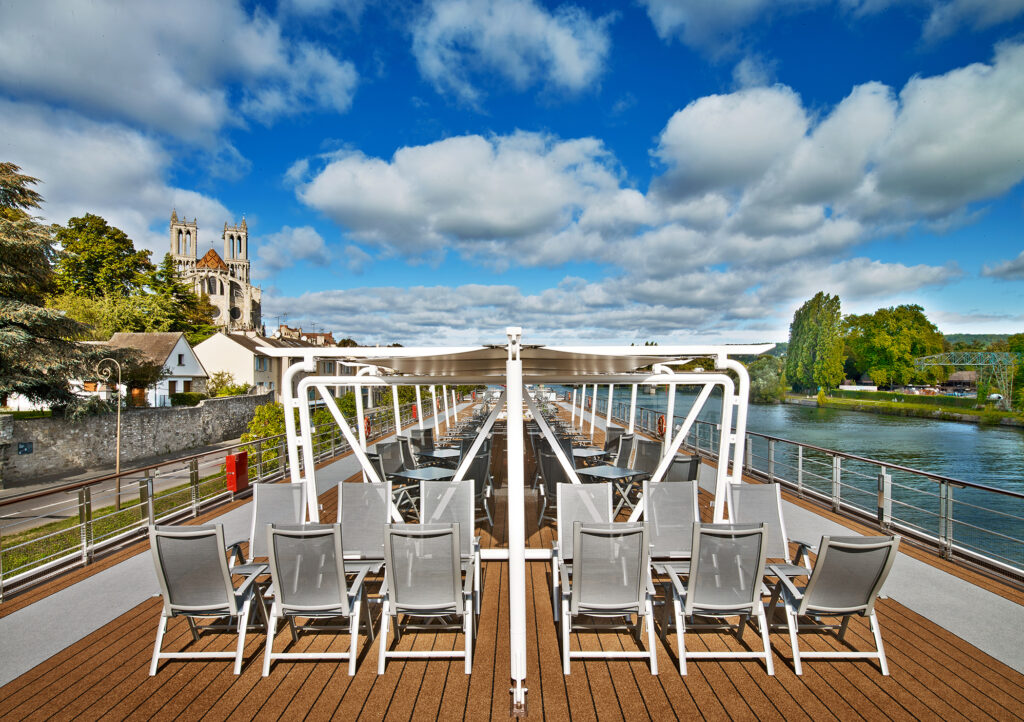
The Walking Track and shaded lounge chairs on-board the Viking Longship Kadlin. The Collegiate Church of Our Lady of Mantes can be seen in Mantes-la-Jolie, France.

Best Single Cabins on River Cruise Ships: Top-Rated Options for Solo Travelers Who Don’t Want to Pay a Double Supplement

Solo travelers face a specific and frustrating challenge: most lines charge a single supplement of 50–100% of the per-person double occupancy rate. A small number of lines are changing this.

Viking River Cruises offers solo staterooms on select ships at no single supplement on specific sailings — particularly valuable on popular Danube and Rhine departures. AmaWaterways has introduced dedicated single staterooms on several new-build vessels. Tauck offers a solo traveler program with waived supplements on select departure dates, though availability is limited and books far in advance. Uniworld offers reduced supplements on certain sailings.

The best single cabins on river cruise ships share a few non-negotiable features: same finish quality as double occupancy staterooms, midship positioning for noise management, and the full amenity package — not a stripped-down “budget option” with one towel and half a pillow.

Watch out for “solo” cabins that are simply double cabins sold at full price with the second bed removed. These exist on older ship classes and represent poor value. Always verify actual cabin dimensions before booking.


Is a Luxury River Cruise Suite Upgrade Actually Worth It? A Realistic Comparison by Itinerary and Travel Style

Top suite categories on Scenic, Tauck, and Crystal River Cruises typically include dedicated butler service, complimentary premium spirits, priority shore excursion boarding, upgraded bath products, and significantly larger outdoor terrace space. On AmaWaterways’ AmaMagna, the Grand Suite includes a private outdoor hot tub — genuinely unique in the category. Scenic’s “Space-Ships” suites include a personal butler-assigned shore excursion vehicle and a Sun Lounge with a retractable roof.

Suite upgrades earn their premium most clearly in two scenarios: scenic-intensive itineraries (Bordeaux wine country, Portugal’s Douro Valley, the Mekong) where private outdoor space amplifies the destination, and longer sailings of 10+ nights where cabin quality has compounding daily impact.

Suite upgrades are least value-generating on heavily port-focused itineraries like Rhine Christmas Markets sailings (7 nights, 6 port days) where you’re rarely in your cabin during daylight, and on itineraries with consistently poor weather windows.

Value tip: suite upgrades deliver the best price-per-value ratio when booked 12–18 months out as early-bird promotions, or as last-minute embarkation-day upgrades when lines offer clearance rates of 30–50% off.


Explorer Suite onboard the Viking Longship Hlin with the Upper Middle Rhine Valley in Germany out the window

River Cruise Cabin Noise Explained: Quietest Locations, Worst Offenders, and What No One Tells You Before You Book

The five main noise sources on river cruise ships, ranked by traveler impact: the engine room (aft, lower deck — continuous low-frequency hum, worst between 10 p.m. and 6 a.m.); the bow thruster (forward, all decks — intermittent but loud during early-morning docking); anchor chain deployment (forward, lower deck — brief but jarring, more common on Mekong, Amazon, and Irrawaddy itineraries); gangway foot traffic and luggage loading (varies by ship — worst on turnaround days); and lounge and dining entertainment (amidships, typically ending by 10–11 p.m.).

The quietest cabin configuration, based on consistent traveler feedback across all major lines: upper deck (Deck 3), midship position, port or starboard side — not centered directly above the main lounge. This combination avoids engine noise, minimizes bow thruster impact, and keeps you away from gangway activity.

AmaWaterways, Viking, and Avalon all permit specific cabin requests at booking, subject to availability. It takes one phone call and can meaningfully change your experience.


The Bottom Line: Best River Cruise Cabin Strategy by Traveler Type

Budget-conscious Danube or Rhine traveler: midship Deck 2, French balcony. Save the supplement money for excursions and wine.

Luxury couple on a Douro Valley or Bordeaux wine cruise: upper deck, full balcony or suite. The private evening outdoor experience justifies every dollar.

Solo traveler on a first river cruise: prioritize lines with dedicated single cabins — Viking and AmaWaterways new builds specifically. Avoid double-as-single configurations.

Light sleeper on any itinerary: specify midship, upper deck, and avoid aft placement. This single decision matters more than cabin category, view type, or price tier.

Milestone celebration traveler: suite upgrade on a scenic itinerary of 10+ nights. Butler service and private terrace space deliver genuine, daily experiential value.

The cabin you book won’t make or break the destination — but it will shape every morning, every evening, and every quiet hour in between. Inquire about your river cruise cabin!

Rhine River vs. Danube River: Which European River Cruise Is Right for You?

You’ve been dreaming about a European river cruise. You’ve earned it. But the moment you start researching, you hit the same wall: Rhine or Danube? Both rivers are spectacular. Both are marketed relentlessly. And both attract very different kinds of travelers. For Bay Area and San Jose residents flying from SFO or SJC, the stakes are higher—you’re adding 10+ hours of transatlantic travel, so getting this decision right matters. This guide cuts through the noise with hyper-specific comparisons to help you match your travel personality to the right river.

Photo by Thomas Winkler on Unsplash

Rhine River

Switzerland → Netherlands · 820 Miles

Europe’s most dramatic river cruise. Soaring medieval castles, vertical vineyard terraces, and fairy-tale villages compressed into one of the world’s most scenic stretches of water. The Rhine delivers intensity and visual payoff at every bend. 🏰 Castle Central · Wine Lover’s Dream

Danube River

Germany → Romania · 1,770 Miles

Europe’s most culturally diverse river cruise. Baroque imperial cities, Ottoman heritage, vibrant Christmas markets, and an ever-changing tapestry of Central Eastern European culture spanning 10 countries. 🏛️ Capital Cities · Cultural ImmersionSide-by-Side Comparison

Rhine vs. Danube: The Best European River Cruise Comparison for First-Time & Luxury Travelers

🔵 Rhine River🟢 Danube River
Length CruisedTypically 500–600 miTypically 1,000–1,700 mi
CountriesSwitzerland, Germany, France, NetherlandsGermany, Austria, Slovakia, Hungary, Croatia, Serbia, Romania
Best Departure CitiesBasel, AmsterdamPassau, Budapest, Vienna
Avg. Cruise Duration7–8 days7–15 days
Castle Density★★★★★ (Gorge section: 40+ in 65km)★★★ (Wachau Valley highlight)
Wine RegionsRiesling (Rheingau, Moselle access)Grüner Veltliner, Tokay (Hungary)
Major CitiesBasel, Strasbourg, Cologne, AmsterdamBudapest, Vienna, Bratislava, Passau
Scenery TypeDramatic gorges, steep vineyards, medieval villagesRolling hills, imperial architecture, wide plains
Best Season from SFOMay–June, Sept–OctApril–May, Aug–Oct (Christmas markets in Dec)
Luxury Cruise OptionsScenic, Tauck, Viking, EmeraldScenic, Crystal (relaunch), Tauck, Avalon
Price Range (pp)$3,500–$12,000$3,000–$14,000
Best ForWine lovers, castle fanatics, photography buffsHistory lovers, city explorers, multi-country collectors

Top-Rated Rhine Gorge vs. Danube Wachau Valley: Which Scenery Wins for Luxury Travelers?

Rhine Gorge: Europe’s Most Dramatic River Scenery

The UNESCO-listed Middle Rhine Gorge between Rüdesheim and Koblenz is the Rhine’s undisputed showstopper—arguably the most visually intense 65 kilometers of river scenery in Europe. Jagged cliffs rise vertically, crowned with medieval fortresses. Vineyards cascade at impossible angles. Half-timbered villages cling to riverbanks as if placed by hand. If you’re chasing the “postcards come to life” European experience, nothing on the continent competes with this stretch.

  • Lorelei Rock — Europe’s most famous river cliff
  • 40+ castles visible within a single 65km stretch
  • Steep Riesling terraces (some slopes reach 60° gradient)
  • Villages of Bacharach, Oberwesel, St. Goar
  • Marksburg Castle — the Rhine’s only unmodified medieval fortress

Wachau Valley: Austria’s Best River Scenery & Wine Country

The Wachau Valley between Krems and Melk is the Danube’s most celebrated stretch—and rightfully so. Gentle rolling hills draped in apricot orchards and Grüner Veltliner vineyards surround baroque monasteries that have watched over this bend for eight centuries. The scenery is more pastoral and serene than the Rhine—romantic rather than dramatic. It rewards slow travellers who want to linger over lunch in a vine-covered courtyard.

  • Melk Abbey — one of the world’s finest baroque monasteries
  • Dürnstein ruins — where Richard the Lionheart was imprisoned
  • World-class Grüner Veltliner and Riesling wine estates
  • UNESCO World Heritage designation (entire valley)
  • Medieval Krems — Austria’s oldest inhabited town

Best Castle-Dense European River Cruise: Rhine vs. Danube for History Buffs From San Jose

Rhine River Castles: The Undisputed Champion

If medieval castles are your primary motivation, the Rhine is not even a debate. The Middle Rhine Gorge contains more intact castles per kilometer than any navigable river in the world. These aren’t reconstructed tourist facades—many are original medieval fortifications with moats, drawbridges, and dungeon towers still standing after 700+ years.

  • Rheinfels Castle (St. Goar) — Rhine’s largest medieval ruin
  • Marksburg Castle — only Rhine castle never destroyed
  • Pfalzgrafenstein Castle — toll castle built on a river island
  • Gutenfels, Sterrenberg, Liebenstein — the famous “hostile brothers” castles
  • Stahleck Castle (now a youth hostel) above Bacharach

Danube River Castles: Fewer But Culturally Richer

The Danube offers fewer raw castles than the Rhine, but what it lacks in density it compensates with narrative richness. The castles here aren’t just fortifications—they’re chapters of Central European history, connected to the Habsburgs, Crusaders, and Ottoman invasions. For travelers who want stories with their stones, the Danube delivers.

  • Hohenschwangau & Neuschwanstein — optional day trips from Passau area
  • Dürnstein Castle — where King Richard I of England was held for ransom
  • Devin Castle — Slovakia’s ancient Slavic fortress at Bratislava’s edge
  • Golubac Fortress — Serbia’s dramatic Iron Gates canyon ruin
  • Buda Castle — Budapest’s most iconic hilltop complex

Wine Regions

Best Wine-Focused European River Cruise for Bay Area Wine Lovers: Rhine Riesling vs. Danube Wine Trails

Rhine River Wine Regions: Germany’s Finest Riesling Country

The Rhine flows through the heart of German wine country, and for California wine lovers accustomed to Napa and Sonoma, the contrast is illuminating. Germany’s Rieslings—bone dry to lusciously sweet—are among the world’s most food-friendly wines, and you’ll taste them poured from estate bottles at waterfront Weinstuben that date back centuries.

  • Rheingau — home to some of Germany’s most prestigious Riesling estates
  • Rheinhessen — Germany’s largest wine region
  • Mosel (side trip) — the world’s steepest commercial vineyards
  • Alsace wine route — across from Strasbourg, all Pinot and Riesling
  • Vineyard hiking between cruise stops

Danube River Wine Regions: Austria, Hungary & Beyond

The Danube wine experience is broader and more eclectic. You’re tasting across multiple winemaking cultures in a single cruise—from Austria’s precise, mineral-driven Grüner Veltliner to Hungary’s historic Tokay dessert wines to Serbia’s emerging natural wine scene. For adventurous Bay Area wine drinkers already fluent in international varietals, this diversity is thrilling.

  • Wachau Valley — Austria’s top Riesling & Grüner Veltliner district
  • Kremstal & Kamptal — neighboring Austrian wine appellations
  • Tokaj wine region (Hungary) — UNESCO-listed, produces world-famous Aszú
  • Eger (Hungary) — home of “Bull’s Blood” red blends
  • Emerging Serbian and Romanian wine country for cruise extensions

Key Cities Visited

Best Cities on Rhine vs. Danube River Cruises: What Bay Area Travelers Should Know Before Booking

🔵 Top Rhine River Cities

  • Basel, SwitzerlandStarting point for most Rhine cruises. World-class art museums (Art Basel), gorgeous old town, gateway to the Black Forest.
  • Strasbourg, FranceHalf-French, half-German. Grande Île UNESCO old town, Europe’s most beautiful Christmas market, home of the European Parliament.
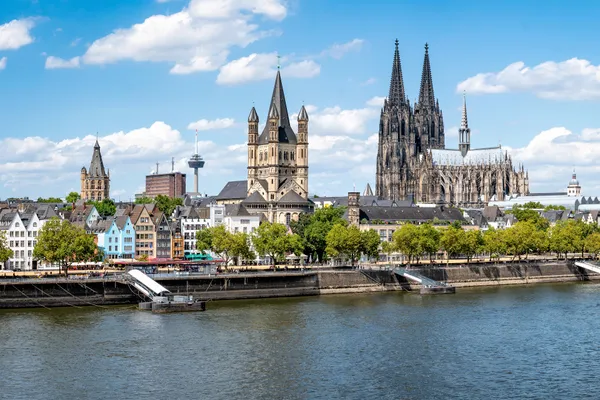
  • Cologne, GermanyHome of Germany’s most-visited cathedral. Vibrant Altstadt, world-famous Kölsch beer culture, excellent Roman history museum.
  • Amsterdam, NetherlandsThe Rhine’s grand finale. Canal-laced city, world-class museums (Rijksmuseum, Van Gogh, Anne Frank House), easy SFO connections.

🟢 Top Danube River Cities

  • Vienna, AustriaThe Danube’s crown jewel. Imperial palaces, Klimt and Schiele in the Belvedere, world-class opera, legendary café culture. One of the most livable cities on Earth.
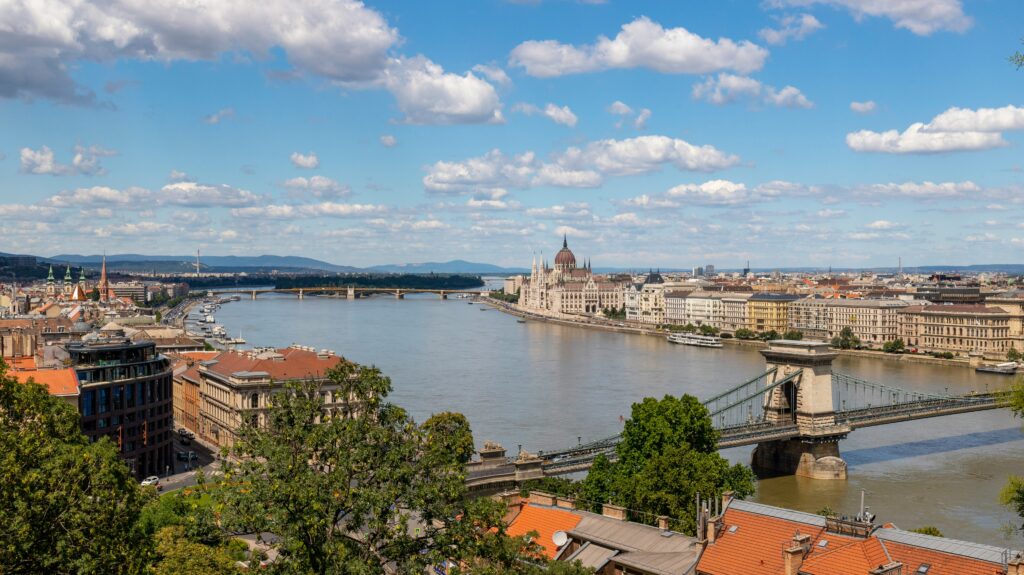
  • Budapest, HungaryEurope’s most underrated capital. Chain Bridge, thermal baths, ruin bars, stunning Parliament building. Bay Area tech travelers love its startup energy and affordability.
  • Bratislava, SlovakiaOften underestimated, Bratislava’s compact old town and hilltop castle reward slow exploration. Its relative affordability makes it a hidden gem stop.
  • Regensburg, GermanyOne of Germany’s best-preserved medieval cities and a UNESCO World Heritage Site. The Danube begins its most scenic stretch here.

Best Cultural River Cruise in Europe: Rhine vs. Danube for Intellectually Curious Bay Area Travelers

Rhine Cultural Highlights

The Rhine tells the story of medieval Europe—its power, its wars, its ecclesiastical grandeur, and its miraculous preservation. Every town along its banks is a living museum.

  • Cologne Cathedral — 632 years to build, a Gothic engineering marvel
  • Gutenberg Museum (Mainz) — where moveable type changed civilization
  • Strasbourg’s European Quarter — symbolic heart of post-war reconciliation
  • Basel’s Art Week — if timing aligns, one of the world’s top art fairs
  • Roman ruins at Xanten (often included as optional excursion)
  • Alsatian villages like Eguisheim & Riquewihr — picture-perfect timbered towns

Danube Cultural Highlights

The Danube has been the crossroads of empires—Roman, Ottoman, Habsburg, Soviet. Each city carries layers of history from competing civilizations, making it endlessly fascinating for curious travelers.

  • Vienna’s Kunsthistorisches Museum — one of the world’s greatest art collections
  • Schönbrunn Palace (Vienna) — 1,441 rooms of Habsburg imperial excess
  • Budapest’s Hungarian State Opera — a gilded confection rivaling Vienna’s
  • Roman Carnuntum archaeological site (between Vienna & Bratislava)
  • Serbian Orthodox monasteries and Iron Gates canyon
  • Bucharest’s surreal communist-era Palace of the Parliament (Danube extensions)

The Bay Area Traveler’s Honest Truth

Most San Jose and Silicon Valley travelers we speak with initially ask for the Rhine—the castles are iconic and the imagery is unforgettable. But a significant number return to book the Danube for their second river cruise, drawn by the greater cultural depth and the magnetism of Vienna and Budapest. Both rivers are best-in-class. The question is simply: do you prioritize scenery or story?

Rhine vs. Danube River Cruise: Best Choice by Traveler Type, Style & Budget for San Jose Residents

The Castle-Obsessed History Buff

You’ve watched documentaries on medieval fortresses and already have Marksburg on your bucket list. The Middle Rhine Gorge will deliver more castle-per-hour than anywhere else on Earth. Danube Wins

The Capital Cities Collector

You want to tick off Vienna, Budapest, and Bratislava in one trip while exploring their distinct personalities. The Danube links three of Europe’s most rewarding cities within a week. Rhine Wins

The Wine-Focused Bay Area Traveler

You’re a Napa regular who wants to understand German Riesling in context. The Rhine flows through Germany’s finest wine regions—and side trips to Alsace and the Mosel are possible. Danube Wins

The Luxury Couple on First Big Europe Trip

Vienna and Budapest offer unparalleled luxury hotels, Michelin-starred restaurants, and classical music performances that extend your cruise experience into extraordinary pre/post stays. Rhine Wins

The Instagram & Photography Enthusiast

The Rhine Gorge’s combination of golden light, castle silhouettes, and vertical vineyard reflections is among the most photogenic river scenes in the world. Every hour on deck rewards. Danube Wins

The Retiring Couple Seeking Value

The Danube delivers significantly more destination variety per cruise dollar. Longer itineraries spanning multiple countries feel like much greater value, and Eastern European stops are dramatically cheaper on shore excursions. Either Works

The Christmas Market Seeker

Both rivers host top-rated Christmas markets. The Rhine’s Cologne and Strasbourg markets are legendary. The Danube’s Vienna and Budapest markets are equally spectacular with different atmospheres. Danube Wins

The Culturally Adventurous Solo Traveler

Solo travelers who want to go deeper than postcard scenery find the Danube’s cultural diversity—Habsburg, Ottoman, Soviet—endlessly layered and intellectually stimulating. Rhine Wins

The Active & Outdoorsy Bay Area Traveler

E-bike and hiking excursions are Rhine specialties. Cycling the Rhine Cycle Route between cruise stops, or hiking vineyard trails above Rüdesheim, appeals to the outdoorsy Silicon Valley mindset.Booking From the Bay Area

Best Way to Book a Rhine or Danube River Cruise From San Jose (SJC) or San Francisco (SFO): Practical Guide

Getting There From SFO/SJC

Most Bay Area travelers fly into Frankfurt (FRA) for Rhine cruises starting in Basel or Cologne — Lufthansa and United run direct routes. For the Danube, Munich (MUC) connects to Passau, while Vienna (VIE) offers spectacular pre-cruise options. Austrian Airlines and Lufthansa are the primary carriers, often bookable via Star Alliance miles. Budget 1–2 extra days in your gateway city before boarding.

Pro Tip: Book flights and cruise separately. Most cruise lines’ air packages depart from Los Angeles (LAX), which adds unnecessary complexity for Bay Area residents. Booking your own SFO or SJC flights gives you better routing and fare flexibility.

Top-Rated Luxury Cruise Lines for Both Rivers

  • 🛳️ Scenic Luxury Cruises — Ultra-inclusive, butler service, both rivers
  • 🛳️ Tauck River Cruising — Best for first-time river cruisers, excellent guides
  • 🛳️ Viking River Cruises — Most popular overall, excellent educational programming
  • 🛳️ Avalon Waterways — Open-air design, best value for luxury features
  • 🛳️ AmaWaterways — Culinary-focused, excellent wine pairing programs

Rhine vs. Danube River Cruise FAQ: Top Questions From Bay Area Travelers Planning Their First European River Vacation

Is the Rhine or Danube better for first-time river cruisers from the Bay Area?

For first-timers, the Rhine is often recommended because its shorter distance and concentrated highlights offer a more manageable introduction. However, first-timers who prioritize great cities over scenery should lean Danube—Vienna and Budapest are among Europe’s most iconic destinations and provide an incredible first-time Europe experience on their own.

Which river has more castles—Rhine or Danube?

The Rhine is the clear winner for castles per kilometer, with over 40 medieval fortifications visible along a single 65km stretch of the Middle Rhine Gorge. If castle density is your primary criterion, the Rhine is categorically the better choice. The Danube has fewer but historically significant castles like Dürnstein and Buda Castle.

What’s the best time of year to do a Rhine or Danube cruise from San Jose?

May–June and September–October offer the best combination of pleasant weather, lower crowds, and peak scenery. The Danube also has a spectacular December run for Christmas markets (Vienna and Budapest both host world-class markets). Avoid peak July-August on both rivers—crowds are at their worst and prices peak.

Is the Rhine or Danube more expensive?

They’re comparable at base levels, but Danube cruises that extend into Eastern Europe (Serbia, Romania) can offer greater value because shore costs in those countries are dramatically lower than Western Europe. Luxury-for-luxury, budget around $5,000–$12,000 per person for a premium 8–10 day cruise on either river from a Bay Area starting budget.

Can I combine Rhine and Danube in one trip?

Yes — and this is increasingly popular with Bay Area travelers who have the vacation time. The most common combination is a Rhine cruise ending in Amsterdam, a train to Frankfurt, then flying to Vienna or Passau for a Danube cruise. Allow 3 weeks total. Some cruise lines offer back-to-back packages with a discount.

Which cruise line is best for solo Bay Area travelers on the Rhine or Danube?

Viking and Tauck are consistently rated highest for solo traveler experiences on both rivers. Viking eliminated solo supplements on select sailings, making it particularly attractive. AmaWaterways and Avalon also offer solo-friendly staterooms at competitive rates with active social programming.Our Verdict

The Bottom Line for Bay Area Travelers

Choose the Rhine if you want Europe’s most visually dramatic river experience: castles rising from river mist, vertical vineyards, and half-timbered villages that feel lifted from a Brothers Grimm story. It’s the better choice for photography, wine enthusiasts drawn to German Riesling, and active travelers who want to hike or bike between cruise stops.

Choose the Danube if you want depth over density: the cultural complexity of Vienna and Budapest, the layered history of Habsburg and Ottoman empires, and a longer cruise that spans multiple countries and feels like a true grand European journey. It offers more cities, more history, and often more value for the Bay Area traveler’s dollar.

Either river will be among the best trips of your life.
The question is simply which version of Europe calls to you. Let’s start planning your voyage today!

Family-Friendly Germany: Activities That Will Delight All Ages

Planning a family vacation to Germany? This incredible country offers an extraordinary blend of fairy-tale castles, interactive museums, thrilling theme parks, and cultural experiences that will captivate every member of your family. From toddlers to grandparents, Germany provides unforgettable adventures that create lasting memories for all ages.

Why Germany is Perfect for Family Travel

Germany stands out as one of Europe’s most family-friendly destinations. The country’s efficient public transportation system, numerous parks and playgrounds, family-oriented accommodations, and welcoming attitude toward children make it an ideal choice for multi-generational trips. German cities are walkable, safe, and filled with activities designed specifically with families in mind.

Magical Castles and Fairy-Tale Experiences

Neuschwanstein Castle: A Real-Life Fairy Tale

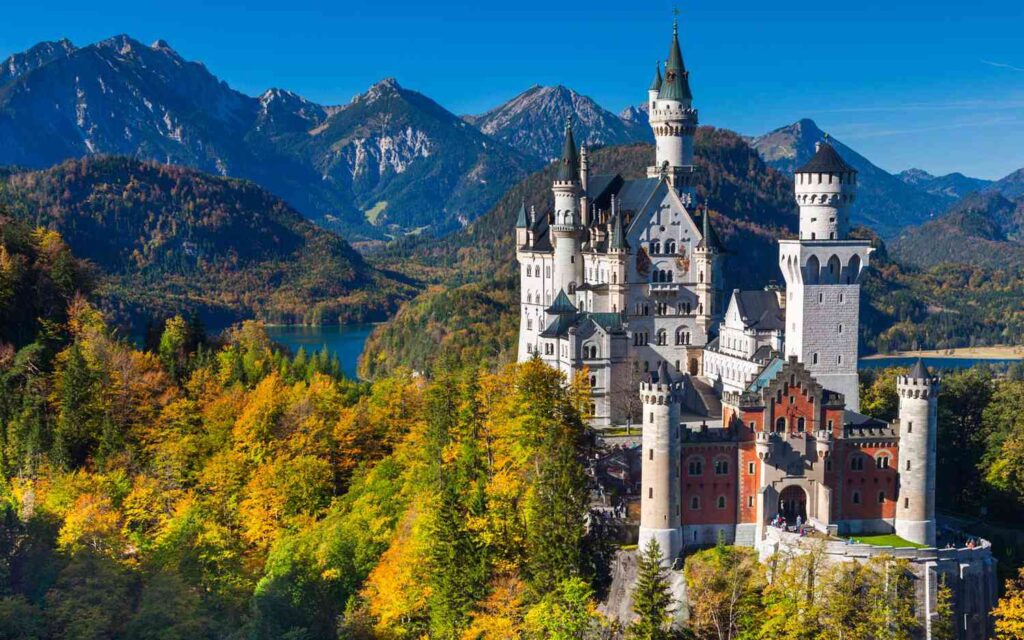
No family trip to Germany is complete without visiting the iconic Neuschwanstein Castle in Bavaria. This stunning 19th-century palace inspired Disney’s Sleeping Beauty Castle and continues to enchant visitors of all ages. The castle tour brings history to life with tales of King Ludwig II, while the surrounding Alpine scenery provides breathtaking photo opportunities.

Family Tips:

  • Book tickets online in advance to avoid disappointment
  • Take the horse-drawn carriage ride up the hill for added magic
  • Visit nearby Hohenschwangau Castle for a complete royal experience

Heidelberg Castle: History Comes Alive

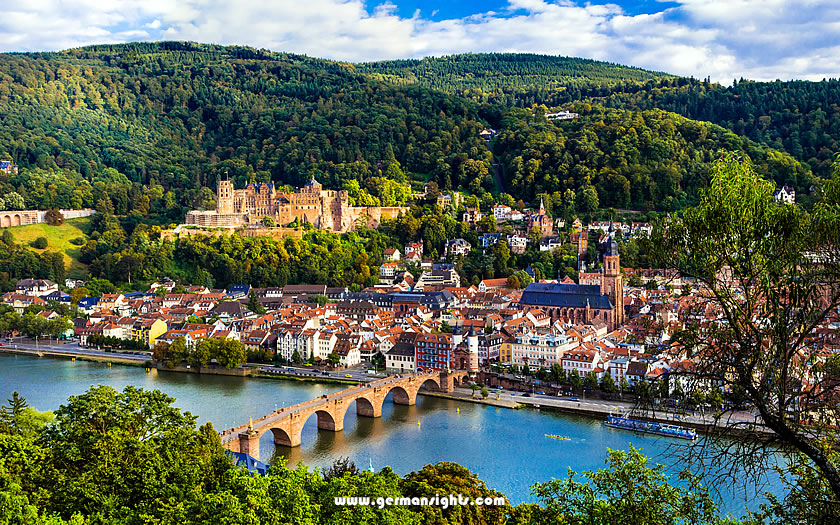
Perched above the romantic city of Heidelberg, this partially ruined castle offers spectacular views of the Neckar River valley. Children love exploring the castle grounds, while adults appreciate the historical significance and architectural beauty. The castle’s Great Barrel, one of the world’s largest wine barrels, fascinates visitors of all ages.

Photo: Travel and Leisure

World-Class Theme Parks and Adventure Centers

Europa-Park: Europe’s Second-Largest Theme Park

Located in Rust, Europa-Park offers over 100 attractions across themed areas representing different European countries. From gentle rides for toddlers to thrilling roller coasters for teenagers, this park ensures everyone finds their perfect adventure. The park’s attention to detail and seasonal events make every visit unique.

Must-Experience Attractions:

  • Silver Star roller coaster for thrill-seekers
  • Arthur’s Kingdom for younger children
  • Seasonal festivals and parades throughout the year

Phantasialand: Immersive Themed Worlds

This award-winning theme park near Cologne features elaborately themed areas including Ancient China, Mexico, and Berlin. The park’s innovative rides and spectacular shows create immersive experiences that transport families to different worlds and time periods.

Interactive Museums and Educational Fun

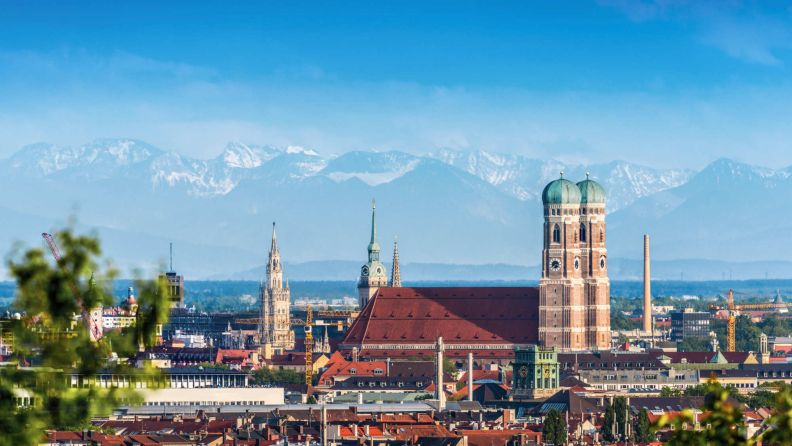
Deutsches Museum in Munich

The world’s largest science and technology museum offers hands-on exhibits that make learning irresistible. Children can conduct experiments, explore interactive displays, and discover how things work through engaging demonstrations. The museum’s airplane collection and submarine exhibit are particular favorites among young visitors.

Miniatur Wunderland in Hamburg

This incredible model railway exhibition is the world’s largest of its kind, featuring detailed miniature landscapes from around the globe. Families can spend hours discovering tiny details, from miniature airports with actual takeoffs and landings to detailed cityscapes with day-night cycles.

Outdoor Adventures and Natural Wonders

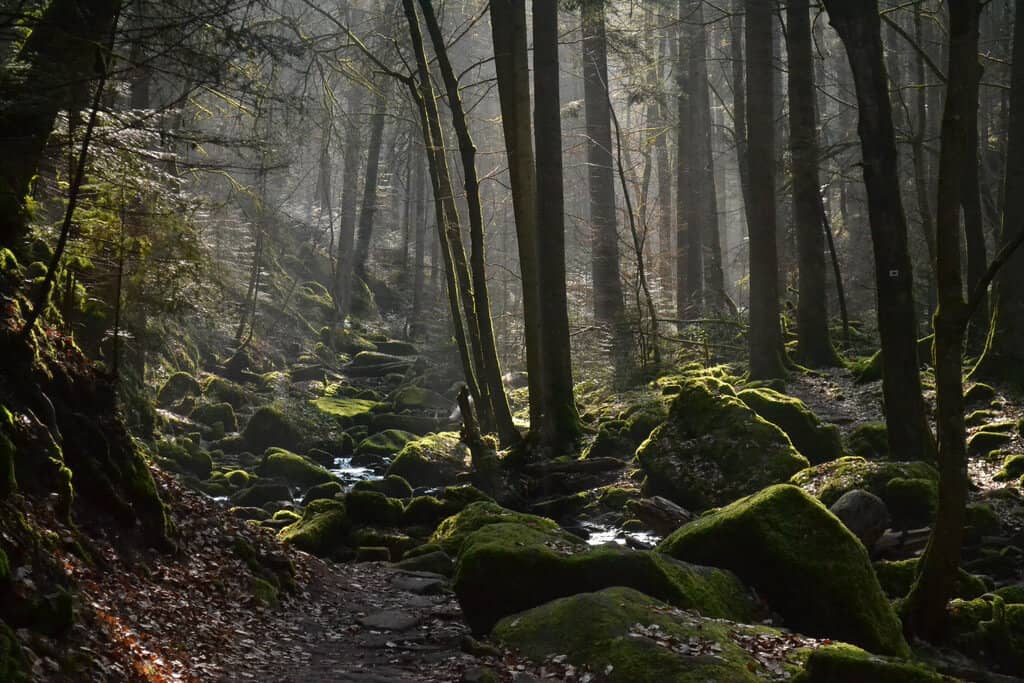
Black Forest Region: Nature’s Playground

The Black Forest offers endless opportunities for family outdoor adventures. Hiking trails suitable for all fitness levels wind through dense forests, past crystal-clear lakes, and up to panoramic viewpoints. The region’s traditional villages provide cultural experiences, while cuckoo clock workshops offer unique souvenir opportunities.

Family-Friendly Activities:

  • Easy hiking trails around Titisee Lake
  • Toboggan runs at Hasenhorn
  • Traditional Black Forest cake tasting

Berchtesgaden National Park: Alpine Adventures

This stunning Alpine region offers family-friendly hiking trails, boat trips on pristine lakes, and opportunities to spot local wildlife. The Eagle’s Nest provides historical context alongside breathtaking mountain views, while the salt mines offer an underground adventure that children find thrilling.

Photo: Bavarian Clockworks

Cultural Experiences Kids Will Love

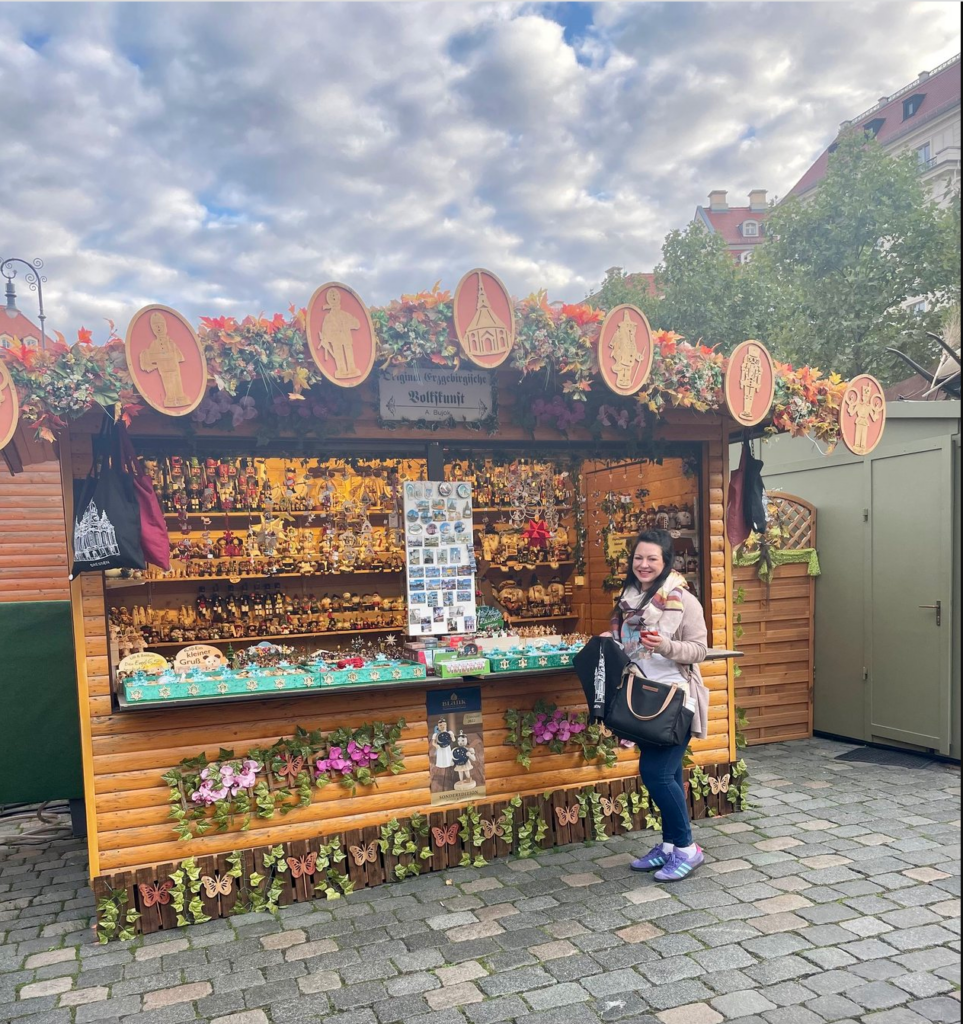
Christmas Markets: Holiday Magic

Germany’s famous Christmas markets transform cities into winter wonderlands from late November through December. These markets offer magical experiences for families, with traditional crafts, delicious treats, and festive entertainment. The Nuremberg Christkindlmärkte and Dresden’s Striezelmarkt are particularly enchanting for children.

Medieval Towns and Living History

Towns like Rothenburg ob der Tauber and Quedlinburg transport families back in time with their well-preserved medieval architecture and interactive historical experiences. Night watchman tours, medieval festivals, and hands-on workshops allow children to experience history firsthand.

Unique German Experiences

Rhine River Cruises: Castles from the Water

Family-friendly river cruises along the Rhine reveal Germany’s castle-studded landscape from a unique perspective. These relaxing journeys allow families to see multiple castles while enjoying onboard amenities and learning about regional history through engaging commentary.

Traditional Festivals and Celebrations

Germany’s regional festivals provide authentic cultural experiences that fascinate visitors of all ages. From Munich’s Oktoberfest (family-friendly during daytime hours) to local harvest festivals, these celebrations offer traditional music, dance, food, and crafts that create unforgettable memories.

That’s me in Munich picking out a souvenir for my mom!

Practical Tips for Families Visiting Germany

Transportation Made Easy

Germany’s excellent public transportation system makes family travel convenient and affordable. The German Rail Pass offers unlimited travel on trains, while many cities provide family day passes for local transportation. Most public transport accommodates strollers and offers family-friendly facilities.

Accommodation Options

German hotels and guesthouses are exceptionally family-friendly, often providing connecting rooms, cribs, and children’s amenities. Many accommodations offer special family packages and can arrange activities and excursions tailored to different age groups.

Dining with Children

German restaurants welcome families and typically offer children’s menus featuring both local specialties and international favorites. Many establishments provide high chairs, changing facilities, and even play areas to keep young diners entertained.

Seasonal Considerations for Family Travel

Photo: deutschaland.de

Spring and Summer: Outdoor Adventures

Warmer months are ideal for outdoor activities, theme park visits, and exploring Germany’s numerous lakes and forests. Long daylight hours allow for extended sightseeing, while outdoor festivals and events provide additional entertainment options.

Fall and Winter: Cultural Immersion

Cooler months offer perfect opportunities for museum visits, castle tours, and experiencing Germany’s famous Christmas markets. Indoor attractions become more appealing, and seasonal celebrations add special magic to family travels.

Planning Your Family Adventure

Age-Appropriate Itineraries

When planning your German family vacation, consider each family member’s interests and energy levels. Younger children might prefer shorter travel distances with frequent breaks, while teenagers might enjoy more adventurous activities and cultural experiences.

Budget-Friendly Options

Germany offers numerous free or low-cost family activities, including public parks, hiking trails, and many museums with family discounts. City tourist cards often provide significant savings on attractions and transportation.

Creating Lasting Memories

Germany’s unique combination of history, culture, natural beauty, and modern attractions creates the perfect environment for family bonding and discovery. Whether your family prefers active adventures, cultural exploration, or simply relaxing in beautiful surroundings, Germany provides experiences that will delight every generation.

The country’s commitment to family-friendly tourism, combined with its rich cultural heritage and stunning landscapes, ensures that your German family vacation will be filled with joy, wonder, and unforgettable moments that will be treasured for years to come.

Start planning your family’s German adventure today and discover why this remarkable country continues to enchant families from around the world with its perfect blend of education, entertainment, and authentic cultural experiences.

Photo: deutschaland.de

Ready to Book Your German Family Vacation?

Don’t let the complexity of planning a multi-generational trip to Germany overwhelm you. With so many incredible destinations, activities, and logistics to consider, having an experienced travel professional on your side makes all the difference.

Book your German family vacation today and let us handle all the details while you focus on creating memories that will last a lifetime. From securing skip-the-line tickets to Neuschwanstein Castle to finding the perfect family-friendly accommodations, we’ll ensure your German adventure exceeds every expectation.

Contact me at:

https://www.vincentvacations.com/agents/gretchenode/travelform

to start planning your personalized German family vacation. Our expertise in family travel and deep knowledge of Germany’s best attractions, hidden gems, and practical travel tips will transform your dream vacation into reality.

Your unforgettable German family adventure is just one click away!

Rhine River Cruises: What to Expect and How to Choose

When clients ask me about European river cruising, the Rhine is almost always where I recommend they start. After years of planning Rhine cruises and experiencing this legendary river myself, I can tell you that cruising the Rhine isn’t just a vacation—it’s a journey through the heart of European civilization.

But here’s what most people don’t realize: not all Rhine cruises are created equal. The river flows through six countries, offers dozens of different itineraries, and each cruise line provides a completely different experience. The Rhine cruise that’s perfect for your wine-loving friends might be completely wrong for your history-obsessed parents or your multi-generational family reunion.

Let me share what I’ve learned about Rhine River cruising—the real insider knowledge that will help you choose the perfect cruise and know exactly what to expect when you step aboard.

Why the Rhine River is River Cruising’s Crown Jewel

The Rhine River is like Europe’s greatest hits album in liquid form. Over 8 days, you’ll see fairy-tale castles, medieval towns, vineyard-covered hillsides, and some of the continent’s most important cities. But what makes the Rhine special isn’t just the scenery—it’s the incredible variety of experiences packed into a single journey.

The romance factor: The Middle Rhine Valley, a UNESCO World Heritage site, is where the river cruising dream was born. Picture this: you’re sipping wine on your cabin balcony as your ship glides past medieval castles perched on rocky cliffs, with vineyard terraces cascading down to the water. It’s the kind of scenery that makes you understand why river cruising has become so popular.

Cultural immersion: Unlike ocean cruising, where you’re at sea for days, river cruising means you’re constantly seeing life along the riverbanks. You’ll watch Germans tend their gardens, see commuter trains following the river, and witness the daily rhythm of European life. It’s like having a front-row seat to European culture.

Historical significance: The Rhine has been Europe’s most important trade route for over 2,000 years. Romans, medieval merchants, and modern industrialists have all depended on this river. When you’re cruising the Rhine, you’re literally following in the wake of European history.

What to Expect: Your Day-by-Day Rhine Experience

Most Rhine cruises follow a similar route, but the experience can vary dramatically depending on your ship and cruise line. Here’s what a typical Rhine cruise looks like:

Days 1-2: Amsterdam and the Dutch Countryside

Most Rhine cruises begin in Amsterdam, giving you time to explore this incredible city before or after your cruise. The Dutch portion of your journey is surprisingly beautiful—flat countryside dotted with windmills, charming villages, and the engineering marvel of the country’s flood control systems.

What I tell clients: Don’t skip Amsterdam’s museums and canals, but also don’t exhaust yourself before your cruise begins. Save energy for the week ahead.

Days 3-4: Cologne and the German Rhineland

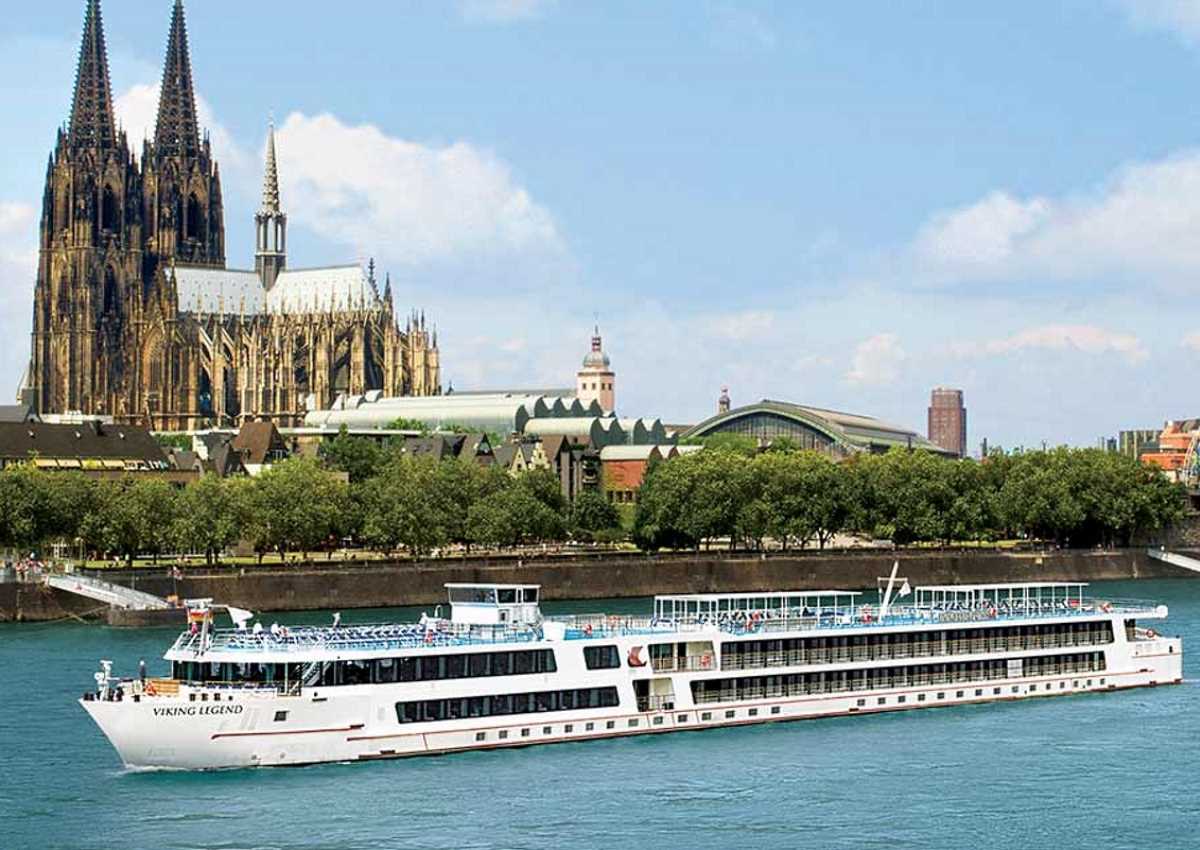
Cologne is where the Rhine cruise really begins to feel magical. The cathedral dominates the skyline, and the city’s 2,000-year history becomes your introduction to German culture. As you cruise south from Cologne, you’ll see the landscape begin to change from industrial to increasingly rural and romantic.

Insider tip: The stretch between Cologne and Koblenz is perfect for being on deck with a glass of wine. The castles and vineyards begin here, and this is where you’ll start to understand why the Rhine is legendary.

Days 5-6: The Middle Rhine Valley – Castle Country

This is the Rhine cruise highlight reel. The Middle Rhine Valley between Koblenz and Mainz is where you’ll see the famous castles, hear the Loreley legend, and experience the most dramatic scenery. Your ship will pass dozens of medieval castles, some restored as hotels, others romantic ruins.

What to expect: This is when river cruising magic happens. You’ll spend hours on deck, camera in hand, as each bend in the river reveals another postcard-perfect scene. The Loreley Rock, where legend says a siren lured sailors to their doom, is a highlight everyone remembers.

Days 7-8: Mainz, Mannheim, and Strasbourg

As you continue south, the Rhine widens and the scenery becomes more pastoral. You’ll enter France, and suddenly the architecture changes, the food becomes more sophisticated, and you’re experiencing the cultural blend that makes Alsace so unique.

Cultural shift: Strasbourg is where you really feel the French influence. The Gothic cathedral, the charming Petite France district, and the blend of German and French culture create a completely different atmosphere from the German portions of your cruise.

Days 9-10: Swiss Alps and Basel

The final stretch takes you into Switzerland, where the Rhine becomes narrower and the Alps appear on the horizon. Basel, where most cruises end, is a sophisticated city with incredible museums and a beautiful old town.

Final impression: The contrast between Amsterdam’s canals and Basel’s Alpine setting shows you just how much of Europe you’ve experienced in a single week.

Viking River Cruises

How to Choose Your Rhine Cruise: The Essential Factors

Not all Rhine cruises are the same, and choosing the wrong one can mean the difference between a good vacation and a life-changing experience. Here’s what you need to consider:

1. Cruise Line Personality and Style

Luxury Lines (Viking, AmaWaterways, Uniworld):

  • Sophisticated clientele, typically 50+
  • Exceptional service and amenities
  • Higher prices but better inclusion
  • More cultural immersion and local experiences

Mid-Range Lines (Avalon, Scenic):

  • Good value with solid amenities
  • Mixed age groups, family-friendly options
  • Balance of comfort and affordability
  • Still excellent food and service

Budget-Conscious Options:

  • Basic amenities but same scenic route
  • Younger demographics possible
  • More structured, less flexible experience

What I tell clients: The Rhine is beautiful regardless of your ship, but your onboard experience and fellow passengers will vary dramatically. Choose based on your budget, preferred atmosphere, and travel style.

2. Cabin Selection Strategy

Balcony Cabins: Essential for Rhine cruising. You’ll spend hours on your balcony watching the castles and vineyards pass by. The premium is worth it for the privacy and convenience.

Main Deck vs. Upper Deck: Upper deck cabins cost more but offer better views and easier access to the sun deck. Main deck cabins are closer to the restaurant and lobby.

Size Considerations: River cruise cabins are smaller than ocean cruise cabins, but you’ll spend most of your time on deck or on excursions. Focus on the balcony and view rather than interior space.

3. Itinerary Variations

8-Day Classic Rhine: Amsterdam to Basel (or reverse) – the most popular option covering all the highlights.

10-Day Extended Rhine: Adds extra time in key cities or includes additional ports like Düsseldorf or Heidelberg.

Rhine and Moselle Combination: Includes the Moselle River for additional wine country and smaller, more intimate ports.

Christmas Markets Cruises: Special December departures focusing on Germany’s famous Christmas markets.

What to consider: Longer isn’t always better. The 8-day classic hits all the major highlights without feeling rushed.

4. Timing Your Rhine Cruise

Peak Season (June-August):

  • Best weather and longest days
  • Highest prices and crowds
  • All attractions and restaurants open
  • Perfect for first-time river cruisers

Shoulder Season (April-May, September-October):

  • Pleasant weather, fewer crowds
  • Lower prices, especially in April
  • Beautiful spring blooms or fall foliage
  • My personal favorite time to cruise

Christmas Markets Season (December):

  • Magical atmosphere but cold weather
  • Special itineraries focused on markets
  • Higher prices due to popularity
  • Limited to specific departure dates

Off-Season (January-March):

  • Significantly lower prices
  • Possible weather delays
  • Some attractions closed
  • Good for budget-conscious travelers

5. Excursion Choices

Included Excursions: Every Rhine cruise includes guided tours in each port. These are typically walking tours of historic centers with local guides.

Optional Premium Excursions:

  • Wine tastings in private cellars
  • Castle visits with exclusive access
  • Culinary experiences with local chefs
  • Active options like hiking or biking

Independent Exploration: Most Rhine ports are easily walkable from the ship, making independent exploration very feasible.

My recommendation: Take the included excursions for context and overview, then add premium experiences for your specific interests.

Amawaterways

What Makes a Rhine Cruise Special: The Intangible Factors

Beyond the logistics and planning, here’s what makes Rhine cruising truly memorable:

The rhythm of river life: Unlike ocean cruising, you’re never far from land. You’ll develop a daily rhythm of waking up in a new place, exploring during the day, and relaxing on deck as you sail to your next destination.

Cultural immersion: Each country along the Rhine has its own personality. You’ll taste the differences in food, wine, and culture as you move from Dutch efficiency to German gemütlichkeit to French sophistication to Swiss precision.

The romance factor: There’s something inherently romantic about river cruising. Whether you’re watching castles drift by from your balcony or sharing a bottle of Riesling on the sun deck, the Rhine creates moments that feel like they’re from a movie.

Social atmosphere: River ships are smaller and more intimate than ocean ships. You’ll get to know your fellow passengers and crew, creating a social atmosphere that many find more appealing than large ship anonymity.

Common Rhine Cruise Mistakes to Avoid

After years of planning Rhine cruises, I’ve seen clients make the same mistakes repeatedly. Here’s how to avoid them:

Mistake 1: Choosing the wrong cabin category Don’t skimp on the balcony. You’ll regret it when you’re trying to photograph castles through a small window while everyone else is relaxing on their private balconies.

Mistake 2: Overpacking the itinerary Rhine cruises are surprisingly relaxing. Don’t feel like you need to book every optional excursion. Some of the best moments happen when you’re simply enjoying the scenery from the ship.

Mistake 3: Ignoring the included amenities Most Rhine cruise lines include Wi-Fi, beverages, and even excursions. Don’t assume you need to pay extra for everything like on ocean cruises.

Mistake 4: Not researching the clientele Different cruise lines attract different demographics. Make sure you choose a line whose typical passengers match your travel style and preferences.

Mistake 5: Booking too close to departure Popular Rhine cruises, especially during peak season, sell out months in advance. The best cabins go first, and last-minute bookings often mean compromise on cabin location or cruise line choice.

The Investment: What Rhine Cruises Actually Cost

Rhine cruise pricing can seem confusing, but here’s the reality:

Budget Range ($2,000-3,500 per person):

  • Basic cruise lines or shoulder season
  • Interior or small balcony cabins
  • Fewer inclusions, more optional charges

Mid-Range ($3,500-5,500 per person):

  • Quality cruise lines with good amenities
  • Balcony cabins with decent locations
  • Most meals and some beverages included

Luxury Range ($5,500-8,000+ per person):

  • Premium cruise lines with exceptional service
  • Best cabin locations and amenities
  • Extensive inclusions and premium excursions

What’s typically included:

  • All meals onboard
  • Some beverages (varies by cruise line)
  • Basic shore excursions
  • Wi-Fi and entertainment
  • Port charges and taxes

What costs extra:

  • Airfare to/from departure cities
  • Premium excursions
  • Alcoholic beverages (some lines)
  • Gratuities
  • Personal expenses
Uniworld

Why Professional Planning Makes the Difference

Rhine cruises might seem straightforward, but the details matter enormously. The difference between a good Rhine cruise and an extraordinary one often comes down to choices you make months before departure.

Cabin selection strategy: Not all balcony cabins are created equal. Location on the ship, deck level, and even which side of the ship can dramatically affect your experience.

Excursion optimization: Knowing which included excursions are worth taking and which premium options provide real value requires local knowledge and experience.

Timing considerations: The best Rhine cruise for you depends on your priorities—weather, crowds, pricing, and seasonal events all factor into the decision.

Pre- and post-cruise planning: Most Rhine cruises begin or end in major cities like Amsterdam or Basel. Proper planning can turn your cruise into a comprehensive European experience.

Ready to Experience the Rhine?

The Rhine River offers something for every type of traveler—history buffs, wine enthusiasts, photography lovers, and anyone who dreams of fairy-tale castles and medieval towns. But the key to a perfect Rhine cruise is choosing the right combination of cruise line, itinerary, timing, and accommodations for your specific interests and travel style.

After years of planning Rhine cruises for clients, I can tell you that this isn’t just about booking a vacation—it’s about creating an experience that will change how you think about European travel. The Rhine has a way of getting into your soul, and many clients tell me their Rhine cruise was the trip that made them fall in love with river cruising.

When you’re ready to explore the heart of Europe from the comfort of your own floating hotel, with fairy-tale castles drifting past your balcony and local wines waiting to be discovered, let’s talk about creating your perfect Rhine River adventure.

🌐 Website:

https://www.vincentvacations.com/agents/gretchenode/travelform

Ready to cruise the legendary Rhine? Contact me today to start planning your journey through Europe’s most romantic river valley!

A First-Timer’s 7-Day Itinerary Through Germany

Most first-time visitors to Europe head straight to Paris or Rome, but those who choose Germany discover something extraordinary: a country that offers everything from fairy-tale castles and vibrant cities to world-class cuisine and deeply moving history—all within a perfectly manageable first-time itinerary.

After designing hundreds of Germany trips for first-time visitors, I’ve learned that the key to an unforgettable German experience isn’t trying to see everything, but rather creating a journey that reveals the country’s incredible diversity while allowing time to truly connect with its culture, history, and people.

This 7-day itinerary has been refined through years of client feedback and represents the perfect introduction to Germany—combining iconic must-sees with authentic local experiences that create lasting memories and leave you planning your return visit before you’ve even left.

Why Germany Should Be Your First European Adventure

Germany offers first-time European travelers something unique: the perfect balance of accessibility and authenticity. The country’s efficient transportation system, widespread English proficiency, and welcoming culture make it incredibly easy to navigate, while its rich history, stunning architecture, and regional diversity provide endless opportunities for discovery.

The practical advantages: Germany’s central location makes it an ideal base for exploring Europe, its infrastructure is world-class, and the country offers exceptional value compared to other Western European destinations. You’ll find that your travel budget stretches further while experiencing comparable luxury and cultural richness.

The cultural depth: From medieval towns that look like movie sets to cutting-edge modern cities, from world-renowned museums to local beer gardens where strangers become friends, Germany offers cultural experiences that satisfy every type of traveler.

Day 1-2: Berlin – Where History Comes Alive

Your German adventure begins in Berlin, a city that tells the story of the 20th century like nowhere else on Earth. This isn’t just a history lesson—it’s an emotional journey through humanity’s greatest challenges and triumphs.

Day 1: East Meets West Start your morning at the Brandenburg Gate, where you’ll understand why this symbol has witnessed some of history’s most pivotal moments. Walk through the gate and imagine the divided city this once represented, then continue to the nearby Reichstag building, where German democracy was born, destroyed, and reborn.

The experience that changes everything: Take the elevator to the Reichstag’s glass dome. As you spiral up the walkway, your guide explains how this transparent structure symbolizes Germany’s commitment to transparent democracy. The 360-degree view of Berlin below shows a city that has literally risen from its ashes, and the emotional impact is profound.

Afternoon discovery: Walk along the remaining sections of the Berlin Wall, but don’t just take photos—touch the concrete and read the stories of families divided overnight. The East Side Gallery transforms this symbol of division into one of the world’s longest open-air art galleries, where artists from around the world have created works celebrating freedom and unity.

Evening authenticity: End your day in a traditional Berlin beer garden, where you’ll discover that German beer culture is about community, conversation, and slowing down. Your server will explain the differences between regional beer styles while you enjoy hearty German cuisine that goes far beyond schnitzel and sausages.

Day 2: Museums and Memories Begin at Museum Island, where five world-class museums house treasures spanning 6,000 years of human history. The Pergamon Museum’s reconstructed ancient buildings allow you to walk through history, while the Neues Museum’s Egyptian collection rivals anything in Cairo.

The insider experience: Skip the tourist crowds with early morning private access to the Pergamon Museum. Standing alone in the reconstructed Ishtar Gate of Babylon, you’ll understand why these collections are considered among the world’s most important archaeological treasures.

Hidden Berlin discovery: Your afternoon takes you to neighborhoods that most tourists never see. In Prenzlauer Berg, former East Berlin’s bohemian quarter, you’ll explore local markets, independent bookshops, and cafes where locals gather. The contrast between tourist Berlin and authentic Berlin becomes clear, and you’ll understand why so many visitors fall in love with this city.

Professional insight: These Berlin experiences require careful timing and local knowledge. The city’s complex history is best understood through expert guides who can provide context and emotional resonance that transforms sightseeing into genuine understanding.

Day 3-4: Munich – Bavaria’s Cultural Heart

A smooth 4-hour train journey (with stunning countryside views) brings you to Munich, where you’ll discover that Bavaria is far more than lederhosen and beer halls—though you’ll certainly enjoy those too.

Day 3: Royal Splendor and Local Traditions Start at the Residenz Palace, where Bavarian royalty lived for centuries. The opulent rooms and treasure-filled galleries rival Versailles, but the intimate scale makes them more accessible and personal. You’ll understand how Bavaria’s unique culture developed and why Bavarians still maintain such strong regional identity.

The cultural immersion: Lunch at the Viktualienmarkt, Munich’s famous food market, where you’ll discover that German cuisine extends far beyond tourist expectations. Sample regional specialties while chatting with vendors who’ve been serving locals for generations. This isn’t just eating—it’s cultural education through food.

Afternoon magic: Visit the iconic Marienplatz just before the Glockenspiel chimes. Position yourself perfectly to watch this medieval mechanical show while understanding its historical significance. The surrounding Gothic architecture creates a fairy-tale atmosphere that epitomizes many visitors’ dreams of Europe.

Evening tradition: Experience an authentic Bavarian beer hall—not a tourist version, but one where locals gather after work. You’ll learn proper beer hall etiquette, understand the social significance of these gatherings, and discover why German beer culture is recognized by UNESCO as an Intangible Cultural Heritage.

Day 4: Fairy-Tale Castle Day Trip No first-time Germany visit is complete without seeing Neuschwanstein Castle, the inspiration for Disney’s Sleeping Beauty Castle. However, the way you experience this iconic sight makes all the difference.

The exclusive approach: Skip the crowded public tours and enjoy early morning private access, when the castle is bathed in golden light and you can photograph the fairy-tale exterior without crowds. Your expert guide reveals the fascinating psychology of King Ludwig II, the “Mad King” who built this romantic fantasy.

The hidden gem: Most visitors rush back to Munich, but you’ll explore the charming village of Hohenschwangau and take a horse-drawn carriage ride through the Alpine foothills. This slower pace allows you to absorb the magical atmosphere and understand why this region inspired centuries of romantic legends.

Professional advantage: Navigating Neuschwanstein requires careful planning. The castle books up months in advance, transportation coordination can be complex, and weather contingencies need consideration. Professional planning ensures you experience this bucket-list sight without the stress.

Day 5-6: Rhine Valley – Germany’s Romantic Heart

A scenic train journey takes you to the Rhine Valley, where medieval castles crown vine-covered hills and charming towns line Europe’s most legendary river. This region embodies the romantic Germany of travel dreams.

Day 5: Rhine River Cruise and Medieval Towns Board a private river cruise that takes you past more than 20 castles, each with its own legend and historical significance. Unlike large tour boats, your intimate vessel allows you to truly appreciate the dramatic landscape and understand why this valley inspired countless fairy tales and operas.

The cultural connection: Stop in Rüdesheim, where you’ll visit a traditional wine tavern and learn about Rhine wine production from a family who has been making wine for eight generations. The tasting becomes a lesson in German history, as wine regions often determined political boundaries and cultural development.

Evening enchantment: Stay overnight in a castle hotel, where you’ll dine in medieval halls and sleep in rooms where nobility once lived. The experience of waking up in a 1,000-year-old castle, looking out over the Rhine Valley, creates memories that last a lifetime.

Day 6: Cologne’s Gothic Grandeur Journey to Cologne, where you’ll encounter one of Europe’s most magnificent Gothic cathedrals. Cologne Cathedral took 632 years to complete, and standing before its towering spires, you’ll understand why medieval people considered such buildings earthly representations of heaven.

The artistic revelation: Cologne’s museums house world-class collections, but the Wallraf-Richartz Museum’s medieval art collection provides context for the cathedral’s significance. You’ll see how Gothic art reflected medieval spirituality and understand the cathedral’s role in European cultural development.

Modern contrast: Explore Cologne’s vibrant modern art scene and trendy neighborhoods, where contemporary German culture thrives alongside ancient traditions. The contrast between medieval cathedral and cutting-edge galleries illustrates Germany’s ability to honor its past while embracing innovation.

Local immersion: End your day in a traditional Kölsch brewery, where you’ll learn about Cologne’s unique beer culture and understand why locals are so passionate about their small glasses of pale beer. The social rituals around Kölsch reveal aspects of German character that you won’t find in guidebooks.

Day 7: Heidelberg – Germany’s Romantic Finale

Your final day explores Heidelberg, Germany’s most romantic city and home to the country’s oldest university. This picturesque town provides the perfect conclusion to your German adventure.

Morning enchantment: Begin at Heidelberg Castle, perched high above the Neckar River. These magnificent ruins tell the story of German Renaissance culture, and the castle’s Great Barrel (the world’s largest wine barrel) reveals the region’s centuries-old wine tradition. The views over the red-roofed Old Town below are simply breathtaking.

Academic atmosphere: Stroll through Germany’s oldest university town, where cobblestone streets wind past centuries-old buildings where famous philosophers, scientists, and writers once studied. The student energy mixed with historical gravitas creates an atmosphere unlike anywhere else in Germany.

Riverside reflection: End your German journey with a leisurely walk along the Neckar River or a final meal at a traditional riverside restaurant. The peaceful setting allows you to reflect on your week of discovery while soaking in the romantic atmosphere that has inspired poets and artists for centuries.

The Logistics That Make It Perfect

This itinerary is designed around Germany’s exceptional transportation system, comfortable accommodation standards, and tourist-friendly infrastructure. However, the details that transform a good trip into an unforgettable experience require professional coordination.

Transportation mastery: Germany’s rail system is world-class, but understanding which trains to take, how to secure reservations, and how to navigate stations requires expertise. Your journey includes first-class rail passes, reserved seating, and coordination that ensures seamless connections.

Accommodation excellence: Each hotel is selected for its location, character, and service standards. From boutique properties in historic buildings to modern hotels with exceptional amenities, your accommodations enhance rather than merely serve your itinerary.

Cultural access: The difference between tourist experiences and authentic cultural encounters often comes down to timing, local connections, and advance planning. This itinerary includes experiences that simply aren’t available through online booking.

Why First-Time Visitors Choose Germany

Accessibility: Germany’s infrastructure, English proficiency, and welcoming culture make it ideal for first-time European travelers who want cultural depth without language barriers or navigation challenges.

Value: Your travel budget achieves more in Germany than in many other Western European countries, allowing for experiences that might be prohibitively expensive elsewhere.

Diversity: From medieval castles to modern cities, from world-class museums to charming villages, Germany offers incredible variety within manageable distances.

Authenticity: German culture remains distinctly German, offering genuine cultural experiences rather than tourist-oriented performances.

The Professional Planning Advantage

Creating the perfect first-time Germany experience requires understanding not just what to see, but how to see it. This involves coordinating transportation schedules, securing advance reservations for popular attractions, understanding cultural context, and building in flexibility for personal interests and energy levels.

Local expertise: My relationships with German guides, hoteliers, and cultural institutions provide access to experiences that enhance every aspect of your journey.

Seamless coordination: Every detail is coordinated in advance, from restaurant reservations to museum tickets, allowing you to focus entirely on experiencing Germany rather than managing logistics.

Cultural preparation: Understanding German customs, tipping practices, and social norms enhances your interactions with locals and creates more authentic experiences.

Your Gateway to Europe

This 7-day Germany itinerary serves as more than just a vacation—it’s your introduction to European travel and a foundation for future adventures. The confidence you gain navigating German cities, the cultural awareness you develop, and the travel skills you acquire will serve you well in future European journeys.

Many clients tell me their Germany trip was the experience that made them passionate about European travel. The combination of accessibility and authenticity, historical depth and modern sophistication, creates a travel experience that satisfies completely while inspiring future adventures.

Ready to discover why Germany should be your first European adventure? Let’s start planning your perfect introduction to this remarkable country.

Your 7-day German journey awaits—filled with fairy-tale castles, vibrant cities, rich history, and warm hospitality that will leave you planning your return visit before you’ve even departed.

🌐 Website:

https://www.vincentvacations.com/agents/gretchenode/travelform

Contact me today to start planning your unforgettable German adventure!

A Day-by-Day Look at the Viking Rhine River Cruise Experience

Rhine River, Viking cruise line TOP

A Day-by-Day Look at the Viking Rhine River Cruise Experience

Embark on a journey of discovery and enchantment with the Viking Rhine River Cruise, a voyage that weaves through some of Europe’s most breathtaking landscapes and historic cities. This 8-day adventure offers a unique blend of cultural immersion, scenic beauty, and relaxation, making it an unforgettable experience for travelers.

From the vibrant city of Amsterdam to the charming town of Basel, the Rhine River unfolds like a tapestry of medieval castles, grand cathedrals, and picturesque villages. Each day brings new opportunities to explore the region’s rich heritage, from the iconic windmills of Kinderdijk to the stunning Middle Rhine, a UNESCO World Heritage Site renowned for its hilltop castles and Lorelei Rock.

Whether you’re strolling through the cobblestone streets of Cologne, sipping wine in Rüdesheim, or marveling at the turreted fortresses along the Rhine, every moment is filled with the warmth and hospitality that defines the Viking River Cruise experience. With a focus on local cuisine, cultural presentations, and optional excursions, this journey is tailored to create lasting memories.

Rhine River, Viking cruise line

Day-by-Day Itinerary Highlights

Embark on a journey through the heart of Europe with Viking’s Rhine River Cruise, where each day unfolds with breathtaking landscapes, rich history, and vibrant culture. Here’s a glimpse into the exciting itinerary:

  1. Day 1: Amsterdam, Netherlands – Exploring the City’s Historic District

    Begin your adventure in Amsterdam, a city renowned for its charming canals, gabled houses, and rich history. Spend the day exploring the city’s historic district, visiting iconic landmarks like the Rijksmuseum and the Anne Frank House. Enjoy the city’s laid-back atmosphere and perhaps take a stroll along the picturesque canals.

  2. Day 2: Kinderdijk Windmills – A UNESCO World Heritage Site

    Travel to Kinderdijk, home to the iconic windmills that have been a symbol of Dutch ingenuity for centuries. This UNESCO World Heritage Site offers a glimpse into the Netherlands’ past, showcasing the country’s innovative approach to water management. Take a moment to appreciate the serene beauty of these historic structures.

  3. Day 3: Cologne, Germany – Cultural and Historical Landmarks

    Arrive in Cologne, a city steeped in history and culture. Visit the magnificent Cologne Cathedral, a masterpiece of Gothic architecture, and explore the city’s vibrant cultural scene. Don’t miss the opportunity to sample some of Cologne’s famous Kölsch beer and enjoy the city’s lively atmosphere.

Scenic Sailing and Cultural Experiences

  1. Middle Rhine Scenic Sailing – Castles and Lorelei RockGlide along the enchanting Middle Rhine, a UNESCO World Heritage Site, where every bend in the river reveals majestic hilltop castles steeped in history. Keep your eyes peeled for the legendary Lorelei Rock, a place of myth and mesmerizing beauty that has inspired countless tales and songs. This scenic sailing offers a perfect blend of natural splendor and timeless stories, making it a truly unforgettable experience.
  2. Rüdesheim, Germany – Wine Tasting and Local TraditionsStep ashore in the charming town of Rüdesheim, nestled in the heart of Germany’s renowned wine-growing region. Here, you can savor exquisite Rieslings and other local vintages while immersing yourself in warm, welcoming traditions. Wander through quaint streets lined with half-timbered houses, enjoy lively folk music, and discover the rich cultural heritage that makes Rüdesheim a beloved stop on the Rhine.
  3. Heidelberg and Speyer – Historical and Architectural InsightsExplore the captivating cities of Heidelberg and Speyer, where history and architecture come alive. Heidelberg enchants with its romantic castle ruins overlooking the Neckar River and a vibrant old town full of cozy cafés and artisan shops. In Speyer, marvel at the grandeur of the Romanesque cathedral, a UNESCO World Heritage Site, and stroll through streets that echo with centuries of stories. These stops offer a deep dive into the cultural and historical richness of the Rhine region.

Rhine River, Viking cruise line

Onboard Life and Excursions

Typical Daily Schedule – Breakfast, Excursions, and Evening Events

Each day on the Viking Rhine River Cruise begins with a delightful breakfast, setting the tone for a day filled with discovery and relaxation. Mornings often start with scenic sailing along the river, where you can admire hilltop castles and picturesque landscapes. After breakfast, guests embark on carefully curated excursions to explore charming towns, historic sites, and cultural landmarks along the Rhine. Afternoons may include more excursions or leisure time onboard to enjoy the ship’s amenities. Evenings come alive with a variety of events, from elegant dinners featuring regional cuisine to live entertainment, creating a warm and inviting atmosphere to unwind and connect with fellow travelers.

Optional Excursions – Enhancing Your Cruise Experience

To make your journey even more memorable, Viking offers a range of optional excursions that allow you to tailor your experience. Whether it’s a guided tour through the enchanting wine-growing regions of Rüdesheim, a visit to the iconic Gothic Dom in Cologne, or a stroll through the charming canals of Amsterdam, these excursions provide deeper insights and unique perspectives. Optional activities are designed to suit different interests and activity levels, ensuring every guest can find something that enriches their adventure along the Rhine.

Dining and Entertainment Options – A Look at Viking’s Amenities

Viking’s onboard dining is a highlight of the cruise, featuring menus inspired by the regions you visit. Enjoy fresh, locally sourced ingredients prepared with care, whether in the main dining room or more casual settings. The ship’s entertainment complements the cultural journey, with performances, lectures, and social gatherings that bring the spirit of the Rhine to life. From wine tastings to live music, every evening offers a chance to relax and celebrate the day’s discoveries in a friendly and welcoming environment.

Tips and Insights for Travelers

  1. Pre-Cruise Planning – What to Expect and Prepare

    Preparing for your Viking Rhine River cruise begins with understanding the rhythm of the journey. Expect a blend of scenic sailing days and exciting port visits, often with limited time to explore each destination. Packing light but smart is key—bring comfortable walking shoes for cobblestone streets and layered clothing for changing weather. Don’t forget your travel documents, any necessary medications, and a camera to capture the stunning landscapes and historic sites along the Rhine.

    Before you board, familiarize yourself with the itinerary and optional excursions. Booking some activities in advance can help you make the most of your time. Also, consider any dietary preferences or special needs and communicate them early to the cruise staff to ensure a smooth experience from day one.

  2. Maximizing Your Time in Port – Strategies for Exploration

    Time in port is precious, so planning ahead is essential. Start your day early to enjoy quieter streets and cooler temperatures. Use the shuttle services offered to quickly reach city centers, and consider joining guided tours to gain deeper insights into local history and culture without the hassle of navigation.

    For independent explorers, map out key sights and prioritize what interests you most, whether it’s a historic cathedral, a charming market, or a scenic hike. Don’t hesitate to ask the crew for insider tips—they often know hidden gems and the best spots for local cuisine. Remember to pace yourself and leave time to relax back on the ship before the next adventure.

  3. Budgeting for Extras – Excursions and Onboard Expenses

    While your cruise fare covers many essentials, extras like shore excursions, specialty dining, and onboard activities can add up. Plan your budget by reviewing the available optional tours ahead of time and deciding which experiences are must-dos for you. Excursions vary from short city walks to full-day adventures like wine tastings or Black Forest hikes, each offering unique memories but different price points.

    Onboard, consider setting aside funds for spa treatments, souvenirs, or drinks beyond the standard offerings. Keeping track of your spending daily helps avoid surprises at the end of the trip. Many travelers find that investing in a few special experiences enhances their journey and creates lasting impressions along the beautiful Rhine River.

Rhine River, Viking cruise line

Conclusion: A Day-by-Day Look at the Viking Rhine River Cruise Experience

As you reflect on your journey along the Rhine River with Viking Cruises, you’ll cherish the memories of breathtaking landscapes, historic landmarks, and the warmth of European culture. From the charming canals of Amsterdam to the majestic castles of the Middle Rhine, every day has been a testament to the region’s rich heritage and natural beauty. Whether you’ve marveled at the windmills of Kinderdijk, explored the vibrant city of Strasbourg, or savored the wines of Rüdesheim, this cruise has offered a unique blend of adventure and relaxation.

The Viking Rhine River Cruise is more than just a journey; it’s an immersive experience that weaves together history, culture, and stunning scenery. As you disembark, you’ll carry with you not only the sights and sounds of Europe’s heartland but also the warmth and hospitality that defines Viking’s exceptional service.

Whether you’re a seasoned traveler or embarking on your first river cruise, the Viking Rhine Getaway promises an unforgettable adventure that will leave you inspired and eager for your next journey. Let’s plan your Rhine River cruise!