Best Time to Take a European River Cruise — by Season, Scenery & Traveler Type


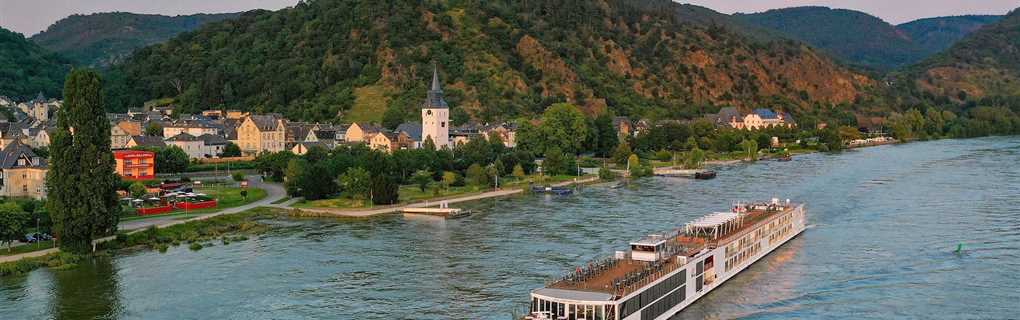
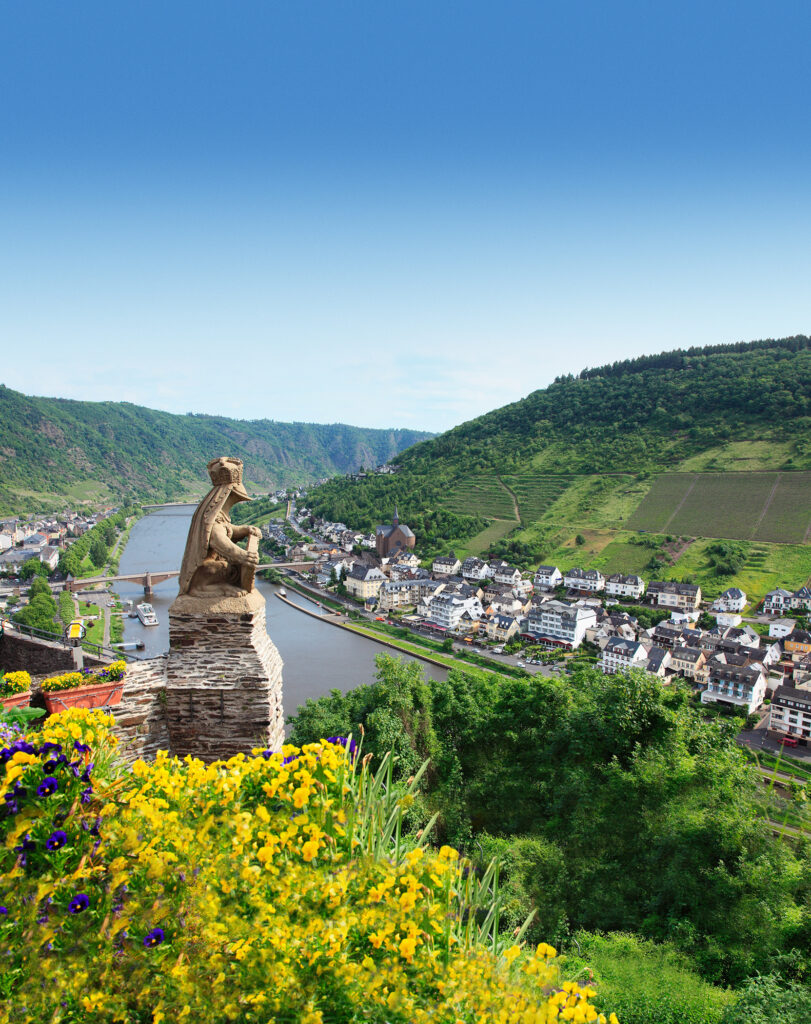
A view of the Moselle River and Cochem Village from Reichsburg Castle with a gargoyle in the foreground

There is no single “best time” to cruise Europe’s iconic waterways — but there is a perfect time for you. A luxury spring river cruise along the Rhine offers a completely different journey than the same ship in November, threading past snow-dusted vineyards toward a glowing Christmas market. Knowing the difference separates a good trip from a life-defining one.

European river cruises follow a seasonal rhythm shaped by water levels, local harvests, regional festivals, and crowd patterns. Unlike ocean cruising, river cruise destinations transform dramatically with the seasons. The vineyards flanking the Moselle are bare in February and blazing gold in October. The Danube through Vienna hums with street musicians in July and glitters with advent light in December.

This guide breaks down every season, identifies the scenery that defines each one, covers the must-attend cultural events, and matches each travel window to the specific type of traveler most likely to love it.


Why Timing Is Everything on a Best-Rated European River Cruise

Timing your European river cruise correctly can mean the difference between sailing through cherry blossoms on the Rhine Gorge and arriving a week too late to catch them. It can mean joining a centuries-old grape harvest on the Douro — or missing it entirely. The rivers themselves change: water levels, light quality, the color of the hillsides, the festivals in the towns, and even the onboard programming all shift dramatically from one month to the next.

The good news is that there is a best season for every type of traveler. The key is knowing which one matches you.


Best European River Cruise by Season

Spring River Cruises (March – May): Best for First-Timers and Scenic Luxury Travelers

Spring is widely considered the best overall season for first-time European river cruisers. Temperatures are mild — typically 57 to 72°F — crowds are lighter than summer, and pricing is more competitive than peak season. More importantly, spring delivers some of the most dramatic river scenery of the year.

In the Netherlands, April and early May bring the tulip fields and Keukenhof Gardens to full bloom — one of the most iconic sights available on a Dutch waterway cruise. Along the Rhine, the steep terraced vineyards of the Gorge erupt in green and the hillside castles emerge from winter mist. In Portugal, the Douro Valley experiences almond blossom season as early as late February and into March, transforming the terraced hillsides into a scene that rivals Japan’s cherry blossoms in scale and beauty — with a fraction of the crowds.

Spring is also the best time for river cruise itineraries that include active shore excursions, as water levels on the Rhine and Danube are typically at their most stable. For travelers doing their first luxury European river cruise and wanting the broadest, most rewarding experience possible, April through May remains the top-rated window across all major cruise lines.

Best for: First-time river cruisers, couples, photography travelers, nature lovers, budget-conscious luxury travelers booking shoulder-season rates.


Summer River Cruises (June – August): Best for Families and Festival Seekers

Summer is peak season on Europe’s rivers, and for good reason. The longest daylight hours in Europe mean more time for shore excursions, outdoor dining, and al fresco sailing past some of the continent’s most celebrated landscapes. Vibrant festivals run almost continuously from June through August, and the cities lining the Danube — Vienna, Budapest, Bratislava — are at their most lively.

July 14th on the Seine offers one of the most memorable river cruise experiences available anywhere: watching Bastille Day fireworks over Paris from the water deck of a luxury river ship, champagne in hand, with the Eiffel Tower reflected in the river below.

The Salzburg Festival, running July through August, is the world’s most prestigious classical music and opera event. Several top-rated luxury river cruise lines build dedicated Danube itineraries around exclusive festival packages that include prime concert seats unavailable to general visitors.

The trade-off in summer is real, however. High temperatures and lower rainfall can push water levels on the Rhine and Danube below navigable thresholds, occasionally forcing itinerary changes or motorcoach transfers. Book early — summer sailings on luxury lines often fill 12 months or more in advance.

Best for: Families, active travelers, classical music and opera lovers, festival seekers, first-time Paris visitors on Seine river cruises.


Autumn River Cruises (September – October): Best for Food, Wine & Luxury Travelers

Autumn is arguably the single best season for discerning luxury travelers on a European river cruise. Harvest season transforms the riverside regions of Germany, France, Austria, and Portugal into a living food-and-wine festival, and the foliage — particularly on the Rhine and Moselle — peaks in late October in spectacular fashion.

On the Douro in Portugal, late September brings the vindima: the hand-harvest of port wine grapes on impossibly steep terraced quintas, where guests can join local families picking grapes and foot-treading them in traditional lagares. This is one of the last great agricultural traditions in Europe, and it is available exclusively to travelers on Douro river cruises during this narrow window.

Along the Rhine and Moselle in Germany, Weinfest celebrations take over nearly every riverside village in September and October. Travelers can join local harvests, taste wines direct from the estate, and experience a version of German wine country that most tourists never see.

Oktoberfest pre-access packages — offered by several top luxury river cruise lines — allow guests to experience Munich’s festival before public crowds arrive, a genuinely different and more intimate experience than the standard tourist approach.

Crowds thin noticeably after mid-September, and pricing begins to soften compared to peak summer rates. For food and wine travelers, cultural enthusiasts, and anyone prioritizing autumn foliage scenery on a luxury European river cruise, this is the season.

Best for: Food and wine lovers, culinary travelers, photography and foliage seekers, luxury couples, Oktoberfest visitors, Douro harvest travelers.


Winter River Cruises (December): Best for Christmas Market Cruises and Romantic Couples

The December Christmas market river cruise is one of the most iconic luxury travel experiences in the world, and the demand reflects it. Rhine and Danube Christmas market sailings — typically running December 1 through December 20 — sell out 12 to 18 months in advance on every reputable luxury line.

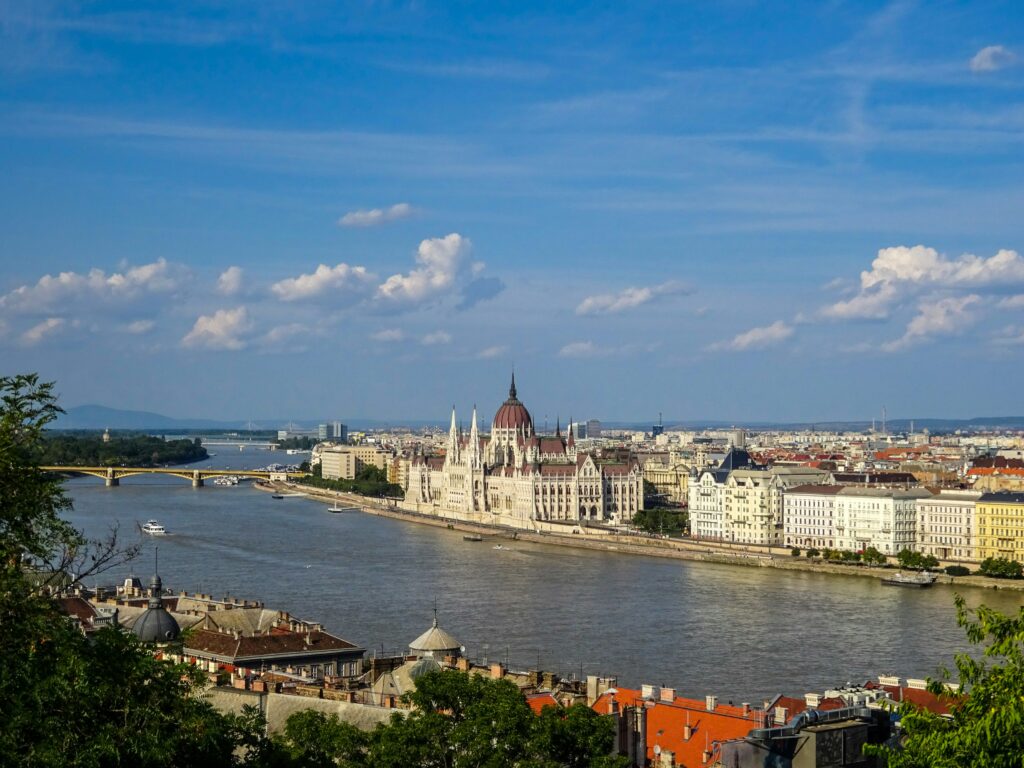
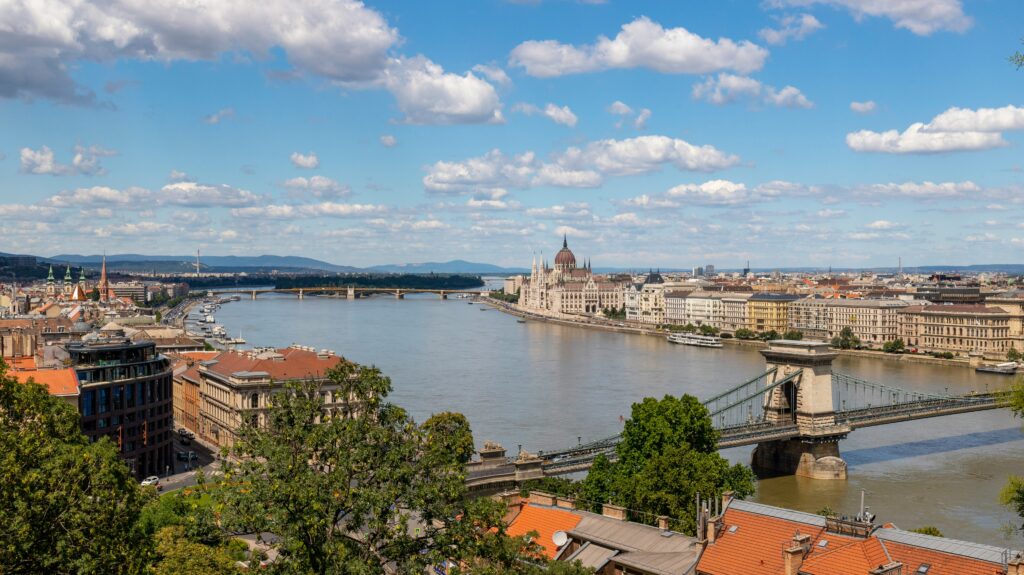
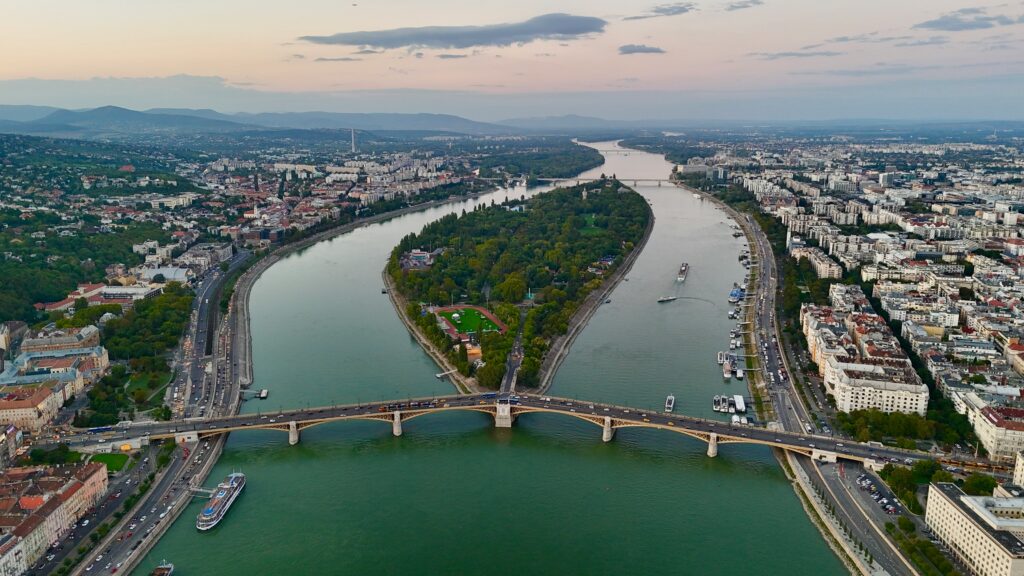
The itineraries are designed to dock at multiple Christmas markets per day. Nuremberg’s Christkindlesmarkt, the oldest Christmas market in Germany, is a consistent highlight. Strasbourg’s Marché de Noël transforms the Alsatian capital into what many call the “Capital of Christmas.” Vienna’s Rathausplatz and Cologne’s Cathedral Market each deliver their own version of the season. Budapest in December, with its parliament building reflected in the illuminated river, may be the single most romantic river cruise destination in Europe.

January and February are deep off-season months with very few departures and some itinerary limitations, but travelers who do cruise in these months benefit from the lowest prices of the year and an extraordinarily quiet experience on board and ashore.

Best for: Romantic couples, Christmas market enthusiasts, first-time Danube cruisers, travelers seeking the classic European holiday experience.
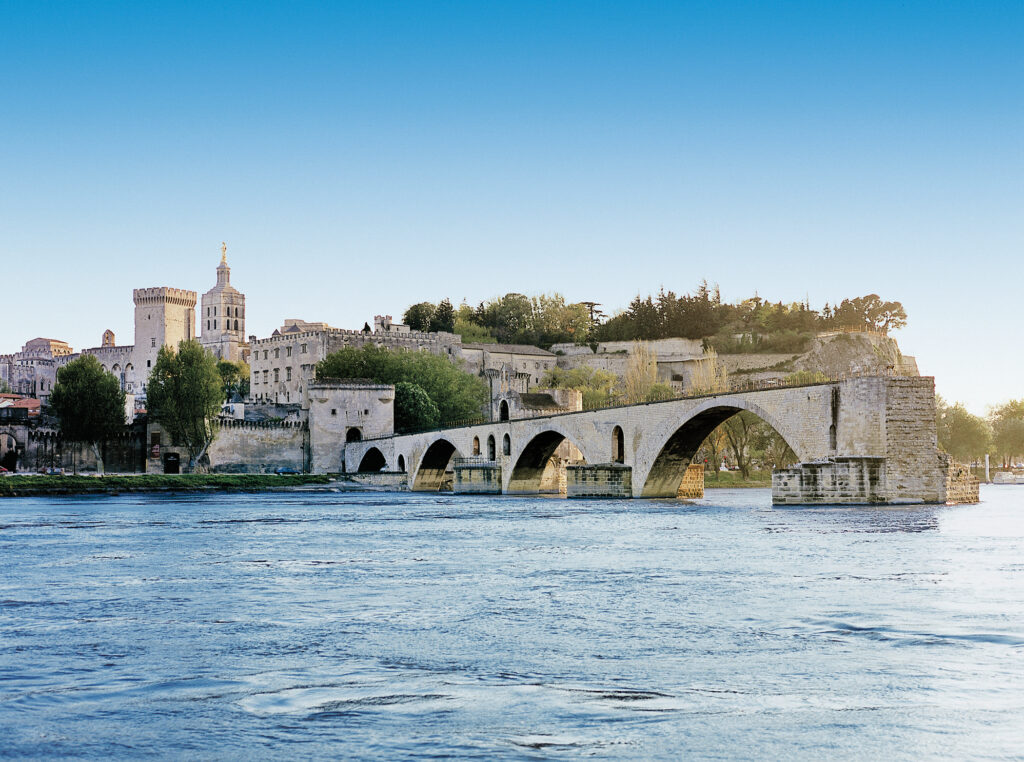
The 12th-century bridge and ruins of Pont d’Avignon on the Rhine River

Scenery Differences by Season: Rhine, Danube, and Douro

Rhine River — Germany’s Castle-Lined Gorge

The UNESCO-listed Rhine Gorge between Bingen and Koblenz is among the most photographed stretches of inland waterway in the world, and the season changes it entirely. In spring, the terraced vineyards are vivid green and the medieval castles — Marksburg, Rheinfels, Lorelei — emerge from mist like illustrations from a storybook. In summer, the gorge is at its most active, best experienced from an open sun deck at golden hour. In October, the vines turn copper and rust and the slopes appear to be burning — many experienced travelers consider this the most photogenic river scenery anywhere in Europe. In December, snow occasionally dusts the castle towers and the towns below glow with Christmas market lanterns.

Danube River — Vienna, Budapest, and Bratislava

The Danube is as much an architectural river as a natural one. Its scenery is defined by the grand imperial cities on its banks. Spring and autumn offer ideal conditions for city sightseeing — comfortable temperatures, good light, and manageable crowds. The famous “Blue Danube” — more grey-green in reality but genuinely beautiful — is most evocative in early morning autumn mist between Vienna and Budapest. In December, Budapest’s Christmas illuminations reflecting off the river create one of Europe’s most photographed travel images.

Douro River — Portugal’s Luxury Wine Valley

The Douro Valley is the most dramatic river cruise landscape in Europe and the most season-sensitive. Late February to March brings almond blossoms that blanket the hillsides in white and pink — an underrated and underbooked window that photography travelers consistently rate among their best travel experiences. September and October bring the vindima grape harvest, when the quintas and cooperatives of the Douro come alive with activity, color, and the smell of fermenting wine drifting across the water. The Douro operates from approximately March through November only, making it a naturally crowd-free alternative to the Rhine and Danube at their busiest.


Top Cultural Highlights and Festivals by Month

January–February: Cologne Karneval (Rhine, February), almond blossom season on the Douro (late February–March).

March–May: Keukenhof tulip season on Dutch waterway cruises (April–early May), Prague Spring Music Festival (mid-May to early June on Danube/Elbe itineraries).

June–August: Bastille Day on the Seine (July 14), Salzburg Festival on the Danube (July–August), Bayreuth Wagner Festival (July–August), early Oktoberfest access packages (late September).

September–October: Moselle and Rhine Weinfest harvest celebrations, Douro vindima grape harvest (late September), Vienna Staatsoper opening season, Oktoberfest Munich (late September–early October).

December: Nuremberg Christkindlesmarkt, Strasbourg Marché de Noël, Vienna Rathausplatz, Cologne Cathedral Market, Budapest Christmas illuminations. Book 12–18 months ahead without exception.
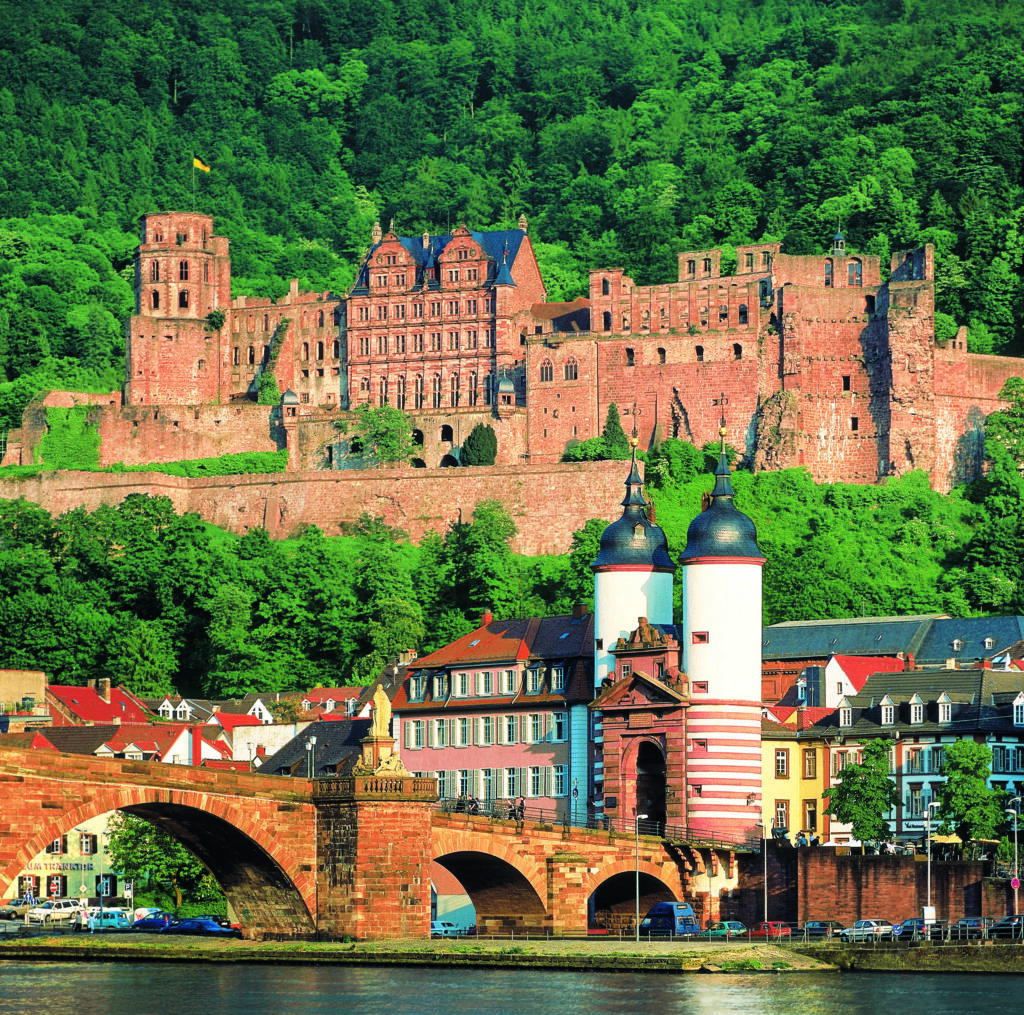

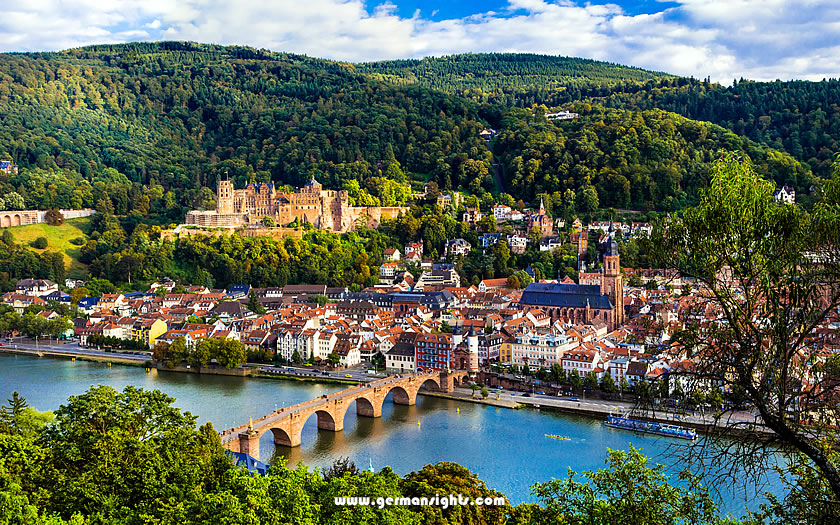
Heidelberg Castle above the Old Bridge, Karl Theodor Bridge, over the Neckar River in Germany

Best European River Cruise by Traveler Type

Best luxury river cruise for couples and honeymooners: April–May on the Douro or Seine, or December on the Danube (Vienna to Budapest). The December Danube Christmas market itinerary is the most consistently recommended romantic river cruise experience in Europe.

Best European river cruise for families: June through early July on the Rhine or Danube. Longer days, stable weather, and active shore excursion calendars suit multigenerational groups. AmaWaterways and Viking offer strong family programming.

Best river cruise for food and wine lovers: September–October on the Douro (harvest season) or Rhine and Moselle (Weinfest and vineyard tours). Autumn is unambiguously the top-rated season for culinary-focused European river cruising.

Best river cruise for art, history, and culture enthusiasts: April–May or September on the Danube. Vienna, Budapest, Bratislava, and optional Prague extensions give this itinerary the deepest cultural density of any European river cruise route.

Best river cruise for photography and nature travelers: Late February to March on the Douro (almond blossoms) or October on the Rhine (autumn foliage). Both windows are significantly underbooked relative to their visual impact.

Best river cruise for Christmas market travelers: December 1–20 on the Rhine (Basel to Amsterdam) or Danube (Nuremberg to Budapest). Book immediately — these sailings are the fastest-selling product in luxury river cruising.

Best European river cruise for budget-savvy first-timers: March or November. Shoulder season pricing on luxury lines can run 30 to 40 percent below peak rates with the same ships, same crew, and same onboard experience. Ideal for travelers who prioritize the vessel and cuisine over festival-timed shore excursions.

Best river cruise for classical music lovers: July–August on the Danube, timed to the Salzburg Festival or Vienna Staatsoper season opening. Several luxury lines offer exclusive concert access packages not available through general ticket sales.


Rhine vs. Danube vs. Douro vs. Seine: Which River Is Right for You?

Rhine: Best season April–May and October–December. Signature scenery of castle gorge, vineyard terraces, and medieval towns. Cultural highlights include Christmas markets, Oktoberfest, and the Cologne Carnival. Best for first-timers, Christmas market seekers, and wine lovers.

Danube: Best season April–May and September–December. Signature scenery of imperial cities, the Iron Gate gorge, and the Hungarian plains. Cultural highlights include Vienna Opera, Budapest Christmas illuminations, and Bratislava’s old town. Best for culture and history travelers, romantic couples, and Christmas market cruisers.

Douro: Best season February–March and September–October. Signature scenery of terraced vineyard gorges and whitewashed quintas. Cultural highlights include almond blossom season and the vindima grape harvest. Best for wine lovers, photography travelers, and couples seeking uncrowded luxury.

Seine: Best season May–June and September–October. Signature scenery of the Paris skyline, Normandy coastline, and Monet’s Giverny. Cultural highlights include Bastille Day, Normandy D-Day memorials, and the Impressionist art trail. Best for Paris lovers, art and history travelers, and France-focused itineraries.

Moselle: Best season September–October. Signature scenery of steep vine-clad slopes, Roman ruins, and half-timbered wine villages. Cultural highlights include the Moselle Wine Festival, Trier’s Roman sites, and Luxembourg city highlights. Best for wine enthusiasts and off-the-beaten-path travelers.
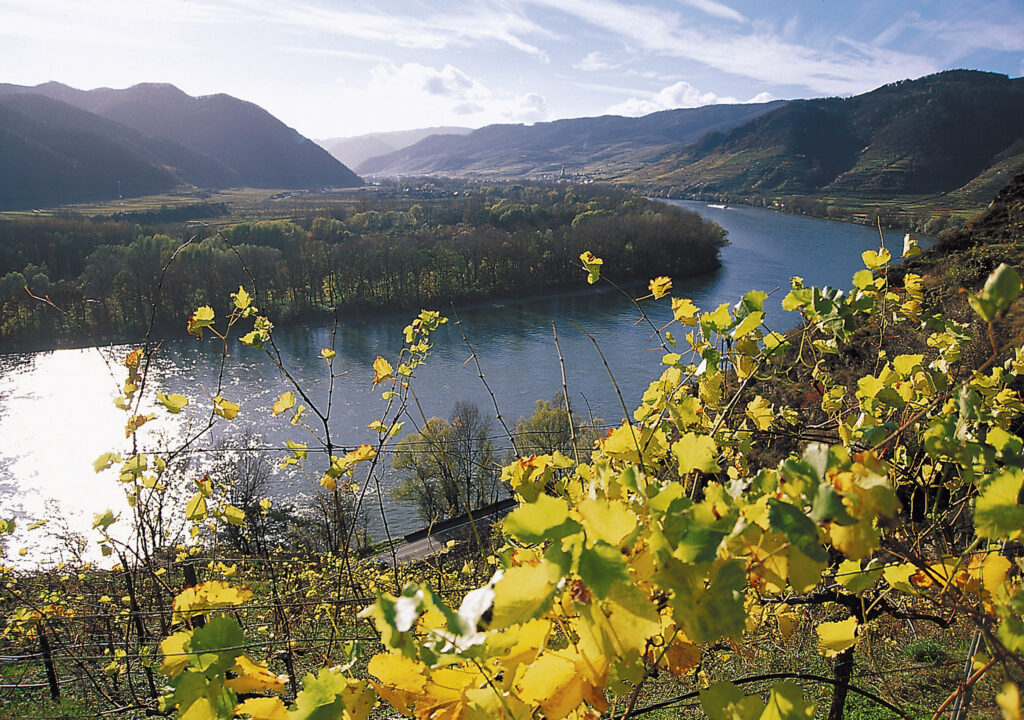

Wachau Valley and the Danube River

Expert Booking Tips for First-Time European River Cruisers

Book Christmas market cruises 12 to 18 months in advance. This is the single most consistent piece of advice from luxury travel advisors. December Rhine and Danube sailings sell out faster than any other river cruise product. Treat them like Wimbledon tickets.

Don’t overlook shoulder season value. March, early April, and November offer the same five-star ships and onboard experience as peak season at significantly lower fares — often with suite upgrade availability and onboard credit packages that disappear in July and December.

Ask about water level policies before booking. Low water in summer and high water in spring can occasionally affect Rhine and Danube itineraries. Reputable luxury lines have contingency plans, but ask your travel advisor specifically about how each operator handles disruptions.

Consider ship size carefully. European river ships are standardized at roughly 135 to 190 passengers due to lock and bridge restrictions. Smaller vessels — particularly on the Douro — offer higher staff-to-guest ratios, private excursions, and access to smaller ports unavailable to larger ships.

Build in a land extension. The best river cruise itineraries pair naturally with pre- or post-cruise city stays. A Danube sailing connects beautifully with Vienna; a Douro cruise pairs perfectly with Lisbon or Porto. Adding two to three days on either end deepens the journey and provides flexibility if travel delays affect your boarding.


The Bottom Line: What Is the Best Time to Take a European River Cruise in 2026?

For first-time river cruisers wanting the broadest, most rewarding experience: April through May. For food, wine, and luxury travelers: September through October. For romantic couples and Christmas market seekers: December on the Danube. For photography and nature travelers: Late February on the Douro or October on the Rhine. For the best value on a luxury river cruise: March or November.

The rivers of Europe are extraordinary at every point in the calendar. The best time is the one that matches who you are as a traveler — not simply the most popular dates on a booking chart. Let’s discuss your river cruise!
What to Expect on a Luxury European River Cruise: The Best First-Timer’s Guide to Cities, Wine, Scenery & Culture

Everything you actually need to know before booking a top-rated European river cruise — from the best cities and cultural highlights to wine regions, scenery, and which itinerary truly matches your travel style.

Photo by Renee Mihld on Unsplash

“what to expect on a European river cruise first time”

“best luxury European river cruise for couples 2026”

“top-rated river cruise Europe wine lovers”

“European river cruise cultural highlights first timer”

“is a river cruise worth it for first-time travelers”

What Is a European River Cruise — and Is It Right for You?

A European river cruise is nothing like an ocean cruise. Forget the mega-ships with 5,000 strangers, the at-sea days, and the crowded buffets. A river cruise is intimate by design: ships carry between 100 and 200 guests, sail through the heart of historic cities (often docking steps from the old town), and travel slowly enough that you can watch medieval fortresses, vineyard terraces, and half-timbered villages drift past your panoramic lounge window.

For first-time travelers, river cruising is often described as the best way to see multiple European countries in one trip without repacking every night. Your floating hotel moves while you sleep. You wake up in a new city. Shore excursions are included. And the pace is genuinely relaxed.

Ship Size: 100–200 guests

Countries Per Trip: 3–6 nations

Typical Duration: 7–15 nights

Typical Inclusions: All meals, wine, excursions, Wi-Fi

Price Range (pp): $3,500–$9,000+

Best Season: April–October

💡The #1 thing first-timers get wrong

Many travelers assume river cruising is “for retirees.” In reality, today’s top-rated lines — Viking, AmaWaterways, Scenic — attract a wide range of travelers including active adults in their 40s and 50s, wine enthusiasts, solo travelers, and cultural explorers who want depth over beach time.


The Best Key Cities Visited on a European River Cruise

One of the greatest pleasures of river cruising is the city roster. Unlike fly-and-flop vacations, you’re not spending days in transit between destinations — the river connects everything. Here are the top-rated cities you’ll visit depending on which river you choose.

Must-Visit Cities on the Rhine (Best for First-Timers)

Basel

Switzerland · Embarkation City

World-class contemporary art scene, beautiful medieval Old Town, and a gateway to the Swiss Alps. Easy connections from Zurich Airport make it ideal for international arrivals.

Strasbourg

France · Top-Rated Shore Stop

A UNESCO-listed city straddling the French-German border. Extraordinary Alsatian cuisine, a breathtaking Gothic cathedral, and the most romantic Christmas market in Europe.

HeidelbergGermany · Cultural Highlight

Germany’s oldest university city, anchored by a dramatic ruined castle above the Neckar River. A favorite stop for history lovers and best-reviewed by first-time river cruisers.

CologneGermany · Architectural Marvel

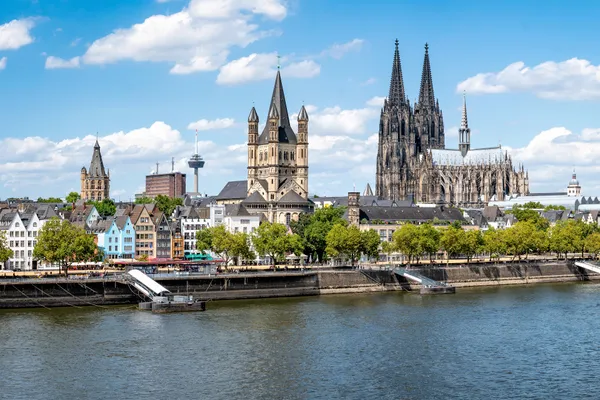
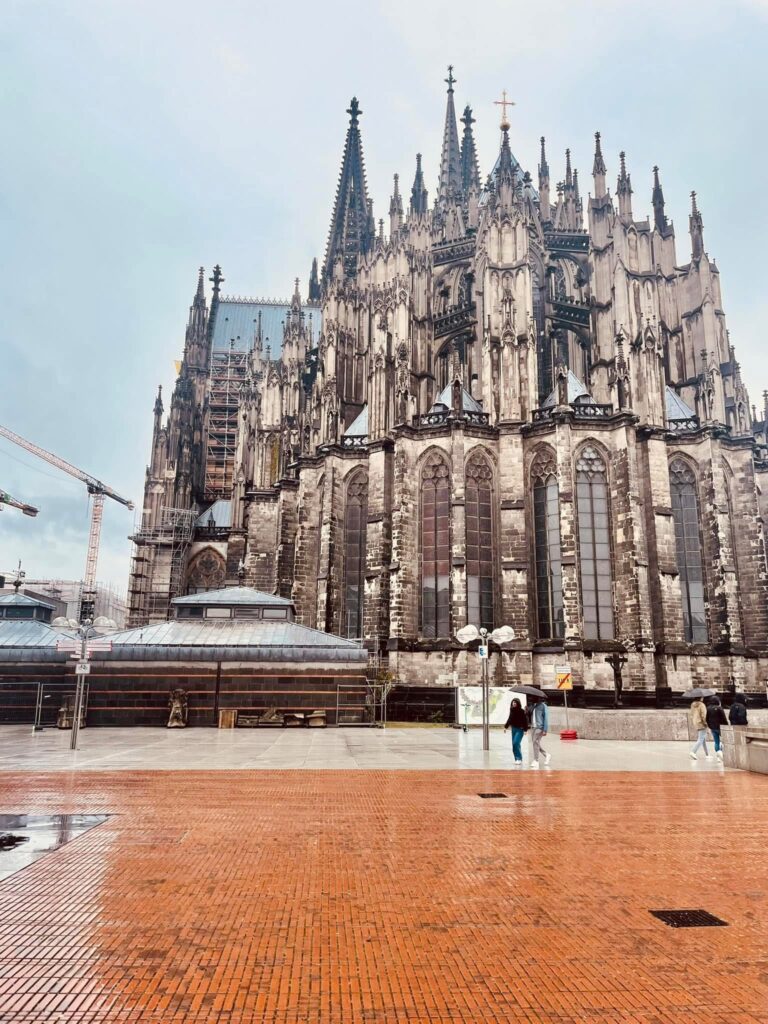
Home to the Kölner Dom — one of Europe’s greatest Gothic cathedrals — plus a lively cultural scene, Roman history, and Germany’s most celebrated Karneval celebrations.

AmsterdamNetherlands · Bucket-List Finale

Canal houses, the Rijksmuseum, Van Gogh Museum, and one of the world’s great cycling cultures. Many Rhine itineraries end here — budget at least 2 extra days.

RüdesheimGermany · Wine & Castles

Gateway to the Middle Rhine Gorge UNESCO World Heritage Site. The best base for Rheingau Riesling tastings and castle-hopping along the most scenic stretch of river in Europe.

Must-Visit Cities on the Danube (Best for Culture Seekers)

PassauGermany · Three Rivers City

Where the Danube, Inn, and Ilz converge. Baroque architecture, the world’s largest pipe organ at St. Stephen’s Cathedral, and a refined, unhurried atmosphere.

ViennaAustria · Imperial Capital

Schönbrunn Palace, the Vienna State Opera, the Kunsthistorisches Museum, and a UNESCO-listed café culture. Vienna is the Danube’s crown jewel — allow two full days minimum.

BratislavaSlovakia · Hidden Gem

A compact, authentic Old Town topped by a striking white castle. Overlooked by most tourists, loved by everyone who stops. Genuinely Central European and gloriously un-crowded.

BudapestHungary · Most Spectacular City

Buda Castle, the Parliament Building, the Chain Bridge, and legendary thermal baths. Arriving by river at sunset is one of the most memorable moments in all of European travel.

RegensburgGermany · Medieval Gem

A perfectly preserved medieval city and UNESCO World Heritage Site that escaped WWII bombing. Germany’s oldest sausage kitchen has been open here since 1135.

DürnsteinAustria · Wachau Valley

A tiny baroque village in the UNESCO Wachau Valley where Richard the Lionheart was once imprisoned. Surrounded by apricot orchards and world-class Riesling vineyards.


Photo by Anatolii Shcherbyna on Unsplash

Scenery on a European River Cruise: What You’ll Actually See from Your Deck

Scenery is one of the top reasons first-time river cruisers say they’d book again. But the type of scenery varies enormously depending on which river you choose — and knowing the difference will help you pick the right itinerary for your travel style.

Rhine Scenery: Dramatic, Intimate, Castle-Laden

The Rhine’s Middle Rhine Gorge is the stuff of travel dreams. The river is relatively narrow here, which means castles, cliff faces, and steep vineyard terraces feel close enough to touch. More than 40 medieval castles line this single stretch — the highest concentration of riverside fortresses anywhere in the world. Passing through at golden hour, watching the Loreley rock emerge from the mist while sipping a Riesling, is one of the defining moments of European river cruising.

Beyond the gorge, the Rhine’s scenery shifts dramatically: lush Alsatian wine villages in France, wide Dutch polders as you approach Amsterdam, and glimpses of the Swiss Alps on clear days near Basel.

Danube Scenery: Grand, Pastoral, City-Centered

The Danube is broader and more pastoral between cities — long stretches of farmland, wetlands, and rolling hills create a sense of peaceful rhythm. But the Danube’s cities make up for the quieter stretches with sheer magnificence. Arriving into Budapest by river at dusk, with the Parliament Building and Chain Bridge lit gold against the sky, is consistently ranked one of the most spectacular travel moments in all of Europe. The Wachau Valley in Austria — a UNESCO World Heritage Site — rivals the Rhine Gorge for pure vineyard-and-castle beauty.

Castle Density: Rhine vs. Danube at a Glance

Rhine: 40+ medieval castles in a 40-mile gorge — the world’s highest density of riverside fortresses. Best for travelers who want continuous, dramatic castle scenery from their deck.

Danube: Fewer but grander fortress sites — Dürnstein, Buda Castle, Devin — each with a rich historical narrative. Best for travelers who want depth of story alongside visual drama.


Top Wine Regions on a European River Cruise (For Serious Wine Lovers)

For wine-focused travelers, a European river cruise is one of the best experiences in the world. You’re not just visiting a wine region — you’re sleeping on a ship moored in the middle of it, with shore excursions that take you directly into the vineyards. Here are the top-rated wine regions you’ll encounter on the two most popular river cruise routes.

RegionRiverKey VarietalsWhy It’s Special
RheingauRhineRieslingHome to Schloss Johannisberg (est. 1130) — the world’s oldest Riesling estate. Germany’s most prestigious white wine appellation.
AlsaceRhineRiesling, Pinot Gris, GewurztraminerA uniquely Franco-German wine style. Dry, aromatic whites grown on both sides of the Rhine. Strasbourg is the ideal base for Alsatian wine exploration.
Mosel ValleyRhine (excursion)Riesling (dry to botrytized)Near-vertical slate slopes produce some of Germany’s most complex whites. Tributary side trip from many Rhine itineraries.
BadenRhineSpätburgunder (Pinot Noir)Southern Germany’s answer to Burgundy — warm-climate Pinots with real structure and depth. A revelation for Pinot lovers.
Wachau ValleyDanubeGrüner Veltliner, RieslingUNESCO-listed wine region 90 minutes from Vienna. Terraced vineyards drop directly to the Danube’s edge. Three quality tiers: Steinfeder, Federspiel, Smaragd.
Kremstal & KamptalDanubeGrüner Veltliner, RieslingAdjacent to Wachau, producing mineral-driven whites with complexity that rivals great white Burgundy. Often included in Danube shore excursions.
TokajDanube (longer)Tokaji Aszú (botrytized blend)Louis XIV called it “the wine of kings.” Produced since the 16th century, Tokaji is one of the world’s most legendary sweet wines and vastly undervalued by American travelers.

Best River Cruise Lines for Wine Lovers

AmaWaterways is consistently rated the best luxury river cruise for wine-focused travelers — their dedicated wine-pairing programs, on-board sommeliers, and vineyard excursions are unmatched. Viking River Cruises includes wine and beer with every dinner. Scenic offers private winery access at exclusive estates on longer itineraries.


Photo by Nikolai Kolosov on Unsplash

Cultural Highlights You Won’t Want to Miss on a European River Cruise

River cruising isn’t a passive experience. The best itineraries are designed around genuine cultural immersion — and the top-rated cruise lines invest heavily in shore excursions, onboard lectures, and local expert guides. Here’s what to prioritize.

Top Cultural Experiences on the Rhine

  • Strasbourg’s Grande Île: The UNESCO-listed island city at the heart of Strasbourg is one of Europe’s most beautiful urban spaces — Gothic cathedral, medieval tanneries, Renaissance town houses, and the best tarte flambée you’ll ever eat.
  • Rhine Christmas Markets (November–December): Cologne, Strasbourg, and Basel host three of Europe’s best-reviewed Christmas markets. Rhine Christmas market cruises are among the most popular itineraries sold by every top-rated river cruise line and book out a year in advance.
  • Amsterdam’s Golden Age museums: The Rijksmuseum, Van Gogh Museum, and Anne Frank House offer world-class cultural depth. The Dutch Golden Age is one of history’s great artistic eras — don’t skip it.
  • Heidelberg’s university culture: Germany’s oldest university has shaped thinkers from Hegel to Goethe. The student jail (Studentenkarzer) alone is worth an hour of your time.
  • Rhine Gorge by river at golden hour: No museum, no shore excursion — just your ship’s sundeck, a glass of Riesling, and 40 medieval castles passing by in the evening light. The most memorable hour of most Rhine cruises.

Top Cultural Experiences on the Danube

  • Vienna State Opera (evening performance): One of the world’s top opera houses. Standing-room tickets are available same-day; pre-booked seats sell months out. A bucket-list experience for music and culture lovers — the world’s best night out for $10–$200 depending on seating.
  • Budapest’s thermal bath culture: The Széchenyi and Gellért Baths are 100+ year-old architectural masterpieces — ornate, steaming, and deeply restorative. A thoroughly unique cultural experience unlike anything in Western Europe.
  • Habsburg imperial palaces: Schönbrunn (Vienna), the Hofburg (Vienna), and the Royal Palace in Buda offer unmatched access to the Habsburg imperial world — a dynasty that shaped European history for 600 years.
  • Jewish heritage in Budapest and Vienna: Budapest’s Great Synagogue (the largest in Europe) and Vienna’s Judenplatz Holocaust Memorial are among the most historically significant and moving sites on any Central European itinerary.
  • Vienna’s UNESCO café culture: Sitting in Café Central or Demel with a Melange and a slice of Sachertorte isn’t just eating — it’s participating in a cultural ritual that dates back 300 years and is now officially recognized as Intangible Cultural Heritage.

Which European River Cruise Is Best for Your Travel Style?

The most common mistake first-time river cruisers make is booking based on price or availability alone. The right itinerary depends entirely on your travel personality. Use these profiles to find your best match.

The Wine & Food Lover

  • Best river: Rhine for German Riesling & Alsatian cuisine; Danube for Wachau & Tokaj
  • Best line: AmaWaterways (dedicated wine programs)
  • Must-stop: Rüdesheim (Rhine) · Wachau Valley (Danube)
  • Look for: Harvest season sailings (Sept–Oct)

The History & Culture Enthusiast

  • Best river: Danube for Habsburg history, WWII heritage, Jewish heritage
  • Best line: Viking (onboard lectures, expert-led excursions)
  • Must-stop: Vienna, Budapest, Regensburg
  • Look for: Itineraries with Vienna 2-night stays

The Romantic Couple

  • Best river: Rhine for intimate villages and fairy-tale scenery
  • Best line: Scenic or Emerald (suite-level luxury)
  • Must-stop: Strasbourg, Dürnstein, Heidelberg
  • Look for: Christmas market sailings for peak romance

The Arts & Music Lover

  • Best river: Danube — Vienna is the world capital of classical music
  • Best line: Viking (cultural programming, onboard performances)
  • Must-stop: Vienna State Opera, Budapest’s Liszt Academy
  • Look for: Itineraries with evening concert excursions

The Active / Wellness Traveler

  • Best river: Both — Avalon Waterways offers cycling & hiking excursions on Rhine & Danube
  • Best line: Avalon (active shore excursion options)
  • Must-stop: Budapest thermal baths, Rhine Valley cycling
  • Look for: “Active & Discovery” itinerary labels

The True First-Timer

  • Best river: Rhine — shorter (7–8 nights), more consistently dramatic scenery
  • Best line: Viking (most beginner-friendly experience)
  • Must-stop: Cologne, Strasbourg, Amsterdam
  • Look for: Basel-to-Amsterdam or Amsterdam-to-Basel routing

What to Expect Onboard: Daily Life on a Luxury European River Cruise

First-timers often arrive with ocean-cruise expectations. Here’s what a typical day actually looks like on a top-rated European river cruise.

  • Mornings: Wake up already docked in a new city. Most luxury lines offer complimentary shore excursions with expert local guides. You can join the group tour, explore independently, or rent a bike and cycle the riverbank — all in the same morning.
  • Afternoons: Many itineraries include a second port of call. Alternatively, this is when the ship sails — sit on the Sun Deck with a coffee or a glass of wine and watch Europe pass by. No ocean-cruise sea days. No boredom.
  • Evenings: Dinner onboard is a social, multi-course affair. Wine and beer are typically included. Top-rated lines feature regionally-inspired menus that change daily to reflect the country you’re sailing through — Alsatian pork on the Rhine, Wiener Schnitzel in Austria.
  • Onboard enrichment: Expect destination lectures, cooking demonstrations, folk music performances, and cultural presentations. Viking is particularly well-regarded for its intellectual programming. AmaWaterways is best-reviewed for its wine and culinary content.
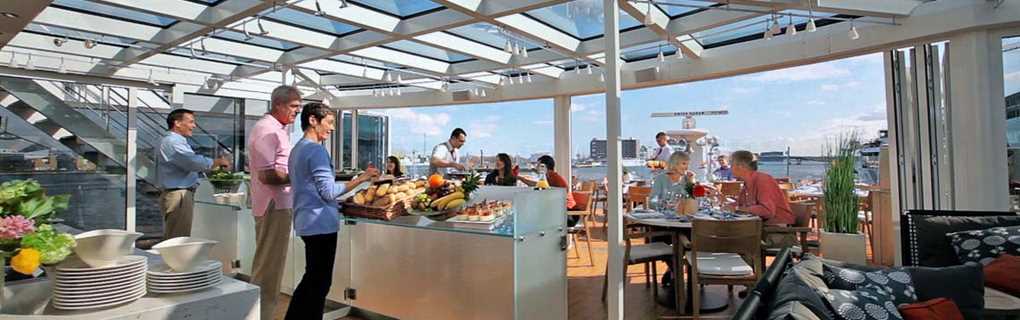
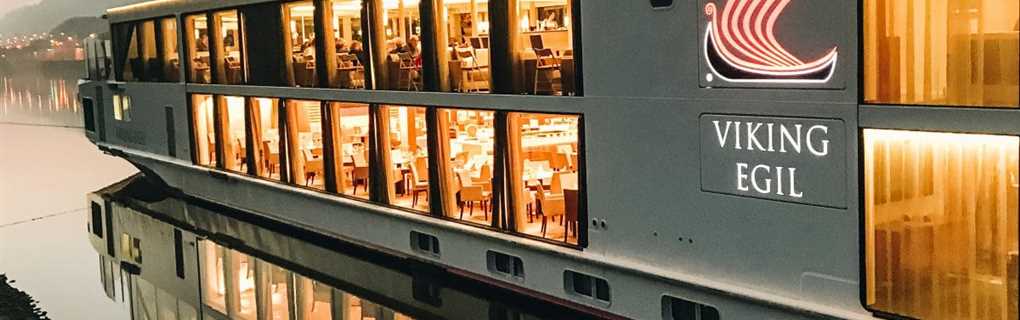
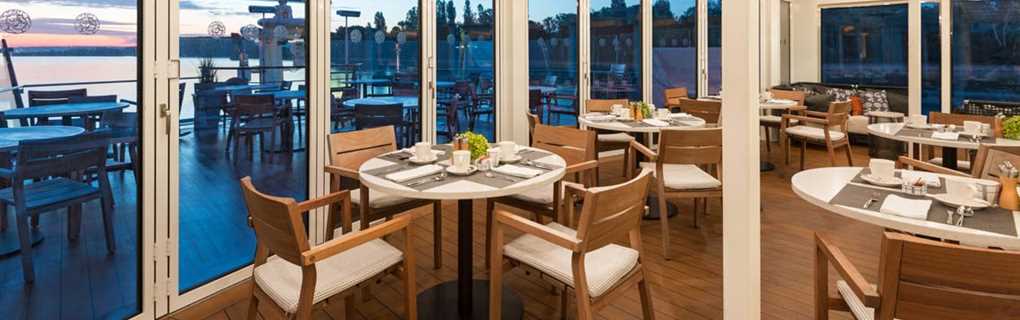
  • The ship itself: Modern river cruise ships are architecturally sleek, not gaudy. Think floor-to-ceiling panoramic windows, a Sun Deck with loungers, a small pool or whirlpool, a wellness area, and a lounge that feels like a boutique hotel bar — not a casino.

What’s Typically Included on a Luxury River Cruise

All meals (breakfast, lunch, dinner) · Regional wine & beer with dinner · Guided shore excursions · Wi-Fi · Port charges & taxes · On-board entertainment & lectures · Airport transfers (on most lines) · Gratuities (on premium lines: Scenic, Emerald, Uniworld)


Best Time to Book a European River Cruise & Top-Rated Lines for First-Timers

When to Book

Book 9–18 months in advance for peak season sailings (May, June, September, October). Christmas market cruises on the Rhine (November–December) often sell out a full year ahead. If you’re flexible on dates, “wave season” (January–March) offers the best early-booking deals — typically 20–30% off with onboard credit and free air upgrades from many lines.

Top-Rated River Cruise Lines for First-Timers

  • Viking River Cruises: Consistently rated #1 for first-timers. Elegantly designed ships, thoughtful cultural programming, and an all-inclusive model that keeps things simple. The go-to recommendation for travelers who want quality without fuss.
  • AmaWaterways: Best-rated for food and wine lovers. On-board sommeliers, regionally-focused menus, and wine excursions are industry-leading. Slightly more intimate ships and a warm, personalized service style.
  • Scenic: Top-rated ultra-luxury option. Fully all-inclusive (including premium spirits, specialty dining, and butler service), with a fleet of “Space-Ships” featuring full-opening panoramic windows. For travelers who want the absolute best European river cruise experience regardless of cost.
  • Avalon Waterways: Best value for first-timers who don’t want to compromise on quality. Avalon’s “Suite Ships” feature wall-to-wall open-air beds facing panoramic windows — a genuinely unique design. Strong active-travel excursion programs.
  • Uniworld Boutique River Cruises: The most beautifully designed ships in river cruising — each vessel is individually decorated like a floating boutique hotel. Top-rated for travelers who prioritize aesthetic experience and ultra-personal service.

Frequently Asked Questions About European River Cruises

Is a European river cruise worth it for a first-time traveler?

For the right traveler, it’s one of the best travel experiences available. If you want to visit multiple European countries without the logistics of repacking, enjoy good food and wine in a social setting, and explore both famous cities and hidden villages, river cruising delivers in a way that independent travel simply can’t replicate at the same effort level. First-timers consistently rate it as their best trip ever.

What is the best European river for a first-time river cruise?

The Rhine is the most universally recommended choice for first-timers. It’s shorter (7–8 nights), the scenery is consistently dramatic from start to finish, and the combination of Germany, France (Alsace), and the Netherlands covers a wide range of iconic European experiences. The Danube is better suited to travelers who have already visited Western Europe and are ready for Central Europe’s imperial grandeur.

What should I pack for a European river cruise?

River cruising is smart-casual in dress code — most lines ask for no shorts or jeans at dinner, but formal attire is never required. Pack layers (the Rhine Gorge can be cool in the evening even in summer), comfortable walking shoes for cobblestone streets, a light waterproof jacket, and one smart-casual outfit per 2–3 evenings. A carry-on sized bag is sufficient for most 7-night sailings.

What is the best time of year for a European river cruise?

May, early June, September, and October are the sweet spots — mild weather, lower crowds than peak summer, and either spring wildflowers or autumn harvest color. July and August are popular but can be hot and slightly more crowded at ports. Christmas market cruises in November–December on the Rhine are magical but sell out extremely fast.

How do European river cruise shore excursions work?

Most top-rated lines include guided group shore excursions at every port. You’ll typically have a choice of two or three options per city (a classic walking tour, a more active option like cycling, and sometimes a specialty tour focused on food, wine, or art). Independent exploration is always permitted — the ship docks for several hours and you’re free to wander on your own. On premium lines like Scenic and Emerald, all excursions are fully included with no add-on fees.


Ready to Book Your First Luxury European River Cruise?

The best European river cruise for first-time travelers is the one that matches how you actually want to travel. Whether that’s sipping Riesling in the Rhine Gorge at golden hour, attending an opera in Vienna, or cycling through Dutch tulip fields — the right itinerary exists, and it’s better than you’re imagining.

Start by deciding on your travel style (wine, culture, romance, adventure), pick your river (Rhine for drama and ease; Danube for grandeur and depth), and book as early as possible — the best sailings at the best prices go first. Reach out to book your River Cruise!

Rhine River vs. Danube River: Which European River Cruise Is Right for You?

You’ve been dreaming about a European river cruise. You’ve earned it. But the moment you start researching, you hit the same wall: Rhine or Danube? Both rivers are spectacular. Both are marketed relentlessly. And both attract very different kinds of travelers. For Bay Area and San Jose residents flying from SFO or SJC, the stakes are higher—you’re adding 10+ hours of transatlantic travel, so getting this decision right matters. This guide cuts through the noise with hyper-specific comparisons to help you match your travel personality to the right river.

Photo by Thomas Winkler on Unsplash

Rhine River

Switzerland → Netherlands · 820 Miles

Europe’s most dramatic river cruise. Soaring medieval castles, vertical vineyard terraces, and fairy-tale villages compressed into one of the world’s most scenic stretches of water. The Rhine delivers intensity and visual payoff at every bend. 🏰 Castle Central · Wine Lover’s Dream

Danube River

Germany → Romania · 1,770 Miles

Europe’s most culturally diverse river cruise. Baroque imperial cities, Ottoman heritage, vibrant Christmas markets, and an ever-changing tapestry of Central Eastern European culture spanning 10 countries. 🏛️ Capital Cities · Cultural ImmersionSide-by-Side Comparison

Rhine vs. Danube: The Best European River Cruise Comparison for First-Time & Luxury Travelers

🔵 Rhine River🟢 Danube River
Length CruisedTypically 500–600 miTypically 1,000–1,700 mi
CountriesSwitzerland, Germany, France, NetherlandsGermany, Austria, Slovakia, Hungary, Croatia, Serbia, Romania
Best Departure CitiesBasel, AmsterdamPassau, Budapest, Vienna
Avg. Cruise Duration7–8 days7–15 days
Castle Density★★★★★ (Gorge section: 40+ in 65km)★★★ (Wachau Valley highlight)
Wine RegionsRiesling (Rheingau, Moselle access)Grüner Veltliner, Tokay (Hungary)
Major CitiesBasel, Strasbourg, Cologne, AmsterdamBudapest, Vienna, Bratislava, Passau
Scenery TypeDramatic gorges, steep vineyards, medieval villagesRolling hills, imperial architecture, wide plains
Best Season from SFOMay–June, Sept–OctApril–May, Aug–Oct (Christmas markets in Dec)
Luxury Cruise OptionsScenic, Tauck, Viking, EmeraldScenic, Crystal (relaunch), Tauck, Avalon
Price Range (pp)$3,500–$12,000$3,000–$14,000
Best ForWine lovers, castle fanatics, photography buffsHistory lovers, city explorers, multi-country collectors

Top-Rated Rhine Gorge vs. Danube Wachau Valley: Which Scenery Wins for Luxury Travelers?

Rhine Gorge: Europe’s Most Dramatic River Scenery

The UNESCO-listed Middle Rhine Gorge between Rüdesheim and Koblenz is the Rhine’s undisputed showstopper—arguably the most visually intense 65 kilometers of river scenery in Europe. Jagged cliffs rise vertically, crowned with medieval fortresses. Vineyards cascade at impossible angles. Half-timbered villages cling to riverbanks as if placed by hand. If you’re chasing the “postcards come to life” European experience, nothing on the continent competes with this stretch.

  • Lorelei Rock — Europe’s most famous river cliff
  • 40+ castles visible within a single 65km stretch
  • Steep Riesling terraces (some slopes reach 60° gradient)
  • Villages of Bacharach, Oberwesel, St. Goar
  • Marksburg Castle — the Rhine’s only unmodified medieval fortress

Wachau Valley: Austria’s Best River Scenery & Wine Country

The Wachau Valley between Krems and Melk is the Danube’s most celebrated stretch—and rightfully so. Gentle rolling hills draped in apricot orchards and Grüner Veltliner vineyards surround baroque monasteries that have watched over this bend for eight centuries. The scenery is more pastoral and serene than the Rhine—romantic rather than dramatic. It rewards slow travellers who want to linger over lunch in a vine-covered courtyard.

  • Melk Abbey — one of the world’s finest baroque monasteries
  • Dürnstein ruins — where Richard the Lionheart was imprisoned
  • World-class Grüner Veltliner and Riesling wine estates
  • UNESCO World Heritage designation (entire valley)
  • Medieval Krems — Austria’s oldest inhabited town

Best Castle-Dense European River Cruise: Rhine vs. Danube for History Buffs From San Jose

Rhine River Castles: The Undisputed Champion

If medieval castles are your primary motivation, the Rhine is not even a debate. The Middle Rhine Gorge contains more intact castles per kilometer than any navigable river in the world. These aren’t reconstructed tourist facades—many are original medieval fortifications with moats, drawbridges, and dungeon towers still standing after 700+ years.

  • Rheinfels Castle (St. Goar) — Rhine’s largest medieval ruin
  • Marksburg Castle — only Rhine castle never destroyed
  • Pfalzgrafenstein Castle — toll castle built on a river island
  • Gutenfels, Sterrenberg, Liebenstein — the famous “hostile brothers” castles
  • Stahleck Castle (now a youth hostel) above Bacharach

Danube River Castles: Fewer But Culturally Richer

The Danube offers fewer raw castles than the Rhine, but what it lacks in density it compensates with narrative richness. The castles here aren’t just fortifications—they’re chapters of Central European history, connected to the Habsburgs, Crusaders, and Ottoman invasions. For travelers who want stories with their stones, the Danube delivers.

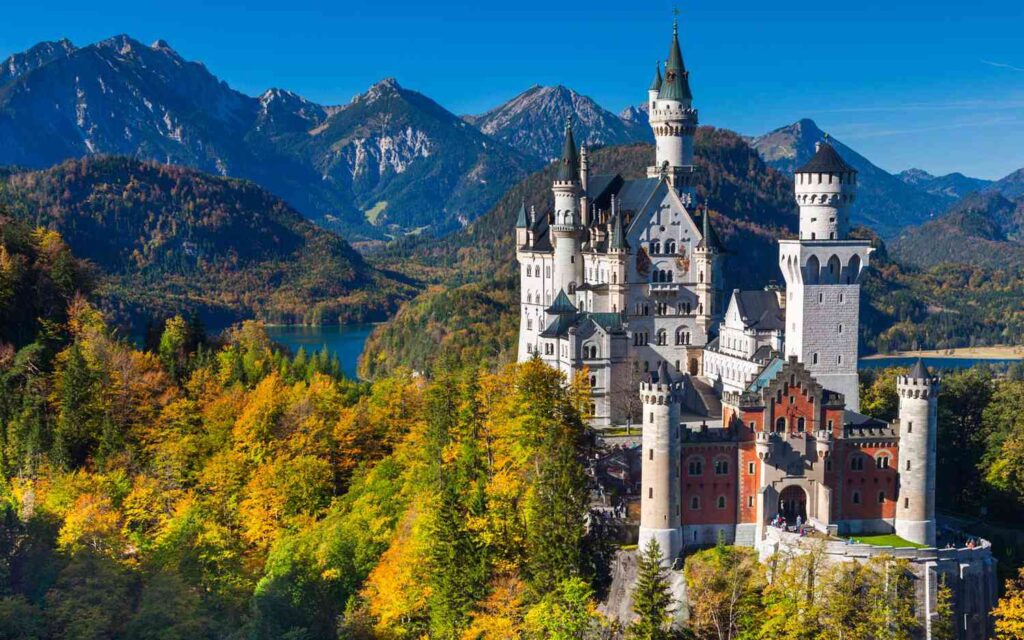
  • Hohenschwangau & Neuschwanstein — optional day trips from Passau area
  • Dürnstein Castle — where King Richard I of England was held for ransom
  • Devin Castle — Slovakia’s ancient Slavic fortress at Bratislava’s edge
  • Golubac Fortress — Serbia’s dramatic Iron Gates canyon ruin
  • Buda Castle — Budapest’s most iconic hilltop complex

Wine Regions

Best Wine-Focused European River Cruise for Bay Area Wine Lovers: Rhine Riesling vs. Danube Wine Trails

Rhine River Wine Regions: Germany’s Finest Riesling Country

The Rhine flows through the heart of German wine country, and for California wine lovers accustomed to Napa and Sonoma, the contrast is illuminating. Germany’s Rieslings—bone dry to lusciously sweet—are among the world’s most food-friendly wines, and you’ll taste them poured from estate bottles at waterfront Weinstuben that date back centuries.

  • Rheingau — home to some of Germany’s most prestigious Riesling estates
  • Rheinhessen — Germany’s largest wine region
  • Mosel (side trip) — the world’s steepest commercial vineyards
  • Alsace wine route — across from Strasbourg, all Pinot and Riesling
  • Vineyard hiking between cruise stops

Danube River Wine Regions: Austria, Hungary & Beyond

The Danube wine experience is broader and more eclectic. You’re tasting across multiple winemaking cultures in a single cruise—from Austria’s precise, mineral-driven Grüner Veltliner to Hungary’s historic Tokay dessert wines to Serbia’s emerging natural wine scene. For adventurous Bay Area wine drinkers already fluent in international varietals, this diversity is thrilling.

  • Wachau Valley — Austria’s top Riesling & Grüner Veltliner district
  • Kremstal & Kamptal — neighboring Austrian wine appellations
  • Tokaj wine region (Hungary) — UNESCO-listed, produces world-famous Aszú
  • Eger (Hungary) — home of “Bull’s Blood” red blends
  • Emerging Serbian and Romanian wine country for cruise extensions

Key Cities Visited

Best Cities on Rhine vs. Danube River Cruises: What Bay Area Travelers Should Know Before Booking

🔵 Top Rhine River Cities

  • Basel, SwitzerlandStarting point for most Rhine cruises. World-class art museums (Art Basel), gorgeous old town, gateway to the Black Forest.
  • Strasbourg, FranceHalf-French, half-German. Grande Île UNESCO old town, Europe’s most beautiful Christmas market, home of the European Parliament.
  • Cologne, GermanyHome of Germany’s most-visited cathedral. Vibrant Altstadt, world-famous Kölsch beer culture, excellent Roman history museum.
  • Amsterdam, NetherlandsThe Rhine’s grand finale. Canal-laced city, world-class museums (Rijksmuseum, Van Gogh, Anne Frank House), easy SFO connections.

🟢 Top Danube River Cities

  • Vienna, AustriaThe Danube’s crown jewel. Imperial palaces, Klimt and Schiele in the Belvedere, world-class opera, legendary café culture. One of the most livable cities on Earth.
  • Budapest, HungaryEurope’s most underrated capital. Chain Bridge, thermal baths, ruin bars, stunning Parliament building. Bay Area tech travelers love its startup energy and affordability.
  • Bratislava, SlovakiaOften underestimated, Bratislava’s compact old town and hilltop castle reward slow exploration. Its relative affordability makes it a hidden gem stop.
  • Regensburg, GermanyOne of Germany’s best-preserved medieval cities and a UNESCO World Heritage Site. The Danube begins its most scenic stretch here.

Best Cultural River Cruise in Europe: Rhine vs. Danube for Intellectually Curious Bay Area Travelers

Rhine Cultural Highlights

The Rhine tells the story of medieval Europe—its power, its wars, its ecclesiastical grandeur, and its miraculous preservation. Every town along its banks is a living museum.

  • Cologne Cathedral — 632 years to build, a Gothic engineering marvel
  • Gutenberg Museum (Mainz) — where moveable type changed civilization
  • Strasbourg’s European Quarter — symbolic heart of post-war reconciliation
  • Basel’s Art Week — if timing aligns, one of the world’s top art fairs
  • Roman ruins at Xanten (often included as optional excursion)
  • Alsatian villages like Eguisheim & Riquewihr — picture-perfect timbered towns

Danube Cultural Highlights

The Danube has been the crossroads of empires—Roman, Ottoman, Habsburg, Soviet. Each city carries layers of history from competing civilizations, making it endlessly fascinating for curious travelers.

  • Vienna’s Kunsthistorisches Museum — one of the world’s greatest art collections
  • Schönbrunn Palace (Vienna) — 1,441 rooms of Habsburg imperial excess
  • Budapest’s Hungarian State Opera — a gilded confection rivaling Vienna’s
  • Roman Carnuntum archaeological site (between Vienna & Bratislava)
  • Serbian Orthodox monasteries and Iron Gates canyon
  • Bucharest’s surreal communist-era Palace of the Parliament (Danube extensions)

The Bay Area Traveler’s Honest Truth

Most San Jose and Silicon Valley travelers we speak with initially ask for the Rhine—the castles are iconic and the imagery is unforgettable. But a significant number return to book the Danube for their second river cruise, drawn by the greater cultural depth and the magnetism of Vienna and Budapest. Both rivers are best-in-class. The question is simply: do you prioritize scenery or story?

Rhine vs. Danube River Cruise: Best Choice by Traveler Type, Style & Budget for San Jose Residents

The Castle-Obsessed History Buff

You’ve watched documentaries on medieval fortresses and already have Marksburg on your bucket list. The Middle Rhine Gorge will deliver more castle-per-hour than anywhere else on Earth. Danube Wins

The Capital Cities Collector

You want to tick off Vienna, Budapest, and Bratislava in one trip while exploring their distinct personalities. The Danube links three of Europe’s most rewarding cities within a week. Rhine Wins

The Wine-Focused Bay Area Traveler

You’re a Napa regular who wants to understand German Riesling in context. The Rhine flows through Germany’s finest wine regions—and side trips to Alsace and the Mosel are possible. Danube Wins

The Luxury Couple on First Big Europe Trip

Vienna and Budapest offer unparalleled luxury hotels, Michelin-starred restaurants, and classical music performances that extend your cruise experience into extraordinary pre/post stays. Rhine Wins

The Instagram & Photography Enthusiast

The Rhine Gorge’s combination of golden light, castle silhouettes, and vertical vineyard reflections is among the most photogenic river scenes in the world. Every hour on deck rewards. Danube Wins

The Retiring Couple Seeking Value

The Danube delivers significantly more destination variety per cruise dollar. Longer itineraries spanning multiple countries feel like much greater value, and Eastern European stops are dramatically cheaper on shore excursions. Either Works

The Christmas Market Seeker

Both rivers host top-rated Christmas markets. The Rhine’s Cologne and Strasbourg markets are legendary. The Danube’s Vienna and Budapest markets are equally spectacular with different atmospheres. Danube Wins

The Culturally Adventurous Solo Traveler

Solo travelers who want to go deeper than postcard scenery find the Danube’s cultural diversity—Habsburg, Ottoman, Soviet—endlessly layered and intellectually stimulating. Rhine Wins

The Active & Outdoorsy Bay Area Traveler

E-bike and hiking excursions are Rhine specialties. Cycling the Rhine Cycle Route between cruise stops, or hiking vineyard trails above Rüdesheim, appeals to the outdoorsy Silicon Valley mindset.Booking From the Bay Area

Best Way to Book a Rhine or Danube River Cruise From San Jose (SJC) or San Francisco (SFO): Practical Guide

Getting There From SFO/SJC

Most Bay Area travelers fly into Frankfurt (FRA) for Rhine cruises starting in Basel or Cologne — Lufthansa and United run direct routes. For the Danube, Munich (MUC) connects to Passau, while Vienna (VIE) offers spectacular pre-cruise options. Austrian Airlines and Lufthansa are the primary carriers, often bookable via Star Alliance miles. Budget 1–2 extra days in your gateway city before boarding.

Pro Tip: Book flights and cruise separately. Most cruise lines’ air packages depart from Los Angeles (LAX), which adds unnecessary complexity for Bay Area residents. Booking your own SFO or SJC flights gives you better routing and fare flexibility.

Top-Rated Luxury Cruise Lines for Both Rivers

  • 🛳️ Scenic Luxury Cruises — Ultra-inclusive, butler service, both rivers
  • 🛳️ Tauck River Cruising — Best for first-time river cruisers, excellent guides
  • 🛳️ Viking River Cruises — Most popular overall, excellent educational programming
  • 🛳️ Avalon Waterways — Open-air design, best value for luxury features
  • 🛳️ AmaWaterways — Culinary-focused, excellent wine pairing programs

Rhine vs. Danube River Cruise FAQ: Top Questions From Bay Area Travelers Planning Their First European River Vacation

Is the Rhine or Danube better for first-time river cruisers from the Bay Area?

For first-timers, the Rhine is often recommended because its shorter distance and concentrated highlights offer a more manageable introduction. However, first-timers who prioritize great cities over scenery should lean Danube—Vienna and Budapest are among Europe’s most iconic destinations and provide an incredible first-time Europe experience on their own.

Which river has more castles—Rhine or Danube?

The Rhine is the clear winner for castles per kilometer, with over 40 medieval fortifications visible along a single 65km stretch of the Middle Rhine Gorge. If castle density is your primary criterion, the Rhine is categorically the better choice. The Danube has fewer but historically significant castles like Dürnstein and Buda Castle.

What’s the best time of year to do a Rhine or Danube cruise from San Jose?

May–June and September–October offer the best combination of pleasant weather, lower crowds, and peak scenery. The Danube also has a spectacular December run for Christmas markets (Vienna and Budapest both host world-class markets). Avoid peak July-August on both rivers—crowds are at their worst and prices peak.

Is the Rhine or Danube more expensive?

They’re comparable at base levels, but Danube cruises that extend into Eastern Europe (Serbia, Romania) can offer greater value because shore costs in those countries are dramatically lower than Western Europe. Luxury-for-luxury, budget around $5,000–$12,000 per person for a premium 8–10 day cruise on either river from a Bay Area starting budget.

Can I combine Rhine and Danube in one trip?

Yes — and this is increasingly popular with Bay Area travelers who have the vacation time. The most common combination is a Rhine cruise ending in Amsterdam, a train to Frankfurt, then flying to Vienna or Passau for a Danube cruise. Allow 3 weeks total. Some cruise lines offer back-to-back packages with a discount.

Which cruise line is best for solo Bay Area travelers on the Rhine or Danube?

Viking and Tauck are consistently rated highest for solo traveler experiences on both rivers. Viking eliminated solo supplements on select sailings, making it particularly attractive. AmaWaterways and Avalon also offer solo-friendly staterooms at competitive rates with active social programming.Our Verdict

The Bottom Line for Bay Area Travelers

Choose the Rhine if you want Europe’s most visually dramatic river experience: castles rising from river mist, vertical vineyards, and half-timbered villages that feel lifted from a Brothers Grimm story. It’s the better choice for photography, wine enthusiasts drawn to German Riesling, and active travelers who want to hike or bike between cruise stops.

Choose the Danube if you want depth over density: the cultural complexity of Vienna and Budapest, the layered history of Habsburg and Ottoman empires, and a longer cruise that spans multiple countries and feels like a true grand European journey. It offers more cities, more history, and often more value for the Bay Area traveler’s dollar.

Either river will be among the best trips of your life.
The question is simply which version of Europe calls to you. Let’s start planning your voyage today!

Top 10 Vacation Destinations for Bay Area Families

As a San Jose-based travel agent and mom, I understand what Bay Area families are looking for in a vacation: convenient flights from our local airports, destinations that appeal to multiple generations, and experiences that create lasting memories without breaking the bank. After years of planning family vacations for Silicon Valley and South Bay families, I’ve compiled the ultimate list of destinations that check all the boxes.

Me at Aulani!

Whether you’re flying out of SJC, SFO, or OAK, these ten destinations offer the perfect blend of adventure, relaxation, and family-friendly fun.

1. Oahu, Hawaii – The Perfect First Island Experience

Why Bay Area Families Love It:

Hawaii tops the list for good reason – it’s accessible, doesn’t require passports for your kids, and offers non-stop flights from all three Bay Area airports. Oahu specifically provides the ideal balance of beaches, culture, and activities that keep everyone from toddlers to teens engaged.

Flight Details:

  • Non-stop flights from SJC, SFO, and OAK to Honolulu (HNL)
  • Flight time: Approximately 5.5 hours
  • Multiple daily departures make scheduling flexible

Best For:

  • First-time Hawaii visitors
  • Families with kids of varying ages
  • Multi-generational trips (grandparents love it!)
  • Active families who want more than just beach time

Must-Do Family Activities:

  • Waikiki Beach for beginner surfing lessons
  • Pearl Harbor and USS Arizona Memorial (great history lesson)
  • Polynesian Cultural Center for interactive cultural experiences
  • North Shore beach hopping and shrimp trucks
  • Hiking Diamond Head for sunrise (doable with kids 6+)
  • Snorkeling at Hanauma Bay

Where to Stay: From my personal experience touring properties, I recommend:

  • The Royal Hawaiian – Iconic “Pink Palace” with Hollywood history
  • Sheraton Waikiki – Ohana Suites sleep up to 9 (perfect for extended family)
  • Moana Surfrider – Only oceanfront spa in Waikiki, plus cultural activities
  • Ritz-Carlton Turtle Bay – North Shore adventure base with horseback riding on the beach

Pro Tip from a Local Agent: Book your Spring Break Hawaii trip early! April flights from SJC fill up fast. I can help you secure connecting rooms and family-friendly resort amenities.

Average Family Budget: $6,000-$9,000 for family of 4 (5 nights, flights, resort)


2. San Diego, California – The Easy Weekend Escape

Why Bay Area Families Love It:

Sometimes the best family vacation is the one that doesn’t require tons of planning or long flights. San Diego is perfect for Bay Area families wanting a quick getaway without international complications.

Flight Details:

  • Non-stop flights from SJC, SFO, and OAK to San Diego (SAN)
  • Flight time: Just 1.5 hours!
  • Perfect for long weekends
  • Alternative: Drive down the coast (8-9 hours) for a road trip adventure

Best For:

  • Families with young children (shorter flight)
  • Last-minute getaways
  • Budget-conscious families
  • First-time family travelers building confidence

Must-Do Family Activities:

  • San Diego Zoo (world-class, all-day adventure)
  • LEGOLAND California (perfect for ages 2-12)
  • USS Midway Museum (another naval history gem)
  • La Jolla Cove seal watching and snorkeling
  • Balboa Park museums and gardens
  • Coronado Beach and Hotel del Coronado
  • SeaWorld San Diego

Where to Stay:

  • LEGOLAND Hotel – Themed rooms kids never forget
  • Hotel del Coronado – Historic beachfront luxury
  • Paradise Point Resort – Island-like setting with pools and activities
  • Mission Bay resorts – Budget-friendly with beach access

Pro Tip from a Local Agent: San Diego is one of the most affordable California family destinations. Consider driving to save on flights and have a car for exploring.

Average Family Budget: $2,000-$4,000 for family of 4 (3-4 nights, including flights or gas)


3. Cancun & Riviera Maya, Mexico – All-Inclusive Paradise

Why Bay Area Families Love It:

All-inclusive resorts mean one price covers everything – meals, drinks (including kids’ favorites), activities, and entertainment. For Bay Area parents tired of budgeting every meal, this is vacation bliss.

Flight Details:

  • Non-stop flights from SJC and SFO to Cancun (CUN)
  • Flight time: Approximately 4.5 hours
  • Affordable flight options year-round

Best For:

  • Families wanting hassle-free vacations
  • Multi-generational groups (all-inclusive simplifies group travel)
  • Beach lovers and water sports enthusiasts
  • First-time international travelers (Mexico is easy!)

Must-Do Family Activities:

  • Xcaret Park – eco-archaeological park with snorkeling, wildlife, and evening shows
  • Xel-Há – natural aquarium perfect for kids
  • Tulum ruins exploration
  • Cenote swimming (magical underground caves)
  • Chichen Itza day trip (history comes alive)
  • Snorkeling with sea turtles at Akumal

Where to Stay – My Top Picks:

  • El Dorado Seaside Palms – Adults-only option for couples, but also have family resorts
  • Moon Palace Cancun – Massive water park on-site, kids’ club
  • Nickelodeon Hotels & Resorts Riviera Maya – Character experiences kids love
  • Grand Velas Riviera Maya – Luxury family suites with teen club

Pro Tip from a Local Agent: Book “More Inclusive” packages that include excursions like catamaran trips, cenote visits, and water park access – incredible value!

Average Family Budget: $5,000-$8,000 for family of 4 (5-7 nights, all-inclusive, flights, transfers)


4. Orlando, Florida – The Theme Park Capital

Why Bay Area Families Love It:

Let’s be honest – every kid deserves that magical Disney or Universal experience at least once. Orlando delivers theme park magic along with surprisingly affordable accommodations.

Flight Details:

  • Non-stop flights from SJC and SFO to Orlando (MCO)
  • Flight time: Approximately 5 hours
  • Frequent flights with competitive pricing

Best For:

  • Families with kids ages 3-14 (prime theme park years)
  • Disney superfans
  • Harry Potter enthusiasts
  • Families wanting variety (multiple parks to choose from)

Must-Do Family Activities:

  • Walt Disney World (Magic Kingdom, EPCOT, Hollywood Studios, Animal Kingdom)
  • Universal Studios & Islands of Adventure (Harry Potter lands!)
  • Kennedy Space Center (day trip – amazing for space-loving kids)
  • LEGOLAND Florida
  • SeaWorld Orlando
  • Discovery Cove (swim with dolphins)

Where to Stay:

  • Disney Resort Hotels – Magic from check-in to checkout, early park entry
  • Universal Resort Hotels – Express Pass perks at some properties
  • Vacation rentals – Often cheaper for families needing multiple bedrooms
  • Off-property hotels – Budget-friendly with shuttle service

Pro Tip from a Local Agent: Orlando requires strategic planning! I help families choose the right parks, optimize their days, and avoid rookie mistakes that waste time and money. Book 6-9 months ahead for best prices.

Average Family Budget: $5,000-$10,000+ for family of 4 (7 nights, park tickets, flights) – highly variable based on choices


5. European River Cruise – Cultural Immersion Made Easy

Why Bay Area Families Love It:

I know what you’re thinking – “A river cruise with kids?” Hear me out! European river cruises are actually fantastic for families with older kids and teens (ages 10+). You unpack once, wake up in a new city every day, and cultural enrichment happens naturally.

Flight Details:

  • Flights from SFO to European hubs (Amsterdam, Budapest, Frankfurt)
  • Flight time: 10-12 hours (overnight flights work well)
  • Perfect for spring break or summer vacation

Best For:

  • Families with tweens and teens
  • Multi-generational travel (grandparents love river cruising)
  • Education-focused families
  • History buffs
  • Families wanting Europe without constant hotel changes

Top Family-Friendly River Cruise Itineraries:

  • Rhine River: Castles, fairytale villages, Christmas markets
  • Danube River: Budapest, Vienna, medieval towns
  • Seine River: Paris to Normandy D-Day beaches (incredible history)

Cruise Lines with Family Programs:

  • AmaWaterways – Excellent family program
  • Viking (for mature teens)
  • Tauck River Cruises – Outstanding family departures

Pro Tip from a Local Agent: As someone who just sailed the Romantic Danube, I can tell you this is an incredible way to see Europe without the stress of trains, hotels, and constant packing. Everything’s included – shore excursions, meals, wifi. Kids actually engage with history when they’re walking through 1,000-year-old castles!

Average Family Budget: $8,000-$15,000+ for family of 4 (8-day cruise, flights, pre/post hotels)


6. Costa Rica – Adventure and Wildlife Paradise

Why Bay Area Families Love It:

Costa Rica delivers adventure, wildlife, and beaches without requiring extensive international travel experience. It’s safe, affordable, and offers experiences your kids will talk about for years.

Flight Details:

  • Non-stop flights from SFO to San Jose, Costa Rica (SJO)
  • Flight time: Approximately 5.5 hours
  • Also flights to Liberia (LIR) for direct beach access

Best For:

  • Adventure-loving families
  • Wildlife enthusiasts
  • Eco-conscious travelers
  • Active families (hiking, zip-lining, surfing)
  • Kids ages 8+ (for most adventure activities)

Must-Do Family Activities:

  • Zip-lining through cloud forests (Monteverde)
  • Sloth sanctuary visits
  • Arenal Volcano hot springs
  • White-water rafting (family-friendly rapids available)
  • Manuel Antonio National Park beaches and monkey watching
  • Tortuguero turtle nesting (seasonal)
  • Surfing lessons on the Pacific coast

Where to Stay:

  • Arenal area resorts – Volcano views and hot springs
  • Manuel Antonio – Beach resorts with rainforest access
  • Guanacaste beaches – All-inclusive options like Dreams Las Mareas
  • Monteverde – Cloud forest lodges

Pro Tip from a Local Agent: Costa Rica works well as a DIY adventure or fully planned tour. I can arrange private drivers, activities, and accommodations so you get the adventure without the planning stress.

Average Family Budget: $5,000-$8,000 for family of 4 (7 nights, internal transfers, activities, flights)


7. Alaska Cruise – Summer Adventure of a Lifetime

Why Bay Area Families Love It:

Alaska cruises from West Coast ports mean minimal flying for Bay Area families. It’s an incredible destination that offers wildlife, glaciers, and adventures that rival any international destination.

Departure Options:

  • Cruise from San Francisco – No flights needed! Drive or quick flight from Bay Area
  • Cruise from Seattle – Short flight from Bay Area airports
  • Cruise from Vancouver – Easy SFO connection

Flight Details (if sailing from Seattle/Vancouver):

  • Flight time to Seattle: 2 hours from Bay Area
  • Flight time to Vancouver: 2.5 hours from Bay Area

Best For:

  • Families with kids ages 6+
  • Wildlife lovers
  • Nature enthusiasts
  • First-time cruisers (Alaska is magical)
  • Summer vacation (May-September)

What Makes Alaska Cruises Special:

  • Glacier viewing from your balcony
  • Whale watching opportunities
  • Bear spotting in natural habitat
  • White Pass Railway scenic journey
  • Gold rush history in Skagway
  • Salmon bake experiences
  • Dog sledding on glaciers

Best Cruise Lines for Families:

  • Disney Cruise Line – Character experiences meet Alaska adventure
  • Norwegian Cruise Line – Great kids’ clubs and family activities
  • Princess Cruises – Classic Alaska experience
  • Holland America – Excellent youth programs

Pro Tip from a Local Agent: Book Alaska cruises 9-12 months ahead for best cabin selection and pricing. Balcony cabins are worth it – you’ll watch glaciers from your room!

Average Family Budget: $6,000-$12,000 for family of 4 (7-day cruise, flights if needed, excursions)


8. Maui, Hawaii – The Romantic Island That Families Love Too

Why Bay Area Families Love It:

While Oahu is great for first-timers, Maui offers a more laid-back vibe perfect for families wanting beaches, snorkeling, and natural beauty without the Waikiki crowds.

Flight Details:

  • Non-stop flights from SJC, SFO, and OAK to Kahului (OGG)
  • Flight time: Approximately 5.5 hours
  • Similar to Oahu but feels more relaxed

Best For:

  • Families wanting quieter Hawaii experience
  • Beach and snorkel enthusiasts
  • Road trip lovers (Road to Hana!)
  • Multi-generational groups
  • Repeat Hawaii visitors

Must-Do Family Activities:

  • Snorkeling at Molokini Crater
  • Road to Hana adventure (early start recommended)
  • Haleakala sunrise (magical but early – 3am start!)
  • Beach days at Wailea or Ka’anapali
  • Old Lahaina Luau (best family-friendly luau)
  • Surfing lessons
  • Whale watching (December-April)

Where to Stay:

  • Wailea Beach Resort – Marriott – Great kids’ club and beach
  • Grand Wailea – Epic water features kids love
  • Andaz Maui – Modern luxury with family suites
  • Napili Kai Beach Resort – Condo-style, budget-friendly
  • Kaanapali Beach Resort areas – Multiple hotel options

Pro Tip from a Local Agent: Rent a car in Maui – it’s essential for exploring. I can arrange rental cars with your package. Also, book the Old Lahaina Luau months in advance!

Average Family Budget: $7,000-$11,000 for family of 4 (6 nights, flights, rental car, resort)


9. Washington D.C. – History Comes Alive

Why Bay Area Families Love It:

Free Smithsonian museums, incredible history, and surprisingly kid-friendly attractions make D.C. an educational vacation that doesn’t feel like school.

Flight Details:

  • Non-stop flights from SJC, SFO, and OAK to Reagan (DCA) or Dulles (IAD)
  • Flight time: Approximately 5 hours
  • Frequent flights with competitive pricing

Best For:

  • School-age children (especially 8-16)
  • History-loving families
  • Spring or fall visits (beautiful weather)
  • Educational travel
  • Patriotic Americans wanting to show kids our nation’s capital

Must-Do Family Activities:

  • All the Smithsonian museums (Air & Space is kids’ favorite!)
  • White House tour (book months ahead through your representative)
  • Capitol Building tour
  • Lincoln Memorial and monuments on the National Mall
  • Arlington National Cemetery
  • Mount Vernon day trip
  • International Spy Museum (teens love this!)
  • National Zoo (pandas!)

Where to Stay:

  • Downtown D.C. hotels – Walking distance to most attractions
  • Arlington, VA hotels – Often cheaper, easy Metro access
  • Embassy Suites – Great for families needing space

Pro Tip from a Local Agent: Most of D.C.’s best attractions are FREE! Your biggest expenses are flights and hotels. The Metro is easy to navigate and kid-friendly. Spring (cherry blossoms) and fall are ideal weather.

Average Family Budget: $4,000-$6,000 for family of 4 (5 nights, flights, hotels, Metro passes)


10. Tahiti & French Polynesia – Ultimate Bucket List Destination

Why Bay Area Families Love It:

This is the splurge vacation – the one you take for a major milestone, anniversary, or once-in-a-lifetime family adventure. Direct flights from SFO make it surprisingly accessible for Bay Area families.

Flight Details:

  • Non-stop flights from SFO to Papeete, Tahiti (PPT)
  • Flight time: Approximately 8 hours (overnight flight)
  • Air Tahiti Nui offers excellent service

Best For:

  • Milestone family trips
  • Families with older kids/teens (10+)
  • Snorkeling and water sports enthusiasts
  • Luxury family travel
  • Multi-generational bucket list trips

Island Hopping Options:

  • Tahiti – Gateway island, explore Papeete
  • Moorea – Family-friendly resorts, easy ferry from Tahiti
  • Bora Bora – Iconic overwater bungalows
  • Huahine – Unspoiled, authentic experience

Must-Do Family Activities:

  • Snorkeling in crystal-clear lagoons
  • Overwater bungalow experience
  • Swimming with sharks and stingrays (safe, guided)
  • Lagoonarium visits
  • Cultural Polynesian experiences
  • Island tours by 4×4
  • Sunset sailing

Where to Stay – My Recommendations:

  • Sofitel Kia Ora Moorea – Family bungalows, beautiful beach
  • Le Taha’a by Pearl Resorts – Secluded, Bora Bora views
  • InterContinental Tahiti – Convenient to airport, affordable starting point
  • Hilton Moorea – Overwater bungalows for families

Pro Tip from a Local Agent: Tahiti is more affordable than you think! I have access to special promotions including free nights, breakfast included, and up to 30% off. The key is working with an agent who knows how to maximize value. Also, island hop – don’t stay on just Tahiti!

Average Family Budget: $10,000-$18,000+ for family of 4 (8-10 nights, inter-island flights, resorts, flights)


How to Choose the Right Destination for Your Bay Area Family

Consider These Factors:

1. Ages of Your Children:

  • Ages 2-5: Shorter flights (San Diego, Maui, Oahu)
  • Ages 6-9: Theme parks shine (Orlando, San Diego)
  • Ages 10-14: Adventure destinations (Costa Rica, Alaska)
  • Teens 15+: Cultural experiences (European river cruise, D.C.)

2. Your Budget:

  • Under $5,000: San Diego, Washington D.C.
  • $5,000-$8,000: Oahu, Cancun, Costa Rica
  • $8,000-$12,000: Orlando, Maui, Alaska cruise
  • $12,000+: European river cruise, French Polynesia

3. Time of Year:

  • Spring Break (March-April): Hawaii, Mexico, San Diego
  • Summer (June-August): Alaska, Europe, Costa Rica
  • Fall (Sept-Nov): D.C., European river cruises
  • Winter/Holidays: Hawaii, Mexico, Orlando

4. Flight Convenience:

  • Non-stop from SJC: Hawaii, San Diego, Cancun, Orlando
  • Non-stop from SFO: All above + Europe, Tahiti, Alaska
  • Short flights: San Diego (1.5 hrs), Seattle for Alaska (2 hrs)

5. Passport Requirements:

  • No passport needed: Hawaii, San Diego, Orlando, Washington D.C., Alaska (depending on cruise)
  • Passport required: Mexico, Costa Rica, Europe, Tahiti

Why Book Your Bay Area Family Vacation with a Travel Agent

As a San Jose-based travel agent and mom of two, I understand the unique needs of Bay Area families:

I Know Your Airports:

  • Best flight times from SJC, SFO, and OAK
  • Which airlines offer the most legroom for families
  • How to navigate connections efficiently
  • TSA PreCheck and Global Entry guidance

I Save You Time:

  • No endless internet research
  • I’ve personally visited many of these destinations
  • I know which resorts have the best kids’ clubs
  • I understand Silicon Valley family schedules

I Save You Money:

  • Access to exclusive promotions not available online
  • Package deals that bundle flights and hotels
  • Group rates for extended family trips
  • Resort credits and complimentary upgrades

I Provide Peace of Mind:

  • 24/7 support if travel issues arise
  • Travel insurance guidance
  • Connecting rooms coordinated
  • Special requests handled (dietary needs, celebrations)

I Customize Everything:

  • Different departure airports
  • Flexible travel dates
  • Multi-generational considerations
  • Activity levels appropriate for your kids’ ages

Ready to Plan Your Bay Area Family Adventure?

Whether you’re dreaming of Hawaii beaches, European castles, or theme park magic, I’m here to make your family vacation seamless and unforgettable.

Let’s start planning today!

📧 Email: gretchen@vincentvacations.com
🌐 Website: https://www.vincentvacations.com/agents/gretchenode/travelform
📲 Direct Message me on social media

Serving San Jose, Fremont, and the entire Bay Area with personalized travel planning for families who want more than just a vacation – you want memories that last a lifetime.


Frequently Asked Questions from Bay Area Families

Q: When should I book family vacations from the Bay Area?
A: For popular times like Spring Break and summer, book 6-9 months ahead for best flight prices from SJC and SFO. Last-minute deals exist but limit your options.

Q: Which Bay Area airport is best for families?
A: SJC is most convenient for South Bay families – smaller, easier to navigate, shorter security lines. SFO has more international options. OAK is great for budget airlines and East Bay families.

Q: Do kids need passports for these destinations?
A: Not needed: Hawaii, San Diego, Orlando, D.C., some Alaska cruises. Required: Mexico, Costa Rica, Europe, Tahiti.

Q: What’s the best first international trip for Bay Area families?
A: Mexico (Cancun/Riviera Maya) – short flight, all-inclusive ease, familiar enough to not be overwhelming, but different enough to feel like an adventure.

Q: Can you help with flights from SJC specifically?
A: Absolutely! I coordinate flights from all Bay Area airports and know which routes work best for families.

Q: Do you charge fees for your services?
A: My services are typically complimentary – I’m compensated by the resorts, cruise lines, and tour operators. You get expert planning at no additional cost!

Contact me today – let’s turn your family vacation dreams into reality!


About the Author: Gretchen Ode is a luxury travel agent based in San Jose, California, specializing in family vacations, Hawaiian getaways, European river cruises, and all-inclusive resorts. As a mom and Marine veteran wife, she understands what Bay Area families need for successful vacations. With personal experience at many featured destinations and partnerships with premium travel suppliers, Gretchen provides insider knowledge that makes family travel planning stress-free. Contact her at Vincent Vacations: gretchen@vincentvacations.com

Dress Code Decoded: What to Wear on a Viking River Cruise

Dress Code Decoded: What to Wear on a Viking River Cruise

As a travel agent who has helped countless clients prepare for their Viking River Cruises, I can confidently say that packing the right wardrobe is one of the easiest ways to enhance your experience. Viking’s dress code is famously relaxed and practical, but a little insider knowledge goes a long way in ensuring you’re both comfortable and stylish throughout your journey.

Viking River Cruises are designed for exploration and relaxation, and your clothing should reflect that spirit. Think “casual elegance”—comfortable, versatile pieces that transition seamlessly from daytime excursions to evening dinners. You’ll spend your days discovering charming villages, historic sites, and scenic landscapes, so comfortable walking shoes are a must. Layering is key, as weather can change quickly along the rivers of Europe.

Daytime Attire

During the day, most guests opt for casual, breathable clothing. Think khakis, jeans, or comfortable skirts paired with polo shirts, blouses, or lightweight sweaters. Since you’ll be walking and exploring, supportive footwear is essential—leave the high heels at home and bring a pair of stylish yet practical walking shoes or sandals.

Daytime Packing Essentials
Item Why It’s Important
Comfortable walking shoes Essential for cobblestone streets and sightseeing
Lightweight layers Easy to add or remove as temperatures change
Sun protection Hat, sunglasses, and sunscreen for sunny days on deck

Evening Wear

Evenings on board are a bit more refined, but there’s no need for formal wear. Most guests choose “casual resort” attire—think collared shirts, blouses, slacks, or dresses. A nice sweater or light jacket is perfect for cooler evenings. Viking’s atmosphere is relaxed, so you’ll never feel out of place in smart-casual clothing.

I always remind my clients: Viking River Cruises are about enjoying the journey, not worrying about what to wear. Pack pieces that make you feel confident and comfortable, and you’ll fit right in.

What Not to Pack

Leave the tuxedos, ballgowns, and high heels at home. Viking’s dress code is intentionally laid-back, so formalwear is unnecessary. Also, avoid overpacking—most cabins have limited storage, and you’ll appreciate traveling light.

Special Occasions

If your cruise includes a special event, such as a Captain’s Dinner, you might want to dress up a bit more. A blazer or a nice dress is perfect for these occasions, but again, nothing too formal is required. The focus is on enjoying good company and great food in a relaxed setting.

Ultimately, the best advice I can give is to pack for comfort, versatility, and a touch of personal style. Viking River Cruises are about discovery and relaxation, and your wardrobe should support that. With a little planning, you’ll be ready to make the most of every moment on your unforgettable journey.

Viking River Cruise

Understanding the Viking River Cruise Dress Code

As a seasoned travel agent, I’ve had the pleasure of guiding numerous clients through the nuances of Viking River Cruise’s dress code. Here’s what I’ve learned firsthand:

No Formal Nights: What That Really Means

One of the most appealing aspects of Viking River Cruises is the absence of formal nights. This doesn’t mean you should dress down entirely; rather, it allows for a more relaxed yet stylish approach to your wardrobe. Think smart casual with a touch of sophistication. For men, this often means a pair of nice trousers and a button-down shirt, while women can opt for a stylish dress or a pair of elegant pants with a nice top.

Evening attire on Viking River Cruises is best described as elegant casual. This style encourages you to look polished without feeling overly formal. For dinner, men might wear a blazer with a dress shirt and no tie, while women can choose a cocktail dress or a stylish outfit with a bit of flair.

My advice is to pack versatile pieces that can be mixed and matched to create multiple outfits. This not only saves space in your luggage but also ensures you’re always dressed appropriately for any occasion on board.

Dress Code Essentials for Viking River Cruises
Occasion Men’s Attire Women’s Attire
Dinner Blazer, dress shirt, no tie Cocktail dress or elegant outfit
Excursions Comfortable shoes, casual pants Comfortable shoes, casual dress or pants

Overall, the key to dressing well on a Viking River Cruise is to strike a balance between comfort and style. By understanding the dress code and packing accordingly, you’ll be able to enjoy your journey without worrying about what to wear.

Viking River Cruise

Daytime Attire: Comfort Meets Style

Casual Basics for Onboard and Ashore

Comfort is key when choosing your daytime wardrobe for a Viking River Cruise. I always recommend packing lightweight, breathable fabrics like cotton or linen that keep you cool during warm days and can be layered for cooler mornings or evenings. A mix of casual tops, such as polo shirts or blouses, paired with comfortable trousers or capris works perfectly both onboard and during excursions.

Don’t forget versatile pieces that can transition from a relaxed day on the ship to exploring charming riverside towns. A light cardigan or a stylish scarf can add a touch of elegance without sacrificing comfort. I also suggest bringing a pair of smart casual pants or a skirt for dining in the ship’s restaurants, where the atmosphere is relaxed but polished.

Footwear for Walking Tours and Relaxation

Footwear can make or break your experience on a river cruise. I always advise clients to bring comfortable walking shoes with good support for the many shore excursions that involve cobblestone streets, uneven paths, and historic sites. Sneakers or sturdy walking sandals with cushioned soles are my top picks.

For relaxing onboard, pack a pair of slip-on shoes or loafers that are easy to wear and stylish enough for casual dining or lounging on deck. Avoid brand-new shoes to prevent blisters; break them in before your trip.

“A well-chosen pair of shoes keeps your feet happy and your adventures uninterrupted.”

Additional Footwear Tips
  • Water-resistant shoes are helpful for unexpected rain or damp excursions.
  • Bring a pair of dressier shoes if you plan to attend any special onboard events.
  • Consider lightweight shoes that dry quickly if you expect to be near water.
Footwear Recommendations for Viking River Cruises
Activity Recommended Footwear Key Features
Walking Tours Supportive Sneakers or Walking Sandals Cushioned soles, good arch support, breathable
Onboard Relaxation Slip-ons or Loafers Easy to wear, stylish, comfortable
Special Events Dress Shoes Elegant but comfortable

By balancing comfort with style, your daytime attire will keep you feeling great and looking polished throughout your Viking River Cruise adventures. Packing thoughtfully ensures you’re ready for every moment, from scenic river views to charming village strolls. ???????

Viking River Cruise

Evening Wear: Dressing for Dinner and Socializing

As a seasoned travel agent, I’ve had the pleasure of guiding numerous clients through the intricacies of dressing for a Viking River Cruise. When it comes to evening wear, the key is to strike a balance between elegance and comfort. Here’s my insider advice on how to dress to impress while still feeling relaxed and at ease.

Ladies’ Evening Outfits: Versatile and Chic

For ladies, the goal is to look polished yet effortless. I recommend opting for versatile pieces that can be mixed and matched throughout your journey. A few essentials include:

  • Little Black Dress: A classic choice that never goes out of style. Pair it with statement jewelry for a sophisticated look.
  • Blouses and Slacks: A crisp blouse with well-fitted slacks is both chic and comfortable.
  • Cardigans and Scarves: Add a touch of elegance with a lightweight cardigan or a stylish scarf.

Remember, the key to a great evening outfit is to feel confident and comfortable in what you’re wearing. Don’t be afraid to add your personal flair with accessories!

Gentlemen’s Evening Attire: Polished Yet Relaxed

For gentlemen, the evening attire should exude a sense of refined casualness. Here are some tips to help you dress the part:

  • Blazers and Dress Shirts: A well-fitted blazer paired with a crisp dress shirt is always a winner.
  • Dark Jeans or Trousers: Dark-washed jeans or trousers are acceptable alternatives to formal pants.
  • Leather Shoes: Ensure your shoes are polished and comfortable. Leather loafers or dress shoes are excellent choices.

Keep your look polished yet relaxed by avoiding overly formal attire. You want to feel at ease while still making a stylish impression.

Travel is about experiencing new cultures and enjoying the journey. Your attire should reflect your personality while respecting the occasion. Don’t be afraid to add a personal touch to your outfit—it’s all part of the fun!

Viking River Cruise

Packing Smart: Strategies for Light, Versatile Luggage

Mix-and-Match Wardrobe Essentials

Choose a color palette that allows you to easily combine pieces. I recommend sticking to neutral tones like navy, beige, white, and gray, with a few accent colors to keep things lively. This way, every item can pair with multiple others, maximizing outfit options without overpacking.

Invest in quality basics such as comfortable trousers, versatile tops, and a smart jacket. These staples form the foundation of your wardrobe and can be dressed up or down depending on the occasion.

For evenings on the Viking River Cruise, I always pack a couple of elegant yet comfortable outfits—think a nice dress or a collared shirt with slacks—that fit the cruise’s refined atmosphere without feeling overdressed.

Layering for Changing Weather and Activities

Layering is key on a river cruise because the weather can vary greatly from morning to evening and between indoor and outdoor activities. I pack lightweight layers like long-sleeve shirts, cardigans, and a versatile fleece or sweater.

Don’t forget a waterproof jacket with a hood. It’s invaluable for unexpected rain showers during shore excursions or deck time.

“Layering not only keeps you comfortable but also helps you adapt your look from casual daywear to elegant evening attire with minimal effort.”

Essential Layering Pieces for a Viking River Cruise
Item Purpose Material Recommendation
Base Layer (T-shirts, camisoles) Comfort and moisture-wicking Breathable cotton or merino wool
Mid Layer (Sweaters, cardigans) Warmth and style Lightweight wool or fleece
Outer Layer (Jacket, raincoat) Protection from wind and rain Waterproof and breathable fabrics
Additional Packing Advice

Bring versatile footwear: a pair of comfortable walking shoes for excursions and a dressier option for dinners. Also, pack accessories like scarves and jewelry to quickly change up your look without adding bulk.

By packing smartly with mix-and-match essentials and layering options, you’ll enjoy your Viking River Cruise feeling comfortable, stylish, and prepared for every activity and weather change.

Viking River Cruise

Seasonal Considerations: Dressing for the Destination

As a seasoned travel agent, I’ve had the pleasure of guiding numerous clients through the intricacies of dressing for their Viking River Cruises. One of the most crucial aspects to consider is the time of year you plan to travel.

Summer Cruises: Lightweight and Breathable Fabrics

During the summer months, Viking River Cruises often traverse through warm and sunny regions. For these trips, I always recommend packing lightweight and breathable fabrics. These materials will keep you cool and comfortable as you explore the scenic landscapes and bustling cities along the river.

Some essentials to include in your summer cruise wardrobe are:

  • Cotton or linen shirts that allow for good airflow.
  • Lightweight pants or skirts that can be easily dressed up or down.
  • Sandals or sneakers for casual outings.
  • A light jacket or sweater for cooler evenings.

Winter and Shoulder Season: Warm Layers and Waterproof Gear

For winter and shoulder season cruises, the key is to layer up with warm and waterproof clothing. These seasons can be quite chilly and unpredictable, so it’s important to be prepared.

Here are some must-haves for your winter or shoulder season cruise:

  • Thermal base layers to keep you warm.
  • Insulated jackets or coats that are both warm and waterproof.
  • Warm hats and gloves to protect against the cold.
  • Waterproof boots with good grip for exploring.

One of the best pieces of advice I can offer is to pack versatile clothing that can be mixed and matched to create multiple outfits. This not only saves space in your luggage but also ensures you’re always stylish and prepared for any occasion.

Additional Tips for Dressing on a Viking River Cruise

Regardless of the season, there are a few additional tips to keep in mind when dressing for your Viking River Cruise:

  • Formal Nights: Viking River Cruises often include a formal dinner night. For these occasions, men should pack a suit and tie, while women should bring a cocktail dress or formal separates.
  • Casual Days: For most days, casual attire is perfectly acceptable. However, it’s always a good idea to dress neatly and avoid overly casual clothing like ripped jeans or flip-flops.
  • Shore Excursions: When planning shore excursions, consider the activities you’ll be doing. For example, if you’re going to be hiking, wear sturdy shoes and comfortable clothing.

By following these guidelines, you’ll be well-prepared for your Viking River Cruise and can focus on enjoying the incredible experiences that await you.

Accessories and Extras: The Finishing Touches

Must-Have Accessories for Comfort and Convenience

Comfort is key when cruising with Viking River Cruises, so I always recommend packing a few essential accessories that make your journey smoother. A lightweight, foldable daypack is perfect for shore excursions, allowing you to carry your essentials without bulk. Don’t forget a reusable water bottle to stay hydrated throughout the day, especially during warmer months.

Comfortable walking shoes are a must, but I also suggest bringing a pair of stylish yet practical sandals for relaxing on deck or casual evenings. A compact travel umbrella or a packable rain jacket can be lifesavers if the weather turns unpredictable.

For convenience, a universal travel adapter is essential if you plan to charge multiple devices. I also carry a small travel first aid kit with basics like band-aids, pain relievers, and motion sickness remedies to be prepared for any minor discomforts.

Jewelry, Scarves, and Bags: Elevating Your Look

When it comes to elevating your cruise wardrobe, accessories like jewelry and scarves add a touch of elegance without taking up much space. I recommend bringing versatile pieces such as a pair of classic stud earrings, a delicate necklace, and a bracelet that can transition from day to evening wear.

Silk or lightweight scarves are my favorite travel companions—they can brighten up a simple outfit, double as a wrap on cooler evenings, or even serve as a head covering during cultural visits. Choose scarves in colors that complement your wardrobe to maximize outfit options.

For bags, a medium-sized crossbody bag is ideal for day trips, keeping your hands free and valuables secure. In the evening, a small clutch or wristlet adds sophistication without the bulk. I always advise selecting bags with secure closures and adjustable straps for comfort and safety.

“A well-chosen accessory can transform your look and boost your confidence, making your Viking River Cruise experience even more memorable.”

Additional Packing Suggestions
  • Pack a versatile belt to change the silhouette of your dresses or pants.
  • Bring a pair of sunglasses with UV protection for sunny days on deck.
  • Consider a lightweight hat for sun protection during excursions.

Viking River Cruise

Formalwear and Heavy Suits: Leave Them at Home

When it comes to formal events on a Viking River Cruise, the dress code is generally more relaxed than you might expect. While there may be a few special occasions where dressing up is encouraged, heavy suits and formal gowns are not necessary. Instead, opt for smart casual attire that exudes elegance without the bulk.

Bulky Shoes and Excess Toiletries: Streamline Your Bag

Bulky shoes can quickly fill up your luggage, so it’s wise to limit your footwear options. Choose a few pairs that are comfortable and versatile, such as sneakers for excursions and dress shoes for dinner. Similarly, streamline your toiletries by packing only the essentials. Viking River Cruises often provide basic amenities, so you can leave some items behind.

Remember, the key to a stress-free cruise is packing smart. Focus on what you truly need, and don’t hesitate to ask your travel agent for advice on what to leave behind.

By following these simple tips, you’ll be able to enjoy your Viking River Cruise without the burden of unnecessary luggage. Happy travels!

Viking River Cruise

Real Guest Experiences: What Worked (and What Didn’t)

Client Stories: Favorite Outfits and Regrets

Comfort and versatility were the top priorities for my clients on Viking River Cruises. Many shared that layering was their best strategy — lightweight shirts, cardigans, and scarves allowed them to adapt to changing temperatures both on deck and during excursions.

One client’s favorite outfit was a pair of tailored trousers paired with a breathable blouse and a stylish blazer for evenings. She mentioned feeling both comfortable and elegant, which made dining and onboard events more enjoyable.

On the other hand, some guests regretted packing too many formal dresses or suits. Viking cruises tend to have a smart casual dress code most days, with only a few evenings requiring formal wear. Overpacking formal clothes added unnecessary weight and stress.

Tips from Frequent Viking Cruisers

Seasoned Viking cruisers emphasize the importance of comfortable walking shoes. Many excursions involve cobblestone streets and uneven terrain, so stylish sneakers or supportive flats are a must.

“I always bring a pair of dressier shoes for dinners but keep my sneakers handy for daytime adventures,” one frequent cruiser told me.

Another key piece of advice is to pack a lightweight rain jacket or windbreaker. Weather on river cruises can be unpredictable, especially in spring and fall, and having a compact jacket saved many guests from discomfort.

Additional Packing Tips
  • Bring a versatile scarf or shawl for chilly mornings and evenings.
  • Include a hat and sunglasses for sunny days on deck.
  • Choose wrinkle-resistant fabrics to keep your outfits looking fresh.
Dress Code Essentials for Viking River Cruises
Occasion Recommended Attire Notes
Daytime Excursions Comfortable pants/shorts, breathable tops, walking shoes Layer for weather changes
Onboard Casual Smart casual: jeans, blouses, polo shirts Relaxed but neat
Evening Dining Smart casual to formal (1-2 nights) Blazers, dresses, dress shoes

Overall, my personal advice is to prioritize comfort without sacrificing style. Viking River Cruises offer a wonderful blend of cultural immersion and elegant relaxation, so your wardrobe should reflect that balance. Packing thoughtfully will help you enjoy every moment, from scenic river views to exquisite dinners.

Viking River Cruise

Special Occasions and Theme Nights: What to Expect on a Viking River Cruise

Captain’s Welcome and Farewell Dinners

These dinners are truly memorable events that set the tone for your entire cruise experience. I always recommend dressing elegantly but comfortably — think smart casual to cocktail attire. For gentlemen, a blazer or sport coat paired with dress pants works perfectly, while ladies can opt for a stylish dress or a chic blouse with a skirt or tailored pants.

Why is this important? The Captain’s Welcome Dinner is your first chance to mingle with fellow travelers and the crew in a refined atmosphere, so dressing the part enhances the experience and helps you feel confident and festive.

At the Farewell Dinner, the atmosphere is warm and celebratory. It’s a wonderful opportunity to reflect on your journey and share stories. I suggest bringing a special outfit you feel great in to mark this occasion.

Optional Theme Nights: Participation and Attire

Viking River Cruises often feature optional theme nights that add a fun and immersive element to your trip. These can range from traditional cultural celebrations to casual parties with a twist.

Should you participate?

Absolutely! Joining in on theme nights is a fantastic way to connect with other guests and embrace the local culture or cruise spirit. Participation is always optional, but I find it enriches the overall experience.

When it comes to attire, the cruise line usually provides guidance well in advance. For example, a “White Night” might call for all-white outfits, while a “Black Tie Optional” evening invites you to dress up but without strict formality.

Theme Night Attire Examples
Theme Suggested Attire My Personal Advice
White Night All-white clothing Choose breathable fabrics like linen or cotton for comfort.
Black Tie Optional Evening gown or cocktail dress; tuxedo or dark suit Go for classic elegance but avoid overpacking formalwear.
Local Cultural Theme Traditional or inspired attire Incorporate accessories or colors that reflect the region.

“Dressing for theme nights is not just about clothes — it’s about embracing the spirit of the cruise and creating lasting memories.”

Remember: Comfort is key. Even on special nights, you’ll want to feel relaxed enough to enjoy the evening fully. I always recommend trying on your outfits before the trip to ensure they fit well and suit the occasion.

Viking River Cruise

Essential Items for Every Traveler

When packing for a Viking River Cruise, it’s essential to strike a balance between comfort and elegance. Here are the must-haves:

Item Description
Casual Daywear Comfortable trousers, jeans, and tops for exploring ports.
Evening Attire Dressier outfits for dinner, such as dresses or button-down shirts.
Layering Pieces Light jackets or sweaters for cooler evenings.
Footwear Comfortable walking shoes and dress shoes for dinner.

Remember, the key to dressing for a Viking River Cruise is versatility. Pack items that can be easily mixed and matched to create multiple outfits.

Last-Minute Reminders Before You Depart

Before you set sail, here are a few last-minute reminders to ensure you’re fully prepared:

  • Check the weather forecast for your destinations to adjust your packing list accordingly.
  • Don’t forget to pack essentials like sunscreen, a hat, and sunglasses for outdoor excursions.
  • Leave some extra space in your luggage for souvenirs and any items you might purchase during your trip.

By following these tips, you’ll be well-prepared for a stylish and enjoyable journey on your Viking River Cruise. Happy travels!

Final Thoughts

Packing for a Viking River Cruise is refreshingly straightforward. The emphasis is on enjoying the journey, the destinations, and the company of fellow travelers. Dressing appropriately means you’ll feel comfortable, confident, and ready to make the most of every moment—whether you’re sipping coffee on the terrace at sunrise or toasting new friends under the stars.

In summary: Pack light, layer smart, and embrace the relaxed elegance that defines the Viking experience.

Family-Friendly Germany: Activities That Will Delight All Ages

Planning a family vacation to Germany? This incredible country offers an extraordinary blend of fairy-tale castles, interactive museums, thrilling theme parks, and cultural experiences that will captivate every member of your family. From toddlers to grandparents, Germany provides unforgettable adventures that create lasting memories for all ages.

Why Germany is Perfect for Family Travel

Germany stands out as one of Europe’s most family-friendly destinations. The country’s efficient public transportation system, numerous parks and playgrounds, family-oriented accommodations, and welcoming attitude toward children make it an ideal choice for multi-generational trips. German cities are walkable, safe, and filled with activities designed specifically with families in mind.

Magical Castles and Fairy-Tale Experiences

Neuschwanstein Castle: A Real-Life Fairy Tale

No family trip to Germany is complete without visiting the iconic Neuschwanstein Castle in Bavaria. This stunning 19th-century palace inspired Disney’s Sleeping Beauty Castle and continues to enchant visitors of all ages. The castle tour brings history to life with tales of King Ludwig II, while the surrounding Alpine scenery provides breathtaking photo opportunities.

Family Tips:

  • Book tickets online in advance to avoid disappointment
  • Take the horse-drawn carriage ride up the hill for added magic
  • Visit nearby Hohenschwangau Castle for a complete royal experience

Heidelberg Castle: History Comes Alive

Perched above the romantic city of Heidelberg, this partially ruined castle offers spectacular views of the Neckar River valley. Children love exploring the castle grounds, while adults appreciate the historical significance and architectural beauty. The castle’s Great Barrel, one of the world’s largest wine barrels, fascinates visitors of all ages.

Photo: Travel and Leisure

World-Class Theme Parks and Adventure Centers

Europa-Park: Europe’s Second-Largest Theme Park

Located in Rust, Europa-Park offers over 100 attractions across themed areas representing different European countries. From gentle rides for toddlers to thrilling roller coasters for teenagers, this park ensures everyone finds their perfect adventure. The park’s attention to detail and seasonal events make every visit unique.

Must-Experience Attractions:

  • Silver Star roller coaster for thrill-seekers
  • Arthur’s Kingdom for younger children
  • Seasonal festivals and parades throughout the year

Phantasialand: Immersive Themed Worlds

This award-winning theme park near Cologne features elaborately themed areas including Ancient China, Mexico, and Berlin. The park’s innovative rides and spectacular shows create immersive experiences that transport families to different worlds and time periods.

Interactive Museums and Educational Fun

Deutsches Museum in Munich

The world’s largest science and technology museum offers hands-on exhibits that make learning irresistible. Children can conduct experiments, explore interactive displays, and discover how things work through engaging demonstrations. The museum’s airplane collection and submarine exhibit are particular favorites among young visitors.

Miniatur Wunderland in Hamburg

This incredible model railway exhibition is the world’s largest of its kind, featuring detailed miniature landscapes from around the globe. Families can spend hours discovering tiny details, from miniature airports with actual takeoffs and landings to detailed cityscapes with day-night cycles.

Outdoor Adventures and Natural Wonders

Black Forest Region: Nature’s Playground

The Black Forest offers endless opportunities for family outdoor adventures. Hiking trails suitable for all fitness levels wind through dense forests, past crystal-clear lakes, and up to panoramic viewpoints. The region’s traditional villages provide cultural experiences, while cuckoo clock workshops offer unique souvenir opportunities.

Family-Friendly Activities:

  • Easy hiking trails around Titisee Lake
  • Toboggan runs at Hasenhorn
  • Traditional Black Forest cake tasting

Berchtesgaden National Park: Alpine Adventures

This stunning Alpine region offers family-friendly hiking trails, boat trips on pristine lakes, and opportunities to spot local wildlife. The Eagle’s Nest provides historical context alongside breathtaking mountain views, while the salt mines offer an underground adventure that children find thrilling.

Photo: Bavarian Clockworks

Cultural Experiences Kids Will Love

Christmas Markets: Holiday Magic

Germany’s famous Christmas markets transform cities into winter wonderlands from late November through December. These markets offer magical experiences for families, with traditional crafts, delicious treats, and festive entertainment. The Nuremberg Christkindlmärkte and Dresden’s Striezelmarkt are particularly enchanting for children.

Medieval Towns and Living History

Towns like Rothenburg ob der Tauber and Quedlinburg transport families back in time with their well-preserved medieval architecture and interactive historical experiences. Night watchman tours, medieval festivals, and hands-on workshops allow children to experience history firsthand.

Unique German Experiences

Rhine River Cruises: Castles from the Water

Family-friendly river cruises along the Rhine reveal Germany’s castle-studded landscape from a unique perspective. These relaxing journeys allow families to see multiple castles while enjoying onboard amenities and learning about regional history through engaging commentary.

Traditional Festivals and Celebrations

Germany’s regional festivals provide authentic cultural experiences that fascinate visitors of all ages. From Munich’s Oktoberfest (family-friendly during daytime hours) to local harvest festivals, these celebrations offer traditional music, dance, food, and crafts that create unforgettable memories.

That’s me in Munich picking out a souvenir for my mom!

Practical Tips for Families Visiting Germany

Transportation Made Easy

Germany’s excellent public transportation system makes family travel convenient and affordable. The German Rail Pass offers unlimited travel on trains, while many cities provide family day passes for local transportation. Most public transport accommodates strollers and offers family-friendly facilities.

Accommodation Options

German hotels and guesthouses are exceptionally family-friendly, often providing connecting rooms, cribs, and children’s amenities. Many accommodations offer special family packages and can arrange activities and excursions tailored to different age groups.

Dining with Children

German restaurants welcome families and typically offer children’s menus featuring both local specialties and international favorites. Many establishments provide high chairs, changing facilities, and even play areas to keep young diners entertained.

Seasonal Considerations for Family Travel

Photo: deutschaland.de

Spring and Summer: Outdoor Adventures

Warmer months are ideal for outdoor activities, theme park visits, and exploring Germany’s numerous lakes and forests. Long daylight hours allow for extended sightseeing, while outdoor festivals and events provide additional entertainment options.

Fall and Winter: Cultural Immersion

Cooler months offer perfect opportunities for museum visits, castle tours, and experiencing Germany’s famous Christmas markets. Indoor attractions become more appealing, and seasonal celebrations add special magic to family travels.

Planning Your Family Adventure

Age-Appropriate Itineraries

When planning your German family vacation, consider each family member’s interests and energy levels. Younger children might prefer shorter travel distances with frequent breaks, while teenagers might enjoy more adventurous activities and cultural experiences.

Budget-Friendly Options

Germany offers numerous free or low-cost family activities, including public parks, hiking trails, and many museums with family discounts. City tourist cards often provide significant savings on attractions and transportation.

Creating Lasting Memories

Germany’s unique combination of history, culture, natural beauty, and modern attractions creates the perfect environment for family bonding and discovery. Whether your family prefers active adventures, cultural exploration, or simply relaxing in beautiful surroundings, Germany provides experiences that will delight every generation.

The country’s commitment to family-friendly tourism, combined with its rich cultural heritage and stunning landscapes, ensures that your German family vacation will be filled with joy, wonder, and unforgettable moments that will be treasured for years to come.

Start planning your family’s German adventure today and discover why this remarkable country continues to enchant families from around the world with its perfect blend of education, entertainment, and authentic cultural experiences.

Photo: deutschaland.de

Ready to Book Your German Family Vacation?

Don’t let the complexity of planning a multi-generational trip to Germany overwhelm you. With so many incredible destinations, activities, and logistics to consider, having an experienced travel professional on your side makes all the difference.

Book your German family vacation today and let us handle all the details while you focus on creating memories that will last a lifetime. From securing skip-the-line tickets to Neuschwanstein Castle to finding the perfect family-friendly accommodations, we’ll ensure your German adventure exceeds every expectation.

Contact me at:

https://www.vincentvacations.com/agents/gretchenode/travelform

to start planning your personalized German family vacation. Our expertise in family travel and deep knowledge of Germany’s best attractions, hidden gems, and practical travel tips will transform your dream vacation into reality.

Your unforgettable German family adventure is just one click away!

Germany by Rail: The Ultimate Train Journey Through German Cities

When I tell clients they should explore Germany by train, I usually get puzzled looks. “But isn’t renting a car more flexible?” they ask. “What about the autobahn experience?” Here’s what I’ve learned after years of planning German rail journeys and experiencing the country’s incredible train system firsthand: traveling Germany by rail isn’t just transportation—it’s one of the world’s great travel experiences.

Germany’s rail network is a masterpiece of engineering and efficiency that connects every corner of the country with punctual, comfortable, and surprisingly scenic routes. But more than that, train travel in Germany offers something you can’t get from flying or driving: the ability to truly experience the journey while moving seamlessly between some of Europe’s most fascinating cities.

After planning dozens of German rail adventures and taking my own unforgettable train journey through the country, I can tell you that Germany by rail has completely changed how I think about European travel. Let me share why this might be the perfect way to explore Germany, and how to plan your own ultimate German train adventure.

Why Germany by Rail is Travel at Its Best

Germany’s relationship with rail travel is unlike anywhere else in the world. This isn’t just about getting from Point A to Point B—it’s about experiencing a country that has perfected the art of train travel over more than 180 years.

The efficiency factor: German trains are legendary for their punctuality and comfort. The Deutsche Bahn (DB) network connects over 5,400 stations across the country, with high-speed ICE trains reaching speeds of 200 mph. But what impressed me most wasn’t the speed—it was the seamless integration between different types of trains, from local S-Bahn services to international connections.

Scenic revelations: What surprised me most about German rail travel was how incredibly scenic the routes are. The journey becomes part of the destination as you pass through the Rhine Valley’s vineyard-covered hills, Bavaria’s fairy-tale landscapes, and the former East Germany’s surprising beauty. I found myself looking forward to the train rides as much as the destinations.

Cultural immersion: Train travel gives you a front-row seat to German daily life. You’ll see how Germans actually live—their efficient suburbs, their relationship with nature, their quiet dignity. It’s cultural observation that’s impossible from 30,000 feet or behind a car windshield.

Environmental consciousness: Germans take environmental responsibility seriously, and train travel reflects this. The rail network runs largely on renewable energy, making it one of the most sustainable ways to explore the country. Many German travelers choose trains over planes for environmental reasons, and you’ll be part of that cultural movement.

Photo: Eurail

My Ultimate German Rail Journey: Berlin to Munich via Hidden Gems

Let me take you on the route I now recommend to clients who want to experience the best of Germany by rail—a journey that covers the country’s diversity while showcasing why train travel makes it all possible.

Day 1-3: Berlin – The Dynamic Capital

Berlin is the perfect starting point for a German rail adventure. The city’s incredible public transportation system—U-Bahn, S-Bahn, trams, and buses—prepares you for the efficiency you’ll experience throughout the country.

Why Berlin works: The city’s central location makes it an ideal hub for rail connections throughout Germany. But more importantly, Berlin’s complexity and energy create the perfect contrast to the other cities you’ll visit.

Rail highlight: Berlin’s train stations are destinations themselves. The Hauptbahnhof (Central Station) is a glass cathedral of modern architecture that makes arriving or departing feel like an event. Watching the efficient choreography of passengers and trains, you understand why Germans are so proud of their rail system.

Cultural discovery: I spent my Berlin time exploring neighborhoods by S-Bahn—from the trendy Prenzlauer Berg to the historic Mitte district. Each S-Bahn stop revealed different aspects of Berlin’s personality, preparing me for the regional diversity I’d experience on longer train journeys.

Day 4-5: Dresden – The Phoenix City (2 hours from Berlin)

The train journey from Berlin to Dresden is your introduction to eastern Germany’s surprising beauty. The ICE train glides through countryside that’s both pastoral and historically significant—you’re traveling through landscapes that were behind the Iron Curtain for 40 years.

The journey: What struck me most was how quickly the scenery changed from Berlin’s urban sprawl to the rolling hills of Saxony. The train’s large windows and comfortable seats made the two-hour journey feel like a scenic tour rather than mere transportation.

Arrival magic: Dresden’s Hauptbahnhof sits just across the Elbe River from the baroque old town. The short walk from the station to the city center, with the reconstructed skyline growing larger with each step, creates an incredible sense of arrival that you simply can’t get from flying.

Local insight: Dresden’s tram system is part of the rail experience—these historic streetcars connect seamlessly with the national rail network, making it easy to explore the city without ever needing a car.

Day 6-7: Nuremberg – Medieval Meets Modern (3 hours from Dresden)

The route from Dresden to Nuremberg takes you through some of Germany’s most beautiful countryside. The train follows river valleys and passes through small towns that look like they haven’t changed in centuries.

Scenic surprise: The journey through the Bavarian Forest region was unexpectedly gorgeous. Rolling hills covered in dark forests, medieval villages with church spires, and the gradual transition from northern German landscapes to Bavarian countryside—it was like watching a movie of German geography.

Historical significance: Traveling this route by train, you’re following paths that have connected German cities for over a century. The rail lines themselves are part of German history, and you can feel the significance of the connections between these cities.

Station architecture: Nuremberg’s station is a perfect example of how German rail stations balance historical significance with modern functionality. The building itself tells the story of the city’s evolution from medieval trade center to modern transportation hub.

Day 8-9: Rothenburg ob der Tauber – Fairy Tale Detour (1 hour from Nuremberg)

This is where German rail travel shows its flexibility. Rothenburg isn’t on the main rail lines, but the regional train connection from Nuremberg makes it accessible as a perfect day trip or overnight adventure.

The regional rail experience: The smaller trains that serve routes like Nuremberg to Rothenburg are different from the high-speed ICE trains, but they’re equally charming. You’ll share the train with local commuters, students, and other travelers, creating a more intimate travel experience.

Landscape transition: The short journey to Rothenburg takes you through the heart of Franconia, with its distinctive red-roofed villages and vineyard-covered hills. It’s fairy-tale Germany at its most authentic, and experiencing it by train makes you feel like you’re part of a European travel tradition.

Small-town stations: Rothenburg’s tiny station is a reminder that German efficiency extends to even the smallest towns. The connection back to major rail lines is seamless, showing how the entire country is connected by this incredible network.

Day 10-11: Munich – Bavarian Sophistication (2.5 hours from Nuremberg)

The final leg of the journey takes you into the heart of Bavaria, with the Alps visible on the horizon as you approach Munich. This is one of Germany’s most scenic rail routes, and the perfect finale to a German rail adventure.

Alpine approach: As the train approaches Munich, the landscape becomes increasingly dramatic. The flat northern plains give way to rolling hills, then the Alps appear on the southern horizon. It’s a geographical transition that perfectly captures Germany’s diversity.

Arrival in Bavaria: Munich’s Hauptbahnhof is one of Europe’s great train stations—a soaring glass and steel structure that handles over 450,000 passengers daily. But what impressed me most was how efficiently it connects to the city’s excellent U-Bahn and S-Bahn networks.

Cultural culmination: Munich represents the perfect ending to a German rail journey. The city’s blend of traditional Bavarian culture and modern sophistication, all easily accessible by public transportation, shows how German cities have mastered the balance between preserving tradition and embracing progress.

Photo: New Civil Engineer

How to Plan Your German Rail Adventure: The Essential Guide

Planning a German rail journey requires different thinking than typical European travel. Here’s what you need to know to create your perfect German train adventure:

1. Understanding the German Rail System

Deutsche Bahn (DB): Germany’s national railway operates most services, from high-speed ICE trains to regional connections. The DB Navigator app is essential for planning and booking.

Train Types:

  • ICE (InterCity Express): High-speed trains connecting major cities
  • IC (InterCity): Comfortable long-distance trains serving smaller cities
  • RE (Regional Express): Regional trains connecting smaller towns
  • S-Bahn: Urban rail networks in major cities

Booking strategy: Unlike airlines, German trains don’t overbook. Your reserved seat is guaranteed, and the trains almost always run on time. Book early for better prices, especially for longer routes.

2. Pass vs. Point-to-Point Tickets

German Rail Pass:

  • Unlimited travel for 3-15 consecutive days
  • Covers all DB trains including ICE
  • Best value for extensive travel
  • Includes many regional transportation networks

Eurail Pass:

  • Covers multiple countries including Germany
  • Flexible travel dates
  • Higher cost but more geographic coverage
  • Good for multi-country trips

Point-to-Point Tickets:

  • Cheaper for limited travel
  • Advance booking discounts available
  • More flexibility in timing
  • Better for focused itineraries

My recommendation: For a dedicated German rail adventure of 7+ days, the German Rail Pass offers the best value and maximum flexibility.

3. Seat Reservations and Comfort Classes

First Class vs. Second Class:

  • First class offers more space and complimentary beverages
  • Second class is comfortable and adequate for most travelers
  • Price difference is usually 50-100% more for first class
  • Consider first class for longer journeys (3+ hours)

Seat Reservations:

  • Optional but recommended for longer routes
  • Guaranteed seat even on crowded trains
  • Small additional fee but worth the peace of mind
  • Essential during peak travel times

4. Luggage and Practical Considerations

Luggage strategy: German trains have limited luggage space. Pack light and use wheeled bags that fit in overhead racks. Unlike airlines, there are no weight restrictions, but space is limited.

Connectivity: Most ICE trains offer free Wi-Fi, though quality varies. Regional trains may not have Wi-Fi, so download entertainment and maps beforehand.

Food service: ICE trains have restaurant cars with surprisingly good food. Regional trains may have limited service, so consider bringing snacks for longer journeys.

Regional Rail Highlights: Beyond the Main Routes

One of the best aspects of German rail travel is the ability to explore regional routes that showcase the country’s diversity:

The Rhine Valley Route

Frankfurt to Basel: One of the world’s most scenic train routes, following the Rhine River through castle-studded landscapes and vineyard-covered hills.

What makes it special: The two-hour journey passes dozens of medieval castles, charming wine villages, and the famous Loreley Rock. It’s like taking a cruise without leaving the train.

The Bavarian Alps Route

Munich to Garmisch-Partenkirchen: A dramatic journey into the heart of the Bavarian Alps, with stunning mountain views and traditional Alpine villages.

Perfect for: Outdoor enthusiasts and anyone wanting to experience Germany’s mountain culture. The route continues to Austria, making it perfect for multi-country adventures.

The Baltic Coast Route

Hamburg to Rostock: A lesser-known route that showcases northern Germany’s maritime culture and beautiful coastal landscapes.

Hidden gem: This route takes you through the Mecklenburg Lake District, one of Germany’s most beautiful and least-visited regions.

The Black Forest Route

Stuttgart to Konstanz: Winding through the Black Forest, this route offers dense woodlands, traditional villages, and views of Lake Constance.

Cultural experience: The route passes through regions famous for cuckoo clocks, traditional crafts, and some of Germany’s best hiking trails.

The Social Aspect of German Rail Travel

One of the most rewarding aspects of German rail travel is the social experience. Train travel creates opportunities for cultural exchange that you simply can’t get from flying or driving:

Observation opportunities: Germans are efficient but not unfriendly. Train travel gives you chances to observe daily German life—how families travel together, how business people work on trains, how students navigate the system.

Conversation possibilities: Longer train journeys often lead to conversations with fellow travelers. Germans are generally well-educated and curious about international visitors, leading to fascinating cultural exchanges.

Shared experiences: When delays occur (rare but not impossible), Germans handle them with characteristic efficiency and humor. These moments often create memorable interactions with fellow passengers.

German Rail Travel: Common Mistakes to Avoid

After years of planning German rail journeys, I’ve seen clients make the same mistakes repeatedly. Here’s how to avoid them:

Mistake 1: Underestimating journey times While German trains are fast, the country is larger than many realize. Berlin to Munich takes 4+ hours. Plan accordingly and don’t overschedule.

Mistake 2: Ignoring regional transportation German cities have excellent public transportation that’s often included with rail passes. Don’t assume you need taxis or rental cars for city exploration.

Mistake 3: Booking inflexible tickets While advance booking saves money, it reduces flexibility. Consider flexible tickets or rail passes if your schedule might change.

Mistake 4: Packing too much Train luggage space is limited. Pack light and use bags that fit in overhead racks. Heavy bags make station navigation difficult.

Mistake 5: Not learning basic German phrases While many Germans speak English, learning basic phrases for train travel shows respect and makes interactions smoother.

The Investment: What German Rail Travel Actually Costs

German rail travel pricing is transparent and predictable, unlike airline pricing. Here’s what to expect:

German Rail Pass (7 days):

  • Second Class: €270-320 per person
  • First Class: €350-420 per person
  • Covers all DB trains including ICE
  • Includes many regional transportation networks

Point-to-Point Examples:

  • Berlin to Munich: €35-150 depending on booking time and class
  • Frankfurt to Cologne: €25-80
  • Hamburg to Dresden: €30-90

Additional Costs:

  • Seat reservations: €4.50 per journey
  • Meals: €15-25 for restaurant car meals
  • Regional transportation: Often included with rail passes

Money-saving tips:

  • Book early for advance purchase discounts
  • Consider rail passes for extensive travel
  • Take advantage of included regional transportation
  • Pack snacks for shorter journeys
Photo: Eurail

Why German Rail Travel is Perfect for Different Types of Travelers

First-time Europe visitors: German efficiency and infrastructure make it perfect for building confidence in European travel.

History enthusiasts: Train routes connect historical sites and allow you to experience the geography of German history.

Architecture lovers: German train stations are architectural marvels, and the journey between cities showcases diverse regional architecture.

Environmental travelers: German trains run largely on renewable energy, making them one of the most sustainable ways to explore Europe.

Photography enthusiasts: Large windows and scenic routes provide constant photo opportunities impossible from planes or busy highways.

Multi-generational families: Comfortable seating, bathroom facilities, and the ability to move around make trains ideal for traveling with children or elderly relatives.

The Cultural Impact: How Rail Travel Changes Your German Experience

Traveling Germany by rail does more than just get you from city to city—it fundamentally changes how you experience the country:

Pace of travel: Train travel forces you to slow down and observe. You’ll notice details about German landscape, architecture, and daily life that you’d miss from a plane window.

Environmental awareness: Using Germany’s efficient public transportation system connects you to German values of environmental responsibility and efficient resource use.

Social integration: You’ll share space with German commuters, families, and travelers, creating a more authentic cultural experience than tourist-focused transportation.

Historical perspective: Many German rail routes follow historical trade and military routes, giving you a geographic understanding of German history that enhances your city experiences.

Planning Your German Rail Adventure: The Professional Advantage

While German rail travel is accessible to independent travelers, professional planning can transform a good trip into an extraordinary adventure:

Route optimization: Connecting the right cities in the right order, with optimal journey times and connections, requires local knowledge and experience.

Accommodation strategy: Choosing hotels near train stations vs. city centers can dramatically affect your experience and convenience.

Cultural timing: Knowing when regional festivals, markets, and cultural events occur can add incredible richness to your journey.

Backup planning: Understanding alternative routes and connections ensures your trip continues smoothly even if unexpected changes occur.

Ready to Experience Germany by Rail?

Germany by rail offers something for every type of traveler—efficiency enthusiasts, cultural explorers, environmental travelers, and anyone who appreciates the journey as much as the destination. But the key to a perfect German rail adventure is understanding how to maximize the system’s incredible capabilities while creating an itinerary that matches your interests and travel style.

After years of planning German rail journeys and experiencing the magic of train travel through this incredible country, I can tell you that this isn’t just about transportation—it’s about experiencing Germany the way Germans do, with efficiency, comfort, and respect for the environment and each other.

The German rail network has a way of changing your perspective on travel itself. Many clients tell me their German rail adventure was the trip that made them fall in love with train travel and showed them a completely different way to experience Europe.

When you’re ready to explore Germany at ground level, watching the countryside unfold from comfortable seats while moving efficiently between fascinating cities, let’s talk about creating your perfect German rail adventure.

🌐 Website:

https://www.vincentvacations.com/agents/gretchenode/travelform

Ready to discover Germany by rail? Contact me today to start planning your ultimate German train journey!

Rhine River Cruises: What to Expect and How to Choose

When clients ask me about European river cruising, the Rhine is almost always where I recommend they start. After years of planning Rhine cruises and experiencing this legendary river myself, I can tell you that cruising the Rhine isn’t just a vacation—it’s a journey through the heart of European civilization.

But here’s what most people don’t realize: not all Rhine cruises are created equal. The river flows through six countries, offers dozens of different itineraries, and each cruise line provides a completely different experience. The Rhine cruise that’s perfect for your wine-loving friends might be completely wrong for your history-obsessed parents or your multi-generational family reunion.

Let me share what I’ve learned about Rhine River cruising—the real insider knowledge that will help you choose the perfect cruise and know exactly what to expect when you step aboard.

Why the Rhine River is River Cruising’s Crown Jewel

The Rhine River is like Europe’s greatest hits album in liquid form. Over 8 days, you’ll see fairy-tale castles, medieval towns, vineyard-covered hillsides, and some of the continent’s most important cities. But what makes the Rhine special isn’t just the scenery—it’s the incredible variety of experiences packed into a single journey.

The romance factor: The Middle Rhine Valley, a UNESCO World Heritage site, is where the river cruising dream was born. Picture this: you’re sipping wine on your cabin balcony as your ship glides past medieval castles perched on rocky cliffs, with vineyard terraces cascading down to the water. It’s the kind of scenery that makes you understand why river cruising has become so popular.

Cultural immersion: Unlike ocean cruising, where you’re at sea for days, river cruising means you’re constantly seeing life along the riverbanks. You’ll watch Germans tend their gardens, see commuter trains following the river, and witness the daily rhythm of European life. It’s like having a front-row seat to European culture.

Historical significance: The Rhine has been Europe’s most important trade route for over 2,000 years. Romans, medieval merchants, and modern industrialists have all depended on this river. When you’re cruising the Rhine, you’re literally following in the wake of European history.

What to Expect: Your Day-by-Day Rhine Experience

Most Rhine cruises follow a similar route, but the experience can vary dramatically depending on your ship and cruise line. Here’s what a typical Rhine cruise looks like:

Days 1-2: Amsterdam and the Dutch Countryside

Most Rhine cruises begin in Amsterdam, giving you time to explore this incredible city before or after your cruise. The Dutch portion of your journey is surprisingly beautiful—flat countryside dotted with windmills, charming villages, and the engineering marvel of the country’s flood control systems.

What I tell clients: Don’t skip Amsterdam’s museums and canals, but also don’t exhaust yourself before your cruise begins. Save energy for the week ahead.

Days 3-4: Cologne and the German Rhineland

Cologne is where the Rhine cruise really begins to feel magical. The cathedral dominates the skyline, and the city’s 2,000-year history becomes your introduction to German culture. As you cruise south from Cologne, you’ll see the landscape begin to change from industrial to increasingly rural and romantic.

Insider tip: The stretch between Cologne and Koblenz is perfect for being on deck with a glass of wine. The castles and vineyards begin here, and this is where you’ll start to understand why the Rhine is legendary.

Days 5-6: The Middle Rhine Valley – Castle Country

This is the Rhine cruise highlight reel. The Middle Rhine Valley between Koblenz and Mainz is where you’ll see the famous castles, hear the Loreley legend, and experience the most dramatic scenery. Your ship will pass dozens of medieval castles, some restored as hotels, others romantic ruins.

What to expect: This is when river cruising magic happens. You’ll spend hours on deck, camera in hand, as each bend in the river reveals another postcard-perfect scene. The Loreley Rock, where legend says a siren lured sailors to their doom, is a highlight everyone remembers.

Days 7-8: Mainz, Mannheim, and Strasbourg

As you continue south, the Rhine widens and the scenery becomes more pastoral. You’ll enter France, and suddenly the architecture changes, the food becomes more sophisticated, and you’re experiencing the cultural blend that makes Alsace so unique.

Cultural shift: Strasbourg is where you really feel the French influence. The Gothic cathedral, the charming Petite France district, and the blend of German and French culture create a completely different atmosphere from the German portions of your cruise.

Days 9-10: Swiss Alps and Basel

The final stretch takes you into Switzerland, where the Rhine becomes narrower and the Alps appear on the horizon. Basel, where most cruises end, is a sophisticated city with incredible museums and a beautiful old town.

Final impression: The contrast between Amsterdam’s canals and Basel’s Alpine setting shows you just how much of Europe you’ve experienced in a single week.

Viking River Cruises

How to Choose Your Rhine Cruise: The Essential Factors

Not all Rhine cruises are the same, and choosing the wrong one can mean the difference between a good vacation and a life-changing experience. Here’s what you need to consider:

1. Cruise Line Personality and Style

Luxury Lines (Viking, AmaWaterways, Uniworld):

  • Sophisticated clientele, typically 50+
  • Exceptional service and amenities
  • Higher prices but better inclusion
  • More cultural immersion and local experiences

Mid-Range Lines (Avalon, Scenic):

  • Good value with solid amenities
  • Mixed age groups, family-friendly options
  • Balance of comfort and affordability
  • Still excellent food and service

Budget-Conscious Options:

  • Basic amenities but same scenic route
  • Younger demographics possible
  • More structured, less flexible experience

What I tell clients: The Rhine is beautiful regardless of your ship, but your onboard experience and fellow passengers will vary dramatically. Choose based on your budget, preferred atmosphere, and travel style.

2. Cabin Selection Strategy

Balcony Cabins: Essential for Rhine cruising. You’ll spend hours on your balcony watching the castles and vineyards pass by. The premium is worth it for the privacy and convenience.

Main Deck vs. Upper Deck: Upper deck cabins cost more but offer better views and easier access to the sun deck. Main deck cabins are closer to the restaurant and lobby.

Size Considerations: River cruise cabins are smaller than ocean cruise cabins, but you’ll spend most of your time on deck or on excursions. Focus on the balcony and view rather than interior space.

3. Itinerary Variations

8-Day Classic Rhine: Amsterdam to Basel (or reverse) – the most popular option covering all the highlights.

10-Day Extended Rhine: Adds extra time in key cities or includes additional ports like Düsseldorf or Heidelberg.

Rhine and Moselle Combination: Includes the Moselle River for additional wine country and smaller, more intimate ports.

Christmas Markets Cruises: Special December departures focusing on Germany’s famous Christmas markets.

What to consider: Longer isn’t always better. The 8-day classic hits all the major highlights without feeling rushed.

4. Timing Your Rhine Cruise

Peak Season (June-August):

  • Best weather and longest days
  • Highest prices and crowds
  • All attractions and restaurants open
  • Perfect for first-time river cruisers

Shoulder Season (April-May, September-October):

  • Pleasant weather, fewer crowds
  • Lower prices, especially in April
  • Beautiful spring blooms or fall foliage
  • My personal favorite time to cruise

Christmas Markets Season (December):

  • Magical atmosphere but cold weather
  • Special itineraries focused on markets
  • Higher prices due to popularity
  • Limited to specific departure dates

Off-Season (January-March):

  • Significantly lower prices
  • Possible weather delays
  • Some attractions closed
  • Good for budget-conscious travelers

5. Excursion Choices

Included Excursions: Every Rhine cruise includes guided tours in each port. These are typically walking tours of historic centers with local guides.

Optional Premium Excursions:

  • Wine tastings in private cellars
  • Castle visits with exclusive access
  • Culinary experiences with local chefs
  • Active options like hiking or biking

Independent Exploration: Most Rhine ports are easily walkable from the ship, making independent exploration very feasible.

My recommendation: Take the included excursions for context and overview, then add premium experiences for your specific interests.

Amawaterways

What Makes a Rhine Cruise Special: The Intangible Factors

Beyond the logistics and planning, here’s what makes Rhine cruising truly memorable:

The rhythm of river life: Unlike ocean cruising, you’re never far from land. You’ll develop a daily rhythm of waking up in a new place, exploring during the day, and relaxing on deck as you sail to your next destination.

Cultural immersion: Each country along the Rhine has its own personality. You’ll taste the differences in food, wine, and culture as you move from Dutch efficiency to German gemütlichkeit to French sophistication to Swiss precision.

The romance factor: There’s something inherently romantic about river cruising. Whether you’re watching castles drift by from your balcony or sharing a bottle of Riesling on the sun deck, the Rhine creates moments that feel like they’re from a movie.

Social atmosphere: River ships are smaller and more intimate than ocean ships. You’ll get to know your fellow passengers and crew, creating a social atmosphere that many find more appealing than large ship anonymity.

Common Rhine Cruise Mistakes to Avoid

After years of planning Rhine cruises, I’ve seen clients make the same mistakes repeatedly. Here’s how to avoid them:

Mistake 1: Choosing the wrong cabin category Don’t skimp on the balcony. You’ll regret it when you’re trying to photograph castles through a small window while everyone else is relaxing on their private balconies.

Mistake 2: Overpacking the itinerary Rhine cruises are surprisingly relaxing. Don’t feel like you need to book every optional excursion. Some of the best moments happen when you’re simply enjoying the scenery from the ship.

Mistake 3: Ignoring the included amenities Most Rhine cruise lines include Wi-Fi, beverages, and even excursions. Don’t assume you need to pay extra for everything like on ocean cruises.

Mistake 4: Not researching the clientele Different cruise lines attract different demographics. Make sure you choose a line whose typical passengers match your travel style and preferences.

Mistake 5: Booking too close to departure Popular Rhine cruises, especially during peak season, sell out months in advance. The best cabins go first, and last-minute bookings often mean compromise on cabin location or cruise line choice.

The Investment: What Rhine Cruises Actually Cost

Rhine cruise pricing can seem confusing, but here’s the reality:

Budget Range ($2,000-3,500 per person):

  • Basic cruise lines or shoulder season
  • Interior or small balcony cabins
  • Fewer inclusions, more optional charges

Mid-Range ($3,500-5,500 per person):

  • Quality cruise lines with good amenities
  • Balcony cabins with decent locations
  • Most meals and some beverages included

Luxury Range ($5,500-8,000+ per person):

  • Premium cruise lines with exceptional service
  • Best cabin locations and amenities
  • Extensive inclusions and premium excursions

What’s typically included:

  • All meals onboard
  • Some beverages (varies by cruise line)
  • Basic shore excursions
  • Wi-Fi and entertainment
  • Port charges and taxes

What costs extra:

  • Airfare to/from departure cities
  • Premium excursions
  • Alcoholic beverages (some lines)
  • Gratuities
  • Personal expenses
Uniworld

Why Professional Planning Makes the Difference

Rhine cruises might seem straightforward, but the details matter enormously. The difference between a good Rhine cruise and an extraordinary one often comes down to choices you make months before departure.

Cabin selection strategy: Not all balcony cabins are created equal. Location on the ship, deck level, and even which side of the ship can dramatically affect your experience.

Excursion optimization: Knowing which included excursions are worth taking and which premium options provide real value requires local knowledge and experience.

Timing considerations: The best Rhine cruise for you depends on your priorities—weather, crowds, pricing, and seasonal events all factor into the decision.

Pre- and post-cruise planning: Most Rhine cruises begin or end in major cities like Amsterdam or Basel. Proper planning can turn your cruise into a comprehensive European experience.

Ready to Experience the Rhine?

The Rhine River offers something for every type of traveler—history buffs, wine enthusiasts, photography lovers, and anyone who dreams of fairy-tale castles and medieval towns. But the key to a perfect Rhine cruise is choosing the right combination of cruise line, itinerary, timing, and accommodations for your specific interests and travel style.

After years of planning Rhine cruises for clients, I can tell you that this isn’t just about booking a vacation—it’s about creating an experience that will change how you think about European travel. The Rhine has a way of getting into your soul, and many clients tell me their Rhine cruise was the trip that made them fall in love with river cruising.

When you’re ready to explore the heart of Europe from the comfort of your own floating hotel, with fairy-tale castles drifting past your balcony and local wines waiting to be discovered, let’s talk about creating your perfect Rhine River adventure.

🌐 Website:

https://www.vincentvacations.com/agents/gretchenode/travelform

Ready to cruise the legendary Rhine? Contact me today to start planning your journey through Europe’s most romantic river valley!

Beyond the Tourist Trail: My 9-Day Journey Through Germany’s Hidden Gems

When I tell people I spent 9 days exploring Hamburg, Cologne, Leipzig, and Dresden, I usually get blank stares. “But what about Munich? Neuschwanstein Castle? The Rhine Valley?” they ask. Here’s the thing—after years of sending clients to Germany’s greatest hits, I wanted to discover the cities that locals rave about but tourists often skip.

What I found was extraordinary: a Germany that’s authentic, surprising, and completely different from the fairy-tale version most travelers expect. These four cities showed me layers of German culture, history, and personality that I never knew existed. And honestly? This trip changed how I think about German travel completely.

Let me take you on the journey that’s now become my secret weapon for clients who want to experience the real Germany.

Hamburg: The Surprising Maritime Soul (Days 1-3)

I’ll be honest—Hamburg wasn’t even on my radar until a German friend insisted I had to see it. “It’s not what you think,” she said. She was right. This isn’t the Germany of lederhosen and beer halls. This is a city that feels more like Amsterdam had a baby with San Francisco, with a maritime spirit that’s absolutely infectious.

Day 1: First Impressions and Warehouse Wonders The moment I stepped off the train at Hamburg Hauptbahnhof, I knew I was somewhere different. The energy was cosmopolitan but relaxed, and within minutes I was walking along canals that reminded me why Hamburg has more bridges than Venice and Amsterdam combined.

The Speicherstadt blew me away. This UNESCO World Heritage warehouse district looks like something from a Harry Potter movie—Gothic revival brick buildings rising straight from the water, connected by bridges that create this incredible maze of waterways. But here’s what the guidebooks don’t tell you: the best time to experience it is just after sunset when the buildings are lit up and reflected in the dark water. I spent an hour just walking and getting completely lost in the narrow passages.

Day 2: Markets, Music, and Maritime History The Fischmarkt on Sunday morning is absolutely chaotic in the best way possible. I showed up at 6 AM (yes, 6 AM on a Sunday) and found myself in the middle of this incredible theater where vendors are literally auctioning off fish, flowers, and fruit with performances that would make Broadway jealous. The energy was infectious, and I found myself buying way too many apples just because the vendor’s pitch was so entertaining.

But the real discovery was the maritime museum. I’m not usually a museum person, but this place tells the story of how Hamburg shaped world trade and immigration. Standing on the historic ships, I understood why Hamburg calls itself “The Gateway to the World.” The immigration museum was particularly moving—millions of Europeans passed through here on their way to America, and you can actually trace family histories through their records.

Evening magic: St. Pauli isn’t just about the infamous Reeperbahn (though that’s fascinating too). The neighborhood has this incredible mix of gritty nightlife, amazing restaurants, and surprisingly beautiful architecture. I had the best seafood dinner of my life at a tiny place where the menu was only in German and the waiter had to translate everything. The local Hamburg fish stew was a revelation.

Day 3: Gardens, Galleries, and Local Life My final Hamburg day was all about seeing how locals actually live. Planten un Blomen (yes, that’s how they spell it in the local dialect) is this gorgeous park right in the city center where families gather for picnics and the elderly play chess under ancient trees. It felt like I was seeing Hamburg’s soul.

The Kunsthalle surprised me with its incredible collection—I had no idea Hamburg had such serious art. But the real find was the Deichtorhallen, this contemporary art space in former market halls. The contrast between the industrial architecture and cutting-edge art was perfect Hamburg: historic but progressive, traditional but innovative.

Local insight: I spent my afternoon in the Sternschanze district, where students and young professionals live. The coffee shops, vintage stores, and casual restaurants gave me a completely different perspective on German urban culture. This wasn’t tourist Germany—this was real, contemporary German life.

Cologne: Ancient Meets Modern (Days 4-5)

The train ride from Hamburg to Cologne was gorgeous—rolling countryside that looked like a postcard. But nothing prepared me for that first glimpse of Cologne Cathedral rising above the city as we pulled into the station. It’s one of those moments that actually takes your breath away.

Day 4: Cathedral Wonders and Roman Roots Cologne Cathedral is obviously the star, but here’s what I didn’t expect: you can actually go down into the archaeological excavations beneath it and see 2,000-year-old Roman ruins. Standing in what used to be a Roman governor’s palace, then looking up at Gothic spires, I felt like I was experiencing the entire sweep of European history in one place.

The cathedral treasury was incredible—medieval gold work and religious artifacts that made me understand why Cologne was one of the most important cities in medieval Europe. But the real thrill was climbing the 533 steps to the top of the south tower. The views over the Rhine and the city were spectacular, but what struck me most was seeing the incredible detail of the Gothic stonework up close.

Afternoon surprise: The Romano-Germanic Museum right next to the cathedral houses the most incredible Roman mosaics I’ve ever seen. The Dionysus mosaic is displayed exactly where it was found, and you realize you’re standing where Romans walked 2,000 years ago. Cologne’s history suddenly made sense—this wasn’t just a medieval city, it was one of the Roman Empire’s most important northern outposts.

Evening discovery: I wandered into the old town and found myself in a traditional brauhaus (brewery) where they serve Kölsch, Cologne’s unique beer, in tiny glasses that hold exactly 200ml. The ritual is amazing—they keep bringing you fresh glasses until you put your coaster on top to say you’re done. The local atmosphere was so warm and welcoming, and I ended up talking with locals who were fascinated that an American was visiting their city instead of Munich.

Day 5: Art, Architecture, and Authentic Neighborhoods The Wallraf-Richartz Museum has one of the world’s best collections of medieval art, which provided perfect context for understanding the cathedral’s significance. But the real surprise was the Museum Ludwig’s contemporary art collection—I had no idea Cologne was such an important art center.

Hidden gem alert: I spent my afternoon in the Belgisches Viertel (Belgian Quarter), where beautiful 19th-century buildings house incredible boutiques, galleries, and cafes. It felt like a more relaxed version of Paris’s Marais district. The neighborhood had this sophisticated, artistic vibe that was completely different from tourist Cologne.

Local connection: I struck up a conversation with a gallery owner who explained how Cologne became Germany’s art capital after World War II. The city’s progressive attitude and central location made it a hub for avant-garde artists and galleries. This gave me a completely new perspective on German cultural history.

It was a rainy day, but a perfect fall day in Cologne

Leipzig: The Revolution City (Days 6-7)

I knew Leipzig was called the “City of Music” because of Bach, but I had no idea it was also the birthplace of the peaceful revolution that brought down the Berlin Wall. This city completely changed my understanding of recent German history.

Day 6: Bach, Books, and Revolutionary Spirit St. Thomas Church, where Bach was cantor for 27 years, was my first stop. Hearing the St. Thomas Boys’ Choir rehearse in the same space where Bach premiered his greatest works was genuinely moving. The church itself is surprisingly simple, but the musical history that happened here is overwhelming.

But the real discovery was the Story of Leipzig museum, which explains how the Monday demonstrations that started here in 1989 eventually led to German reunification. Standing in the same streets where thousands of people gathered with candles, chanting “We are the people,” I felt the weight of history in a completely different way.

Afternoon exploration: Leipzig’s city center is incredible—a mix of medieval buildings, Renaissance architecture, and beautiful shopping arcades from the 19th century. The old market square feels like the heart of a trading city that connected Eastern and Western Europe for centuries.

Evening revelation: I went to a concert at the Gewandhaus, Leipzig’s famous concert hall. The acoustics were incredible, and the program notes explained how Leipzig’s musical tradition influenced composers from Bach to Mendelssohn to Schumann. The city’s musical heritage suddenly made sense—this wasn’t just where Bach worked, this was where German classical music was born.

Day 7: Student Life and Hidden Courtyards Leipzig University is one of Germany’s oldest, and the student energy is palpable throughout the city. I spent my morning exploring the university quarter, where historical buildings mix with modern student life. The contrast between medieval lecture halls and contemporary student cafes was fascinating.

Secret discovery: Leipzig’s passage system—beautiful covered shopping arcades from the 19th century—creates this incredible network of courtyards and walkways. I spent hours just wandering through these passages, discovering tiny cafes, bookshops, and galleries. It felt like exploring a secret city within the city.

Cultural immersion: I attended a reading at a local bookshop where a contemporary German author was discussing his work. Even though my German is rusty, the intellectual atmosphere was incredible. Leipzig’s reputation as a literary city became completely clear—this is where ideas are taken seriously and culture is lived, not just performed.

Dresden: The Phoenix City (Days 8-9)

Nothing prepared me for Dresden. I knew it had been rebuilt after World War II, but I expected something that felt reconstructed and artificial. Instead, I found a city that had been reborn with incredible attention to detail and respect for its baroque heritage.

Day 8: Baroque Splendor and Artistic Treasures The Zwinger Palace complex is absolutely breathtaking. The baroque architecture is so ornate and beautiful that it almost feels like a movie set. But the Old Masters Gallery inside houses one of the world’s greatest art collections. Standing in front of Raphael’s Sistine Madonna, I understood why Dresden was called the “Florence of the North.”

Emotional moment: The Frauenkirche (Church of Our Lady) was the most moving experience of my entire trip. This baroque church was completely destroyed in the 1945 bombing, left as ruins for 45 years, then painstakingly rebuilt using the original stones wherever possible. You can still see the dark stones from the original building mixed with the new light stone. The story of reconciliation and rebuilding that this church represents brought tears to my eyes.

Evening magic: Walking along the Elbe River at sunset, with the baroque skyline reflected in the water, I understood why Dresden is considered one of Europe’s most beautiful cities. The combination of architecture, river, and surrounding hills creates this incredibly romantic atmosphere.

Day 9: Porcelain, Palaces, and Final Reflections The Porcelain Collection at the Zwinger showed me why Dresden was the luxury capital of Europe in the 18th century. The craftsmanship was incredible, and I learned how the discovery of European porcelain manufacturing happened right here in nearby Meissen.

Final discovery: I spent my last afternoon in the Neustadt district, across the river from the historic center. This area has a completely different energy—young, artistic, and alternative. The contrast between baroque Dresden and contemporary German culture was perfect. Street art, trendy cafes, and vintage shops showed me that Dresden isn’t just a museum city—it’s a living, breathing place where young Germans are creating their own culture.

Reflection moment: My final evening, I sat in a beer garden along the Elbe, watching the baroque skyline light up as the sun set. Nine days earlier, I thought I knew Germany. Now I realized I had barely scratched the surface.

What This Journey Taught Me About German Travel

This trip completely changed how I think about German travel planning. Here’s what I learned:

Germany’s diversity is incredible: Each city had its own distinct personality, history, and culture. Hamburg’s maritime cosmopolitan vibe, Cologne’s Roman-to-modern layers, Leipzig’s musical and revolutionary spirit, Dresden’s baroque beauty—they felt like different countries.

Off-the-beaten-path doesn’t mean off-the-grid: These cities all have excellent infrastructure, great restaurants, and fascinating attractions. They’re just not on the typical tourist route, which means you get authentic experiences without the crowds.

History is everywhere: From Roman ruins to revolutionary sites to baroque palaces, German history is incredibly rich and complex. But it’s not just in museums—it’s in the streets, buildings, and daily life.

Germans are incredibly welcoming: Maybe because these cities see fewer tourists, locals were genuinely excited to share their cities with me. I had more authentic conversations and cultural exchanges than on any previous trip.

Why I Now Recommend This Route to Clients

After this experience, I’ve started offering this itinerary to clients who want to see the real Germany. Here’s why it works:

Perfect progression: You start with Hamburg’s international maritime energy, move through Cologne’s ancient-to-modern layers, experience Leipzig’s musical and revolutionary history, and end with Dresden’s baroque beauty. Each city builds on the previous one.

Cultural depth: This route gives you German culture from multiple angles—trade and commerce, religion and art, music and revolution, craftsmanship and beauty.

Authentic experiences: Because these cities aren’t overrun with tourists, you get genuine cultural encounters and can experience how Germans actually live.

Excellent logistics: The train connections are easy, the cities are compact and walkable, and the infrastructure is world-class.

Planning Your Own German Adventure

If this journey sounds appealing, here’s what you need to know: this type of trip requires different planning than typical tourist routes. These cities have incredible experiences, but they’re not always obvious or easily bookable online.

Local connections matter: The best restaurants, most interesting cultural events, and most authentic experiences often require local knowledge and advance planning.

Timing is everything: Concert schedules, museum exhibitions, and local festivals can make or break your experience. Professional planning ensures you’re in the right place at the right time.

Cultural context enhances everything: Understanding the historical and cultural significance of what you’re seeing transforms sightseeing into genuine cultural education.

This trip showed me that Germany has so much more to offer than the typical tourist trail. When you’re ready to discover the Germany that Germans love—the cities where culture is lived rather than performed, where history is layered and complex, where contemporary life mixes with ancient traditions—let’s talk about creating your own authentic German adventure.

🌐 Website:

https://www.vincentvacations.com/agents/gretchenode/travelform

Ready to explore the real Germany? Contact me today to start planning your journey beyond the tourist trail!

A First-Timer’s 7-Day Itinerary Through Germany

Most first-time visitors to Europe head straight to Paris or Rome, but those who choose Germany discover something extraordinary: a country that offers everything from fairy-tale castles and vibrant cities to world-class cuisine and deeply moving history—all within a perfectly manageable first-time itinerary.

After designing hundreds of Germany trips for first-time visitors, I’ve learned that the key to an unforgettable German experience isn’t trying to see everything, but rather creating a journey that reveals the country’s incredible diversity while allowing time to truly connect with its culture, history, and people.

This 7-day itinerary has been refined through years of client feedback and represents the perfect introduction to Germany—combining iconic must-sees with authentic local experiences that create lasting memories and leave you planning your return visit before you’ve even left.

Why Germany Should Be Your First European Adventure

Germany offers first-time European travelers something unique: the perfect balance of accessibility and authenticity. The country’s efficient transportation system, widespread English proficiency, and welcoming culture make it incredibly easy to navigate, while its rich history, stunning architecture, and regional diversity provide endless opportunities for discovery.

The practical advantages: Germany’s central location makes it an ideal base for exploring Europe, its infrastructure is world-class, and the country offers exceptional value compared to other Western European destinations. You’ll find that your travel budget stretches further while experiencing comparable luxury and cultural richness.

The cultural depth: From medieval towns that look like movie sets to cutting-edge modern cities, from world-renowned museums to local beer gardens where strangers become friends, Germany offers cultural experiences that satisfy every type of traveler.

Day 1-2: Berlin – Where History Comes Alive

Your German adventure begins in Berlin, a city that tells the story of the 20th century like nowhere else on Earth. This isn’t just a history lesson—it’s an emotional journey through humanity’s greatest challenges and triumphs.

Day 1: East Meets West Start your morning at the Brandenburg Gate, where you’ll understand why this symbol has witnessed some of history’s most pivotal moments. Walk through the gate and imagine the divided city this once represented, then continue to the nearby Reichstag building, where German democracy was born, destroyed, and reborn.

The experience that changes everything: Take the elevator to the Reichstag’s glass dome. As you spiral up the walkway, your guide explains how this transparent structure symbolizes Germany’s commitment to transparent democracy. The 360-degree view of Berlin below shows a city that has literally risen from its ashes, and the emotional impact is profound.

Afternoon discovery: Walk along the remaining sections of the Berlin Wall, but don’t just take photos—touch the concrete and read the stories of families divided overnight. The East Side Gallery transforms this symbol of division into one of the world’s longest open-air art galleries, where artists from around the world have created works celebrating freedom and unity.

Evening authenticity: End your day in a traditional Berlin beer garden, where you’ll discover that German beer culture is about community, conversation, and slowing down. Your server will explain the differences between regional beer styles while you enjoy hearty German cuisine that goes far beyond schnitzel and sausages.

Day 2: Museums and Memories Begin at Museum Island, where five world-class museums house treasures spanning 6,000 years of human history. The Pergamon Museum’s reconstructed ancient buildings allow you to walk through history, while the Neues Museum’s Egyptian collection rivals anything in Cairo.

The insider experience: Skip the tourist crowds with early morning private access to the Pergamon Museum. Standing alone in the reconstructed Ishtar Gate of Babylon, you’ll understand why these collections are considered among the world’s most important archaeological treasures.

Hidden Berlin discovery: Your afternoon takes you to neighborhoods that most tourists never see. In Prenzlauer Berg, former East Berlin’s bohemian quarter, you’ll explore local markets, independent bookshops, and cafes where locals gather. The contrast between tourist Berlin and authentic Berlin becomes clear, and you’ll understand why so many visitors fall in love with this city.

Professional insight: These Berlin experiences require careful timing and local knowledge. The city’s complex history is best understood through expert guides who can provide context and emotional resonance that transforms sightseeing into genuine understanding.

Day 3-4: Munich – Bavaria’s Cultural Heart

A smooth 4-hour train journey (with stunning countryside views) brings you to Munich, where you’ll discover that Bavaria is far more than lederhosen and beer halls—though you’ll certainly enjoy those too.

Day 3: Royal Splendor and Local Traditions Start at the Residenz Palace, where Bavarian royalty lived for centuries. The opulent rooms and treasure-filled galleries rival Versailles, but the intimate scale makes them more accessible and personal. You’ll understand how Bavaria’s unique culture developed and why Bavarians still maintain such strong regional identity.

The cultural immersion: Lunch at the Viktualienmarkt, Munich’s famous food market, where you’ll discover that German cuisine extends far beyond tourist expectations. Sample regional specialties while chatting with vendors who’ve been serving locals for generations. This isn’t just eating—it’s cultural education through food.

Afternoon magic: Visit the iconic Marienplatz just before the Glockenspiel chimes. Position yourself perfectly to watch this medieval mechanical show while understanding its historical significance. The surrounding Gothic architecture creates a fairy-tale atmosphere that epitomizes many visitors’ dreams of Europe.

Evening tradition: Experience an authentic Bavarian beer hall—not a tourist version, but one where locals gather after work. You’ll learn proper beer hall etiquette, understand the social significance of these gatherings, and discover why German beer culture is recognized by UNESCO as an Intangible Cultural Heritage.

Day 4: Fairy-Tale Castle Day Trip No first-time Germany visit is complete without seeing Neuschwanstein Castle, the inspiration for Disney’s Sleeping Beauty Castle. However, the way you experience this iconic sight makes all the difference.

The exclusive approach: Skip the crowded public tours and enjoy early morning private access, when the castle is bathed in golden light and you can photograph the fairy-tale exterior without crowds. Your expert guide reveals the fascinating psychology of King Ludwig II, the “Mad King” who built this romantic fantasy.

The hidden gem: Most visitors rush back to Munich, but you’ll explore the charming village of Hohenschwangau and take a horse-drawn carriage ride through the Alpine foothills. This slower pace allows you to absorb the magical atmosphere and understand why this region inspired centuries of romantic legends.

Professional advantage: Navigating Neuschwanstein requires careful planning. The castle books up months in advance, transportation coordination can be complex, and weather contingencies need consideration. Professional planning ensures you experience this bucket-list sight without the stress.

Day 5-6: Rhine Valley – Germany’s Romantic Heart

A scenic train journey takes you to the Rhine Valley, where medieval castles crown vine-covered hills and charming towns line Europe’s most legendary river. This region embodies the romantic Germany of travel dreams.

Day 5: Rhine River Cruise and Medieval Towns Board a private river cruise that takes you past more than 20 castles, each with its own legend and historical significance. Unlike large tour boats, your intimate vessel allows you to truly appreciate the dramatic landscape and understand why this valley inspired countless fairy tales and operas.

The cultural connection: Stop in Rüdesheim, where you’ll visit a traditional wine tavern and learn about Rhine wine production from a family who has been making wine for eight generations. The tasting becomes a lesson in German history, as wine regions often determined political boundaries and cultural development.

Evening enchantment: Stay overnight in a castle hotel, where you’ll dine in medieval halls and sleep in rooms where nobility once lived. The experience of waking up in a 1,000-year-old castle, looking out over the Rhine Valley, creates memories that last a lifetime.

Day 6: Cologne’s Gothic Grandeur Journey to Cologne, where you’ll encounter one of Europe’s most magnificent Gothic cathedrals. Cologne Cathedral took 632 years to complete, and standing before its towering spires, you’ll understand why medieval people considered such buildings earthly representations of heaven.

The artistic revelation: Cologne’s museums house world-class collections, but the Wallraf-Richartz Museum’s medieval art collection provides context for the cathedral’s significance. You’ll see how Gothic art reflected medieval spirituality and understand the cathedral’s role in European cultural development.

Modern contrast: Explore Cologne’s vibrant modern art scene and trendy neighborhoods, where contemporary German culture thrives alongside ancient traditions. The contrast between medieval cathedral and cutting-edge galleries illustrates Germany’s ability to honor its past while embracing innovation.

Local immersion: End your day in a traditional Kölsch brewery, where you’ll learn about Cologne’s unique beer culture and understand why locals are so passionate about their small glasses of pale beer. The social rituals around Kölsch reveal aspects of German character that you won’t find in guidebooks.

Day 7: Heidelberg – Germany’s Romantic Finale

Your final day explores Heidelberg, Germany’s most romantic city and home to the country’s oldest university. This picturesque town provides the perfect conclusion to your German adventure.

Morning enchantment: Begin at Heidelberg Castle, perched high above the Neckar River. These magnificent ruins tell the story of German Renaissance culture, and the castle’s Great Barrel (the world’s largest wine barrel) reveals the region’s centuries-old wine tradition. The views over the red-roofed Old Town below are simply breathtaking.

Academic atmosphere: Stroll through Germany’s oldest university town, where cobblestone streets wind past centuries-old buildings where famous philosophers, scientists, and writers once studied. The student energy mixed with historical gravitas creates an atmosphere unlike anywhere else in Germany.

Riverside reflection: End your German journey with a leisurely walk along the Neckar River or a final meal at a traditional riverside restaurant. The peaceful setting allows you to reflect on your week of discovery while soaking in the romantic atmosphere that has inspired poets and artists for centuries.

The Logistics That Make It Perfect

This itinerary is designed around Germany’s exceptional transportation system, comfortable accommodation standards, and tourist-friendly infrastructure. However, the details that transform a good trip into an unforgettable experience require professional coordination.

Transportation mastery: Germany’s rail system is world-class, but understanding which trains to take, how to secure reservations, and how to navigate stations requires expertise. Your journey includes first-class rail passes, reserved seating, and coordination that ensures seamless connections.

Accommodation excellence: Each hotel is selected for its location, character, and service standards. From boutique properties in historic buildings to modern hotels with exceptional amenities, your accommodations enhance rather than merely serve your itinerary.

Cultural access: The difference between tourist experiences and authentic cultural encounters often comes down to timing, local connections, and advance planning. This itinerary includes experiences that simply aren’t available through online booking.

Why First-Time Visitors Choose Germany

Accessibility: Germany’s infrastructure, English proficiency, and welcoming culture make it ideal for first-time European travelers who want cultural depth without language barriers or navigation challenges.

Value: Your travel budget achieves more in Germany than in many other Western European countries, allowing for experiences that might be prohibitively expensive elsewhere.

Diversity: From medieval castles to modern cities, from world-class museums to charming villages, Germany offers incredible variety within manageable distances.

Authenticity: German culture remains distinctly German, offering genuine cultural experiences rather than tourist-oriented performances.

The Professional Planning Advantage

Creating the perfect first-time Germany experience requires understanding not just what to see, but how to see it. This involves coordinating transportation schedules, securing advance reservations for popular attractions, understanding cultural context, and building in flexibility for personal interests and energy levels.

Local expertise: My relationships with German guides, hoteliers, and cultural institutions provide access to experiences that enhance every aspect of your journey.

Seamless coordination: Every detail is coordinated in advance, from restaurant reservations to museum tickets, allowing you to focus entirely on experiencing Germany rather than managing logistics.

Cultural preparation: Understanding German customs, tipping practices, and social norms enhances your interactions with locals and creates more authentic experiences.

Your Gateway to Europe

This 7-day Germany itinerary serves as more than just a vacation—it’s your introduction to European travel and a foundation for future adventures. The confidence you gain navigating German cities, the cultural awareness you develop, and the travel skills you acquire will serve you well in future European journeys.

Many clients tell me their Germany trip was the experience that made them passionate about European travel. The combination of accessibility and authenticity, historical depth and modern sophistication, creates a travel experience that satisfies completely while inspiring future adventures.

Ready to discover why Germany should be your first European adventure? Let’s start planning your perfect introduction to this remarkable country.

Your 7-day German journey awaits—filled with fairy-tale castles, vibrant cities, rich history, and warm hospitality that will leave you planning your return visit before you’ve even departed.

🌐 Website:

https://www.vincentvacations.com/agents/gretchenode/travelform

Contact me today to start planning your unforgettable German adventure!