In today’s always-on world, stress feels normal. Between work, family schedules, and constant notifications, many of us are operating in low-grade fight-or-flight without even realizing it.
What I’ve learned both personally and as a travel advisor is this:
Travel isn’t indulgent. It’s restorative.
Whether it’s a family adventure, an adults-only escape, or a girls getaway, the right trip can reset your nervous system, strengthen connection, and help you come home feeling like yourself again.
A Trip to Walt Disney World: A Reset Before Life Got Loud
Before kids and before life revolved around everyone else’s schedules, we took a week trip to Walt Disney World.
At the time, it felt like a fun getaway. Looking back, I see it as something more: a reset before life became beautifully chaotic.
We weren’t managing nap times or coordinating multiple needs. There was no constant mental checklist running in the background. We slept in. Took breaks. Moved at our own pace.
And what I remember most isn’t the rides it’s how calm I felt.
When you remove daily responsibility, your body shifts. The tension softens. You stop bracing for the next task. Even in a high-energy environment like Disney, I felt present.
That trip taught me something I didn’t yet have words for: travel changes your physiological state. A new environment signals safety. Novelty pulls you into the moment. Stepping away from routine interrupts stress cycles.
It wasn’t just fun. It was restorative.
Why Travel Supports Mental Health
After 18 years of planning my own trips and now designing vacations for families and women I’ve seen the same pattern again and again:
Anticipation boosts mood weeks before departure.
New environments interrupt stress loops.
Time outdoors lowers cortisol.
Novel experiences anchor you in the present moment.
Travel for mental health isn’t a trend. It’s a powerful shift that tells your body: you’re safe. You can rest.
Adventure Travel for Families and Girls Trips
Rest doesn’t always look like silence.
It can look like ziplining with your kids. Exploring a new city with your best friends. Trying cuisine you’ve never tasted. Laughing until midnight on a girls trip.
Novelty is regulating. It pulls you out of mental overload and into the now.
I’ve watched moms arrive exhausted and leave glowing. I’ve seen families reconnect without the constant distractions of home.
If planning your vacation stresses you out, you’re starting the trip dysregulated.
In my early years of booking everything myself, I’d compare endless flights, overanalyze reviews, and second-guess decisions. It worked but it wasn’t always peaceful.
Now I know: true rest starts before you leave.
When flights, transfers, accommodations, and experiences are coordinated seamlessly, your nervous system begins relaxing long before departure day.
Support in the planning process is part of the reset.
Sandals Ocho Rios: A True Adults-Only Reset in Jamaica
This adults-only, all-inclusive resort in Jamaica redefined what unplugging felt like.
Warm Caribbean air. Ocean waves in the morning. No alarms. No schedules. No one needing anything from me. Baths drawn for you.
All-inclusive resorts remove decision fatigue. Meals are handled. Activities are available. Luxury is built in. You aren’t managing logistics you’re simply present.
When I came home, I didn’t just feel relaxed. I felt restored more grounded, more creative, and more connected.
That’s the difference between a trip and a reset.
Travel Is Preventative Care — Not a Reward
We’ve been conditioned to believe we have to earn rest. That we must hit burnout before we book the trip.
I don’t believe that.
I believe travel is preventative care.
It strengthens relationships. It deepens family connection. It revives friendships. It protects your mental health.
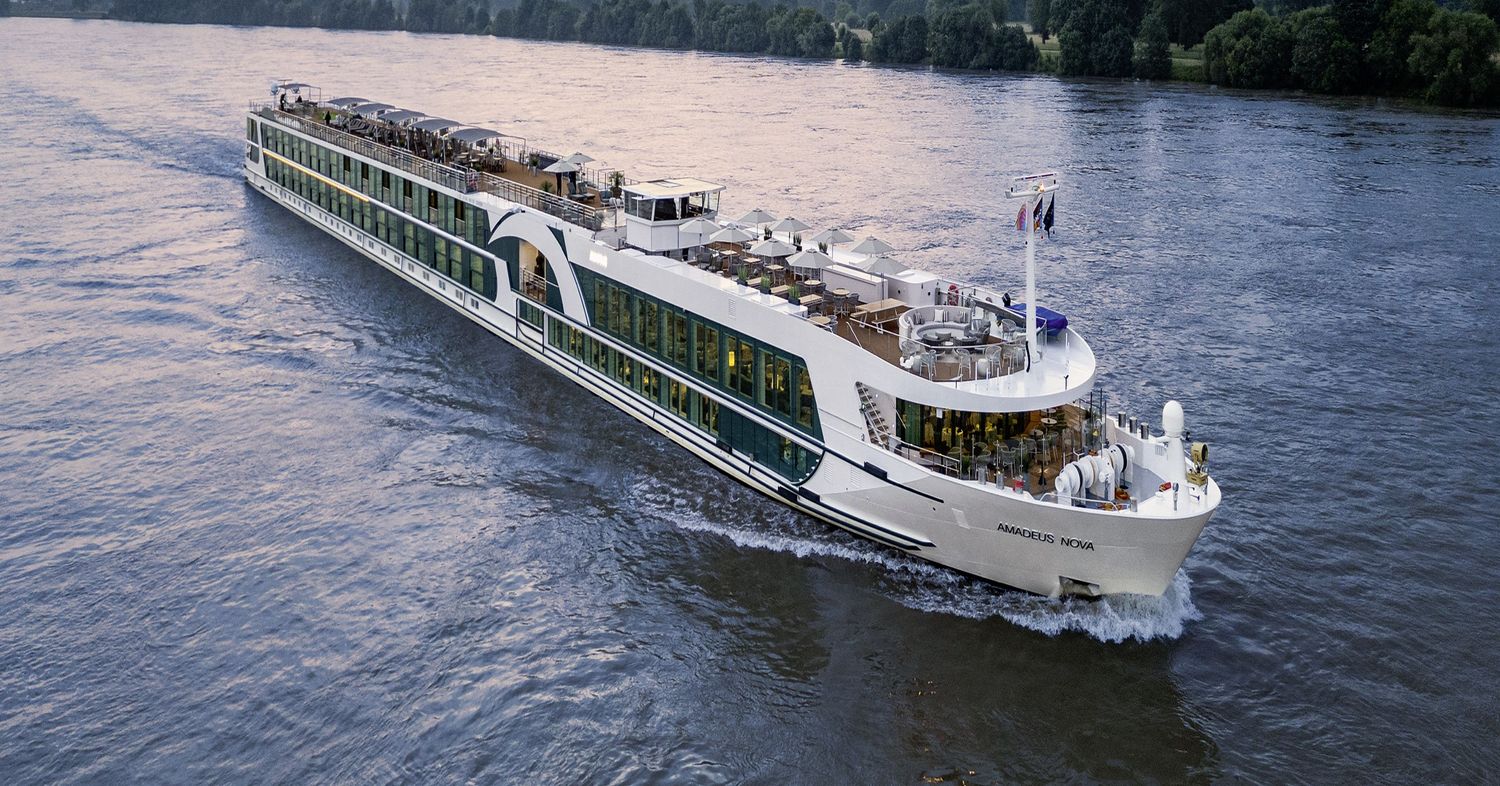
You’ve been dreaming about a European river cruise. You’ve earned it. But the moment you start researching, you hit the same wall: Rhine or Danube? Both rivers are spectacular. Both are marketed relentlessly. And both attract very different kinds of travelers. For Bay Area and San Jose residents flying from SFO or SJC, the stakes are higher—you’re adding 10+ hours of transatlantic travel, so getting this decision right matters. This guide cuts through the noise with hyper-specific comparisons to help you match your travel personality to the right river.
Europe’s most dramatic river cruise. Soaring medieval castles, vertical vineyard terraces, and fairy-tale villages compressed into one of the world’s most scenic stretches of water. The Rhine delivers intensity and visual payoff at every bend. 🏰 Castle Central · Wine Lover’s Dream
Danube River
Germany → Romania · 1,770 Miles
Europe’s most culturally diverse river cruise. Baroque imperial cities, Ottoman heritage, vibrant Christmas markets, and an ever-changing tapestry of Central Eastern European culture spanning 10 countries. 🏛️ Capital Cities · Cultural ImmersionSide-by-Side Comparison
Rhine vs. Danube: The Best European River Cruise Comparison for First-Time & Luxury Travelers
🔵 Rhine River
🟢 Danube River
Length Cruised
Typically 500–600 mi
Typically 1,000–1,700 mi
Countries
Switzerland, Germany, France, Netherlands
Germany, Austria, Slovakia, Hungary, Croatia, Serbia, Romania
History lovers, city explorers, multi-country collectors
Top-Rated Rhine Gorge vs. Danube Wachau Valley: Which Scenery Wins for Luxury Travelers?
Rhine Gorge: Europe’s Most Dramatic River Scenery
The UNESCO-listed Middle Rhine Gorge between Rüdesheim and Koblenz is the Rhine’s undisputed showstopper—arguably the most visually intense 65 kilometers of river scenery in Europe. Jagged cliffs rise vertically, crowned with medieval fortresses. Vineyards cascade at impossible angles. Half-timbered villages cling to riverbanks as if placed by hand. If you’re chasing the “postcards come to life” European experience, nothing on the continent competes with this stretch.
Marksburg Castle — the Rhine’s only unmodified medieval fortress
Wachau Valley: Austria’s Best River Scenery & Wine Country
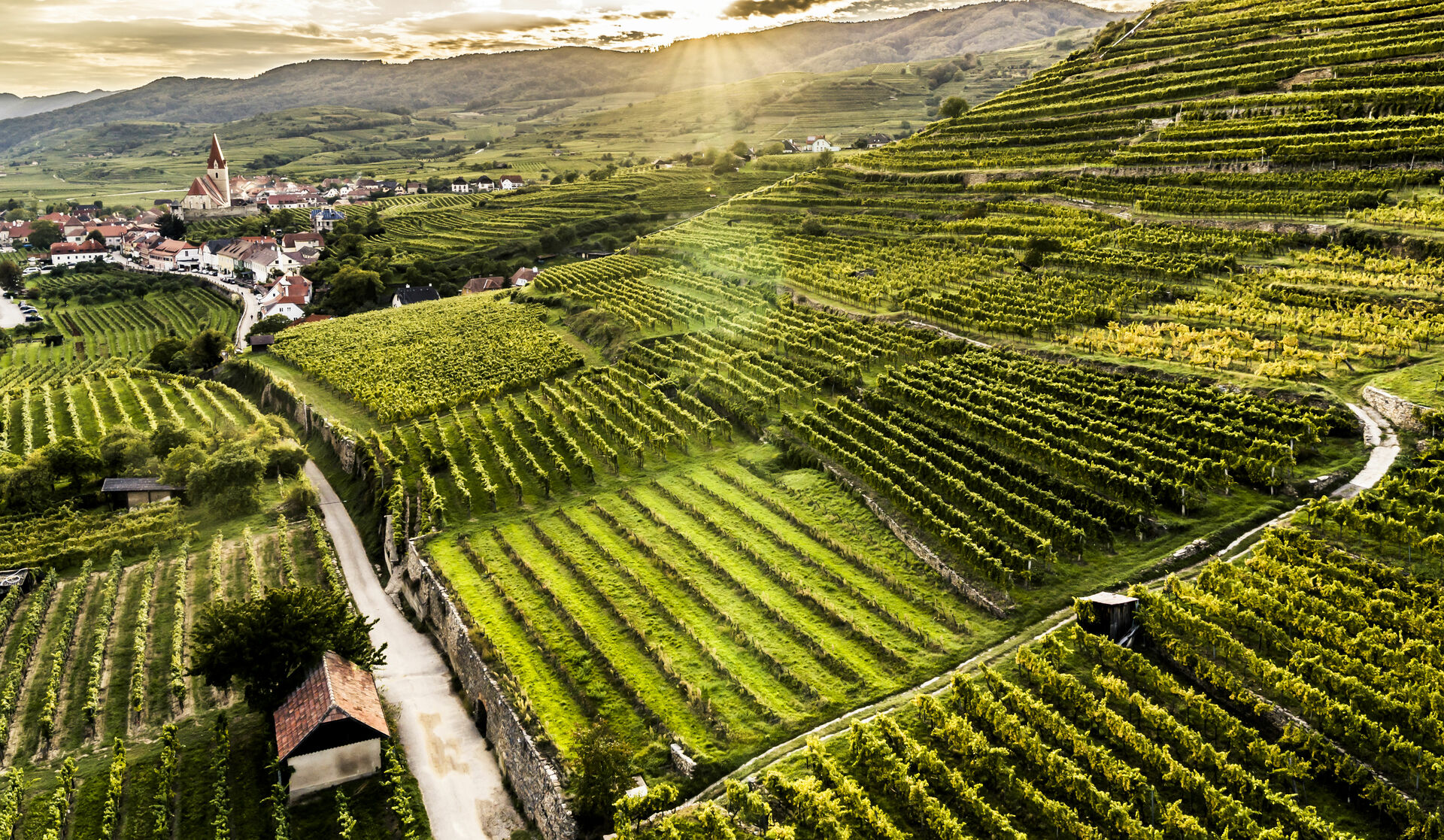
The Wachau Valley between Krems and Melk is the Danube’s most celebrated stretch—and rightfully so. Gentle rolling hills draped in apricot orchards and Grüner Veltliner vineyards surround baroque monasteries that have watched over this bend for eight centuries. The scenery is more pastoral and serene than the Rhine—romantic rather than dramatic. It rewards slow travellers who want to linger over lunch in a vine-covered courtyard.
Melk Abbey — one of the world’s finest baroque monasteries
Dürnstein ruins — where Richard the Lionheart was imprisoned
World-class Grüner Veltliner and Riesling wine estates
UNESCO World Heritage designation (entire valley)
Medieval Krems — Austria’s oldest inhabited town
Best Castle-Dense European River Cruise: Rhine vs. Danube for History Buffs From San Jose
Rhine River Castles: The Undisputed Champion
If medieval castles are your primary motivation, the Rhine is not even a debate. The Middle Rhine Gorge contains more intact castles per kilometer than any navigable river in the world. These aren’t reconstructed tourist facades—many are original medieval fortifications with moats, drawbridges, and dungeon towers still standing after 700+ years.
Rheinfels Castle (St. Goar) — Rhine’s largest medieval ruin
Marksburg Castle — only Rhine castle never destroyed
Pfalzgrafenstein Castle — toll castle built on a river island
Gutenfels, Sterrenberg, Liebenstein — the famous “hostile brothers” castles
Stahleck Castle (now a youth hostel) above Bacharach
Danube River Castles: Fewer But Culturally Richer
The Danube offers fewer raw castles than the Rhine, but what it lacks in density it compensates with narrative richness. The castles here aren’t just fortifications—they’re chapters of Central European history, connected to the Habsburgs, Crusaders, and Ottoman invasions. For travelers who want stories with their stones, the Danube delivers.
Hohenschwangau & Neuschwanstein — optional day trips from Passau area
Dürnstein Castle — where King Richard I of England was held for ransom
Devin Castle — Slovakia’s ancient Slavic fortress at Bratislava’s edge
Golubac Fortress — Serbia’s dramatic Iron Gates canyon ruin
Buda Castle — Budapest’s most iconic hilltop complex
Wine Regions
Best Wine-Focused European River Cruise for Bay Area Wine Lovers: Rhine Riesling vs. Danube Wine Trails
Rhine River Wine Regions: Germany’s Finest Riesling Country
The Rhine flows through the heart of German wine country, and for California wine lovers accustomed to Napa and Sonoma, the contrast is illuminating. Germany’s Rieslings—bone dry to lusciously sweet—are among the world’s most food-friendly wines, and you’ll taste them poured from estate bottles at waterfront Weinstuben that date back centuries.
Rheingau — home to some of Germany’s most prestigious Riesling estates
Rheinhessen — Germany’s largest wine region
Mosel (side trip) — the world’s steepest commercial vineyards
Alsace wine route — across from Strasbourg, all Pinot and Riesling
Vineyard hiking between cruise stops
Danube River Wine Regions: Austria, Hungary & Beyond
The Danube wine experience is broader and more eclectic. You’re tasting across multiple winemaking cultures in a single cruise—from Austria’s precise, mineral-driven Grüner Veltliner to Hungary’s historic Tokay dessert wines to Serbia’s emerging natural wine scene. For adventurous Bay Area wine drinkers already fluent in international varietals, this diversity is thrilling.
Wachau Valley — Austria’s top Riesling & Grüner Veltliner district
Tokaj wine region (Hungary) — UNESCO-listed, produces world-famous Aszú
Eger (Hungary) — home of “Bull’s Blood” red blends
Emerging Serbian and Romanian wine country for cruise extensions
Key Cities Visited
Best Cities on Rhine vs. Danube River Cruises: What Bay Area Travelers Should Know Before Booking
🔵 Top Rhine River Cities
Basel, SwitzerlandStarting point for most Rhine cruises. World-class art museums (Art Basel), gorgeous old town, gateway to the Black Forest.
Strasbourg, FranceHalf-French, half-German. Grande Île UNESCO old town, Europe’s most beautiful Christmas market, home of the European Parliament.
Cologne, GermanyHome of Germany’s most-visited cathedral. Vibrant Altstadt, world-famous Kölsch beer culture, excellent Roman history museum.
Amsterdam, NetherlandsThe Rhine’s grand finale. Canal-laced city, world-class museums (Rijksmuseum, Van Gogh, Anne Frank House), easy SFO connections.
🟢 Top Danube River Cities
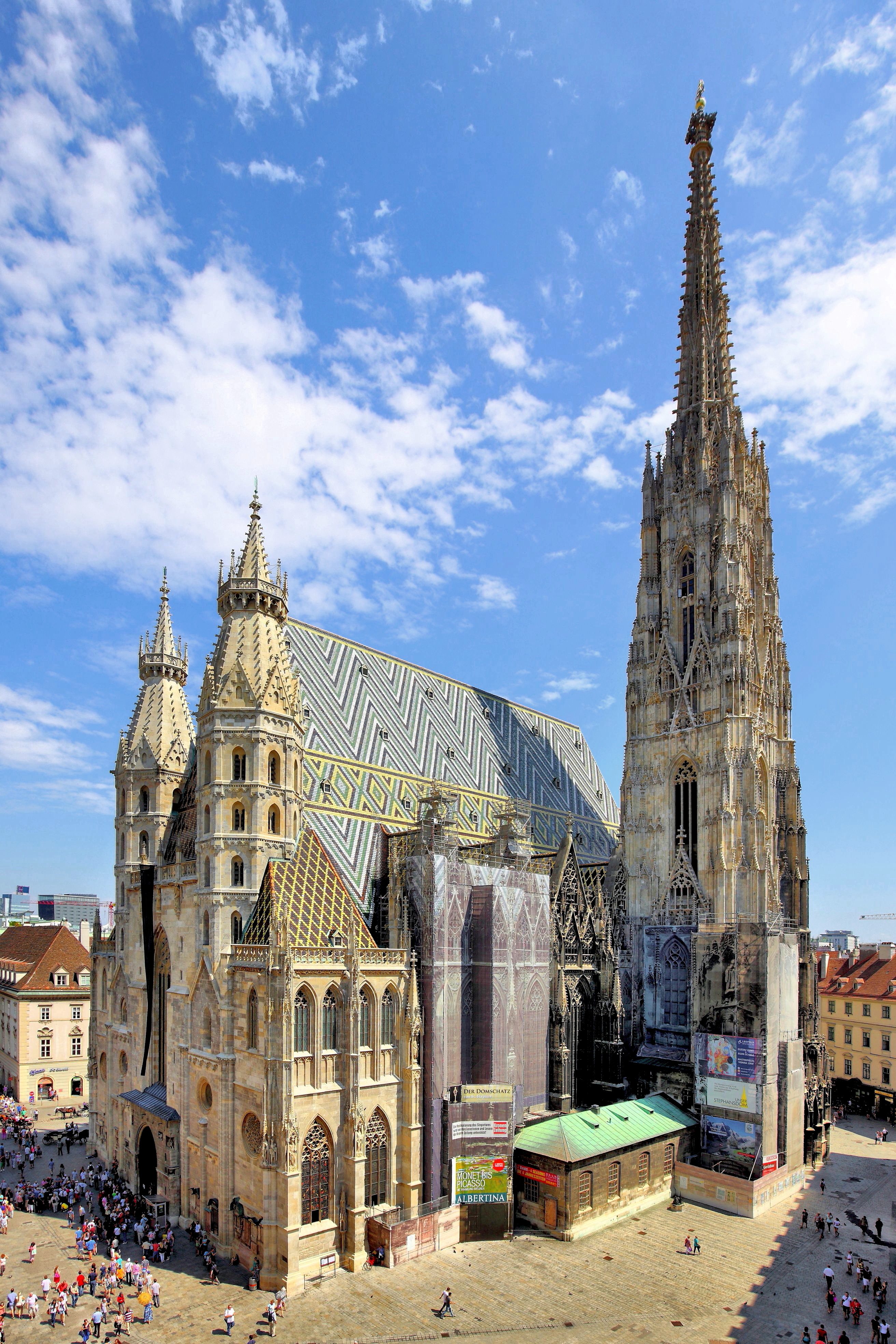
Vienna, AustriaThe Danube’s crown jewel. Imperial palaces, Klimt and Schiele in the Belvedere, world-class opera, legendary café culture. One of the most livable cities on Earth.
Budapest, HungaryEurope’s most underrated capital. Chain Bridge, thermal baths, ruin bars, stunning Parliament building. Bay Area tech travelers love its startup energy and affordability.
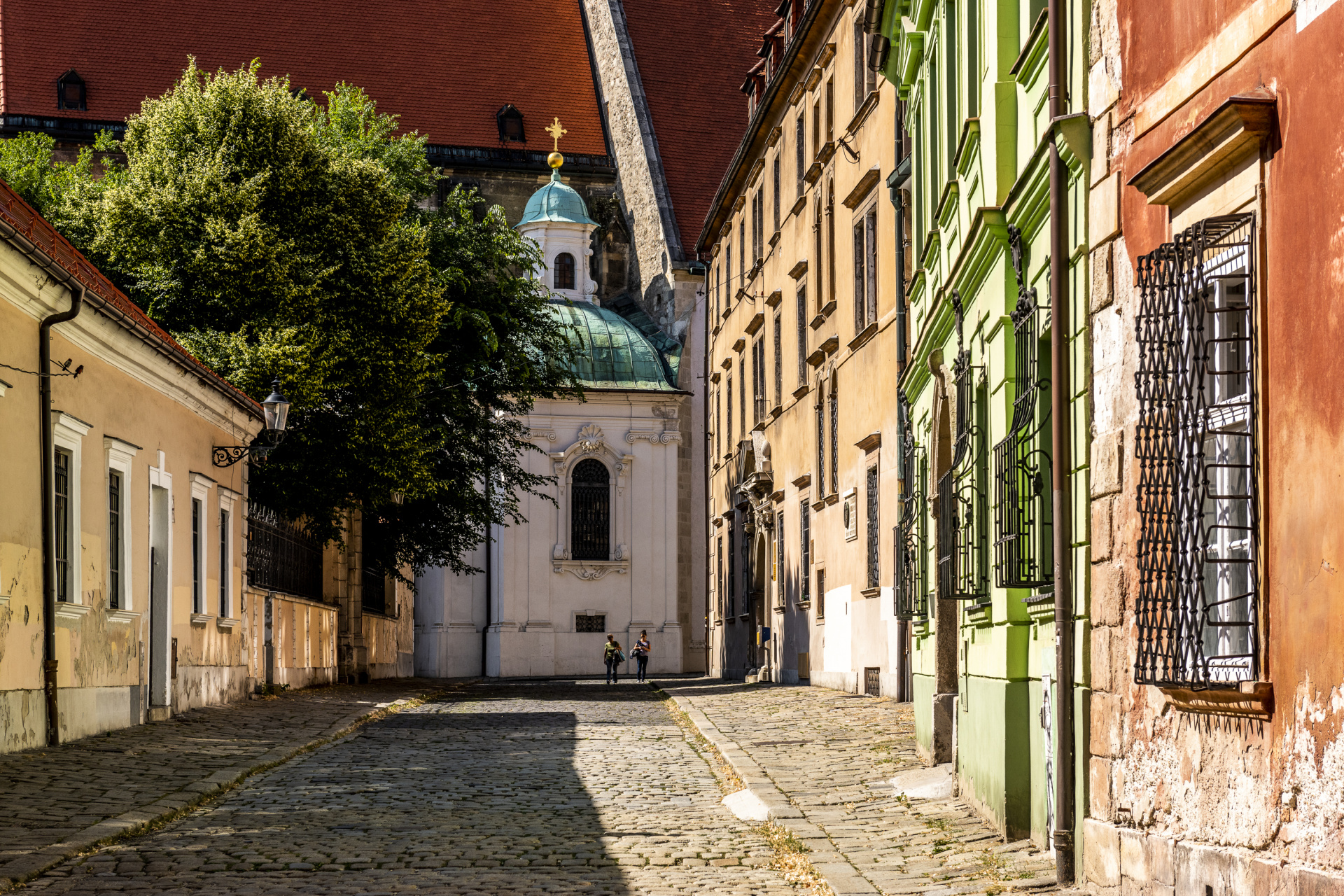
Bratislava, SlovakiaOften underestimated, Bratislava’s compact old town and hilltop castle reward slow exploration. Its relative affordability makes it a hidden gem stop.
Regensburg, GermanyOne of Germany’s best-preserved medieval cities and a UNESCO World Heritage Site. The Danube begins its most scenic stretch here.
Best Cultural River Cruise in Europe: Rhine vs. Danube for Intellectually Curious Bay Area Travelers
Rhine Cultural Highlights
The Rhine tells the story of medieval Europe—its power, its wars, its ecclesiastical grandeur, and its miraculous preservation. Every town along its banks is a living museum.
Cologne Cathedral — 632 years to build, a Gothic engineering marvel
Gutenberg Museum (Mainz) — where moveable type changed civilization
Strasbourg’s European Quarter — symbolic heart of post-war reconciliation
Basel’s Art Week — if timing aligns, one of the world’s top art fairs
Roman ruins at Xanten (often included as optional excursion)
Alsatian villages like Eguisheim & Riquewihr — picture-perfect timbered towns
Danube Cultural Highlights
The Danube has been the crossroads of empires—Roman, Ottoman, Habsburg, Soviet. Each city carries layers of history from competing civilizations, making it endlessly fascinating for curious travelers.
Vienna’s Kunsthistorisches Museum — one of the world’s greatest art collections
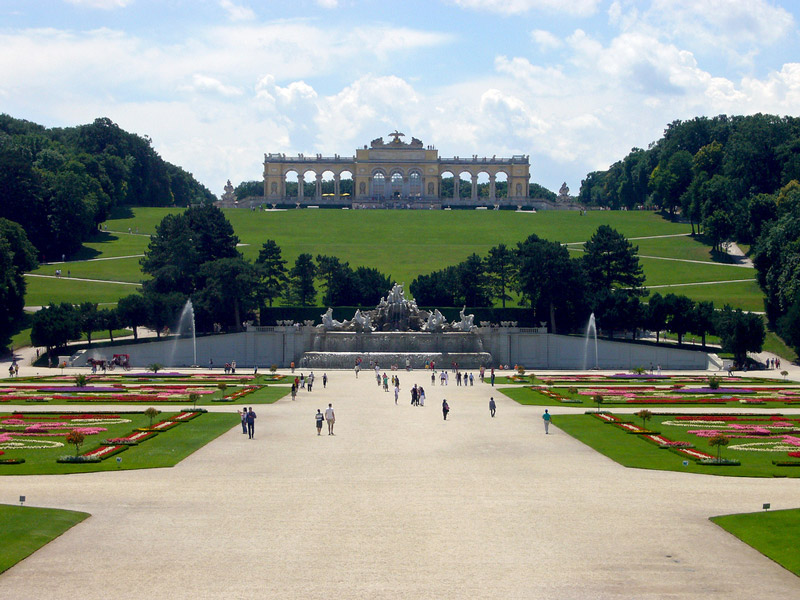
Schönbrunn Palace (Vienna) — 1,441 rooms of Habsburg imperial excess
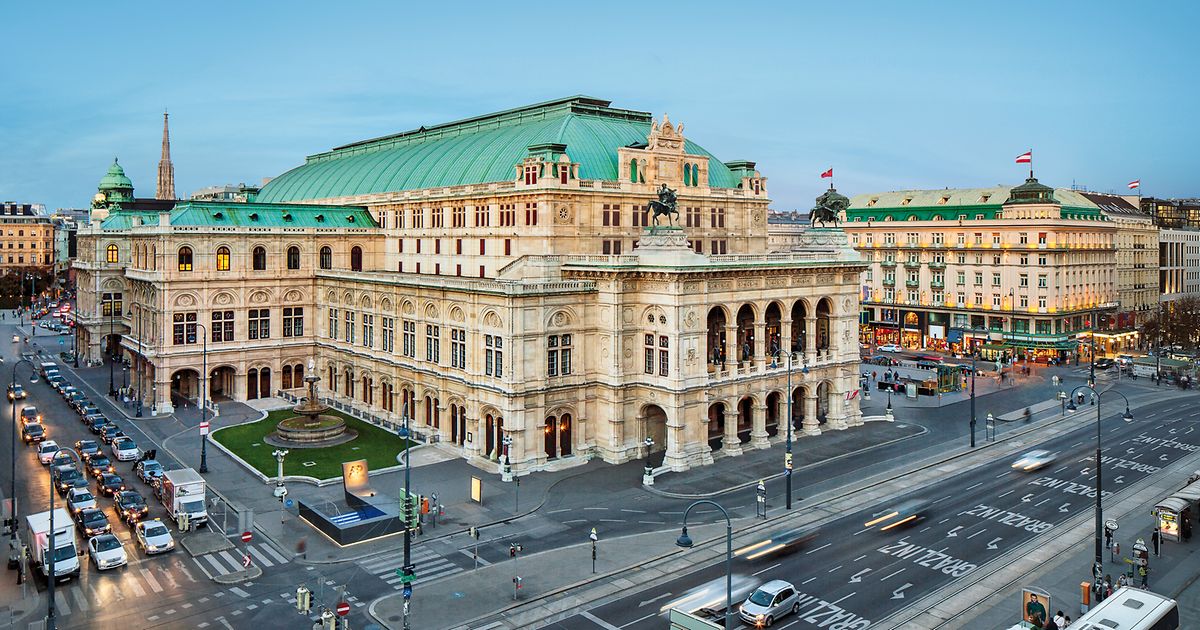
Budapest’s Hungarian State Opera — a gilded confection rivaling Vienna’s
Roman Carnuntum archaeological site (between Vienna & Bratislava)
Serbian Orthodox monasteries and Iron Gates canyon
Bucharest’s surreal communist-era Palace of the Parliament (Danube extensions)
The Bay Area Traveler’s Honest Truth
Most San Jose and Silicon Valley travelers we speak with initially ask for the Rhine—the castles are iconic and the imagery is unforgettable. But a significant number return to book the Danube for their second river cruise, drawn by the greater cultural depth and the magnetism of Vienna and Budapest. Both rivers are best-in-class. The question is simply: do you prioritize scenery or story?
Rhine vs. Danube River Cruise: Best Choice by Traveler Type, Style & Budget for San Jose Residents
The Castle-Obsessed History Buff
You’ve watched documentaries on medieval fortresses and already have Marksburg on your bucket list. The Middle Rhine Gorge will deliver more castle-per-hour than anywhere else on Earth. Danube Wins
The Capital Cities Collector
You want to tick off Vienna, Budapest, and Bratislava in one trip while exploring their distinct personalities. The Danube links three of Europe’s most rewarding cities within a week. Rhine Wins
The Wine-Focused Bay Area Traveler
You’re a Napa regular who wants to understand German Riesling in context. The Rhine flows through Germany’s finest wine regions—and side trips to Alsace and the Mosel are possible. Danube Wins
The Luxury Couple on First Big Europe Trip
Vienna and Budapest offer unparalleled luxury hotels, Michelin-starred restaurants, and classical music performances that extend your cruise experience into extraordinary pre/post stays. Rhine Wins
The Instagram & Photography Enthusiast
The Rhine Gorge’s combination of golden light, castle silhouettes, and vertical vineyard reflections is among the most photogenic river scenes in the world. Every hour on deck rewards. Danube Wins
The Retiring Couple Seeking Value
The Danube delivers significantly more destination variety per cruise dollar. Longer itineraries spanning multiple countries feel like much greater value, and Eastern European stops are dramatically cheaper on shore excursions. Either Works
The Christmas Market Seeker
Both rivers host top-rated Christmas markets. The Rhine’s Cologne and Strasbourg markets are legendary. The Danube’s Vienna and Budapest markets are equally spectacular with different atmospheres. Danube Wins
The Culturally Adventurous Solo Traveler
Solo travelers who want to go deeper than postcard scenery find the Danube’s cultural diversity—Habsburg, Ottoman, Soviet—endlessly layered and intellectually stimulating. Rhine Wins
The Active & Outdoorsy Bay Area Traveler
E-bike and hiking excursions are Rhine specialties. Cycling the Rhine Cycle Route between cruise stops, or hiking vineyard trails above Rüdesheim, appeals to the outdoorsy Silicon Valley mindset.Booking From the Bay Area
Best Way to Book a Rhine or Danube River Cruise From San Jose (SJC) or San Francisco (SFO): Practical Guide
Getting There From SFO/SJC
Most Bay Area travelers fly into Frankfurt (FRA) for Rhine cruises starting in Basel or Cologne — Lufthansa and United run direct routes. For the Danube, Munich (MUC) connects to Passau, while Vienna (VIE) offers spectacular pre-cruise options. Austrian Airlines and Lufthansa are the primary carriers, often bookable via Star Alliance miles. Budget 1–2 extra days in your gateway city before boarding.
Pro Tip: Book flights and cruise separately. Most cruise lines’ air packages depart from Los Angeles (LAX), which adds unnecessary complexity for Bay Area residents. Booking your own SFO or SJC flights gives you better routing and fare flexibility.
Top-Rated Luxury Cruise Lines for Both Rivers
🛳️ Scenic Luxury Cruises — Ultra-inclusive, butler service, both rivers
🛳️ Tauck River Cruising — Best for first-time river cruisers, excellent guides
🛳️ Viking River Cruises — Most popular overall, excellent educational programming
🛳️ Avalon Waterways — Open-air design, best value for luxury features
Rhine vs. Danube River Cruise FAQ: Top Questions From Bay Area Travelers Planning Their First European River Vacation
Is the Rhine or Danube better for first-time river cruisers from the Bay Area?
For first-timers, the Rhine is often recommended because its shorter distance and concentrated highlights offer a more manageable introduction. However, first-timers who prioritize great cities over scenery should lean Danube—Vienna and Budapest are among Europe’s most iconic destinations and provide an incredible first-time Europe experience on their own.
Which river has more castles—Rhine or Danube?
The Rhine is the clear winner for castles per kilometer, with over 40 medieval fortifications visible along a single 65km stretch of the Middle Rhine Gorge. If castle density is your primary criterion, the Rhine is categorically the better choice. The Danube has fewer but historically significant castles like Dürnstein and Buda Castle.
What’s the best time of year to do a Rhine or Danube cruise from San Jose?
May–June and September–October offer the best combination of pleasant weather, lower crowds, and peak scenery. The Danube also has a spectacular December run for Christmas markets (Vienna and Budapest both host world-class markets). Avoid peak July-August on both rivers—crowds are at their worst and prices peak.
Is the Rhine or Danube more expensive?
They’re comparable at base levels, but Danube cruises that extend into Eastern Europe (Serbia, Romania) can offer greater value because shore costs in those countries are dramatically lower than Western Europe. Luxury-for-luxury, budget around $5,000–$12,000 per person for a premium 8–10 day cruise on either river from a Bay Area starting budget.
Can I combine Rhine and Danube in one trip?
Yes — and this is increasingly popular with Bay Area travelers who have the vacation time. The most common combination is a Rhine cruise ending in Amsterdam, a train to Frankfurt, then flying to Vienna or Passau for a Danube cruise. Allow 3 weeks total. Some cruise lines offer back-to-back packages with a discount.
Which cruise line is best for solo Bay Area travelers on the Rhine or Danube?
Viking and Tauck are consistently rated highest for solo traveler experiences on both rivers. Viking eliminated solo supplements on select sailings, making it particularly attractive. AmaWaterways and Avalon also offer solo-friendly staterooms at competitive rates with active social programming.Our Verdict
The Bottom Line for Bay Area Travelers
Choose the Rhine if you want Europe’s most visually dramatic river experience: castles rising from river mist, vertical vineyards, and half-timbered villages that feel lifted from a Brothers Grimm story. It’s the better choice for photography, wine enthusiasts drawn to German Riesling, and active travelers who want to hike or bike between cruise stops.
Choose the Danube if you want depth over density: the cultural complexity of Vienna and Budapest, the layered history of Habsburg and Ottoman empires, and a longer cruise that spans multiple countries and feels like a true grand European journey. It offers more cities, more history, and often more value for the Bay Area traveler’s dollar.
Either river will be among the best trips of your life. The question is simply which version of Europe calls to you. Let’s start planning your voyage today!
If you’ve been Googling “which Hawaii island should I visit first from California” or “best Hawaii island for families flying out of SFO or SJC,” you’re in the right place. As a Hawaii travel specialist based in the Bay Area, I get this question every single week — and honestly, the answer is never one-size-fits-all.
Each island has a completely different personality, and the right choice depends on who you’re traveling with, what your travel style looks like, and how much time (and budget) you’re working with. Here’s my hyper-honest, experience-based breakdown — no fluff, just the real deal.
🌺 OAHU: Best Hawaii Island for First-Time Visitors & Families Flying from the Bay Area
Perfect for: First-timers, families with young kids, budget-conscious Bay Area travelers, history buffs, foodies, solo travelers who want to stay social
Direct flights from SJC/SFO: Yes — multiple daily direct flights, often the most affordable option from Northern California
Why Oahu Is the Top-Rated Hawaii Island for Bay Area Families
Oahu is the most accessible, most affordable, and most family-friendly of all four islands — and as a San Jose travel agent, it’s the island I recommend most often to families flying out of SJC or SFO for the first time.
Waikiki Beach is calm, protected, and walkable — ideal if you’re traveling with babies, toddlers, or young kids who need easy beach access without a car ride. The famous Kūhiō Beach breakwater creates sheltered, gentle water that’s hands-down the best swimming beach in Hawaii for young families.
Top experiences on Oahu that Bay Area travelers love:
Pearl Harbor & USS Arizona Memorial — a must for history-loving travelers from the Bay Area
Diamond Head Crater hike — the best beginner hike in Hawaii, doable with a 5-year-old
Honolulu Zoo & Waikiki Aquarium — walking distance from most Waikiki hotels
North Shore surf culture — a 45-minute drive for the best shrimp trucks and surf watching in the world
Farm-to-table Honolulu restaurant scene — Vietnamese, Japanese, Hawaiian fusion to rival anything in San Jose’s tech corridor food scene
Best Oahu hotels for Bay Area families:
The Twin Fin Hotel — best location for calm, baby-safe beach access
OUTRIGGER Waikiki Paradise Hotel — best for cultural experiences & newly renovated rooms
Aulani, A Disney Resort — best luxury family resort in Hawaii for kids aged 2–12
Best time to visit Oahu from the Bay Area: Year-round, but October–April for cooler temps and lower humidity. New Year’s Eve in Waikiki is spectacular — fireworks on the beach are a bucket-list experience.
Budget range (per night, 2025): $180–$450/night (mid-range); $400–$900/night (luxury)
💎 MAUI: Best Hawaii Island for Luxury Honeymoons & Couples from San Jose
Perfect for: Honeymooners, couples celebrating anniversaries, luxury travelers, whale watchers (Jan–March), snorkel enthusiasts, foodies who want the best fine dining in Hawaii
Direct flights from SFO/SJC: Yes — direct flights available, slightly pricier than Oahu
Why Maui Is the Top-Rated Luxury Hawaii Island for Northern California Couples
Maui consistently tops every “most romantic Hawaii island” list — and for good reason. The West Maui and South Maui coastlines are home to some of the most stunning resort corridors in the Pacific: Wailea and Ka’anapali Beach offer world-class luxury hotels, championship golf, and fine dining that competes with anything in Napa Valley or San Francisco.
For Bay Area couples who are used to elevated experiences — farm-to-table dining, boutique hotels, wellness retreats — Maui delivers in a way no other island does.
Top experiences on Maui that Bay Area travelers consistently rave about:
Road to Hana — the most spectacular scenic drive in the USA, full stop
Molokini Crater snorkeling — the best snorkeling experience in Hawaii, period
Haleakalā National Park sunrise — watching the sun rise above the clouds from 10,000 feet is otherworldly
Whale watching season (December–April) — Maui has the highest density of humpback whale sightings in the world; January is peak season, making it the best Hawaii island for New Year’s whale watching tours
Lahaina (rebuilding) & Kaanapali dining — some of the finest seafood and Hawaiian Regional Cuisine restaurants in the islands
Best Maui hotels for Bay Area luxury travelers:
Four Seasons Resort Maui at Wailea — the gold standard for luxury in Hawaii
Andaz Maui at Wailea Resort — best boutique luxury resort for style-conscious Bay Area travelers
Hyatt Regency Maui Resort — best top-rated Maui resort for couples who want great value luxury
Best time to visit Maui from the Bay Area: December–April for whale season and ideal weather. Book New Year’s travel at least 6 months in advance — availability disappears fast.
Budget range (per night, 2025): $300–$600/night (mid-range); $700–$2,000+/night (luxury)
🌿 KAUAI: Best Hawaii Island for Nature Lovers & Hikers from the Bay Area
Perfect for: Outdoor adventurers, hikers, couples who love secluded beaches, eco-travelers, photographers, wellness retreat seekers, “off-the-beaten-path” Bay Area travelers
Direct flights from SFO/SJC: Yes — direct flights available, though less frequent
Why Kauai Is the Best Hawaii Island for Bay Area Outdoor Enthusiasts
If you’re a Northern Californian who hikes Muir Woods on weekends, kayaks the Delta, or spends summers in the Sierras — Kauai is your Hawaii. Called the “Garden Isle,” Kauai is the oldest, most dramatic, and most naturally spectacular of all the Hawaiian Islands. It’s the island where movies like Jurassic Park, Raiders of the Lost Ark, and The Descendants were filmed — because nowhere on Earth looks quite like it.
Kauai is smaller and less developed than Oahu or Maui, which means it attracts a different kind of traveler: one who wants to wake up to birdsong, not pool music.
Top experiences on Kauai that Bay Area hikers & nature lovers adore:
Nā Pali Coast — the most dramatic coastline in the USA; best accessed by boat tour or the legendary Kalalau Trail (11 miles each way, permit required)
Waimea Canyon — nicknamed the “Grand Canyon of the Pacific,” it will genuinely take your breath away
Hanalei Bay — arguably the most beautiful bay in all of Hawaii; calm in summer, wild in winter
Kayaking the Wailua River — the only navigable river in Hawaii leads to a hidden waterfall
Tunnels Beach snorkeling — one of the best snorkel sites in Hawaii for experienced swimmers
Best Kauai hotels for Bay Area nature travelers:
1 Hotel Hanalei Bay — best eco-luxury resort in Hawaii for sustainability-minded Bay Area travelers
Grand Hyatt Kauai Resort & Spa — best top-rated resort on the South Shore with lagoon pools
Koloa Landing Resort — best family-friendly resort on Kauai’s Poipū coast
Best time to visit Kauai from the Bay Area: May–September for the North Shore (Hanalei); October–April for the South Shore (Poipū). Note: Kauai’s North Shore receives the most rainfall in the USA — that’s what makes it look the way it does, but plan your itinerary accordingly.
Budget range (per night, 2025): $250–$500/night (mid-range); $600–$1,500/night (luxury)
🌋 BIG ISLAND: Best Hawaii Island for Adventure Travelers & Volcano Chasers
Perfect for: Adventure seekers, astronomy enthusiasts, snorkelers who want to swim with manta rays, coffee aficionados, travelers who want to see active lava, first-timers who want “something different”
Direct flights from SFO/SJC: Yes — direct flights to both Hilo (HNL) and Kona (KOA) airports
Why the Big Island Is the Best Hawaii Island for Bay Area Adventure Travelers
The Big Island of Hawaii is mind-bending. It’s twice the size of all other Hawaiian Islands combined, and it contains 11 of the world’s 14 climate zones — you can literally go from a black sand beach to a snow-capped volcano summit in one day. For Bay Area tech travelers who have “done Maui twice” and want to see something genuinely jaw-dropping, the Big Island delivers every time.
Top experiences on the Big Island that Bay Area travelers won’t find anywhere else:
Hawaiʻi Volcanoes National Park — the only place in the USA where you can see active volcanic activity; Kīlauea has been erupting on and off since 1983
Manta ray night snorkel off Kona — swimming with giant manta rays under the stars is the single most unique ocean experience in Hawaii
Mauna Kea stargazing summit tour — at 13,796 feet, this is the best stargazing in the Northern Hemisphere; Bay Area astronomy nerds lose their minds up here
Punalu’u Black Sand Beach — swim alongside Hawaiian green sea turtles on a beach that looks like another planet
Kona coffee farm tours — the only commercially grown coffee in the USA; a must for the Bay Area coffee culture crowd
Best Big Island hotels for Bay Area adventure travelers:
Fairmont Orchid — best luxury resort on the Big Island’s Kohala Coast
Mauna Kea Beach Hotel — best top-rated classic luxury resort in Hawaii for a timeless experience
Volcano House — best unique Hawaii hotel; the only place to stay inside an active national park with crater views
Best time to visit the Big Island from the Bay Area: Year-round — the Kona (west) side is sunny and dry almost every day. December–February for best whale sightings off the coast.
Budget range (per night, 2025): $200–$400/night (mid-range); $500–$1,200/night (luxury)
🧭 Final Verdict: Which Hawaii Island Should Bay Area Travelers Choose?
Choose Oahu if: It’s your first time, you’re traveling with kids under 10, you want to maximize your dollar, or you’re flying for 5 days or less.
Choose Maui if: You’re on a honeymoon or romantic getaway, you want the best luxury resort experience in Hawaii, or you’re visiting January–March for whale season.
Choose Kauai if: You’re an outdoorsy Bay Area couple or solo traveler who wants dramatic scenery, hiking, and fewer crowds. It’s the most “unspoiled” island and the most Instagram-worthy.
Choose the Big Island if: You’ve been to Hawaii before and want something completely different, you’re an adventure traveler, science nerd, or foodie — or you just want to stand next to an active volcano.
Can’t decide? Consider a two-island itinerary. The most popular combo for Bay Area travelers is Oahu + Maui (for first-timers) or Maui + Kauai (for repeat visitors). I build custom two-island itineraries regularly — just reach out and I’ll put together an option that fits your budget and travel dates.
Ready to book your Hawaii trip from the Bay Area? I’m a Hawaii-specialist travel agent based in San Jose, and I work with all budgets — from value family vacations to ultra-luxury honeymoons. Get in touch for a personalized quote and insider itinerary.
Picture yourself waking to waves lapping the shore, ocean stretching out from your balcony. That’s everyday life at Hampton Inn & Suites Myrtle Beach Oceanfront, the perfect launchpad for your beach trip. Right on Myrtle Beach’s white sands, it mixes cozy rooms, easy access, and that salty coastal vibe—ideal for families, couples, or going solo.
Kick off mornings with a free hot breakfast to power beach runs or pool lounging. You’ve got outdoor pools, indoor ones, lazy rivers, a kids’ splash zone, and direct sand steps away. Grown-ups dig the on-site eats, pool bar, gym, and hot tubs. Pets welcome too, with suites packing microwaves, fridges, and balconies that feel like your own seaside perch.
Whether chasing sun, hitting Broadway at the Beach or The Market Common, or chilling with free WiFi and top-notch staff, this place feels like a hug from the sea. More than rooms—it’s your breezy beach reset.
Prime Beachfront Setting with 300 Feet of White Sand
The hotel sits directly on 300 feet of powdery white sand for instant beach access.
Direct Beach Access for Sunbathing and Water Activities
A quick path from your door drops you onto the sand. Sunbathe, build castles with kids, swim, or boogie board—guests love how effortless it feels. No hiking gear required; the shore’s practically in your room.
Ocean Views from Private Balconies with Rocking Chairs
Every balcony has rocking chairs framing endless ocean vistas. Sip coffee at dawn, watch sunsets, or just rock while waves roll in. It’s that simple serenity that hooks repeat visitors.
Proximity to Family Kingdom Amusement Park and Golf Courses
Family Kingdom’s rides and mini-golf sit a stroll away, alongside prime golf links. Mix lazy beach days with thrills or swings—easy for all ages, no car needed most times.
Convenient Airport Location and Local Attractions
Minutes from the airport, the hotel puts Myrtle Beach’s best spots at your doorstep.
Easy Airport Access with Complimentary Shuttle Service
Myrtle Beach International Airport is right nearby, with a free shuttle that picks you up smiling. Guests call it a breeze—no taxis, just straight to oceanfront ease.
Nearby Shopping and Dining at The Market Common and Broadway at the Beach
Drive minutes to The Market Common for boutiques and casual bites, or Broadway at the Beach for seafood, shops, and nightlife buzz. Fresh catch one night, ice cream the next—variety without the trek.
Walking Distance to Entertainment Venues Within Four Miles
Boardwalks, piers, fireworks, and parks cluster within four miles. Stroll out with the sea air, catch a show, or hit family rides—home base stays beachy the whole time.
Year-Round Pool and Water Amenities
Multiple pools and water features stay open all year for nonstop fun.
Nine Outdoor Pools with Heated Options During Winter Months
Nine outdoor pools mean space for everyone, several heated through winter. Swim under stars in December or lounge in July—weather never shuts down the splash.
Two Lazy Rivers and Children’s Water Play Areas
Float the two lazy rivers at your pace, while kids conquer the play zone with slides and sprayers. Parents relax nearby; it’s safe, shaded, and sized just right for little ones.
Hot Tubs and Jacuzzis for Relaxation
Sink into bubbling hot tubs post-beach. They melt away the day, bubbling right by pools—pure unwind, any season.
Accessibility Features for All Guests
ADA-compliant design ensures smooth access for every visitor.
ADA-compliant facilities and wheelchair accessibility
Roll-in showers, wide elevators, and accessible king rooms keep things barrier-free. Wheelchair paths flow everywhere, so you focus on fun, not obstacles.
Beach Wheelchairs Available for Sandy Access
Grab a beach wheelchair to roll right onto the sand. Feel waves lapping, build castles—ocean’s open to all, no tracks in the dunes.
Handicap Parking and Accessible Pool Areas
Prime handicap spots lead to pools with ramps, lifts, and nearby restrooms. Lazy rivers and tubs? All reachable, zero hassle.
Why Choose Hampton Inn & Suites Myrtle Beach Oceanfront for Your Perfect Beach Getaway?
Oceanfront spot, endless pools, free breakfast, and pet perks make it unbeatable for relaxed escapes.
Wake to waves from your balcony, fuel up on hot breakfast, then hit lazy rivers or the gym. Suites with bunk beds, kitchens, and views suit families; military and senior discounts sweeten it. On-site dining and friendly faces seal the deal—pure coastal comfort.
Need help planning? Chat with our travel agents. Ready? Book now—your beach bliss starts here.
Why Jamaica is a Must-Do – Sink your toes into powdery white sands, sway to reggae rhythms, and dive into sparkling turquoise waters. Jamaica feels like a warm paradise embrace, with memories as lingering as jerk chicken’s smoky scent.
From arrival, its vibrant spirit captivates. Climb the majestic Dunn’s River Falls, holding hands with new friends to conquer cascading terraces. Or unwind at the Blue Hole, jumping cliffs into electric-blue pools amid lush jungle—a private oasis.
Jamaica’s soul shines in its culture and adventures. Tour the Bob Marley Museum in Kingston for reggae history, or hike the misty Blue Mountains for stunning views and fresh coffee. Savor spicy jerk at roadside stands, spot crocodiles on Black River cruises, or relax under palms—every moment says “Irie.”
Its sunshine, smiles, and wonders recharge you. It’s the joyful adventure your heart craves.
Discover Iconic Waterfalls Like Dunn’s River Falls and Blue Hole
Jamaica’s waterfalls offer thrilling climbs and serene swims in nature’s playground.
Climb the Terraced Cascades of Dunn’s River Falls for an Unforgettable Adventure
This 600-foot wonder near Ocho Rios lets you scale smooth limestone terraces hand-in-hand with guides and fellow climbers. Laughter mixes with rushing water—wear grippy shoes for the accessible fun that builds instant bonds.
Jump into Turquoise Pools at the Jungle-Hidden Original Blue Hole
Near Ocho Rios, glowing turquoise pools invite rope swings, cliff jumps, and cavern swims amid jungle serenity. Fewer crowds mean it’s your spot for picnics and lazy floats under bird calls.
Explore Quieter Gems: Konoko Falls and YS Falls Picnic Spots
Konoko Falls provides gentle cascades, exotic gardens, and cozy swimming holes for relaxation. YS Falls in the south offers river tubing, ziplines, and palm-shaded picnics with that intimate Jamaican charm—perfect for families.
Experience Bioluminescent Magic at Luminous Lagoon
The Luminous Lagoon lights up swims with blue-green sparkles from dinoflagellates at night.
Swim in Glow-in-the-Dark Waters Teeming with Dinoflagellates
Glide through warm waters where every splash ignites a fairy-tale glow from millions of these microscopic organisms. It’s safe, gentle, and brightest on calm, moonless evenings—pure wonder.
Best Night Tours and Swimming Tips for Maximum Glow
Join dusk tours for peak luminescence, smaller groups, and guides’ insights. Skip lotions, stir gently for light trails, and end with rum punch. New moon visits amplify the magic under starry skies.
Immerse in Reggae Legends at Bob Marley Museum and Mausoleum
Reggae icons like Bob Marley live on through museums, mausoleums, and street parties.
Tour the Iconic Kingston Museum with Live Music Sessions
Marley’s former home and studio in Kingston brims with gold records and exhibits. Sway to live local reggae performances that capture Jamaica’s musical heartbeat.
Visit Nine Mile Mausoleum for Personal Stories and Mountain Views
In serene hills, his childhood home and resting place offers guides’ intimate tales amid panoramic mountain vistas and fresh air.
Join Dancehall Street Parties in Kingston for Authentic Vibes
Kingston’s street parties pulse with bass, locals, and energy—dance freely, share stories, and feel the island’s nightlife soul.
Uncover Historic Sites and Maroon Culture
Jamaica’s history blends colonial legends, freedom parks, and resilient Maroon heritage.
Haunted Tours of Rose Hall Great House and Colonial Legends
Rose Hall’s Georgian mansion near Montego Bay recounts the “White Witch” Annie Palmer’s tales of love and hauntings on evening tours—like a thrilling ghost story.
Explore Emancipation Park and Devon House Cultural Hubs
Emancipation Park in Kingston honors independence with sculptures and paths. Devon House, home of Jamaica’s first Black millionaire, delights with gardens and famous ice cream.
Connect with Maroon Communities for Authentic Heritage
Visit resilient Maroon villages for hikes, stories of escaped enslaved fighters, and cultural immersion—supporting locals on their terms while hiking Blue Mountains or mangroves.
Why Jamaica is a Must-Do in 2026
Jamaica thrives in 2026 with resilient recovery, expanded flights, and authentic experiences post-Hurricane Melissa.
Expect 80-98% pre-hurricane tourism by year-end, world-class resorts, and community tourism like farm-to-table dining and volunteering. Pristine beaches, reopened attractions, and five new resorts await, alongside Falmouth cruise port upgrades.
From Blue Hole jumps and Dunn’s River climbs to Blue Mountain hikes, Black River safaris, and rum cocktails, the island’s warmth endures. Festivals like Jamaica Blue Mountain Coffee Festival add rhythm. Contact me to plan your immersive escape—supporting Jamaica’s vibrant comeback.
Unlock 2026’s Top Adults-Only Luxury Escapes: Privacy Meets Pure Indulgence
Hey there, I’m your go-to travel agent at Vincent Vacations, and I’ve handpicked these incredible adults-only spots for 2026. Think serene hideaways where you and your partner can enjoy total privacy and tailor-made luxury—no kids, no fuss, just pure relaxation.
I’ve visited these places myself, so I know our Signature Travel Network perks make all the difference: early check-in to unwind sooner, onboard credits for extras, and private transfers for stress-free arrivals. 2026 is prime time for these escapes—let’s dive in.
? Quick Perks at a Glance
Perk
Standard
Vincent Vacations
Check-In
3 PM
Early 12 PM
Credit
None
$100+ Onboard
Transfers
Shared
Private Luxury
Guests always tell me these perks turn good trips into great ones.
“I’ve seen couples light up again in these spots—it’s real magic.”
From Maldives overwater bungalows to Santorini cliffsides, these getaways nail privacy and indulgence. Dreaming of one? I’ve got the connections.
Caribbean Adults-Only Luxury Havens for Ultimate Privacy and Relaxation
These Caribbean gems offer total privacy through secluded villas, private pools, and serene beaches tailored for couples in 2026. As your agent at Vincent Vacations, I add Signature perks like early check-in and private transfers to kick off your escape perfectly.
Amanyara, Turks and Caicos: Nature Reserve Villas with Daily Spa Indulgences
Amanyara provides secluded villas in a nature reserve with private plunge pools and daily complimentary spa treatments. I stayed here and loved how it blends into the landscape—direct beach access and turmeric massages make it a private paradise.
“Villas feel like a natural sanctuary where luxury and wilderness meet.”
Amanyara Highlights
Feature
Details
Standout Benefit
Villa Privacy
Nature reserve
Complete seclusion
Spa
Daily treatments
Daily rejuvenation
Beach
Private paths
Empty turquoise shores
Le Sereno, St. Barthélemy: Beachfront Infinity Pools and Personalized Butler Service
Le Sereno delivers beachfront suites with infinity pools and dedicated butlers for yoga setups or chilled rosé. My scouting trips confirmed it’s bliss—the pools blend into the sea, and butlers handle everything seamlessly.
? Insider Tip
Try the butler-led stargazing dinner; it’s romantically unforgettable.
Sandals Grande St. Lucian: Private Peninsula with 360-Degree Tropical Views and 5 Pools
Sandals claims a private peninsula with 360-degree views, five pools, and overwater bungalows featuring glass floors for marine views. I’ve sent many honeymoons here—unlimited gourmet dining shines, especially with our early check-in.
Actionable Tip: Booking Private Waterslide Adventures and Sea-View Suite Upgrades
Book via Vincent Vacations for private waterslides to hidden coves and sea-view upgrades. Spots for 2026 go quick—reach out today.
Booking Checklist:
Adults-Only ?
Signature Perks ?
Max Privacy ?
Pacific Island Adults-Only Retreats: Exclusive Fiji and Value Picks for 2026
These Pacific retreats ensure privacy with limited villas, plunge pools, and wellness focus for 2026 stays. I’ve explored them personally, and our Signature perks like early check-in amplify the luxury.
Royal Davui Island Resort, Fiji: 16 Villas on 10 Acres for Maximum Guest Privacy
Royal Davui limits to 16 villas across 10 acres, each with plunge pools and lagoon access. Guests love the spacing—you feel like you own the island.
“It’s your private kingdom; no crowds in sight.”
Grab our $100 credit for spa days. Here’s the villa breakdown:
Villa Options at Royal Davui
Type
Size
Highlight
Beachfront
1,200 sq ft
Private pool
Overwater
1,500 sq ft
Lagoon steps
Maui Private Oasis: Cliffside Suites with Indoor Bliss Spa and Seamless Transfers
This Maui spot caps at 40 guests with cliffside suites, infinity edges, and an on-site spa featuring lava rock showers. Ocean breezes and no crowds make it ideal—pair with our private transfers.
Why Choose Maui?
Spa couples’ massages are top-notch—I’ve tried them.
Royalton Chastain, Barbados: New All-Inclusive Opening with Wellness and Mobility Accessibility
Royalton Chastain opens 2026 as an all-inclusive wellness haven with yoga pavilions, infinity pools, and wheelchair paths. Unlimited dining and hydrotherapy suit active couples—our credits cover upgrades.
Actionable Insight: Pairing Snorkeling in Beqa Lagoon with In-Villa Fitness Sessions
Combine Beqa Lagoon snorkeling (sharks, rays) with in-villa trainers for romance and adventure. Here’s a sample flow:
3-Day Itinerary:
Day 1: Private transfer, early check-in
Day 2: Snorkel, in-villa yoga
Day 3: Spa with credit
Hit me up at Vincent Vacations to customize yours.
Emerging 2026 Openings: Adults-Only Wellness and Cliffside Luxury Destinations
These 2026 newcomers redefine adults-only luxury with wellness, privacy, and stunning designs. As your Vincent Vacations agent, I secure Signature perks to enhance them.
Luura Paros Cliff offers minimalist suites with private terraces for sunset yoga and infinity pools merging into the Aegean. Holistic spa uses local botanicals; farm-to-table dining adds flavor—start early with our check-in perk.
Jayasom Wellness Resort, AMAALA Red Sea: Adults-Only Area with Six Pillars of Holistic Health
Jayasom builds on six health pillars—vitality, clarity, balance, nutrition, movement, restoration—in beachfront villas and clifftop retreats. Enjoy aquatic therapy and sleep programs; our private transfers ease arrival.
Pillar
Jayasom Feature
Nutrition
Custom organic Red Sea meals
Movement
Hiking, ocean classes
Restoration
Circadian spa rituals
Siari Riviera Nayarit, Ritz-Carlton Reserve: Huichol-Inspired Privacy on Protected Coastline
Siari Riviera Nayarit draws from Huichol culture for private villas on a protected coast, blending indigenous art with modern luxury like personal butlers and cultural immersions. Overwater options and marine activities await—credits apply to signature experiences.
Luxury All-Inclusive Adults-Only Trends: Best for Couples, Budget, and Exclusivity in 2026
These all-inclusives trend toward couples’ romance, wellness, and value with perks like butlers and unlimited dining. I book them through Vincent Vacations for added Signature upgrades.
Excellence Coral features swim-up suites with pool access from your room, plus in-suite Pelotons and yoga mats. All-inclusive from $450/night includes premium drinks—perfect budget luxury I’ve tested.
Necker Island, British Virgin Islands: Exclusive Private Cove for Unmatched Freedom
Necker lets you rent the whole 74-acre island for ultimate privacy, with a private cove for snorkeling and chef meals. Premium at $6,000/night, but our perks add huge value.
Meliá immerses you in tropical wellness with adults-only pools and hydrotherapy amid palms. Overwater bungalows and our early check-in create instant serenity.
Booking Hack: Combining Cooking Classes, Paddle-Boarding, and Tailored Bar Experiences
Mix ceviche classes, cove paddle-boarding, and mixology for custom fun. Contact me to bundle with transfers and credits—2026 books fast.
Why Choose Vincent Vacations for Your 2026 Escape?
Vincent Vacations stands out with firsthand scouting, insider access, and Signature perks that deliver real upgrades like early check-in and private transfers.
Comparing Our Exclusive Perks
Our Benefits vs. Standard
Feature
Vincent Vacations
Standard
Early Check-In
Guaranteed
Maybe
Onboard Credit
$100–$500
Rare
Transfers
Luxury private
Shared
“Your team opened doors to true luxury and privacy we couldn’t find elsewhere.”
If you’ve ever searched “how to get to Tahiti from San Francisco” or “is French Polynesia worth it for a Bay Area couple on a honeymoon budget,” you’re already closer to paradise than you think. The good news? Tahiti and the islands of French Polynesia are one of the most accessible tropical destinations from the Bay Area — with direct flights that make this dream trip far more realistic than most people realize.
Whether you’re a San Jose couple planning a luxury honeymoon, a Silicon Valley family looking for the best all-inclusive resort in French Polynesia, or a solo traveler from Oakland wondering where to start, this guide covers everything you need to know.
The best news for Bay Area travelers is that San Francisco International Airport (SFO) is one of the only U.S. airports with direct, nonstop service to Tahiti’s Faa’a International Airport (PPT) in Papeete. Air Tahiti Nui operates this route regularly, with flight times averaging around 8 to 9 hours — meaning you can leave San Francisco in the evening and wake up in paradise.
For travelers searching “best airline to fly from SFO to Tahiti” or “most comfortable long-haul flight to French Polynesia from California,” Air Tahiti Nui is the top-rated choice, offering Poerava Business Class seats that convert to fully flat beds — ideal for arriving well-rested and ready to explore. French Bee also offers a budget-friendly alternative from SFO for travelers Googling “cheapest flights from San Francisco to Tahiti.”
Pro Tip: The best time to book flights from the Bay Area to Tahiti is 4 to 6 months in advance, especially for summer travel. Business class seats on the SFO-PPT route sell out early. As a travel agent, I can monitor fare drops and hold seats while you finalize your itinerary.
Best Islands to Visit in French Polynesia for Bay Area Travelers: Tahiti vs. Bora Bora vs. Moorea vs. the Tuamotus
Best for: First-time visitors from the Bay Area searching “which French Polynesia island should I visit first” or “Tahiti vs. Bora Bora — which is better for a honeymoon”
French Polynesia isn’t just one island — it’s an archipelago of 118 islands spread across five island groups, each offering a completely different experience. Here’s how to decide which islands are right for your travel style:
Tahiti is your gateway. Most Bay Area travelers fly into Papeete and spend a night or two exploring the island’s black sand beaches, waterfalls, and vibrant local food scene before island-hopping onward. Searches like “best things to do in Papeete for a day” and “top-rated restaurants in Tahiti for foodies” point here — it’s not just a layover, it’s an experience in its own right.
Bora Bora is the crown jewel and the answer to nearly every search for “most romantic island in French Polynesia” or “best luxury overwater bungalow destination in the South Pacific.” It’s the island that defines the postcard — Mount Otemanu rising above a perfect turquoise lagoon, surrounded by the world’s most celebrated overwater resorts. Ideal for honeymooners and luxury couples from the Bay Area who want the ultimate splurge.
Moorea is what travelers find when they search “best affordable alternative to Bora Bora in French Polynesia” or “top-rated island in Tahiti for adventure travelers.” Just a 30-minute ferry from Papeete, Moorea offers dramatic mountain scenery, world-class snorkeling with sharks and rays, and a more laid-back, authentic Polynesian feel at a fraction of Bora Bora’s price point.
The Tuamotu Atolls — particularly Rangiroa and Fakarava — are what divers and water sports enthusiasts find when searching “best scuba diving destination in French Polynesia” or “top-rated atoll for drift diving in the South Pacific.” Remote, raw, and extraordinary, these islands are for Bay Area adventurers who want something truly off the beaten path.
Pro Tip: The most popular itinerary for Bay Area travelers is a 10 to 14-day trip combining Tahiti (1-2 nights), Moorea (2-3 nights), and Bora Bora (4-5 nights). When you work with me, I can book your inter-island Air Tahiti flights as a package, which is almost always cheaper than booking each leg separately.
Best Luxury Resorts in French Polynesia for Bay Area Travelers: Top-Rated Overwater Bungalows & All-Inclusive Stays
Best for: Silicon Valley couples, Bay Area honeymooners, and families searching “best overwater bungalow resort in French Polynesia” or “top luxury hotel in Tahiti worth the splurge”
Travel Style: Luxury, romantic, bucket-list
Bay Area travelers are no strangers to high expectations — and French Polynesia’s top resorts deliver. Here are the best options by island:
On Bora Bora, the Four Seasons, St. Regis, and InterContinental Thalasso Spa are consistently the top-rated luxury resorts for overwater villa experiences, butler service, and world-class spa offerings. These properties answer searches like “best overwater bungalow in Bora Bora with private pool” and “most romantic resort in French Polynesia for a honeymoon.”
On Moorea, the Hilton Moorea Lagoon Resort & Spa and the Intercontinental Moorea Resort & Spa are top-rated picks for travelers searching “best affordable overwater bungalow in French Polynesia” or “luxury resort in Moorea with mountain and lagoon views.” You get the iconic overwater experience at a noticeably lower price point than Bora Bora.
On Tahiti itself, the InterContinental Tahiti Resort & Spa is the go-to answer for “best luxury hotel in Papeete with lagoon views” — a stunning property ideal for a first or last night before or after your island-hopping adventure.
Best Time of Year for Bay Area Travelers to Visit French Polynesia: Weather, Crowds & Value
Best for: Bay Area families and couples searching “best month to visit Tahiti from California” or “what is the weather like in Bora Bora in summer”
Travel Style: Weather-conscious, value-driven, family travel planning
French Polynesia enjoys warm, tropical weather year-round, but there are two distinct seasons Bay Area travelers should know about:
The dry season (May through October) is widely considered the best time to visit French Polynesia, with lower humidity, minimal rainfall, and ideal conditions for snorkeling, diving, and outdoor adventures. This aligns perfectly with Bay Area summer travel, making June through August the most popular — and most competitive — booking window. Searches like “best time to visit Bora Bora for good weather” and “when to book French Polynesia for summer vacation from San Francisco” consistently point to this window.
The wet season (November through April) brings more rainfall and humidity but also lower resort rates, fewer tourists, and lush, vibrant landscapes. For Bay Area travelers asking “when is the cheapest time to visit Tahiti” or “best value French Polynesia vacation from SFO,” traveling in November or early December can offer significant savings without dramatically impacting your experience.
Pro Tip: If you’re flexible on dates, shoulder season — May and October — offers the sweet spot of great weather, fewer crowds, and more competitive pricing on flights and resorts alike.
How Much Does a Luxury French Polynesia Vacation Cost from the Bay Area? Budgeting for Your Dream Trip
Best for: Bay Area travelers searching “how much does a Bora Bora vacation cost” or “is French Polynesia affordable for a couple from California”
This is one of the most searched questions by Bay Area travelers, and the answer depends entirely on your travel style. Here’s a realistic breakdown:
A mid-range overwater bungalow experience — think Moorea or Tahiti with a solid resort, inter-island flights, and daily dining — typically runs $5,000 to $8,000 per couple for 10 nights when booked smart.
A luxury Bora Bora-focused itinerary at a top-rated property like the Four Seasons or St. Regis, with flights, inter-island transfers, and dining, typically ranges from $12,000 to $20,000 or more per couple, depending on villa category and travel dates.
For Bay Area families searching “how much does a family trip to French Polynesia cost” — budget for larger villa categories, additional inter-island seats, and kids’ activity packages, which can bring totals to $15,000 to $25,000 for a family of four at a premium resort.
Pro Tip: Working with a travel agent who specializes in French Polynesia can save you more than you’d expect. From package pricing on resort + flights to exclusive amenities and room upgrades, the value a specialist brings often far outweighs any perceived cost.
Ready to Book Your Bay Area to Tahiti Dream Trip? Here’s Why Now Is the Time
Whether you’re a San Francisco couple searching for the most romantic overwater bungalow in Bora Bora, a Bay Area family looking for the best French Polynesia resort for kids, or a first-time visitor from Silicon Valley wondering where to even start — the most important step is simply this: start planning now.
French Polynesia’s top resorts, best overwater bungalows, and premium Air Tahiti Nui business class seats don’t wait. The travelers who get the best experiences are the ones who plan early and work with someone who knows these islands inside and out.
That’s exactly what I do. As your travel agent, I specialize in crafting custom French Polynesia itineraries for Bay Area travelers — handling flights, island sequencing, resort bookings, inter-island transfers, and all the details in between. You focus on dreaming. I’ll handle the rest.
Contact me today and let’s start building your perfect Bay Area to Tahiti itinerary.
If you’ve ever typed “best overwater bungalow resorts in Bora Bora for couples” or “is Bora Bora worth it for a honeymoon” into Google, you’ve already started dreaming — and you’re in the right place. Bora Bora, nestled in French Polynesia, is consistently ranked as one of the most breathtaking destinations on earth. Turquoise lagoons, dramatic volcanic peaks, and world-class luxury resorts make it the ultimate getaway for honeymooners, romantic couples, and families seeking a once-in-a-lifetime experience.
But with so many options, how do you choose the right resort? Here’s a breakdown of the top 3 luxury resorts in Bora Bora, each tailored to a different traveler type and travel style.
When couples search “best overwater bungalow hotel in Bora Bora for a honeymoon” or “top-rated luxury resort in Bora Bora with a private pool,” the Four Seasons consistently rises to the top — and for good reason. Perched over the shimmering lagoon on the quiet eastern side of the island, the Four Seasons Resort Bora Bora is widely regarded as the gold standard in overwater luxury.
With 188 overwater and beach bungalows — many featuring private plunge pools and direct lagoon access — every detail here is designed with romance in mind. The award-winning Spa Tara offers couples’ treatments with uninterrupted lagoon views, while in-villa dining experiences let you enjoy a private sunset dinner right on your overwater deck. And when you step off that deck? You’re snorkeling directly above vibrant coral gardens teeming with tropical fish.
Pro Tip: Book the Lagoon Bungalow with Pool for the most private, romantic experience. I can often secure honeymoon perks like complimentary room upgrades and romantic turndown service that you won’t find booking on your own.
2. InterContinental Bora Bora Resort & Thalasso Spa — Best Overwater Resort for Wellness-Focused Couples Seeking Luxury at Better Value
Best for: Wellness-focused couples, spa enthusiasts, travelers searching for the best value luxury resort in Bora Bora
Travelers who search “best spa resort in Bora Bora for couples” or “top-rated overwater resort with thalassotherapy in French Polynesia” will inevitably land here. The InterContinental Bora Bora Resort & Thalasso Spa has built a global reputation around one completely unique feature: the world’s first deep-ocean seawater spa, using water pumped from 900 meters below the surface for therapeutic treatments found nowhere else in the Pacific.
All 140 overwater bungalows offer direct lagoon access, and many feature glass floors so you can watch marine life gliding beneath you from the comfort of your living room. Multiple on-site dining venues serve everything from fine French Polynesian cuisine to casual beachside meals. And compared to its ultra-luxury competitors, the InterContinental generally offers more accessible pricing — making it the top answer for travelers Googling “most affordable luxury overwater resort in Bora Bora.”
Pro Tip: Pair your stay with a spa package for a true wellness retreat experience. I can often bundle spa credits directly into your booking for added value you won’t find online.
3. St. Regis Bora Bora Resort — Best Luxury Family Resort in Bora Bora with Overwater Villas & 24-Hour Butler Service
Best for: Luxury families, multi-generational travelers, anyone searching “best Bora Bora resort with butler service”
For those who Google “best luxury family resort in Bora Bora” or “top overwater villa resort in French Polynesia with butler service,” the St. Regis delivers an unmatched level of personalized, white-glove experience. It’s the only resort in Bora Bora offering the brand’s legendary 24-hour St. Regis Butler Service — meaning every request, every detail, every craving is handled before you even have to ask.
The expansive overwater and beach villas offer multiple bedrooms, making them ideal for families or groups who find standard bungalows too small. The resort also sits on the largest private lagoon of any property in Bora Bora, giving families plenty of calm, safe water for kayaking, paddleboarding, and snorkeling. Top it off with Te Pahu, one of the most celebrated fine dining restaurants on the island, and you have a resort that truly does it all.
Pro Tip: The Overwater Villa with Pool is the most sought-after accommodation on the property and books up months in advance — especially for summer travel. This is exactly where having me as your travel agent in your corner makes all the difference.
Ready to Book Your Dream Bora Bora Vacation? Don’t Wait.
Whether you’re a honeymooner searching for the most romantic overwater bungalow in French Polynesia, a couple looking for the best spa resort in Bora Bora, or a family seeking a luxury resort with space and butler service — the one thing all three have in common is that they book up fast.
The best overwater bungalows and premium villa categories are claimed months in advance by travelers who know the secret: working with a travel agent who specializes in luxury destination travel. I handle every detail — from selecting the right resort for your travel style to securing the best available rates and room categories — so all you have to do is show up to paradise.
Reach out today and let’s start planning your perfect Bora Bora getaway.
Wake up to howler monkeys echoing through the misty rainforest, then spend your day ziplining over treetops and rafting wild rivers. Costa Rica, the adventure capital of the Americas, draws active travelers with its jungles, volcanoes, and beaches—your perfect next getaway.
Zip through Monteverde or Arenal’s emerald canopies, conquer Pacuare River rapids, or hike to La Fortuna Waterfall for a cool swim. Kayak Lake Arenal under the volcano’s shadow, or relax in hot springs after canyoning. Along the way, spot sloths and toucans, surf Tamarindo’s waves, or bike rolling hills. It’s adrenaline mixed with pura vida joy, complete with warm smiles and lasting memories.
Canopy and Aerial Adventures
Costa Rica’s canopy adventures let you soar above lush rainforests on ziplines and bridges, blending thrill with stunning views.
Ziplining Through Rainforest Canopies
Strap in and zip across cables high above misty treetops, birds flitting below, waterfalls crashing in the distance. From family-friendly lines to superman swings and Tarzan leaps, ziplining suits all levels in this biodiversity hotspot. You’ll feel like part of the jungle, heart racing, grin plastered on your face.
Hanging Bridges and Canopy Tours
Cross swaying bridges in the cloud forest, spotting toucans, monkeys, and orchids up close. Tours like Mistico Arenal mix leisurely walks with volcano and river vistas—a calmer thrill that still quickens the pulse.
Best Locations: Monteverde, Arenal, and Guanacaste
Monteverde’s cloud forests shine at Selvatura Park and 100% Aventura with cool mists and endless green. Arenal’s Sky Adventures pair volcano views with hot springs nearby. Guanacaste’s Diamante Eco Adventure Park or Guachipelin add beach vibes to rainforest zips, all with expert guides and that signature Costa Rican hospitality.
Water-Based Adventure Activities
Costa Rica’s rivers, coasts, and waterfalls offer rafting, kayaking, and surfing amid pristine nature.
White Water Rafting on Major River Systems
Rivers like Pacuare, Reventazón, Savegre, Naranjo, and El General deliver Class II-V rapids through rainforest canyons. Beginners tackle gentle Savegre waves near Manuel Antonio; experts chase Pacuare’s world-class thrills. Family floats build bonds with epic scenery—gear up with a guide and dive in.
Kayaking and Stand-Up Paddleboarding
Paddle Manuel Antonio’s coast to secret beaches like Biesanz, or SUP Lake Arenal with the volcano looming. Rent gear easily, explore mangroves, or join tours with snorkeling. It’s a chill way to meet wildlife and chase sunsets.
Waterfall Canyoning and Rappelling
Rappel sheer waterfalls into jungle pools, sliding and jumping through steamy canyons like those near La Fortuna. Guided trips mix climbing and swims for safe, up-close waterfall magic.
Surfing and Coastal Water Sports
Surf pro breaks or learn on beginner waves along 763 miles of coast. Add catamaran sails with dolphins, snorkeling, parasailing, or tubing—pure tropical fun from Manuel Antonio to Tamarindo.
Land-Based Exploration and Hiking
Hike volcanoes, waterfalls, and cloud forests to uncover Costa Rica’s rugged beauty and wildlife.
Volcano Trekking and Lava Field Hikes
Trek Arenal’s 1968 Lava Field trail for volcano panoramas, or explore Rincon de la Vieja with bridges and hot springs. Guides share the fiery history on these rugged paths.
Waterfall Hikes and Natural Pools
Hike to La Fortuna’s 200-foot plunge for a swim, or find La Leona’s waterslides and El Salto’s rope swing. These spots turn trails into natural playgrounds.
Cloud Forest and National Park Trails
Monteverde’s misty paths at Mistico or Selvatura reveal wildlife via hanging bridges. Manuel Antonio mixes beaches and monkeys; Rincon de la Vieja adds hot springs and ziplines. Perfect for immersive biodiversity hikes.
Multi-Activity Adventure Packages and Day Trips
Combo packages bundle ziplining, rafting, hiking, and more for seamless, all-in-one adventures.
All-Inclusive Adventure Day Passes
Full-day passes from San José or Arenal mix ziplines, Pacuare rafting, and hot springs with meals and transfers—around $170 for hassle-free fun. Contact a travel agent to customize.
Combination Tours and Combo Experiences
Merge rafting, biking, kayaking, rappelling, and bridges into multi-day trips like 8-9 day packages from $2,999 across volcanoes and beaches. Everything’s arranged for maximum adventure.
Budget-Friendly Free and Low-Cost Activities
Hike La Fortuna or Chirripó trails (permit for the latter), free hot springs, or cheap national park days under $100. Kayak calm rivers or explore Manuel Antonio on a dime—nature’s best doesn’t cost much.
Ready to Embrace Pura Vida?
Costa Rica calls with ziplines over Monteverde, Pacuare rafting, and La Fortuna hikes.
Surf Tamarindo, SUP Arenal, or soak in hot springs—every day blends thrill and relaxation in pure vida style.
Book now through a travel agent, pack light, and let the adventures begin.
Choosing your first cruise is an exciting decision, and one of the most important questions you’ll face is how long your voyage should be. Whether you’re drawn to a quick weekend escape or dreaming of an extended adventure at sea, understanding the differences between short and long cruises will help you find the perfect fit for your travel style and lifestyle.
Short cruises, typically lasting three to five nights, offer a wonderful introduction to cruising without requiring a major time commitment. They’re perfect if you’re curious about whether life at sea is for you, or if your schedule simply doesn’t allow for an extended getaway. Long cruises, on the other hand, span a week or more and provide a more immersive experience with diverse destinations and plenty of time to truly unwind.
The right cruise length depends on several factors: how much vacation time you have available, your budget, what kind of experience you’re seeking, and whether you’re testing the waters or ready to fully embrace the cruising lifestyle. In this guide, we’ll explore the key differences between short and long cruises so you can make an informed choice that matches your needs and dreams for your first voyage.
Understanding Cruise Duration Categories and Definitions
When planning your first cruise, understanding the different duration categories is essential to finding the perfect fit for your lifestyle and preferences. Cruise lengths vary significantly, each offering distinct experiences and benefits tailored to different types of travelers.
What Qualifies as a Short Cruise (3-5 Nights)
A short cruise typically runs between 3 and 5 nights, designed to fit seamlessly into your busy life. These quick getaways are perfect if you can only spare a long weekend or a few days away from work and home responsibilities. Think of it as sailing Thursday to Monday and being back at your desk with wonderful memories to share.
Short cruises often focus on nearby destinations, with itineraries featuring one or two ports of call. Popular routes include weekend trips to the Bahamas or Caribbean from Florida ports, or destinations like Ensenada, Mexico from California. These cruises offer a taste of the cruising experience without requiring a lengthy time commitment, making them ideal for busy professionals, families with limited vacation time, or anyone new to cruising who wants to test the waters before committing to a longer voyage.
What Qualifies as a Long Cruise (7+ Days to Several Weeks)
Long cruises span from a week to several months, allowing for extensive exploration of multiple destinations across different regions. A long cruise might encompass a transatlantic journey with stops in various countries or visits to more exotic and less-traveled ports that provide richer cultural experiences.
These extended voyages create space to truly settle in and disconnect from everyday life. Long cruises attract seasoned travelers seeking immersive experiences and cultural enrichment, with passengers enjoying a variety of onboard activities, enrichment programs, and extended time at each port. The relaxed pace allows you to feel like you’re living at sea rather than just visiting, with ample time to unwind, decompress, and explore each destination more thoroughly.
Mid-Range Cruises and Emerging Duration Trends
Between the traditional short and long cruise categories, mid-range options—typically 6 to 7 nights—are becoming increasingly popular. These cruises offer a balanced middle ground, providing more time to explore than short cruises while requiring less vacation time than extended voyages. A four or five-night cruise can be particularly appealing for first-time cruisers, offering enough time to explore the ship, test the waters, and experience a taste of the cruise lifestyle with one or two port stops.
The cruise industry continues to evolve, with cruise lines offering more flexible itineraries to accommodate different traveler needs. Whether you’re looking for a quick escape, a balanced vacation, or an extended adventure, there’s a cruise duration designed to match your preferences and lifestyle.
Cost Comparison: Upfront Pricing vs. Price Per Day
When planning your first cruise, understanding the financial picture is essential. While short and long cruises differ significantly in their upfront costs, the price-per-day calculation often tells a different story. Let’s break down what you can expect to spend on each type of voyage.
Short Cruise Pricing and Budget-Friendly Options
Short cruises are designed with budget-conscious travelers in mind. These voyages typically offer the lowest upfront costs, often selling for as little as $60 to $80 per person per night. For a 3- to 5-night sailing, your total trip cost will generally be lower than a weeklong voyage, making short cruises an attractive option if you’re working with a limited vacation budget.
The affordability of short cruises makes them particularly appealing for busy professionals, families with limited vacation time, or first-time cruisers who want to test the waters without a major financial commitment. You can enjoy a complete cruise experience—boarding the ship, visiting ports, and enjoying onboard amenities—without the expense of a longer journey.
Long Cruise Pricing and Cost-Per-Day Advantages
While long cruises require a higher upfront investment, the price per day becomes increasingly favorable as your voyage extends. The longer your cruise, the cheaper the daily rate becomes. This means that even though you’re spending more money overall, you’re actually getting better value for each day at sea.
Long cruises typically span a week or more, allowing you to spread your vacation costs across more days. This pricing structure rewards travelers who can commit to extended time away, making longer voyages an excellent value when you calculate the daily expense.
Hidden Costs and Onboard Expenses on Each Cruise Type
Beyond the base cruise fare, both short and long cruises include opportunities for additional spending. Short cruises often program at least one sea day, which gives you time to experience the ship and explore onboard extras like specialty dining, spa services, and premium beverages—all of which come with additional costs.
On longer cruises, you’ll have more sea days and extended time at ports, which can lead to greater spending on excursions, dining upgrades, and onboard activities. However, the extended duration also means you have more flexibility to budget your discretionary spending across the voyage.
When evaluating the true cost of your cruise, factor in these potential onboard expenses alongside your base fare. This will give you a complete picture of what your first cruise experience will actually cost.
Itinerary and Destination Differences
Hey there, fellow traveler! When picking between a short or long cruise for your first adventure at sea, the itinerary can make all the difference in your experience. Short cruises keep things snappy with nearby spots, while longer ones whisk you away to hidden gems. Let’s dive into the cozy details together.
Port Frequency and Variety on Short Cruises
Short cruises, often 3-5 delightful days, pack in a fun, high-energy rhythm with ports nearly every day. You’ll hop between 1-2 popular hotspots like sunny Bahamas islands or Caribbean gems from Florida ports—perfect for a quick taste of paradise without unpacking for weeks. It’s like a whirlwind getaway where every stop feels exciting and close to home, leaving plenty of ship time for onboard fun.
Extended Exploration and Lesser-Known Destinations on Long Cruises
On the flip side, long cruises spanning a week or more open doors to deeper discoveries and those off-the-beaten-path wonders. Think transatlantic crossings or multi-country jaunts with more ports, including quieter locales that let you truly soak in local cultures. With extra time at each stop, you can wander markets, join enriching excursions, and create memories that linger long after you unpack.
Sea Days and Their Role in Each Cruise Type
Sea days are your chill-out havens! Short cruises sprinkle in just a few, keeping the pace lively with back-to-back ports and focused ship vibes. Longer voyages gift you more of these blissful at-sea stretches—ideal for unwinding by the pool, indulging in spa treatments, or trying every onboard activity from shows to classes. They’re the secret sauce for recharging and falling in love with cruise life.
Regional Considerations (Caribbean, Transatlantic, Australia Routes)
Your dream route shapes the magic too! Caribbean shorties buzz with frequent island hops for tropical bliss. Transatlantic longs offer epic sea days and diverse European-American ports. Down under in Australia, short sails might be “cruises to nowhere” with zero ports or quick nearby visits, while longer ones unlock varied coastal treasures. Wherever you roam, match the length to your region’s rhythm for the coziest fit.
Cruise lines strategically deploy their newest and largest vessels on longer itineraries, typically those lasting six to eight days or more. These premium ships receive the extended routes because they’re packed with amenities that truly shine when passengers have adequate time to explore them. On these bigger vessels, you’ll find dozens of restaurants and lounges, ropes courses, water parks, sports courts, movie theaters, and other special features that make the cruise experience memorable.
In contrast, shorter cruises often operate on older, smaller ships. While many of these vessels have undergone significant updates costing hundreds of millions of dollars, they generally offer fewer amenities and less overall space compared to their newer counterparts on longer voyages.
Dining, Entertainment, and Activity Variety by Cruise Length
The difference in onboard offerings between short and long cruises is substantial. Longer cruises benefit from newer, larger ships that feature more activities and dining venues. This means you’ll have access to a wider range of culinary experiences, from casual dining to specialty restaurants, as well as diverse entertainment options throughout your voyage.
On shorter cruises, while you’ll still enjoy quality dining and entertainment, the variety may be more limited. Additionally, with fewer sea days, you’ll need to prioritize which onboard experiences matter most to you—whether that’s award-winning dining, spa afternoons, fitness classes, or late-night shows.
Atmosphere and Passenger Demographics on Short vs. Long Cruises
The length of your cruise influences the overall atmosphere and the types of passengers you’ll encounter. Shorter cruises, especially three- to four-day voyages, tend to attract a younger crowd and often feature a more energetic, party-oriented atmosphere. People tend to let loose and embrace the festive vibe of a quick getaway.
Longer cruises, particularly those exceeding seven days, typically draw more seasoned travelers and passengers aged 50 and older. These voyages foster a more relaxed, immersive environment where passengers have time to unwind and decompress, creating a different social dynamic than the faster-paced energy of shorter sailings.
Time to Experience All Onboard Features
One of the most compelling reasons to choose a longer cruise is simply having enough time to experience everything the ship has to offer. On larger vessels with extensive amenities, even a full week may not be sufficient to try every restaurant, attend every show, or participate in all available activities.
Shorter cruises can feel rushed by comparison. You might spend your first day unpacking and getting oriented, only to begin packing again the next day. This compressed timeline means you’ll need to be selective about which onboard experiences you prioritize, whereas longer cruises allow you to enjoy activities at a leisurely pace without feeling pressured to fit everything in.
Choosing between a short and long cruise for your first voyage doesn’t have to be overwhelming. The right choice depends entirely on your lifestyle, budget, and travel goals. If you’re a busy professional with limited vacation time or someone new to cruising who wants to test the waters, a short 3- to 5-night cruise offers an affordable, low-pressure introduction to the cruise experience. You’ll get a genuine taste of shipboard life, explore one or two destinations, and return home without a massive time commitment.
On the other hand, if you have the flexibility and desire for deeper exploration, a longer cruise allows you to truly settle in, visit more diverse ports, and enjoy a richer cultural experience. The per-day cost often becomes more economical on extended voyages, and you’ll have ample time to enjoy the ship’s amenities without feeling rushed.
Consider what matters most to you: convenience and affordability, or immersion and discovery. First-time cruisers often find that starting with a shorter voyage helps them understand their preferences, making future cruise planning easier. Whatever length you choose, you’re embarking on a memorable adventure that will likely have you planning your next voyage before you even step off the ship. Plan with Stephanie