How to Plan a Magical Disney World Fall Vacation on Any Budget

Intranet for Agents
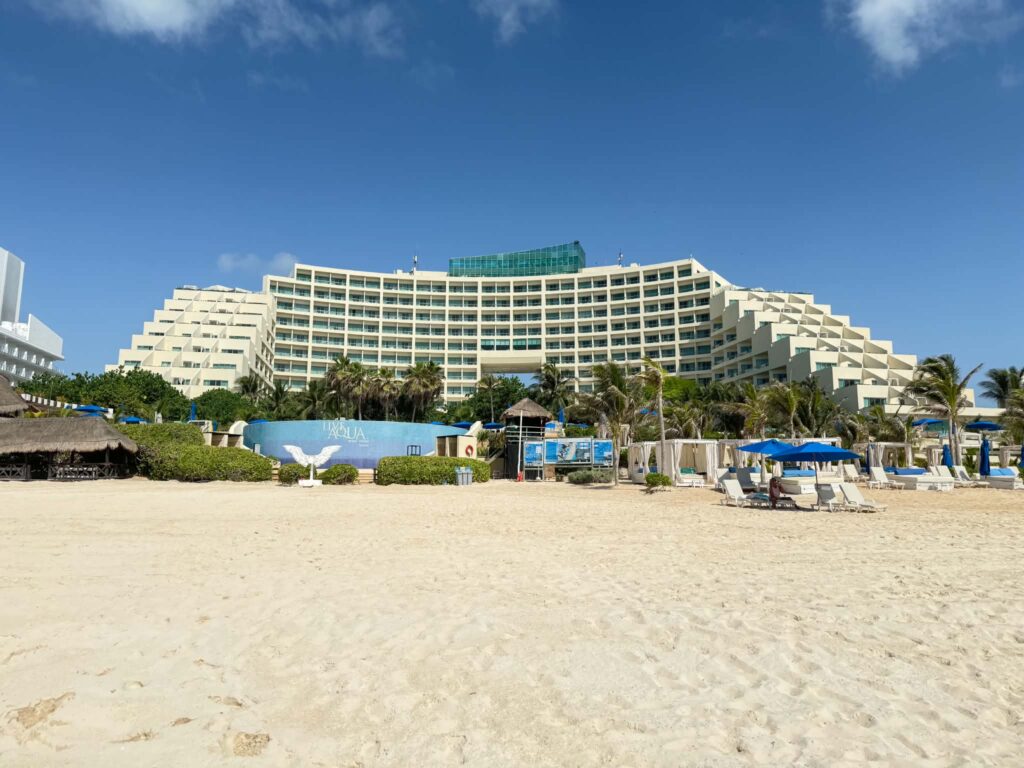
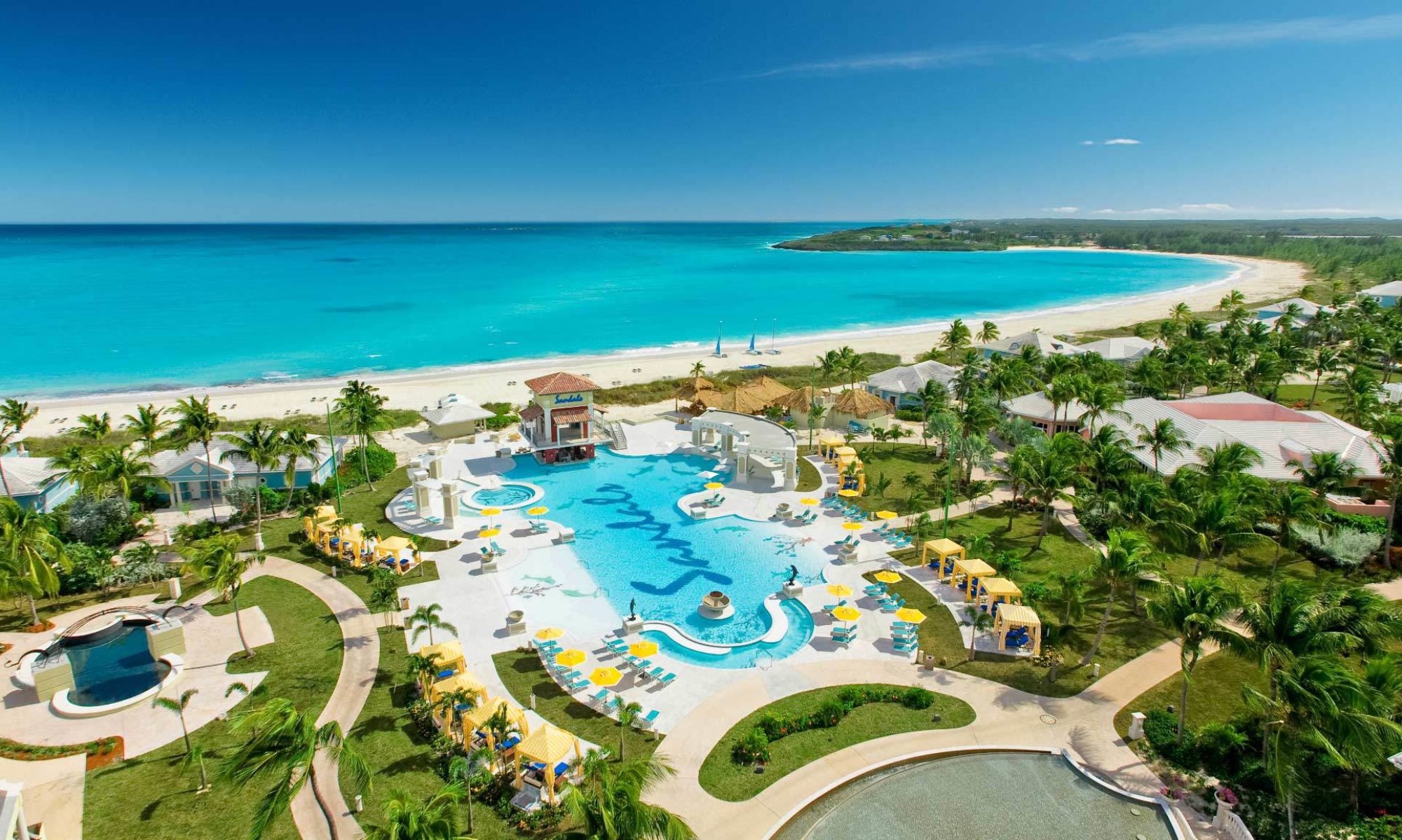
Sometimes you need a trip that is equal parts relaxing, romantic, and just plain fun. That’s exactly what we found at Live Aqua Cancun.
We recently spent August 14–18 at Live Aqua Cancun, celebrating two very special occasions: my husband’s 40th birthday and our 8th anniversary. It was the perfect excuse to escape for a few days, soak up some sunshine, enjoy incredible food, and spend some uninterrupted time together.
First Impressions: Relaxed Luxury in Cancun
Live Aqua Cancun has a beautiful, upscale feel without feeling overly formal or stuffy. The resort sits right on the gorgeous turquoise waters of Cancun, and the adults-only atmosphere makes it especially appealing for couples looking for a relaxing getaway.
From the moment we arrived, the vibe was exactly what we were hoping for: peaceful, polished, and luxurious, but still comfortable and fun.
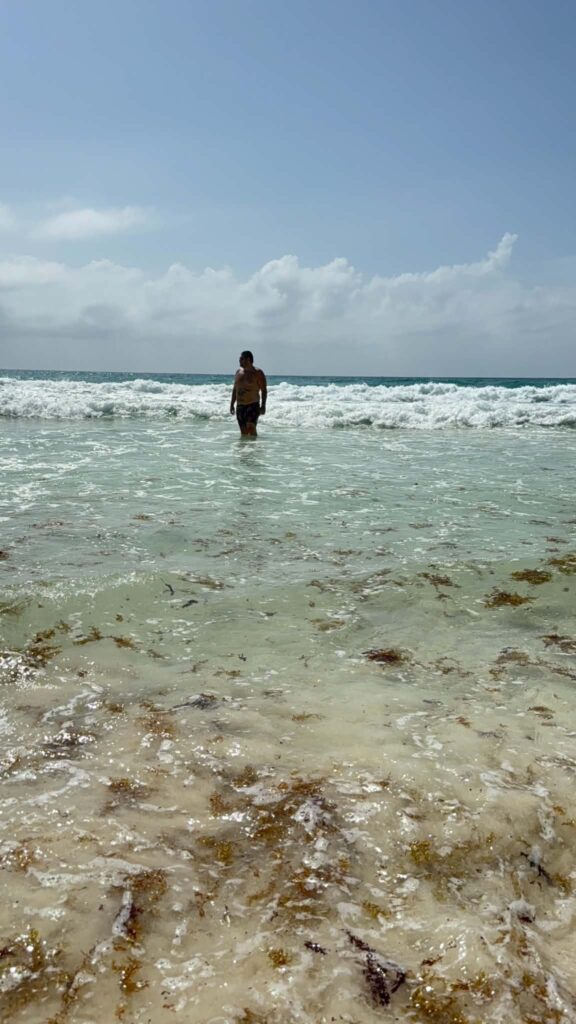
And let’s talk about that beach. The Caribbean water was absolutely beautiful, and having that view throughout the resort makes it very easy to settle into vacation mode.
The Food Deserves Its Own Section
One of the biggest highlights of our stay was the food.
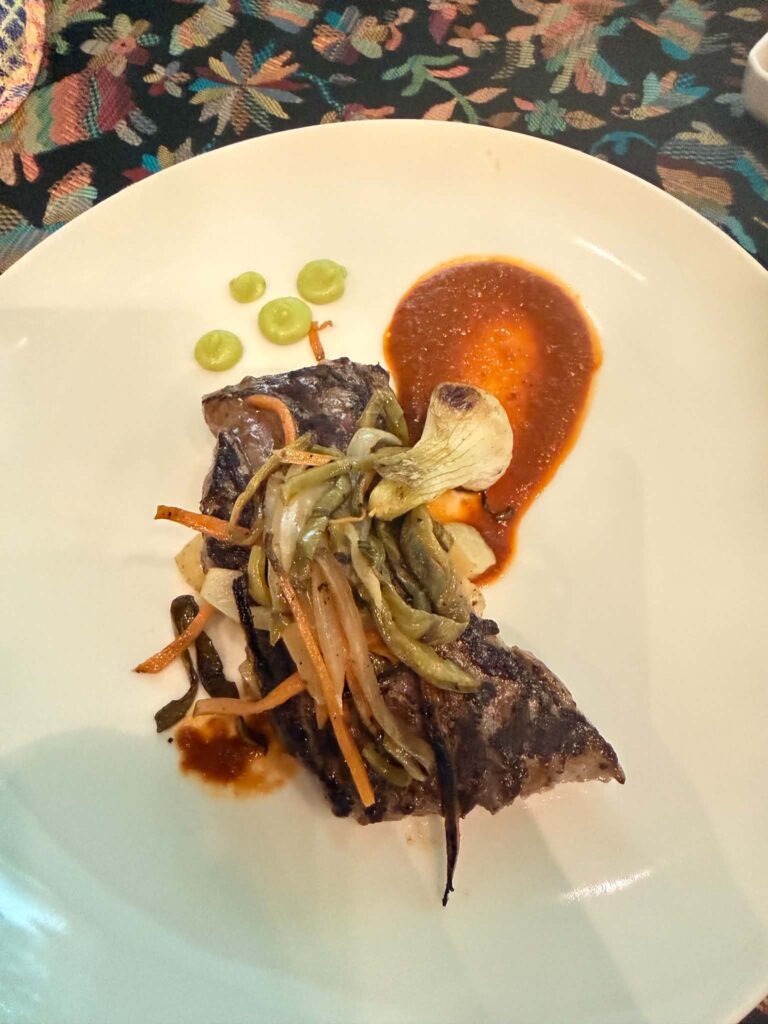
I have stayed at quite a few all-inclusive resorts, and I can honestly say that the food at Live Aqua was some of the best I have ever had at an all-inclusive.
There was variety, but more importantly, the food felt thoughtfully prepared and genuinely enjoyable. Whether we were looking for a casual meal or something a little more elevated, we consistently came away impressed.
For me, great food can completely change an all-inclusive experience, and Live Aqua absolutely delivered in this department.
If you’re someone who loves the convenience of an all-inclusive but worries that you’ll have to sacrifice quality when it comes to dining, I would definitely put Live Aqua Cancun on your list.
Celebrating 40th Birthday and 8 Years Together
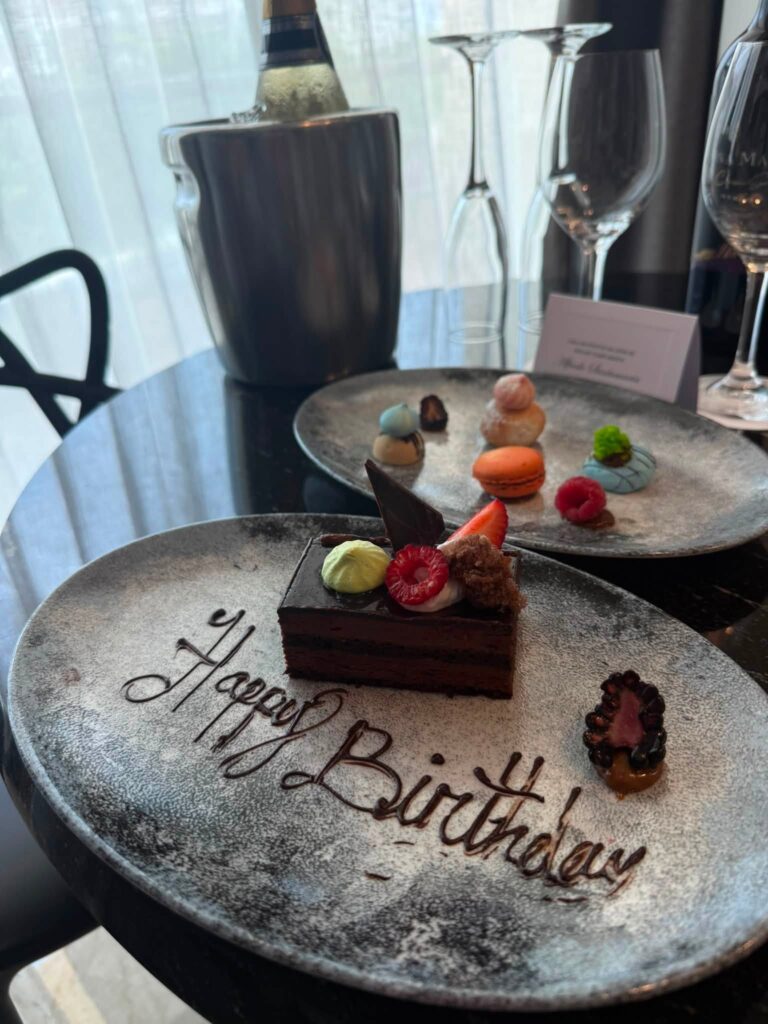
Being able to celebrate my husband’s 40th birthday and our 8th anniversary in Cancun made this trip extra special.
There’s something pretty wonderful about getting away from the normal routine and having a few days where the only real decisions are what to eat, where to sit by the pool, and whether it’s time for another margarita.
Live Aqua was a great fit for this kind of celebration. The adults-only environment creates a romantic atmosphere, while the restaurants, pools, beach, entertainment, and overall resort experience give you plenty to enjoy without ever feeling like you have to leave the property.
Who I Think Would Love Live Aqua Cancun
Based on our stay, I would especially recommend Live Aqua Cancun for:
Couples looking for an adults-only getaway
Anniversary and birthday celebrations
Honeymoons and romantic escapes
Girls trips or Friend Groups
Travelers who prioritize great food
Anyone wanting a luxury all-inclusive experience in Cancun
Couples who want plenty to do but also want the option to completely relax
Would I Go Back?
Absolutely.
Four nights went by way too quickly, which is usually a pretty good sign.
Between the beautiful setting, adults-only atmosphere, service, relaxing resort environment, and especially the food, Live Aqua Cancun definitely made an impression on us.
And honestly, being able to celebrate 40 years of life and eight years of marriage somewhere this beautiful wasn’t a bad way to do it.
If you’re considering Cancun for your next adults-only vacation, Live Aqua Cancun is one I would absolutely encourage you to consider. Shopping nearby with Luxury brands. Easy access to excursions and great dining and bars in the area on AND off the resort.
And as a travel advisor, I always love being able to recommend a resort based not only on what the brochures say, but on my own firsthand experience. After spending August 14–18 here, Live Aqua Cancun is one I can confidently say is worth putting on your Cancun shortlist.

Be honest…
If you’re planning what you’re going to eat days in advance… do you have a problem?
I found myself asking that recently.
Not in a dramatic way; but in that quiet, self-aware moment where you pause and go, “Wait… is this normal?”
Because I’m the kind of person who will look up restaurants before a trip even starts.
I’ll scroll menus. Save spots. Mentally map out the “must eats.”
And somewhere in the middle of that, a thought crept in:
Am I doing too much?
It’s funny how quickly excitement can turn into self-questioning.
But the more I sat with it, the more I realized; this wasn’t about having a problem.
It was about anticipation.
We all have things we look forward to.
Some people plan their outfits. (my sister is this girl)
Some people plan excursions and experiences.
And some of us?
We plan our meals.
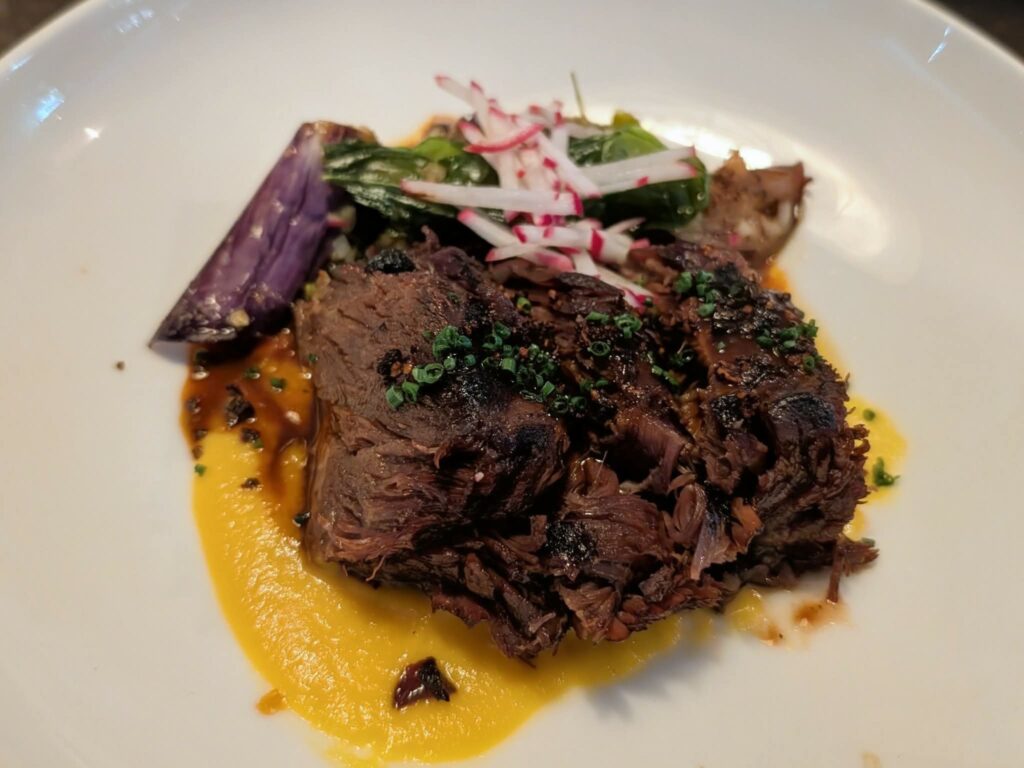
Not because we’re obsessed; but because food is part of how we experience life. It’s part of the memory. The moment. The story we’ll tell later.
The real question isn’t whether planning ahead is “too much.”
It’s how it feels.

Does it feel fun and exciting?
Or does it feel stressful and controlling?
Can you pivot if plans change? (I didn’t used to be the person who can pivot, I used to be such a planner but as I’ve gained life experience this has definitely changed.)
Or does one closed restaurant throw off your entire day?
Are you looking forward to the experience…
or trying to make it perfect? (Is life ever perfect?)
Because that’s where the difference lives.
If it’s joy, anticipation, and something that adds to your experience; there’s nothing wrong with that.
You don’t have a problem.
You just know what you enjoy.
And in a world where so many people are rushing through life without really savoring it… there’s something kind of beautiful about slowing down enough to look forward to the little things.
Even if that “little thing” happens to be a really good meal.
So no; I don’t think planning your meals ahead of time means something is wrong with you.
I think it means you’re paying attention to what makes an experience meaningful.
And honestly?
There are worse things to be than someone who gets excited about good food.
Bottom-Line Up Front (BLUF): Choose Ritz-Carlton for the ultimate balance of intimate size (298–448 guests), Marriott Bonvoy benefits, and a dedicated kids’ program. Select Explora Journeys if you prefer a larger, lively luxury resort feel with 900+ guests at a lower average price point. Opt for Four Seasons Yachts if budget is no object and you require massive staterooms. Let Ritz-Carlton Yacht Collection travel agents guide your selection with unbiased comparisons and exclusive amenities.
The ultra-luxury cruise segment has undergone a dramatic transformation. Traditional cruise lines are facing stiff competition from land-based luxury hotel groups entering the maritime space. For affluent travelers, choosing between these yacht products requires analyzing technical specifications, space ratios, and onboard service philosophies. This guide provides an in-depth comparison of the top luxury yacht contenders to help you select the ideal vessel for your next voyage.
This entry of lifestyle hotel brands into yachting has expanded the market, drawing in travelers who had previously never considered a cruise vacation. The focus has shifted from standard maritime travel to replicating shoreside luxury resort atmospheres at sea.
Here is a head-to-head comparison grid of the top luxury yacht contenders:
| Metric | Ritz-Carlton Yacht Collection | Explora Journeys | Four Seasons Yachts | Scenic Eclipse |
|---|---|---|---|---|
| Guest Capacity | 298 – 448 | 922 | 190 | 228 |
| Tonnage | 25,400 – 46,750 GRT | 63,900 GRT | 33,000 GRT | 17,085 GRT |
| Space Ratio | 85 – 104 | 69 | 173 | 74 |
| Entry Price / Day | $1,000 – $1,500 USD | $600 – $900 USD | $2,500+ USD | $1,200 – $1,800 USD |
| Loyalty Program | Marriott Bonvoy | Pioneer Program | FS Invitation Only | Scenic Club |
| Kids Program | Yes (Ritz Kids) | Limited Club | No | No |
Explora Journeys, the luxury brand of the MSC Group, entered the market with the launch of Explora I. While both lines position themselves as luxury products, they offer fundamentally different experiences.
The core difference lies in the size of the vessels. Explora Journeys ships accommodate 922 guests and measure 63,900 gross tons. This places them in the “luxury mega-ship” category rather than the “yacht” category. While Explora offers beautiful, expansive public spaces and multiple pool decks, it cannot dock in the tiny yacht harbors of the Mediterranean, such as Portofino or St. Tropez. Ritz-Carlton yachts (ranging from 298 to 448 guests) are small enough to anchor in these exclusive bays, providing a true yachting lifestyle.
Furthermore, because of the larger guest capacity, Explora Journeys can feel significantly busier during sea days and at the pool decks. Ritz-Carlton yachts maintain a quiet, serene ambiance where finding a private, undisturbed sun lounger is never an issue.
For Marriott Bonvoy loyalists, Ritz-Carlton represents a highly attractive value proposition due to full integration with the Bonvoy program. You can earn 5 points per dollar and redeem points to offset cruise costs. Explora Journeys operates a proprietary loyalty program that does not offer the same cross-network earning power. However, Explora’s entry-level pricing is lower, making it an appealing option for travelers looking for a luxury resort feel at a slightly lower investment.
Four Seasons Yachts is scheduled to launch its inaugural vessel, Four Seasons I, entering the ultra-luxury segment at the highest end of the market.
Four Seasons Yachts operates on an even smaller scale, carrying just 190 guests on a 33,000 GRT vessel. This yields an astronomical space ratio of 173, providing guests with unparalleled personal space. The entry-level suites on Four Seasons start at over 500 square feet, which is significantly larger than the 300 square foot Terrace Suites on Ritz-Carlton’s Evrima.
The design of the Four Seasons vessel features a striking funnel suite spanning four decks, offering the most private, expansive accommodation at sea. However, the common areas are highly exclusive and focused on absolute privacy, whereas Ritz-Carlton yachts strike a balance between privacy and sophisticated social venues.
This extreme level of space and exclusivity comes with a major pricing premium. Four Seasons Yachts’ rates start at approximately $2,500 USD per person, per day, which is roughly double the average daily rate of Ritz-Carlton. For most luxury travelers, Ritz-Carlton offers a comparable level of legendary service, fine dining, and marina access at a much more justifiable value point.
Scenic operates the “Discovery Yachts” Scenic Eclipse I and II, which represent a hybrid of ultra-luxury yachting and expedition cruising.
Scenic Eclipse yachts are equipped with PC6 ice-class hulls, onboard helicopters, and a submarine, designed primarily for polar exploration in Antarctica and the Arctic. While the interiors are ultra-luxury and include multiple dining venues, the vibe onboard is heavily focused on outdoor adventure, guest lectures, and scientific discovery. Ritz-Carlton yachts focus strictly on leisure luxury, warm-weather yachting, and relaxed Mediterranean and Caribbean yachting. If your goal is to lounge by the pool, dine on Michelin-starred cuisine, and shop in exclusive ports, Ritz-Carlton is the clear choice.
Additionally, the guest dynamic is different: Scenic Eclipse draws active adventure travelers who spend their days in polar gear zodiac-cruising, while Ritz-Carlton guests are looking for relaxed luxury, beach clubs, and shoreside cultural tours.
For high-net-worth travelers, the ultimate vacation experience is often considered to be chartering a private luxury yacht. However, booking a suite on the Ritz-Carlton Yacht Collection offers several distinct advantages over a private charter, providing a comparable level of luxury with significantly less hassle and cost.
When you charter a private yacht, you are responsible for paying the base charter fee plus an Advanced Provisioning Allowance (APA), which typically adds 30% to 40% to the base cost to cover fuel, food, beverages, and dockage fees. You must also coordinate the menus, itineraries, and crew tips yourself, leading to significant pre-trip planning friction. If weather conditions change, you may also face unexpected dockage or fuel surcharges.
Sailing on Evrima, Ilma, or Luminara provides a seamless, stress-free alternative. The pricing is all-inclusive, meaning your gourmet meals, premium beverages, gratuities, and water sports are covered in the upfront cruise fare. The itinerary is pre-planned and optimized for optimal weather and harbor access, and you enjoy a wide selection of dining venues, spa facilities, and social spaces that exceed the amenities of all but the largest private superyachts. This represents a highly efficient, value-driven alternative for discerning travelers who want to enjoy the yachting lifestyle without the operational responsibilities.
A major differentiator in luxury travel is the service philosophy. Ritz-Carlton yachts are staffed by crew members trained under the hotel brand’s legendary hospitality standards. Crew members are referred to as “Ladies and Gentlemen serving Ladies and Gentlemen,” emphasizing a culture of anticipatory service. For example, if a guest prefers a specific brand of water or a custom pillow style, this preference is noted and executed across all dining venues and suites without the guest needing to ask twice.
Other traditional cruise lines often hire crew members trained under standard maritime service guidelines, which focus primarily on safety and structured service delivery. While professional, it lacks the highly personalized, intuitive touch that makes Ritz-Carlton a global icon of luxury hospitality. Our clients frequently note that the crew’s warm, genuine hospitality is the primary reason they book repeat voyages.
When booking an ultra-luxury cruise, understanding the all-inclusive value is essential. Ritz-Carlton fares are highly inclusive, covering all meals, multiple dining venues, open bar with premium spirits, select wines, beers, and champagnes, onboard gratuities, high-speed Wi-Fi, and water sports access from the Marina Deck. The only additional out-of-pocket costs are for specialty dining at *S.E.A. by Sven Elverfeld*, spa treatments, boutique purchases, and private shore excursions.
In contrast, lines like Scenic Eclipse include everything (even helicopter tours and submarine excursions are pre-booked in high-end packages, though some standard options have additional fees). Explora Journeys includes most dining and beverages but charges extra for high-speed Wi-Fi packages and premium spirits. By booking through Vincent Vacations, we provide a complete breakdown of what is included in your fare to help you calculate the true cost of your vacation.
Ponant is a French-owned luxury cruise line that operates a fleet of smaller, sleek explorer yachts. While both brands focus on intimate boutique cruising, they present very different cultural atmospheres onboard.
Ponant yachts are designed with a distinctly French flair, featuring chic chic interiors, partnerships with French luxury brands like Ladurée and Veuve Clicquot, and menus created in collaboration with Alain Ducasse. The crew is primarily French-speaking, and the daily announcements and onboard lectures are delivered in both French and English. While highly sophisticated, some American travelers find the bilingual atmosphere and European service style slightly formal or detached.
Ritz-Carlton yachts are designed specifically for the American luxury market, offering the familiar residential warmth and intuitive service that the Ritz-Carlton brand is famous for. English is the primary language spoken onboard, and the service philosophy is centered around active engagement and anticipatory hospitality, ensuring guests feel completely at home from the moment they step onboard.
Sea Cloud Cruises operates a unique fleet of historic, hand-sailed yachts, including the legendary Sea Cloud (originally built in 1931 for heiress Marjorie Merriweather Post) and the modern Sea Cloud Spirit.
Sailing on a Sea Cloud yacht is a journey back in time. The sails are set by hand by a highly trained deck crew climbing high into the rigging. The interiors feature historic woodwork, antique furniture, and brass fixtures, providing a nostalgic, romantic atmosphere. However, sailing ships lack the expansive stabilizers, modern pool decks, and large suite layouts of modern motor superyachts.
Ritz-Carlton yachts represent the state-of-the-art in modern luxury yachting, featuring massive stabilizers, infinity pools, open-air marinas, and spacious staterooms with private terraces. If you are looking for modern amenities, high-speed internet, and expansive dining variety, Ritz-Carlton is the superior choice, while Sea Cloud is ideal for sailing purists and maritime history buffs.
To demonstrate the value proposition of Ritz-Carlton’s all-inclusive pricing, let’s run a hypothetical out-of-pocket cost audit comparing a 7-night cruise fare on Ritz-Carlton with a slightly cheaper cruise fare on a premium cruise line that is not fully all-inclusive:
| Expense Item | Ritz-Carlton Yacht Collection | Premium Non-Inclusive Cruise Line |
|---|---|---|
| Base Cruise Fare (7 Nights) | $12,000 USD | $9,500 USD |
| Specialty Dining (3 Nights) | Included | $300 USD |
| Premium Beverage Package | Included | $1,100 USD (for 2 guests) |
| Onboard Gratuities | Included | $250 USD |
| High-Speed Starlink Wi-Fi | Included | $350 USD |
| Yacht Marina Sports Program | Included | Not Available / Charged Extra |
| Exclusive Onboard Credits (Agency Perk) | -$300 USD (Vincent Vacations) | Not Available |
| Total Net Cost | $11,700 USD | $11,500 USD |
As shown in this audit, while the premium non-inclusive line appears cheaper upfront, the final guest folio at disembarkation quickly narrows the gap to just $200 USD. When you factor in Ritz-Carlton’s significantly smaller passenger count (300 guests vs. 1,000+ on premium lines) and legendary service standards, the Ritz-Carlton Yacht Collection represents an outstanding value for luxury travelers.
Selecting the right yacht line depends on your personal vacation style, destination goals, and budget. Our certified yacht specialists provide unbiased guidance, drawing on firsthand ship inspections and client feedback to help you navigate these luxury brands.
To learn more about the fleet, read our Evrima vs. Ilma vs. Luminara comparison guide, check out the loyalty rewards on the Marriott Bonvoy Benefits Guide, or check the kids’ club details on the Onboard Vibe & Ritz Kids guide.
Ready to secure your yacht voyage? Request a Bespoke Yacht Consultation or connect with our advisors to compare rates and departures.

Bottom-Line Up Front (BLUF): Yes, the Ritz-Carlton Yacht Collection welcomes families and features the dedicated Ritz Kids program (ages 4–12, priced at $45 USD per session) to keep children engaged while parents relax. The overall onboard vibe is “Yacht Casual”—relaxed, sophisticated, and completely devoid of traditional cruise formal nights or rigid schedules. However, navigating these family guidelines is best handled by Ritz-Carlton Yacht Collection travel agents who ensure your family’s suites are properly configured and key dining sessions are booked in advance.
For travelers accustomed to traditional luxury cruise lines, the first thing you will notice onboard The Ritz-Carlton Yacht Collection is the absence of rigid protocols. There are no assigned dining times, no forced social schedules, and absolutely no formal nights requiring tuxedos or evening gowns. Instead, the line embraces a modern, yacht-like lifestyle that mirrors a stay at a luxury shoreside resort.
This unstructured approach allows guests to customize their daily itineraries. You can choose to dine whenever and with whomever you please, without worrying about missing a pre-assigned seating. This flexibility is highly valued by modern luxury travelers who prefer to let their mood dictate their vacation experience.
The dress code onboard is divided into two categories: daytime and evening. Understanding what to pack is key to feeling comfortable and stylish during your voyage.
T-shirts, athletic wear, torn denim, and baseball caps are not permitted in the indoor dining venues during the evening, maintaining a refined dining ambiance for all guests.
To help you pack effectively, our travel specialists recommend tailoring your wardrobe to the specific climate and culture of your itinerary:
For Caribbean Voyages (such as departures from San Juan or Bridgetown), the climate is consistently warm and tropical. Focus on lightweight, breathable fabrics like linen, silk, and fine cotton. Men should pack light-colored chinos (tan, white, or light blue) paired with short-sleeve linen button-downs and breathable leather loafers. Women will feel right at home in bright, colorful sundresses, chic silk caftans, and designer slides. A wide-brimmed sun hat and high-SPF sunscreen are essential accessories for the pool deck and beach excursions.
For Mediterranean Voyages (especially shoulder-season sailings in May or October), the weather can be cooler in the evenings, particularly when the yacht is underway. We recommend packing layers: a lightweight cashmere wrap or a designer pashmina for women, and a tailored linen blazer or light sport coat for men. In historic ports like Monte Carlo or Amalfi, the evening vibe is slightly more structured, so packing a pair of closed-toe leather loafers or elegant flats is highly recommended. Your Personal Concierge can arrange shoe polishing or pressing services on your first night to ensure your wardrobe is in perfect condition.
While many ultra-luxury cruise lines actively discourage families or offer no children’s facilities, The Ritz-Carlton Yacht Collection stands out by offering a world-class, dedicated kids’ club. The Ritz Kids program is designed to provide engaging, educational programming for children aged 4 to 12, allowing parents to enjoy the yacht’s adult-focused amenities with total peace of mind.
The Ritz Kids curriculum is built around marine conservation, oceanography, and local culture. Rather than simply placing kids in front of video game consoles, the onboard youth counselors lead hands-on activities that foster learning and curiosity. Activities include navigation lessons using old-world maps, water-testing experiments, marine life arts and crafts, and treasure hunts across the yacht’s public decks. The youth spaces are bright, modern, and filled with toys, board games, and creative materials.
Here is an example of a typical daily schedule for the Ritz Kids program:
| Session | Time | Key Activities | Focus Area |
|---|---|---|---|
| Morning Session | 9:00 AM – 12:00 PM | Marine Biology Lab & Ocean Water Testing | Scientific Discovery |
| Lunch Break | 12:00 PM – 1:00 PM | Supervised Lunch with Counselors | Social Interaction |
| Afternoon Session | 1:00 PM – 4:00 PM | Pirate Treasure Hunt & Navigation Games | Teamwork & Play |
| Dinner Session | 6:00 PM – 9:00 PM | Movie Night & Local Arts & Crafts | Creative Expression |
Unlike mass-market cruise lines where kids’ clubs are included in the fare, Ritz Kids is a paid program. The current cost is $45 USD per child, per session. Pre-registration is highly recommended, especially during holiday and summer sailings when the number of children onboard is higher. Our travel specialists can coordinate this registration during the booking process to ensure your child has a guaranteed spot.
The sessions are structured to align with adult dining hours and spa reservations. For example, parents can book their child into the evening session (6:00 PM to 9:00 PM) to enjoy a quiet, romantic multi-course dinner at S.E.A. by Sven Elverfeld without interruption. The youth space is fully secure, and counselors are trained in pediatric first aid and CPR.
Without the traditional cruise directors and broadway production shows, the entertainment onboard is designed to be organic and intimate. The Living Room acts as the primary social lounge, hosting live jazz trios, classical guitarists, and contemporary acoustic performers. In the evenings, the Observation Lounge transitions from a quiet reading area to a lively cocktail club with a DJ spinning lounge house music under the stars.
For cigar and whiskey connoisseurs, the Humidor offers a cozy, wood-paneled space with a premium selection of hand-rolled cigars, vintage single-malt scotches, and rare cognacs. The atmosphere across all spaces is conversational, relaxed, and highly civilized, appealing directly to travelers who prefer authentic musical experiences over manufactured cruise line spectacles. Poolside entertainment includes live steel-pan performances during the day and ambient acoustic guitar sets at sunset.
When the yacht docks, the adventure continues ashore with custom-designed excursions. Traditional cruise tours often involve large buses of 40+ people, causing significant delays and frustration for families with young children. Ritz-Carlton offers the Concierge Land Program, which focuses on private or small-group tours. Our specialists can arrange a private luxury SUV with a local guide to take your family directly to historic sites, private beaches, or marine sanctuaries. This ensures a stress-free experience tailored specifically to your family’s pace and interests.
Excursion highlights include private yacht charters in the Greek Isles, guided snorkeling tours in the Grenadines, and custom culinary classes in the Amalfi Coast. Because we have direct access to the yacht’s shoreside coordinators, we can tailor every detail, including child seats, dietary requirements, and mobility accommodations, guaranteeing a flawless experience for your family.
The typical guest profile onboard Evrima, Ilma, and Luminara consists of affluent, active travelers who value privacy and high-quality service. The average age is younger than that of traditional luxury lines, typically ranging from the mid-40s to late-60s. You will find a mix of successful entrepreneurs, luxury travelers who love Ritz-Carlton hotels, couples celebrating major milestones, and multi-generational families.
Because the yachts accommodate fewer than 450 guests, the social atmosphere is warm and friendly but never crowded. Guests appreciate the quiet corners of the Observation Lounge, the upscale selection in the Humidor, and the relaxed chatter at the outdoor Sunset Bar. The lack of loud announcements or mega-ship distractions ensures a peaceful, serene environment.
Geographically, about 70% of the guests are from North America, with the remaining 30% representing European and international travelers from key wealth hubs like London, Geneva, and Tokyo. This diverse demographic creates an interesting, cosmopolitan social vibe onboard, especially during the evening cocktail hours at the Sunset Bar or during the Captain’s members-only receptions.
For families traveling with very young children, it is important to know the specific safety and booking regulations of the Ritz-Carlton Yacht Collection. Children must be at least 6 months old to sail on standard coastal voyages, and at least 12 months old for ocean-crossing itineraries (such as transatlantic repositioning cruises).
Babysitting services are not provided by the crew onboard due to safety regulations. However, our travel specialists can assist you in booking adjacent suites to accommodate private nannies or au pairs. Additionally, your suite’s Personal Concierge can assist in securing essential baby supplies (cribs, bottle warmers, and high chairs) in advance, ensuring your suite is fully prepped before your arrival.
To give you a clearer picture of how the program operates, let’s walk through a typical day for a child enrolled in the Ritz Kids program onboard Ilma:
The morning begins at 9:00 AM at the dedicated Ritz Kids center on Deck 8. Parents sign in their children with the youth staff, who are all certified, professional counselors. The morning session focuses on scientific exploration. The kids head down to the Marina Deck (when anchored in a calm bay) to collect water samples under counselor supervision. Back in the lab, they use microscopes to examine micro-organisms and learn about the local marine ecology of the destination.
At 12:00 PM, the kids enjoy a supervised lunch at the Pool Grill, featuring a custom menu of healthy options. The afternoon session (1:00 PM to 4:00 PM) transitions to active, creative play. Counselors lead a themed “Pirate Treasure Hunt” across the public decks, where children follow old-world navigation maps and solve riddles to find hidden treats. This is followed by a beach-excursion sandcastle building contest when anchored at a private beach cove.
After a family break in the late afternoon, the evening session begins at 6:00 PM. The children enjoy a dedicated dinner with their new friends, followed by a movie night, local arts and crafts, or stargazing navigation lessons on the observation deck. Parents pick up their children at 9:00 PM, having enjoyed a quiet, relaxing dinner at the yacht’s fine dining specialty restaurant.
While the Ritz Kids program is strictly designed for ages 4 to 12, teenagers will still find plenty of options to keep them entertained. The yachts do not feature a dedicated teen room, but they provide high-speed Starlink Wi-Fi complimentary to all guests, allowing teens to stream content and stay connected with friends.
During the day, active teenagers enjoy the water sports program on the Marina Deck. Under the supervision of the yacht’s marine sports staff, teens can utilize paddleboards, sea kayaks, snorkeling gear, and sailing dinghies directly from the ship. Shoreside, our custom private tours can be tailored to include high-energy activities like zip-lining, ATV tours, and guided snorkeling excursions, making the voyage highly engaging for older kids.
Traveling with children on an ultra-luxury voyage requires careful planning. Our advisors work closely with the yacht’s operations team to customize the experience for your family. We can arrange connecting suites, organize in-suite dining menus tailored for picky eaters, and secure priority reservations for family-friendly shore excursions.
Additionally, our preferred partnership with the cruise line allows us to secure exclusive onboard credits that can be applied directly to the cost of the Ritz Kids sessions, spa treatments, or specialty dining reservations.
To learn more about the fleet, check out our Evrima vs. Ilma vs. Luminara comparison guide, read about our loyalty rewards on the Marriott Bonvoy Benefits Guide, or read our competitor analysis on the Competitor Comparison guide.
Ready to plan your luxury family getaway? Request a Bespoke Yacht Consultation or connect with our yacht advisors to check family suite availability.

Bottom-Line Up Front (BLUF): Choose Evrima if you prioritize an ultra-exclusive, boutique yacht feel with fewer guests (298 max) and access to the smallest harbors. Select Ilma or Luminara if you prefer expanded dining options (5 venues), larger average suite sizes, and a grander pool deck. Consulting with Ritz-Carlton Yacht Collection travel agents is highly recommended to secure exclusive Signature benefits and select the perfect cabin category.
The creation of The Ritz-Carlton Yacht Collection was a monumental task. Unlike standard cruise ships, which are designed to maximize passenger capacity and build efficiencies, these superyachts were designed from the keel up to replicate the experience of a private luxury yacht charter. This architectural philosophy is apparent across all three vessels, but the physical expansion of the second-generation ships has created two distinct yacht classes within the fleet. By understanding these design nuances, discerning travelers can match their destination goals and lifestyle expectations with the perfect ship.
When analyzing the structural profile of these yachts, one must look beyond aesthetics to the technical engineering that impacts the onboard experience. Let’s compare their core specifications:
| Specification | Evrima (First Gen) | Ilma (Second Gen) | Luminara (Second Gen) |
|---|---|---|---|
| Gross Tonnage | 25,400 GRT | 46,750 GRT | 46,750 GRT |
| Length | 623 feet (190m) | 790 feet (241m) | 790 feet (241m) |
| Guest Capacity | 298 | 448 | 452 |
| Crew Members | 246 | 374 | 374 |
| Guest-to-Crew Ratio | 1.21:1 | 1.19:1 | 1.21:1 |
| Dining Venues | 4 | 5 | 5 |
| Marina Platform | Standard Hydraulic | Expanded with Mezzanine | Expanded with Mezzanine |
| Year Launched | 2022 | 2024 | 2025 |
As the inaugural superyacht in the fleet, Evrima was designed to feel like a private mega-yacht. Its smaller footprint allows it to slip into exclusive ports that larger ships cannot access, such as Saint-Tropez, Portofino, and Gustavia in St. Barth’s. The ship’s size makes it exceptionally cozy, fostering a warm, club-like atmosphere where guests frequently interact and build relationships throughout the voyage.
Onboard Evrima, the 149 suites are designed to feel like luxury residential apartments. The suite configurations are exceptionally spacious, with the entry-level Terrace Suites starting at 300 square feet of interior space, plus an additional 54-to-81 square foot private balcony. The ship also features unique two-story Loft Suites, which offer a duplex layout with a living room on the lower level and a master bedroom on the upper level. The top-tier Owners Suites feature private whirlpool tubs on the terrace, providing an exceptional space for outdoor relaxation.
Every stateroom includes premium luxury amenities, including Frette linens, plush robes, double vanities, custom espresso machines, and a fully stocked mini-bar replenished daily according to your preferences. The 24-hour in-suite dining service is complimentary and features a curated menu of hot dishes, light snacks, and desserts.
Despite its intimate size, Evrima offers four distinct dining options. The Evrima Room serves locally inspired creations, while Talaia offers modern Mediterranean cuisine with outdoor seating. For an additional fee, guests can dine at S.E.A. by Sven Elverfeld, a culinary journey designed by the chef behind the three-Michelin-starred Aqua restaurant at The Ritz-Carlton, Wolfsburg. The main pool deck is intimate, featuring a single main pool, comfortable sun loungers, and attentive pool concierge service. The Living Room serves as the social hub of the yacht, offering coffee and pastries in the morning, and transitioning to a lively cocktail lounge with live piano music in the evening.
Launched in 2024, Ilma represents a significant scaling-up of the Ritz-Carlton yacht concept. By doubling the ship’s tonnage while only increasing the passenger count by 50%, the architects created one of the highest space-to-guest ratios in the luxury cruise sector.
The increased dimensions allow for higher ceilings, wider corridors, and expanded public lounges. The yacht’s styling is modern and sleek, featuring clean lines, light woods, and expansive glass panels that bring the ocean views indoors.
The additional space on Ilma allowed for the addition of a fifth dining venue. Culinary highlights include Ochre, the main dining room serving seasonal menus, and a poolside grill. The marquee specialty restaurant is Tides, featuring a menu designed in collaboration with Michelin-starred culinary masters. The aft Marina Deck has also been significantly upgraded, featuring a hydraulic platform with an open-air mezzanine for dining, cocktail service, and direct access to water sports when anchored in calm waters.
Additionally, the Pool Deck on Ilma is significantly larger than Evrima’s. It features a stunning infinity pool, expanded sunbathing areas, and a dedicated pool bar serving custom cocktails and light bites. The Observation Lounge at the top of the yacht provides panoramic 270-degree views, making it the perfect spot for sunset cocktails or stargazing.
The suites on Ilma are larger than those on Evrima. The entry-level Terrace Suites start at 294 square feet of interior space but feature larger terraces (up to 96 square feet). Additionally, the top-tier Owner’s Suites and Grand Suites feature expansive outdoor living spaces, including private hot tubs and dining areas on the terrace, providing the ultimate environment for hosting private cocktail parties.
Scheduled to join the fleet in 2025, Luminara shares the same structural blueprint and hull design as Ilma. However, the design team has introduced several styling updates and space layout modifications to further elevate the guest experience.
While Ilma features a sleek, contemporary residential style, Luminara incorporates warmer wood tones, richer fabrics, and custom-curated art installations. The public lounges, including the Observation Lounge and the Humidor, have been rearranged to offer more intimate seating configurations and panoramic floor-to-ceiling ocean views.
The spa and wellness facilities have also been expanded. The Luminara Spa includes additional treatment rooms, an outdoor relaxation terrace, and a state-of-the-art thermal suite with saunas, steam rooms, and sensory showers, providing a sanctuary of wellness at sea. The fitness center features TechnoGym equipment and a private studio for yoga and pilates classes overlooking the ocean.
Like Ilma, Luminara features the signature aft Marina. This area acts as a private beach club, allowing guests to kayak, paddleboard, or swim directly from the back of the yacht. Our firsthand inspections confirm that the Marina on Luminara is equipped with upgraded hydraulic swim platforms that adjust to the water’s surface, offering seamless entry and exit for guests of all ages.
A key technical consideration for luxury travelers is stability at sea. Evrima utilizes a traditional hull design with standard stabilizers, which performs exceptionally well in the calm waters of the Mediterranean and the Caribbean. For the larger Ilma and Luminara, the architects integrated advanced retractable fin stabilizers and dual Azipod propulsion systems. This technology significantly reduces ship roll and vibration, ensuring a smooth, whisper-quiet ride even when crossing open ocean channels. Our clients who have sailed on both generations report that the stability control on the second-generation ships is outstanding, providing total comfort for guests prone to motion sickness.
Wellness is a core element of the Ritz-Carlton experience. On Evrima, the Ritz-Carlton Spa is cozy, featuring five treatment rooms and a quiet indoor-outdoor relaxation area. While beautiful, booking treatments in advance is highly recommended due to the limited capacity. On Ilma and Luminara, the spa has been expanded into a massive wellness sanctuary. It includes private outdoor treatment terraces, a full-service salon, a gentleman’s grooming lounge, and a state-of-the-art thermal suite featuring dry saunas, eucalyptus-infused steam rooms, and hot-cold plunge pools. The fitness centers on the second-generation ships also double in size, offering personal training sessions, oceanfront cardio rooms, and daily group fitness classes.
The physical size of the yacht dictates which ports it can access. Evrima remains the champion for narrow, tight waterways. It can dock directly alongside the pier in ports like Portofino and Saint-Tropez, where larger ships must anchor out in the bay and tender guests ashore. However, Ilma and Luminara, despite their larger dimensions, still maintain a draft shallow enough to access many boutique harbors that are off-limits to traditional luxury cruise liners. By booking with Vincent Vacations, we can help you analyze the specific itinerary route to determine whether your yacht will tender or dock, allowing you to plan your days ashore with precision.
Selecting the right suite tier is more than just choosing square footage; it requires understanding deck locations and structural layouts. Let’s look at the suite categories across the second-generation ships (Ilma and Luminara):
| Suite Category | Deck Location | Interior Area | Terrace Area | Key Features |
|---|---|---|---|---|
| Terrace Suite | Decks 5, 6, 7, 8 | 294 – 300 sq. ft. | 81 – 96 sq. ft. | Entry-level luxury, double vanities, floor-to-ceiling glass |
| Signature Suite | Decks 7, 8 | 429 sq. ft. | 118 sq. ft. | Separate living and dining areas, soaking tub, walk-in closet |
| Grand Suite | Decks 7, 8 | 624 sq. ft. | 150 – 200 sq. ft. | Expansive layout, dining table for 4, large vanity mirror |
| Owner’s Suite | Decks 7, 8 | 1,033 sq. ft. | 250 – 320 sq. ft. | Private whirlpool on terrace, guest bathroom, pantry space |
| Concierge Suite | Deck 9 | 1,482 sq. ft. | 400 – 550 sq. ft. | Duplex master loft, dining room for 8, dedicated butler service |
For families, our travel advisors recommend booking the Signature or Grand Suites on Decks 7 and 8, which feature convenient interconnecting doors. This creates a massive, multi-room luxury apartment at sea. For couples on a romantic retreat, the mid-ship Terrace Suites on Deck 6 offer the smoothest ride and the most convenient access to the main dining venues and public lounges.
The service standard onboard is designed to feel highly personalized. Rather than standard cabin stewards who service 20+ rooms, the Ritz-Carlton Yacht Collection assigns Personal Concierges to every suite, with a ratio of 1 steward to every 6 to 8 staterooms. Your Personal Concierge acts as your primary point of contact for all onboard requests, including booking spa sessions, arranging in-suite dining, packing and unpacking your luggage, and coordinating shoe-shining services.
For guests booking the Owner’s or Concierge Suites, you receive Dedicated Butler Service. Your private butler is available 24/7 and can organize private cocktail parties on your terrace, secure reservations at the Captain’s table, arrange private in-suite dining menus, and coordinate priority disembarkation at every port. This level of service guarantees that every aspect of your voyage is executed with absolute precision.
To learn more about how to maximize your trip benefits, check out our Marriott Bonvoy Benefits Guide, explore the onboard kids program on the Onboard Vibe & Ritz Kids guide, or read our head-to-head cruise comparison on the Competitor Comparison guide.
Ready to select your suite? Request a Bespoke Yacht Consultation or connect with our yacht advisors to review deck plans and availability.
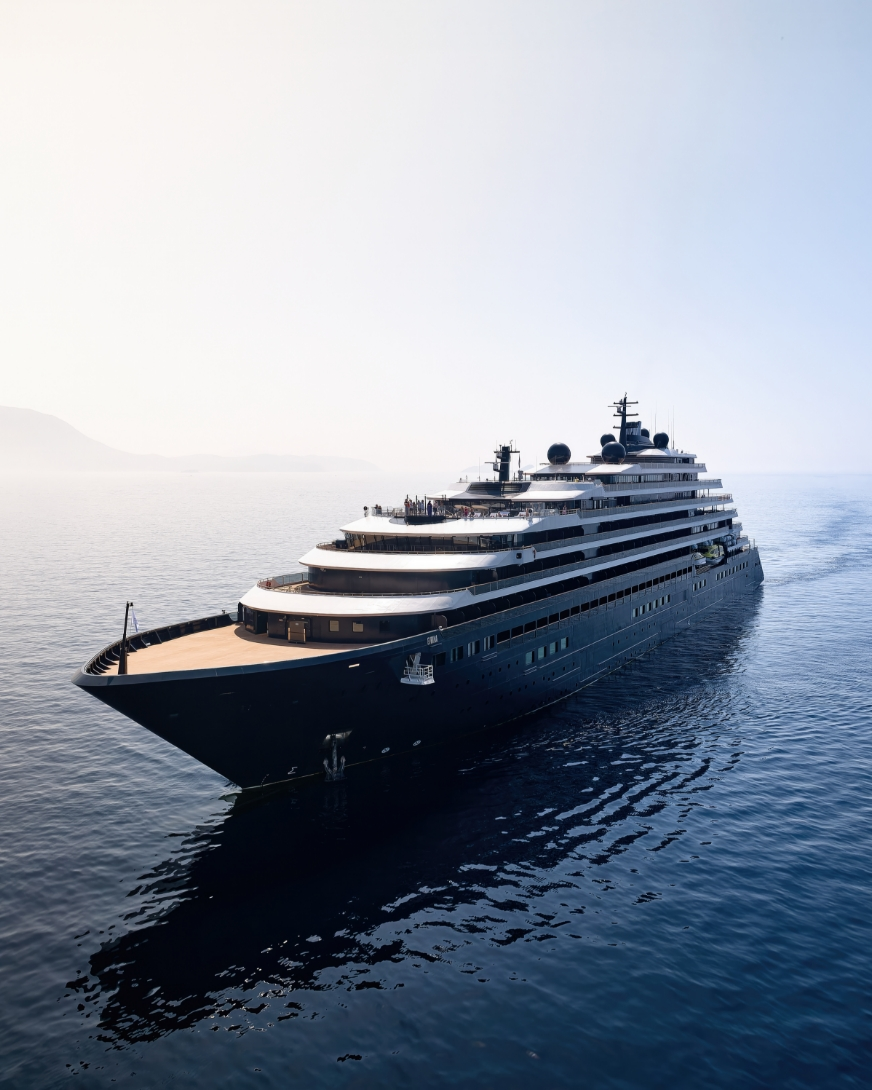
Bottom-Line Up Front (BLUF): Yes, you can fully integrate your Marriott Bonvoy loyalty account with The Ritz-Carlton Yacht Collection to earn 5 points per dollar on your cruise fare, accumulate 1 Elite Night Credit per night onboard, and redeem points starting at 180,000 points for a $1,000 cruise fare credit. However, to maximize elite recognition and secure exclusive complimentary perks, booking through certified Ritz-Carlton Yacht Collection travel agents is essential.
The launch of The Ritz-Carlton Yacht Collection represents a pivotal moment in ultra-luxury travel. Historically, cruise lines operated entirely independent loyalty programs that did not cross-pollinate with land-based hospitality programs. By fully integrating Evrima, Ilma, and Luminara with the Marriott Bonvoy program, Marriott has created a seamless reward ecosystem that allows affluent travelers to earn and redeem points, establish elite status, and receive high-value onboard benefits at sea. For Marriott Bonvoy members, understanding the subtle details of this partnership is key to unlocking maximum value. This guide provides a detailed analysis of the loyalty mechanics, points valuations, elite recognition tiers, and credit card strategies to maximize your next yachting voyage.
When you transition from hotel loyalty to yacht loyalty, you must adapt your expectations. Hotels operate on a margin structure that allows for fluid upgrades, late check-outs, and club lounge access. Superyachts are constrained by physical dimensions, maximum passenger safety manifests, and all-inclusive pricing structures. Therefore, the Bonvoy benefits are adapted specifically for the maritime context. Let’s explore how these benefits apply to your next booking.
For luxury travelers, the ability to earn points on high-ticket luxury purchases is a cornerstone of smart loyalty planning. Sailing on the superyachts Evrima, Ilma, or Luminara offers unprecedented opportunities to accumulate millions of Bonvoy points, which can subsequently be used for top-tier resort redemptions worldwide.
When you book a voyage on The Ritz-Carlton Yacht Collection, you earn 5 Marriott Bonvoy points per USD $1 spent on the cruise fare. This is competitive compared to traditional hotel stays where the standard earning rate is 10 points per dollar, because cruise fares represent a significantly higher average booking value. For example, a 7-night Mediterranean voyage on the newly launched Ilma priced at $16,000 for a Signature Suite will yield a base accrual of 80,000 Marriott Bonvoy points. If you book an Owner’s Suite or Grand Suite on a 10-night Caribbean sailing priced at $35,000, your base points accrual reaches 175,000 points from a single reservation.
However, it is vital to understand what counts as “eligible spend.” The 5x earning rate applies strictly to the cruise fare itself. The following items are explicitly excluded from points accumulation:
To maximize your earning potential, our yacht advisors recommend using a co-branded Marriott Bonvoy credit card, such as the Marriott Bonvoy Brilliant® American Express® Card or the Marriott Bonvoy Bountiful™ Card. These cards yield an additional 6x points per dollar spent on eligible Marriott purchases, which includes direct bookings with the Ritz-Carlton Yacht Collection. By combining your base earning rate with co-branded credit card spend, your total yield rises to 11 Marriott Bonvoy points per dollar, bringing the total for a $16,000 booking to an astronomical 176,000 points from a single vacation. If you are booking a group charter or a multi-suite family cruise, using the correct credit card can easily yield over 500,000 points, which is enough to secure multiple free nights at premium properties like the Ritz-Carlton Maldives or the St. Regis Bora Bora Resort.
Redeeming points for a Ritz-Carlton Yacht Collection voyage is a popular option for loyalty members who accumulate points through extensive business travel. Understanding the conversion math is critical to ensuring you receive optimal value for your points.
Unlike Marriott hotels, which use dynamic pricing or category tiers, the Ritz-Carlton Yacht Collection uses a fixed cash-equivalent redemption model. The initial redemption threshold begins at 180,000 Marriott Bonvoy points, which translates to a $1,000 USD savings credit on your cruise fare. Once the initial threshold is reached, you can continue to redeem points in increments of 10,000 points for a $50 USD credit. There is no limit to the number of points you can redeem, meaning a traveler with a large points balance could theoretically cover the entire cost of the cruise fare using points.
Here is the cash-versus-points matrix outlining the redemption tiers:
| Points Redeemed | Cash Savings Credit | Equivalent Value Per Point |
|---|---|---|
| 180,000 Points | $1,000 USD | $0.0055 (0.55 cents) |
| 280,000 Points | $1,500 USD | $0.0053 (0.53 cents) |
| 380,000 Points | $2,000 USD | $0.0052 (0.52 cents) |
| 580,000 Points | $3,000 USD | $0.0051 (0.51 cents) |
| 980,000 Points | $5,000 USD | $0.0051 (0.51 cents) |
| 1,980,000 Points | $10,000 USD | $0.0050 (0.50 cents) |
As shown in the table, the redemption value hovers between 0.50 and 0.55 cents per point. In the world of points and miles valuation, this is lower than the typical hotel valuation of 0.8 cents per point. Therefore, from a pure mathematical efficiency standpoint, redeeming points for Ritz-Carlton Yacht Collection fares may not yield the highest nominal return compared to booking luxury hotel stays at properties like The Ritz-Carlton, Kyoto or St. Regis Maldives Vommuli Resort.
However, for business owners with millions of Bonvoy points, this represents a highly effective way to offset the cash out-of-pocket costs of an ultra-luxury yachting experience. Vincent Vacations advisors can assist you in applying these points seamlessly to your booking without losing out on priority amenities.
Accumulating Elite Night Credits (ENCs) is essential for maintaining your Marriott Bonvoy status. On The Ritz-Carlton Yacht Collection, you earn 1 Elite Night Credit per night spent onboard. A 10-night Caribbean sailing on Luminara will contribute 10 nights directly to your annual Bonvoy account.
To achieve or maintain the coveted Ambassador Elite status, you must achieve 100 Elite Night Credits and spend a minimum of $23,000 USD in eligible annual purchases. Eligible spend from your Ritz-Carlton Yacht Collection cruise fare counts directly toward this dollar requirement. This makes yachting one of the fastest and most enjoyable ways to meet the high spend threshold in a single booking. For example, a Starlight Suite booking on a 7-night crossing easily satisfies the entire $23,000 USD annual requirement in one transaction.
Furthermore, our advisors frequently assist clients in coordinating multi-generational group charters. If you book multiple suites under your name, please note that Marriott Bonvoy terms specify you can only earn Elite Night Credits and point accumulations for the suite that you physically occupy. However, our preferred relationships with the yacht line’s sales team allow us to advocate for VIP recognition across all suites in your charter party.
Marriott Bonvoy Elite benefits onboard Evrima, Ilma, and Luminara differ from standard hotel benefits due to the all-inclusive nature of luxury yachting. For instance, breakfast, premium beverages, and high-speed Wi-Fi are already complimentary for all guests. Therefore, elite perks are structured around convenience and access.
Silver Elite (10 nights) and Gold Elite (25 nights) members receive base-level recognition, including a dedicated welcome reception onboard and elite check-in services at the embarkation terminal. Additionally, Gold Elites receive a small bottle of welcome champagne in their suite.
Platinum Elite (50 nights) members receive a significant step-up in benefits:
Titanium Elite (75 nights) and Ambassador Elite (100 nights + spend) members receive the highest level of recognition:
A common friction point for travelers is the delay in points posting after disembarkation. On Ritz-Carlton yachts, points and Elite Night Credits typically post to your Marriott Bonvoy account within 7 to 14 days following the end of your cruise. If your credits have not posted after 14 days, you do not need to call Marriott support directly, as the standard hotel helpdesks are often unfamiliar with the cruise line’s backend systems. Instead, connect with your Vincent Vacations advisor, who can file a direct verification request with the cruise line’s account department to ensure your credits are manually applied.
You have up to 60 days after your voyage to claim missing points. To ensure a smooth process, always keep your cruise contract and final guest folio, which itemizes your cruise fare and pre-cruise purchases. Failure to submit within the 60-day window will result in a permanent forfeiture of points and nights, which could affect your status qualification for the upcoming calendar year.
For savvy travelers who do not have a large points balance, buying points during promotion periods can represent a smart financial strategy. Marriott frequently runs promotions offering a 30% to 50% bonus on purchased points. By calculating the cost of buying points and applying them as a savings credit, you can achieve significant discounts on your cruise fare. For example, during a 40% bonus promotion, buying 180,000 points costs less than the $1,000 USD savings credit it yields, resulting in direct cash arbitrage. Your Vincent Vacations specialist can help you calculate the exact math for your itinerary to determine if a point purchase strategy is beneficial.
For example, if points are sold at 1.25 cents each during a promotion, buying 180,000 points costs $2,250 USD. If applied to a cruise, this covers $1,000 USD, representing a negative return. However, if you are short by a few thousand points to reach a specific redemption tier, purchasing points is highly effective. Alternatively, booking during Marriott promotional weeks can earn you up to 20,000 bonus points per booking, which we can track and apply for you.
If you are planning a corporate retreat, destination wedding, or a large family reunion, booking a block of suites or chartering the entire yacht opens up additional earning opportunities. Under the Marriott Bonvoy Events program, meeting planners can earn up to 60,000 additional points per contract, along with customized amenities and group dining events. Our group sales team specializes in negotiating these loyalty contracts, ensuring the lead planner receives their maximum bonus points while all individual guests continue to earn points on their respective cruise fares.
Charters also provide unique opportunities to customize the onboard branding, menus, and shore excursions. By aligning with our preferred planners, your corporate event can be fully optimized for tax deductions, business credits, and massive loyalty yields, delivering an exceptional return on investment for your company.
To maximize your financial return on a Ritz-Carlton Yacht Collection cruise, we recommend utilizing a structured multi-card strategy. First, put the deposit and final payment on the Marriott Bonvoy Brilliant® American Express® Card to earn 6x points per dollar spent. This card also grants automatic Platinum Elite status, ensuring you immediately receive priority boarding, early suite access, and complimentary laundry services on your very first cruise.
Second, place all onboard incidentals and port excursions on the same card to capture the maximum return. If you travel internationally, these cards have no foreign transaction fees, making them the ideal financial tool for Mediterranean or Baltic crossings. Furthermore, the Bonvoy Brilliant card offers an annual $300 SV hotel credit that can be utilized at Ritz-Carlton shoreside properties during pre- or post-cruise stays, creating a complete luxury travel ecosystem.
Many travelers assume that booking directly with the Ritz-Carlton Yacht Collection website is the best path. However, by doing so, you miss out on exclusive travel agency perks that are not published online. Because Vincent Vacations is a preferred partner of the Ritz-Carlton Yacht Collection and a member of the Signature Travel Network, we double-dip your benefits.
When you book with us, you receive all the standard Marriott Bonvoy points and Elite Night Credits, plus our exclusive agency amenities. These include up to $300 USD in onboard credits per suite, complimentary bottles of premium champagne, and priority waitlist status for suite upgrades. We also provide direct advocacy with the yacht’s hotel director to ensure your specific dietary, suite location, and bedding preferences are executed flawlessly.
To coordinate your next ultra-luxury voyage, learn more about our fleet comparisons on the Evrima vs. Ilma vs. Luminara comparison guide, check the dress codes on the Onboard Vibe & Ritz Kids guide, or consult our yacht line head-to-head analysis on the Competitor Comparison guide.
Ready to plan your luxury voyage? Request a Bespoke Yacht Consultation or connect directly with our certified specialists to build your private itinerary.
I just got back from the Moselle Valley, and I am still thinking about the wine.

Specifically, the wine in Cochem. A small glass of local Riesling, poured at a family-run weingut with a view of the river and the castle hill above it, on a warm afternoon with no particular agenda. That single glass may be responsible for half the conversations I have had with clients since returning. The Moselle does that to people.
If you have been researching European river cruises and keep circling back to the Rhine, I want to make a case for looking just a little further west. The Moselle River, winding 340 kilometers through the wine country of western Germany from Trier to Koblenz, is one of Europe’s most beautiful and least-crowded luxury river cruise routes. It is quieter than the Rhine, slower-paced by design, and for travelers whose primary interest is wine, scenery, and genuine cultural immersion, it is arguably the superior destination.
Here is what you need to know.
The Moselle cuts through some of the steepest vineyard slopes in the world. These are not the gentle rolling hills you picture in Napa or Tuscany. Moselle vineyards are nearly vertical, planted on terraced slate hillsides that drop directly to the river’s edge, sometimes at gradients exceeding 60 degrees. Viticulture here is entirely manual labor. Machines cannot operate on slopes this severe, which means every grape cluster is harvested by hand, by workers who have spent generations learning how to navigate terrain that would defeat most people on foot.
That context matters when you taste the wine. Moselle Riesling has an intensity and minerality that reflects the struggle of its production. The slate soil imparts a distinctive flinty character. The cool microclimate preserves natural acidity. The result is a wine style found nowhere else on earth.
The Moselle is also, frankly, less famous than it deserves to be. Rhine cruises dominate the marketing for German river travel, and the Moselle has benefited from a kind of benign neglect that keeps it uncrowded, authentic, and genuinely delightful for travelers who seek that combination. Riverside towns have not yet been overrun. The best weinguts are still pouring for small groups. The hilltop castle views are still free of crowds on a Tuesday morning.
Best for: wine enthusiasts, couples seeking a romantic and uncrowded European escape, travelers who have already done the Rhine and want something deeper, retirees prioritizing scenery and slower pacing, foodies interested in regional German cuisine, and first-time river cruisers who want fewer crowds and more intimacy.
I will tell you exactly where I stood when I decided the Moselle was something special. It was in Cochem, looking up at Reichsburg Castle from the riverfront promenade, with a glass of local Riesling in hand that I had purchased from a weingut literally steps from the dock.
Cochem sits in a tight bend of the Moselle, surrounded on all sides by vine-terraced slopes that rise steeply from the water. The town itself is a collection of half-timbered buildings, flower-draped balconies, and cobblestone lanes that seem almost improbably picturesque. Reichsburg Castle crowns the hill above it all, a 12th-century fortress that was largely destroyed in 1689 and rebuilt in the neo-Gothic style in 1877, making it look even more like a fairy tale than most genuine medieval castles.
What to do in Cochem on a river cruise shore day:
The wine I had in Cochem was a Spätlese Riesling from a single-vineyard site above the town. Slightly off-dry, intensely mineral, with an apricot and lime character I have not stopped talking about. If you are a Riesling drinker who has only encountered the style in supermarket bottles, what you will find on the Moselle will genuinely recalibrate your understanding of what the grape can do.

If Cochem wins the prize for charm, Bernkastel-Kues wins for wine prestige. This twin town, divided by the river (Bernkastel on the right bank, Kues on the left), sits at the geographic heart of the Mittelmosel, the stretch of the valley that produces the most celebrated Rieslings in Germany.
The Bernkasteler Doctor vineyard, rising steeply behind the town, is one of the most famous wine sites in the world. Its name reportedly comes from a 14th-century story in which a gravely ill Archbishop of Trier was cured by local Moselle wine when all other remedies failed. The vineyard is now classified as a Grosses Gewächs, Germany’s highest designation for dry Riesling sites, and bottles from the Doctor command prices that reflect that status.
What not to miss in Bernkastel-Kues:
For travelers combining the Moselle with a Rhine itinerary, Bernkastel-Kues is the stop that tends to inspire the most serious follow-up questions about wine: producers to look for, vintages to seek out, and whether it is possible to return just for the harvest season.
Before there was a Germany, there was Trier. Founded by the Romans around 16 BC, Augusta Treverorum, as it was then known, became one of the most important cities in the Western Roman Empire. At its peak in the 4th century AD, it served as an imperial residence, a seat of government, and a military headquarters. The infrastructure Romans built here has outlasted empires.
Trier holds more Roman monuments than any other city north of the Alps, and four of them are UNESCO World Heritage Sites.
Top Roman sites in Trier for river cruise travelers:
Beyond the Roman layer, Trier has a well-preserved medieval core, a cathedral that has been in continuous use since the 4th century (making it the oldest cathedral in Germany), and a central market square that hosts one of the region’s best Christmas markets in winter.
Traveler note: Trier is also the birthplace of Karl Marx, and the Karl Marx House Museum on Brückenstrasse is a thoughtful and well-curated stop for travelers interested in 19th-century intellectual history, regardless of their politics.
This is the question I get from clients who have had good German Riesling elsewhere and want to understand what makes the Moselle distinct. The short answer is: slate, steepness, and latitude.
The soil. Moselle vineyards are planted almost entirely on Devonian blue slate, a mineral-dense rock that drains quickly, retains heat through cool nights, and imparts the characteristic flinty, almost smoky quality that distinguishes top Moselle Rieslings. Rheingau and Rheinhessen wines grow on different soils and produce rounder, sometimes richer expressions of the same grape.
The steepness. Vine stress matters. The extreme slope gradients of the Moselle force vines to push roots deep into the slate in search of water and nutrients. That struggle concentrates flavor compounds in the fruit. Flat-vineyard Riesling, however well-made, rarely achieves the same aromatic intensity.
The latitude and microclimate. The Moselle River winds in dramatic curves through a narrow valley. Those meanders create protected microclimates where vines receive maximum sun exposure on south-facing slopes while the river reflects additional warmth upward. Diurnal temperature swings between warm days and cool nights preserve natural acidity and aromatic compounds that would be lost in a warmer climate.
The style. Moselle Rieslings range from bone dry Kabinett and Spätlese to lusciously sweet Auslese, Beerenauslese, and Trockenbeerenauslese. The best examples at every sweetness level share a transparency and delicacy that makes them among the most food-friendly wines in the world. At 7 to 9 percent alcohol, even the sweeter styles are light enough to drink through an entire meal.
If you leave the Moselle with a half-case of wine in your luggage and a list of producers to seek out back home, that is a completely normal outcome. Plan for the extra baggage fee.

The honest answer is that they are different experiences optimized for different travelers, and the choice depends more on your priorities than on any objective ranking.
Choose the Rhine if: you want iconic UNESCO castles, maximum historic variety across multiple countries, Christmas market access to Germany’s largest cities, and the highest concentration of must-see landmarks in the shortest distance.
Choose the Moselle if: wine is your primary interest, you value a quieter and less commercially developed destination, you prefer intimate towns over major cities, and you want the feeling of genuine discovery rather than the world’s most famous river cruise route.
Choose both if: your schedule allows it. Several Viking itineraries and other river cruise operators combine Rhine and Moselle segments, giving travelers the best of both valleys in a single sailing. For wine-focused travelers, the combination is close to ideal.
Viking’s Moselle offerings are less prominently marketed than their Rhine sailings, which means availability can sometimes be better and the overall atmosphere even more intimate. The same Longship design that makes Viking Rhine sailings so comfortable translates perfectly to the Moselle, with the additional benefit that the narrower, quieter river makes the scenery feel even closer from the stateroom veranda.
What Viking includes on Moselle itineraries:
Viking’s no-children policy means the Moselle sailing attracts a particular kind of traveler: curious, engaged, interested in depth over volume. The onboard conversations tend to match the destination.
Best Viking Moselle itineraries to ask about:
Spring (April to June): Vineyards are budding, wildflowers line the slopes, and river towns are lively without being crowded. Temperatures are mild and ideal for walking. This is one of the best times for travelers who want beautiful scenery without summer heat.
Summer (July to August): Peak season with the warmest weather and longest days. River terraces and outdoor wine gardens are in full operation. Book well in advance as this is the most popular period.
Harvest season (September to October): The single best time for wine lovers. Harvest is underway in the vineyards, regional wine festivals are at their peak, and the slopes turn from green to gold and amber. Bernkastel’s wine festival in early September is a particular highlight.
Christmas season (late November to December): Trier hosts one of Germany’s most atmospheric Christmas markets in the shadow of the Porta Nigra. Bernkastel’s market fills the medieval Marktplatz. The Moselle in December, with frost on the vine rows and mulled wine in hand, has a particular magic that is difficult to describe accurately and very easy to book.
Planning a Moselle cruise well requires more than selecting a departure date on a booking website. Cabin category matters enormously on a river ship: the difference between a standard window cabin and a veranda stateroom is the difference between watching the Moselle vineyard slopes through a porthole and sitting outside with a glass of Riesling as the scenery moves past at walking pace.
Timing matters too. For wine lovers, September sailings during harvest are worth prioritizing even if they require more scheduling flexibility. For travelers focused on Christmas markets, early December departures that include both Trier and Bernkastel maximize the experience.
As a travel advisor specializing in river cruises and European destinations, I help clients navigate these decisions without charging planning fees. My experience on the Moselle this year gave me firsthand knowledge of what the region delivers and how to structure a trip around it, whether that is a standalone Moselle itinerary or a combined Rhine and Moselle sailing that covers both valleys.
Contact me at gretchen@vincentvacations.com or visit vincentvacations.com/agents/GretchenOde to start planning. The Riesling is waiting.
If you’ve ever searched “best Rhine River cruise for couples” or “luxury river cruise through German castles and vineyards,” you’ve probably already pictured it: a sleek ship gliding past medieval towers on vine-draped hillsides, a glass of Riesling in hand, the soft glow of a Christmas market lantern reflecting off the water. The Rhine River doesn’t just live up to the fantasy—it exceeds it. And when you travel it aboard a Viking river cruise, every detail is handled so you can simply absorb one of the most beautiful corridors in all of Europe.
This guide breaks down exactly what to expect, what not to miss, and why the Rhine belongs at the top of every bucket list for discerning travelers who want history, culture, wine, and luxury rolled into one unforgettable journey.

Why the Rhine River Is the Top-Rated European River Cruise Route for History Lovers
The Middle Rhine Valley, a UNESCO World Heritage Site, stretches roughly 65 kilometers between Bingen and Koblenz and packs more castles per mile than almost anywhere else on earth. Over 40 fortresses and castle ruins crown the hillsides, each one tied to a different chapter of medieval European power struggles, toll-collecting princes, and legendary folklore.
This is not a destination you skim. The Rhine rewards travelers who want depth – the kind of trip where you’re discussing the Holy Roman Empire over dinner and spotting a 13th-century watchtower from your stateroom window before breakfast.
Best for: couples, history enthusiasts, wine lovers, retirees seeking active cultural immersion, milestone anniversary travelers, and anyone who has ever said “I want to do Europe differently.”
The Lorelei Rock: What Is the Legend and Why Every Rhine Cruise Passenger Stops Here
No stretch of the Rhine is more iconic than the narrow gorge near the town of St. Goarshausen, where a towering 132-meter slate cliff juts out over the water. This is the Lorelei Rock, and it is the single most-photographed landmark on the entire river.
The legend is as dramatic as the scenery: a beautiful blonde siren sat atop the cliff combing her golden hair and singing so enchantingly that passing sailors became distracted, crashed their boats on the rocks below, and drowned. Heinrich Heine immortalized the story in his 1824 poem Die Lorelei, which later became one of Germany’s most beloved folk songs.
On a Viking river cruise, your ship passes directly through this gorge. The current here is swift, the banks close, and the effect is genuinely cinematic. Bring your camera to the top deck. The Lorelei is one of those moments that reminds you why you chose a river cruise over a flight-and-hotel package: you are inside the landscape, not observing it from a distance.
Insider tip: Viking ships typically pass the Lorelei in the late afternoon or early evening, catching the light at its most dramatic on the cliff face.
Rüdesheim Wine Tasting: Is This the Best Rhine Valley Stop for Wine Lovers?
For oenophiles, Rüdesheim am Rhein is the Rhine Valley town that checks every box. Nestled on the western bank between vine-terraced slopes and the river, this charming town is ground zero for some of Germany’s finest Riesling production – and it is a signature stop on Viking Rhine itineraries.
The Drosselgasse, a narrow cobblestone lane barely wide enough for two people to pass, is the town’s most famous street: wine taverns, live folk music, flower boxes, and the smell of roasting chestnuts in the fall. It is unapologetically festive and entirely worth it.
What to do in Rüdesheim on a Viking shore excursion:
This is the Rhine stop for travelers who define luxury as access: the ability to stand in a centuries-old wine cellar, sip directly from the barrel, and have the winemaker explain the terroir in detail while the river glimmers outside the window.
Cologne Cathedral: Why This Is the Most Visited Landmark in Germany and What Luxury Rhine Cruisers Need to Know
Before you even set foot on the dock in Cologne, you will see it: the twin Gothic spires of the Cologne Cathedral piercing the skyline at 157 meters, dominating everything around them. Construction began in 1248. It wasn’t completed until 1880: a 632-year building project. The cathedral is a UNESCO World Heritage Site and Germany’s most-visited landmark, drawing over six million visitors per year.
For passengers on a Viking Rhine cruise docking in Cologne, the cathedral is roughly a 10-minute walk from the riverbank. That proximity is not accidental — medieval Cologne was built around this structure, and the entire city still orients itself to it.
What to see inside Cologne Cathedral:
Best tip for Rhine cruise travelers: Visit the cathedral early morning when the light comes through the medieval stained glass before the tour groups arrive. Viking’s Cologne port call typically gives you a full day – use the morning for the cathedral and the afternoon for the Old Town’s chocolate museum, beer halls, and the 4711 perfume house.
Strasbourg: Is This the Best Rhine Cruise Stop for Travelers Who Want Both France and Germany in One Day?
Strasbourg occupies one of the most unusual geographical and cultural positions in all of Europe. The capital of the Alsace region sits on the west bank of the Rhine, and it has changed hands between France and Germany four times since 1870. The result is an architecture, cuisine, and cultural identity found nowhere else: half-timbered Alsatian townhouses, French patisseries, German beer gardens, and a cathedral that blends both traditions seamlessly.
Viking Rhine itineraries typically include Strasbourg as a port call, and it is consistently rated among the top Rhine cruise stops by experienced travelers.
What not to miss in Strasbourg on a Rhine cruise shore day:
Traveler type note: Strasbourg is the Rhine stop that tends to convert skeptics. Travelers who arrive thinking of it as “just another old European city” consistently leave calling it a highlight of the entire trip.
Amsterdam: Why the Best Rhine River Cruises Begin or End in This World-Class City
Most Viking Rhine itineraries either depart from or conclude in Amsterdam, and smart travelers build in at least two to three extra nights to do the city justice. Amsterdam is not a one-day city – it rewards the traveler who wanders without an agenda, follows a canal until it leads somewhere unexpected, and books dinner without knowing yet what neighborhood they’ll end up in.
Top luxury experiences in Amsterdam for Rhine cruise travelers:
For Viking Rhine cruisers arriving early: Amsterdam’s Schiphol Airport is one of Europe’s most efficient international hubs, with direct service from most major US cities. Viking’s Amsterdam embarkation point is well-situated for transfers.
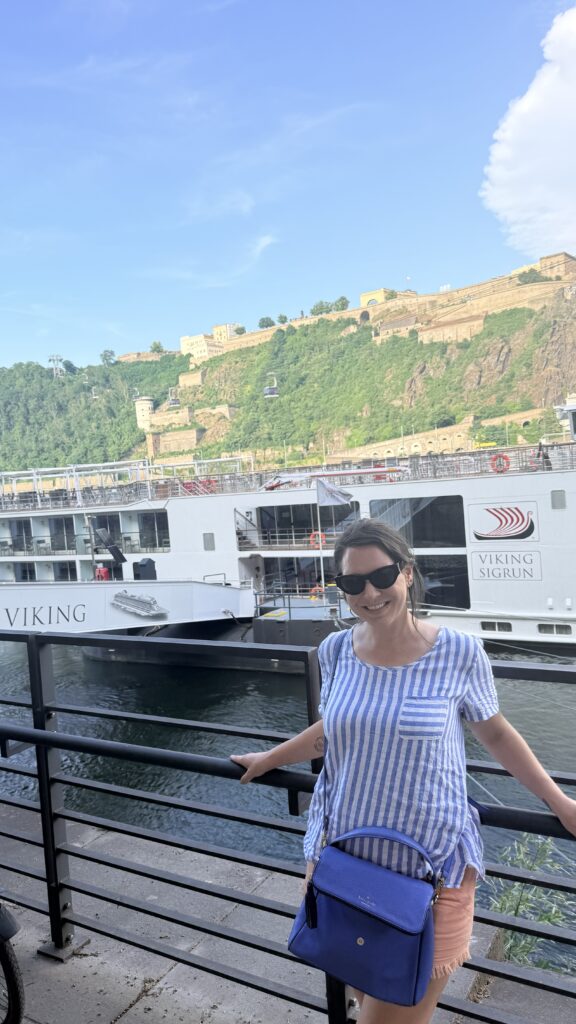
Rhine Christmas Markets: Which Viking Rhine Cruise Itinerary Is Best for Holiday Travelers?
If the words “Christmas market” make you think of mulled wine, handmade ornaments, roasted almonds, and the smell of gingerbread in cold air, the Rhine in December will feel like a dream you have been trying to reach your entire life.
Viking’s “Christmas on the Rhine” sailings are among the most sought-after itineraries in river cruising, and for good reason: the ship stops at some of Europe’s finest holiday markets in rapid succession, meaning you can wake up in Cologne, spend the afternoon in a different market town, and toast the evening from your stateroom balcony as the illuminated castles pass in the dark.
Top Rhine Christmas markets included on Viking holiday sailings:
Viking’s Christmas on the Rhine sailings typically depart late November through mid-December and book up quickly — often 12 to 18 months in advance. If this is on your list, the time to start planning is now.
Viking River Cruises on the Rhine: What Makes This the Top-Rated Luxury River Cruise Line?
There are several river cruise lines operating on the Rhine, but Viking consistently earns its reputation as the gold standard and the reasons are specific enough to be worth spelling out.
What sets Viking Rhine cruises apart:
Best Viking Rhine itineraries for first-time river cruisers:
Who Is a Rhine River Cruise Best For? A Traveler Type Breakdown
Best Rhine cruise for couples celebrating anniversaries or honeymoons: The combination of castle views, private wine tastings, candlelit Christmas market evenings, and the intimacy of a small ship makes the Rhine one of the most romantic itineraries in European travel. Viking’s couples-only atmosphere (no children) enhances this considerably.
Best Rhine cruise for solo travelers over 60: Viking’s no-single-supplement promotions (offered periodically) and its strong onboard social programming make it one of the top-rated options for solo travelers who want company without pressure.
Best Rhine cruise for travelers who have “done Europe” before: The Rhine rewards travelers who have already covered Paris, Rome, and London and want to go deeper into European history and regional culture. The UNESCO villages, castle interiors, wine cellars, and Alsatian cuisine are off the typical tourist itinerary in ways that feel genuinely revelatory.
Best Rhine cruise for foodies and wine lovers: Between Rüdesheim Riesling, Alsatian tarte flambée, Cologne’s beer halls, and Amsterdam’s Michelin-starred restaurant scene, the Rhine is one of the most culinarily interesting river routes in Europe.
How to Book a Viking Rhine River Cruise: What a Travel Advisor Can Do That a Website Can’t
Viking’s website will show you dates and prices. What it won’t do is tell you which cabin category is worth the upgrade, which sailing date has the best light for castle viewing, which shore excursions book up fast and need to be requested early, or how to coordinate the pre-cruise Amsterdam extension to get the most out of both legs of the trip.
That’s where working with a travel advisor who specializes in river cruising makes a concrete difference – not just in the planning, but in the experience itself.
As a Viking specialist affiliated with Vincent Vacations, I work directly with clients to build Rhine itineraries that fit their travel style, budget, and timeline – at no planning fee. My role is to handle the logistics, monitor for promotions, and make sure every detail is in place before you board.
Ready to plan your Rhine River cruise?
Contact me directly at gretchen@vincentvacations.com or visit vincentvacations.com/agents/GretchenOde to get started.


This morning I was sitting here with approximately 47 tabs open in my brain…
And suddenly I had this moment of:
“How is everything happening at once… and what do I actually need to do right now?!”
If you’ve ever felt like that; you’re not alone.
This is exactly how most families plan travel. It’s not neat and organized. It’s life, layered on top of life, with a sprinkle of “wait, are we going to miss something important?!”
When you have multiple events, trips, and responsibilities happening at once, your brain treats everything like it’s equally urgent.
But in reality? It’s not.
Some things truly are time-sensitive (like special event tickets 👀), while others feel urgent but actually have more flexibility.
The problem is no one really teaches you how to tell the difference.
Let’s break this down in a real-life way:
Immediate / Time-Sensitive:
Plan Soon (But Not Panic-Level):
Can Wait (Even If It Feels Like It Can’t):
And yet… where do we spend most of our time first?
👉 The outfits
👉 The decorations
👉 The Pinterest spiral
No judgment, I’m right there with you 😂
It’s not doing everything at once.
It’s knowing what to focus on, and when.
This is where having a plan (or someone helping you create one) makes all the difference.
Because instead of:
“OMG I have so much to do”
You shift to:
“Okay, THIS is what actually matters today”
This is exactly what I help my clients do.
I keep track of:
✔️ When tickets go on sale
✔️ What needs to be booked first
✔️ What can wait
✔️ What will sell out vs what won’t
So you don’t have to carry all of those tabs in your head at once.
Because let’s be honest; you’ve already got enough going on.
If your brain feels like a chaotic mix of birthdays, trips, events, and “don’t forget this!!!” reminders…
You’re not doing it wrong.
You just need a better way to organize it; and someone who knows what actually matters first.
If you’ve got multiple trips or events coming up and don’t know where to start, I’ve got you.
NEED HELP BOOKING A TRIP CLICK HERE NOW