Choosing your first cruise is an exciting decision, and one of the most important questions you’ll face is how long your voyage should be. Whether you’re drawn to a quick weekend escape or dreaming of an extended adventure at sea, understanding the differences between short and long cruises will help you find the perfect fit for your travel style and lifestyle.
Short cruises, typically lasting three to five nights, offer a wonderful introduction to cruising without requiring a major time commitment. They’re perfect if you’re curious about whether life at sea is for you, or if your schedule simply doesn’t allow for an extended getaway. Long cruises, on the other hand, span a week or more and provide a more immersive experience with diverse destinations and plenty of time to truly unwind.
The right cruise length depends on several factors: how much vacation time you have available, your budget, what kind of experience you’re seeking, and whether you’re testing the waters or ready to fully embrace the cruising lifestyle. In this guide, we’ll explore the key differences between short and long cruises so you can make an informed choice that matches your needs and dreams for your first voyage.
Want help choosing the right cruise? Click Here
Understanding Cruise Duration Categories and Definitions
When planning your first cruise, understanding the different duration categories is essential to finding the perfect fit for your lifestyle and preferences. Cruise lengths vary significantly, each offering distinct experiences and benefits tailored to different types of travelers.
What Qualifies as a Short Cruise (3-5 Nights)
A short cruise typically runs between 3 and 5 nights, designed to fit seamlessly into your busy life. These quick getaways are perfect if you can only spare a long weekend or a few days away from work and home responsibilities. Think of it as sailing Thursday to Monday and being back at your desk with wonderful memories to share.
Short cruises often focus on nearby destinations, with itineraries featuring one or two ports of call. Popular routes include weekend trips to the Bahamas or Caribbean from Florida ports, or destinations like Ensenada, Mexico from California. These cruises offer a taste of the cruising experience without requiring a lengthy time commitment, making them ideal for busy professionals, families with limited vacation time, or anyone new to cruising who wants to test the waters before committing to a longer voyage.
What Qualifies as a Long Cruise (7+ Days to Several Weeks)
Long cruises span from a week to several months, allowing for extensive exploration of multiple destinations across different regions. A long cruise might encompass a transatlantic journey with stops in various countries or visits to more exotic and less-traveled ports that provide richer cultural experiences.
These extended voyages create space to truly settle in and disconnect from everyday life. Long cruises attract seasoned travelers seeking immersive experiences and cultural enrichment, with passengers enjoying a variety of onboard activities, enrichment programs, and extended time at each port. The relaxed pace allows you to feel like you’re living at sea rather than just visiting, with ample time to unwind, decompress, and explore each destination more thoroughly.
Mid-Range Cruises and Emerging Duration Trends
Between the traditional short and long cruise categories, mid-range options—typically 6 to 7 nights—are becoming increasingly popular. These cruises offer a balanced middle ground, providing more time to explore than short cruises while requiring less vacation time than extended voyages. A four or five-night cruise can be particularly appealing for first-time cruisers, offering enough time to explore the ship, test the waters, and experience a taste of the cruise lifestyle with one or two port stops.
The cruise industry continues to evolve, with cruise lines offering more flexible itineraries to accommodate different traveler needs. Whether you’re looking for a quick escape, a balanced vacation, or an extended adventure, there’s a cruise duration designed to match your preferences and lifestyle.
Let me help you choose the best option for your family. Vacation Planning Request
Cost Comparison: Upfront Pricing vs. Price Per Day
When planning your first cruise, understanding the financial picture is essential. While short and long cruises differ significantly in their upfront costs, the price-per-day calculation often tells a different story. Let’s break down what you can expect to spend on each type of voyage.
Short Cruise Pricing and Budget-Friendly Options
Short cruises are designed with budget-conscious travelers in mind. These voyages typically offer the lowest upfront costs, often selling for as little as $60 to $80 per person per night. For a 3- to 5-night sailing, your total trip cost will generally be lower than a weeklong voyage, making short cruises an attractive option if you’re working with a limited vacation budget.
The affordability of short cruises makes them particularly appealing for busy professionals, families with limited vacation time, or first-time cruisers who want to test the waters without a major financial commitment. You can enjoy a complete cruise experience—boarding the ship, visiting ports, and enjoying onboard amenities—without the expense of a longer journey.
Long Cruise Pricing and Cost-Per-Day Advantages
While long cruises require a higher upfront investment, the price per day becomes increasingly favorable as your voyage extends. The longer your cruise, the cheaper the daily rate becomes. This means that even though you’re spending more money overall, you’re actually getting better value for each day at sea.
Long cruises typically span a week or more, allowing you to spread your vacation costs across more days. This pricing structure rewards travelers who can commit to extended time away, making longer voyages an excellent value when you calculate the daily expense.
Hidden Costs and Onboard Expenses on Each Cruise Type
Beyond the base cruise fare, both short and long cruises include opportunities for additional spending. Short cruises often program at least one sea day, which gives you time to experience the ship and explore onboard extras like specialty dining, spa services, and premium beverages—all of which come with additional costs.
On longer cruises, you’ll have more sea days and extended time at ports, which can lead to greater spending on excursions, dining upgrades, and onboard activities. However, the extended duration also means you have more flexibility to budget your discretionary spending across the voyage.
When evaluating the true cost of your cruise, factor in these potential onboard expenses alongside your base fare. This will give you a complete picture of what your first cruise experience will actually cost.
Itinerary and Destination Differences
Hey there, fellow traveler! When picking between a short or long cruise for your first adventure at sea, the itinerary can make all the difference in your experience. Short cruises keep things snappy with nearby spots, while longer ones whisk you away to hidden gems. Let’s dive into the cozy details together.
Port Frequency and Variety on Short Cruises
Short cruises, often 3-5 delightful days, pack in a fun, high-energy rhythm with ports nearly every day. You’ll hop between 1-2 popular hotspots like sunny Bahamas islands or Caribbean gems from Florida ports—perfect for a quick taste of paradise without unpacking for weeks. It’s like a whirlwind getaway where every stop feels exciting and close to home, leaving plenty of ship time for onboard fun.
Extended Exploration and Lesser-Known Destinations on Long Cruises
On the flip side, long cruises spanning a week or more open doors to deeper discoveries and those off-the-beaten-path wonders. Think transatlantic crossings or multi-country jaunts with more ports, including quieter locales that let you truly soak in local cultures. With extra time at each stop, you can wander markets, join enriching excursions, and create memories that linger long after you unpack.
Sea Days and Their Role in Each Cruise Type
Sea days are your chill-out havens! Short cruises sprinkle in just a few, keeping the pace lively with back-to-back ports and focused ship vibes. Longer voyages gift you more of these blissful at-sea stretches—ideal for unwinding by the pool, indulging in spa treatments, or trying every onboard activity from shows to classes. They’re the secret sauce for recharging and falling in love with cruise life.
Regional Considerations (Caribbean, Transatlantic, Australia Routes)
Your dream route shapes the magic too! Caribbean shorties buzz with frequent island hops for tropical bliss. Transatlantic longs offer epic sea days and diverse European-American ports. Down under in Australia, short sails might be “cruises to nowhere” with zero ports or quick nearby visits, while longer ones unlock varied coastal treasures. Wherever you roam, match the length to your region’s rhythm for the coziest fit.
Ship Selection, Amenities, and Onboard Experience
Newer and Larger Ships on Longer Itineraries
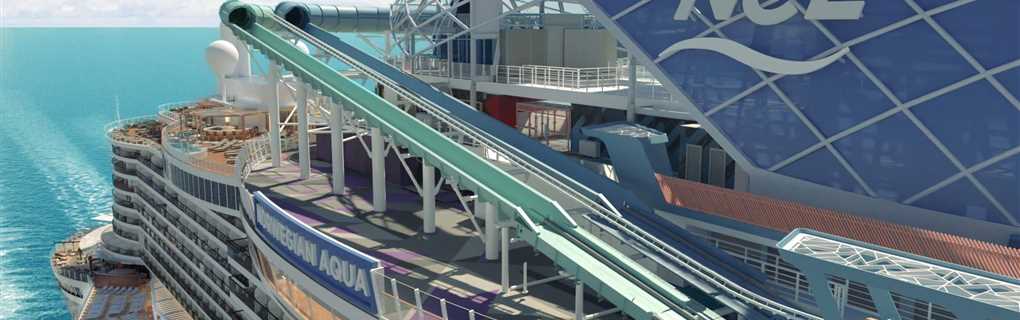
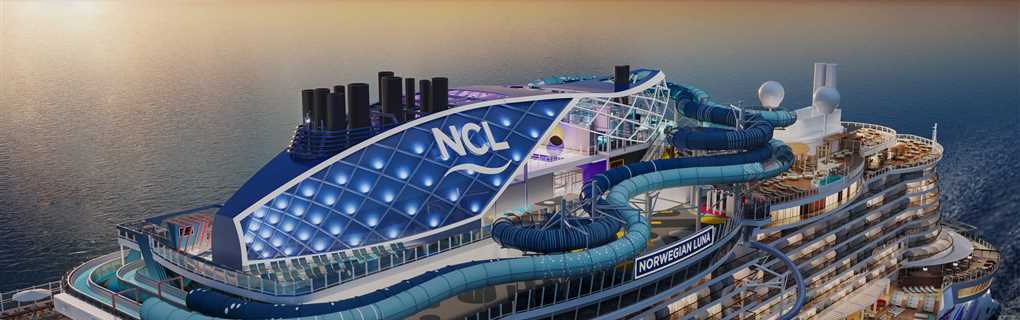
Cruise lines strategically deploy their newest and largest vessels on longer itineraries, typically those lasting six to eight days or more. These premium ships receive the extended routes because they’re packed with amenities that truly shine when passengers have adequate time to explore them. On these bigger vessels, you’ll find dozens of restaurants and lounges, ropes courses, water parks, sports courts, movie theaters, and other special features that make the cruise experience memorable.
In contrast, shorter cruises often operate on older, smaller ships. While many of these vessels have undergone significant updates costing hundreds of millions of dollars, they generally offer fewer amenities and less overall space compared to their newer counterparts on longer voyages.
Dining, Entertainment, and Activity Variety by Cruise Length
The difference in onboard offerings between short and long cruises is substantial. Longer cruises benefit from newer, larger ships that feature more activities and dining venues. This means you’ll have access to a wider range of culinary experiences, from casual dining to specialty restaurants, as well as diverse entertainment options throughout your voyage.
On shorter cruises, while you’ll still enjoy quality dining and entertainment, the variety may be more limited. Additionally, with fewer sea days, you’ll need to prioritize which onboard experiences matter most to you—whether that’s award-winning dining, spa afternoons, fitness classes, or late-night shows.
Atmosphere and Passenger Demographics on Short vs. Long Cruises
The length of your cruise influences the overall atmosphere and the types of passengers you’ll encounter. Shorter cruises, especially three- to four-day voyages, tend to attract a younger crowd and often feature a more energetic, party-oriented atmosphere. People tend to let loose and embrace the festive vibe of a quick getaway.
Longer cruises, particularly those exceeding seven days, typically draw more seasoned travelers and passengers aged 50 and older. These voyages foster a more relaxed, immersive environment where passengers have time to unwind and decompress, creating a different social dynamic than the faster-paced energy of shorter sailings.
Time to Experience All Onboard Features
One of the most compelling reasons to choose a longer cruise is simply having enough time to experience everything the ship has to offer. On larger vessels with extensive amenities, even a full week may not be sufficient to try every restaurant, attend every show, or participate in all available activities.
Shorter cruises can feel rushed by comparison. You might spend your first day unpacking and getting oriented, only to begin packing again the next day. This compressed timeline means you’ll need to be selective about which onboard experiences you prioritize, whereas longer cruises allow you to enjoy activities at a leisurely pace without feeling pressured to fit everything in.
Need help planning the perfect cruise?
Finding Your Perfect Cruise Length
Choosing between a short and long cruise for your first voyage doesn’t have to be overwhelming. The right choice depends entirely on your lifestyle, budget, and travel goals. If you’re a busy professional with limited vacation time or someone new to cruising who wants to test the waters, a short 3- to 5-night cruise offers an affordable, low-pressure introduction to the cruise experience. You’ll get a genuine taste of shipboard life, explore one or two destinations, and return home without a massive time commitment.
On the other hand, if you have the flexibility and desire for deeper exploration, a longer cruise allows you to truly settle in, visit more diverse ports, and enjoy a richer cultural experience. The per-day cost often becomes more economical on extended voyages, and you’ll have ample time to enjoy the ship’s amenities without feeling rushed.
Consider what matters most to you: convenience and affordability, or immersion and discovery. First-time cruisers often find that starting with a shorter voyage helps them understand their preferences, making future cruise planning easier. Whatever length you choose, you’re embarking on a memorable adventure that will likely have you planning your next voyage before you even step off the ship. Plan with Stephanie